All Activity
- Past hour
-
Outflow didn't make it here but we got a dozen or so raindrops. High of 102/117 at 2:30pm.
-

Septorcher 2026 Discussion - Endless Summer
kdxken replied to Damage In Tolland's topic in New England
Thankfully I only had migraines for a short period. Mid 30s. Mostly when I first woke up. Light would make them infinitely worse. Not pleasant.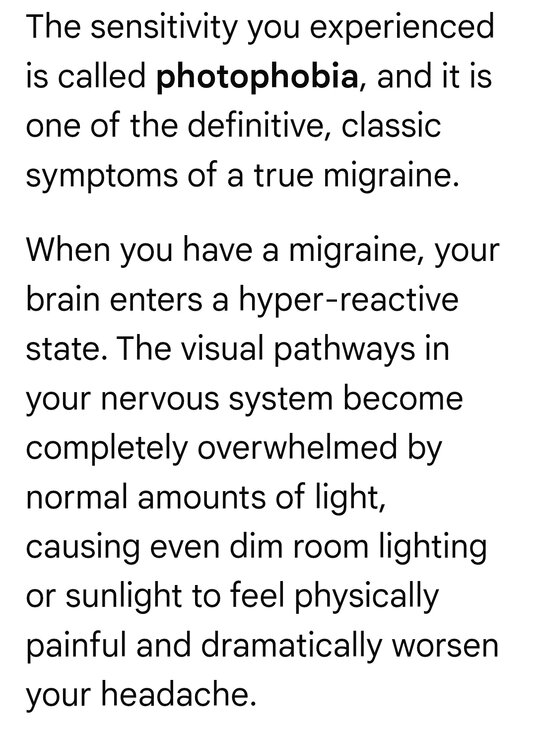
-
Todays Highs: EWR: 89 PHL: 89 BLM: 89 New Brnswck: 89 TEB: 88 LGA: 88 TTN: 88 JFK: 86 non intra hour highs https://forecast.weather.gov/data/obhistory/KJFK.html ACY: 86 ISP: 85 NYC: 84
-
WPC meso about heavy rain and flash flood potential covers the metro areas
-

2026 Mid-Atlantic Severe Storm General Discussion
Eskimo Joe replied to Kmlwx's topic in Mid Atlantic
I could be wrong, but I don't think these storms survive into Maryland with enough strength to warrant a watch. If they were even an hour or two earlier then yes. -

Central PA Summer 2026 Discussion/Obs Thread
WmsptWx replied to Voyager's topic in Upstate New York/Pennsylvania
GOODBYE, FRIENDS. -
 canada pharmacy online legit: recommended canadian pharmacies :: cheapest pharmacy canada
 - Yesterday
-
September heat waves suck. Any real rain keeps getting pushed back... now not until mid next week on the Euro.
-
E PA/NJ/DE Autumn 2026 Obs/Discussion
Albedoman replied to PhiEaglesfan712's topic in Philadelphia Region
Looks like tonight maybe another drencher for some if the storms hold together from the other side of the state. My house got 1.85 in of rain overnight and the Little Lehigh reached bankfull for the second time this summer. Put a real nice dent in the drought conditions here. The best part is the crabgrass is starting to die. This weekend cool shot will help put that fricking weed in its grave with the shorter daylight hours. -

Septorcher 2026 Discussion - Endless Summer
Baroclinic Zone replied to Damage In Tolland's topic in New England
This just shows how ignorant you are to its impacts. Each time my daughter has been infected and had a bout of it, it has wreaked havoc on her body and made her condition worse. -

Central PA Summer 2026 Discussion/Obs Thread
Jns2183 replied to Voyager's topic in Upstate New York/Pennsylvania
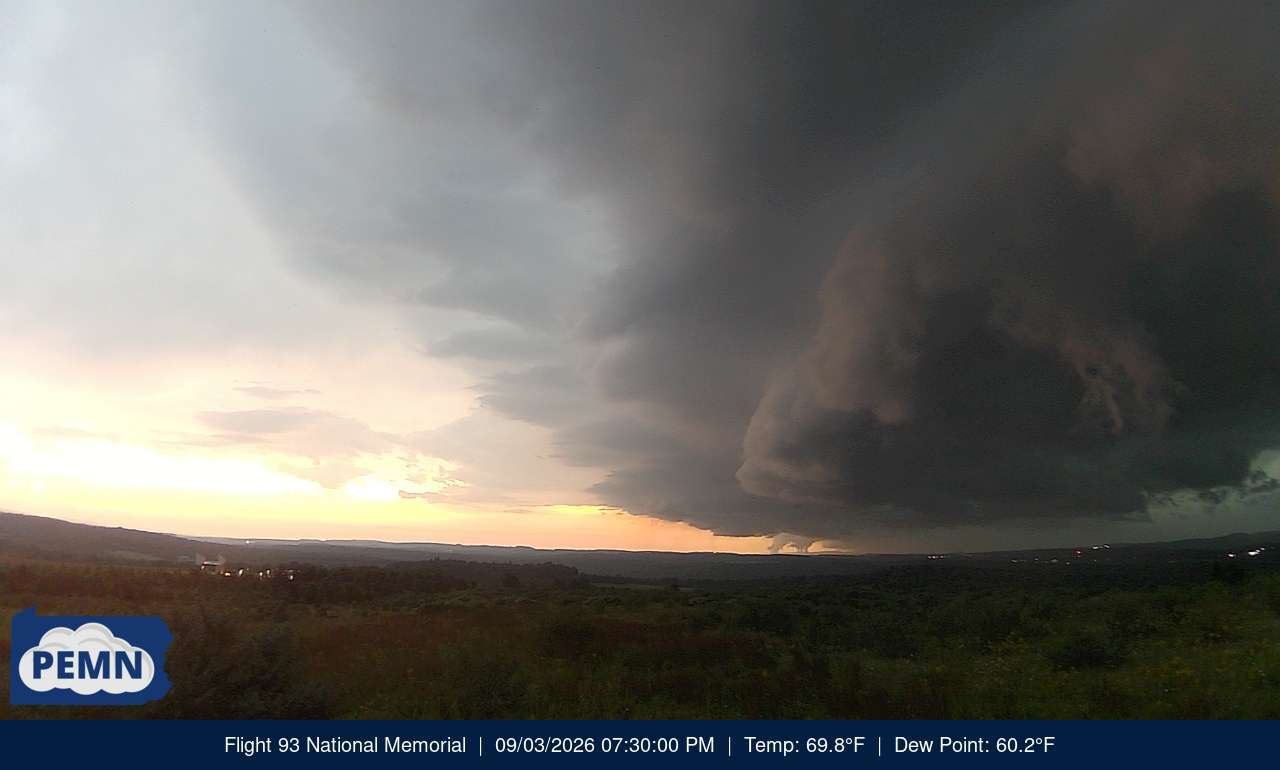
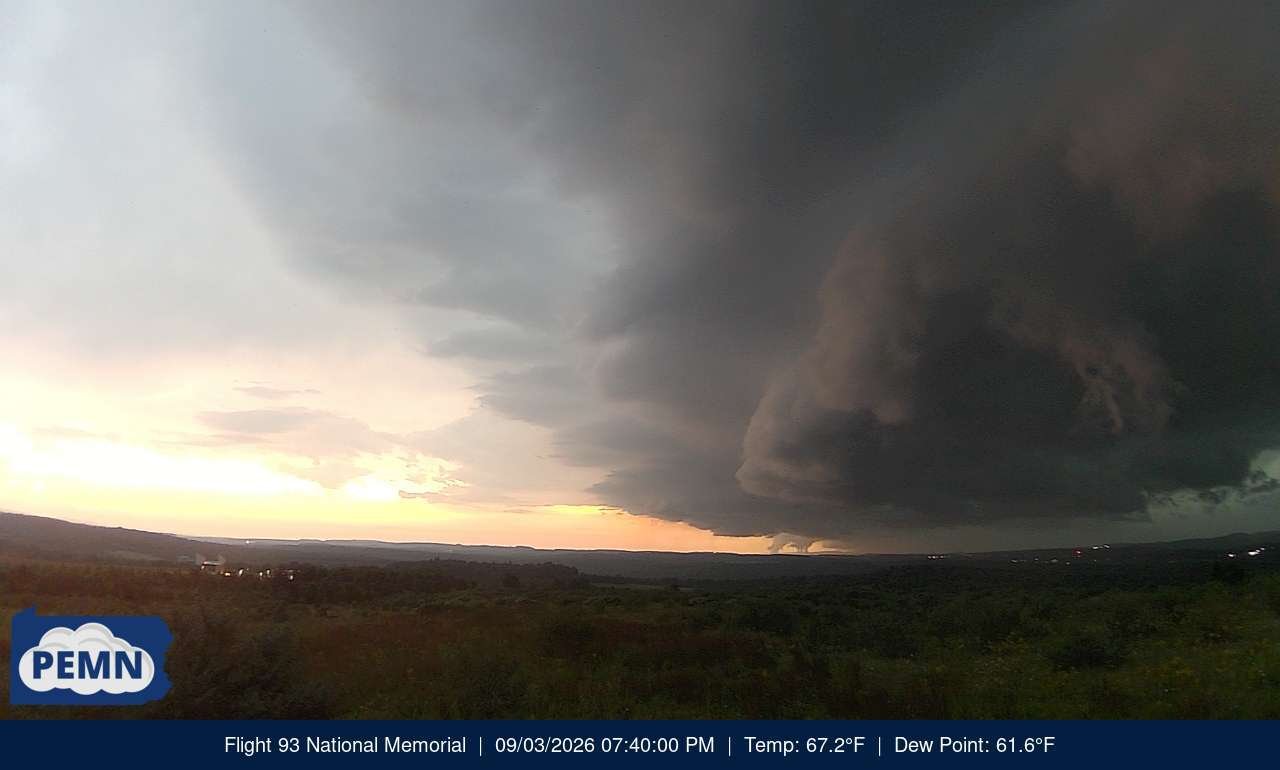
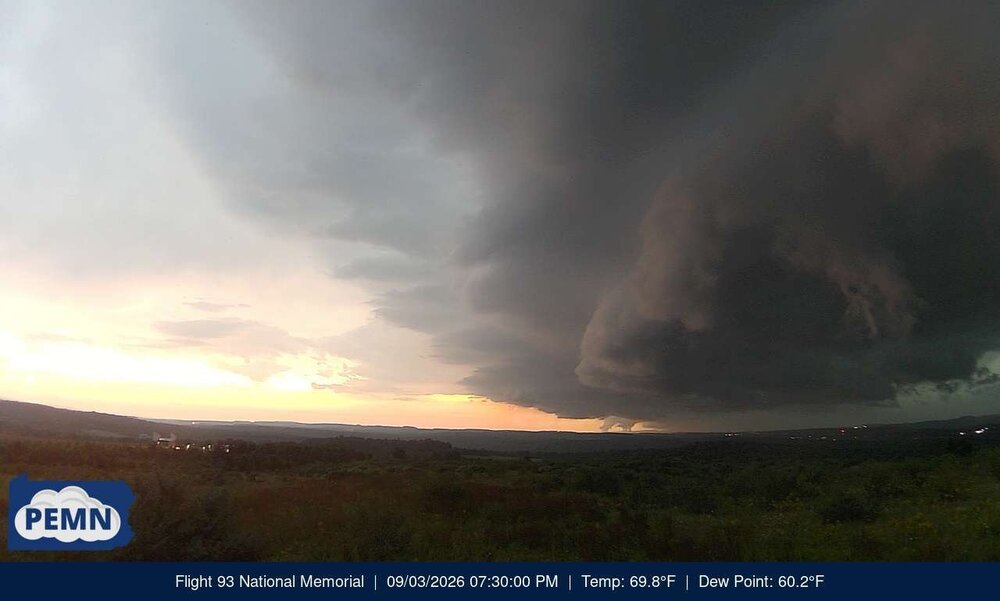
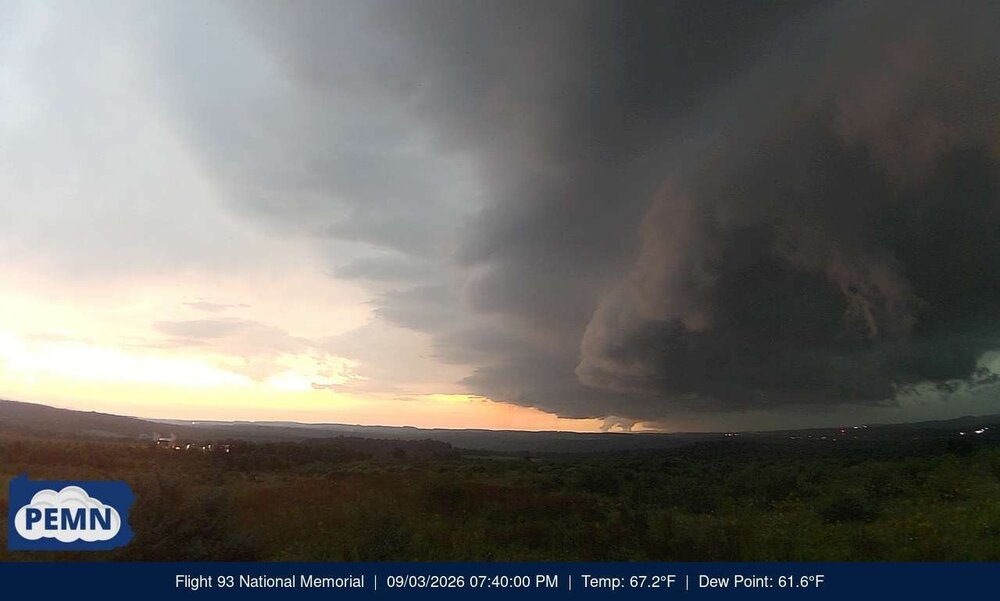
from the flight 93 memorial PEMN weather station cameras appointed right after that tornado warned storm that is coming towards. first picture is 7:10 717-20 thirds 7:30 this last one 7:40 station itself has one minute resolution so if you want to enjoy watching the live webcam I'll see one minute resolution weather station data have at it https://climate.met.psu.edu/data/pemn/?site=SMRS02&numObs=1440 Sent from my SM-S731U using Tapatalk.thumb.jpg.4d606dd9631d85f1fa6db5056aa35ff6.jpg)
-
DTX plans to do a formal survey tomorrow.
-

Monday, August 31 - Thursday, September 3, 2026 Convective Episodes
weatherwiz replied to weatherwiz's topic in New England
Big Y parking lot -
I guess we arent getting a watch then?
-
The most important feature(s) for there are a -AO/EPO (same here really although we could still fail lol) that will bring a flow of Arctic cold air southeastward across lake America
-
Wouldn't surprise me if Sunday ends up cloudy with a few showers around. But otherwise looks nice
-
The TDS in Windsor, Canada seems to have been near the Forest Glade subdivision and the international airport.
-
I'm so excited to be staying on the snowiest highland east of the rocky mountains
-
 ugh sorry. Now added to calendar to remind myself !!! DCA: +1.2 NYC: +1.3 BOS: +1.0 ORD: +2..0 ATL: +2.7 IAH: +2.6 DEN: +2.1 PHX: +1.6 SEA: +1.5
 -
There was lightning delay/heavy thunderstorm at GT for their game vs Prime Time’s CO Buffaloes. But the storm is already moving out rapidly to the W. Go Jackets!
-
https://mapplemed.shop/# the canadian drugstore
-
Hopefully you aren't too far east for this one. I have learned that Ninas are better for snow here relative to avg, at least since 2016. I can cope with lots of cold rain this winter if that's how it ends up.
-
More and more evidence via X coming in that a tornado might have in fact touched down the lower east side of the city. Widespread damage.
-

Occasional Thoughts on Climate Change
donsutherland1 replied to donsutherland1's topic in Climate Change
The idea that the bedrock collapsed leading to the glacial collapse and subsequent debris flow has gained increasing support. However, one can't automatically suggest that because the bedrock collapsed, climate change wasn't involved. The literature links a warming climate to destabilization of high mountain terrain. One recent study noted: The study found that rising temperatures are destabilizing high mountain terrain in India’s Kinnaur district and creating conditions that could trigger chains of disasters, including avalanches or landslides that spill into glacier lakes and produce destructive flooding downstream. A quick assessment by University of Colorado researchers also linked climate change observing: Satellite and drone images suggest that softening permafrost, or perennially frozen rock, ice and soil, on Langtang Lirung peak likely caused a massive bedrock failure and glacier collapse. An estimated 50 million metric tons of ice, rock and water—roughly 13 billion gallons, or about three times the capacity of Boulder Reservoir—fell 6,500 feet into the valley below, unleashing a slurry of mud and water that inundated bridges, hydropower facilities and villages along the way. According to the United States Geological Survey, the force of the initial debris flow hitting the ground was equivalent to a magnitude 5.2 earthquake... Since the 1850s, changes in high-altitude permafrost have contributed to dozens of these cascading disasters in Nepal and parts of India, in which bedrock and glaciers break off, and trigger massive flash floods and debris flows. For example, in 2012 a slurry flood in central Nepal, similar to what happened in Nepal last week, killed 79 people along the Seti River. The University of Reading also provided the following account: Researchers from the HiRisk project, which investigates cryosphere-related hazards in High Mountain Asia, suggest that longer-term glacier retreat and permafrost degradation may have contributed to slope destabilisation. The failed glacier retreated by approximately 450m between 1990 and 2020, potentially reducing the mechanical support provided by the glacier to the underlying rock slope. Permafrost degradation may have further contributed to instability. The warmer than average temperatures observed in the area this summer might have contributed to the glacier collapse too, although observations at these elevations remain limited. As a side note, this assessment also refers to "warmer than average temperatures" during the summer. That's something the maps I posted showed in contradiction to JB's cropped map. Based on the evidence and literature: 1) A climate link is highly likely, but the magnitude of the contribution from climate change is uncertain. 2) The absence of a climate link is probably close to zero Considering the literature and emerging assessments, the burden of proof rests with those such as Martz to support the argument that climate change played no role. Arguing that climate change played no role (Martz's proposition) is quite different from suggesting that the extent of contribution by climate change remains to be determined. As noted previously, there had been record heat in the region for several days prior to the catastrophe. Moreover, frost-wedging can lead to the fracturing of rocks over long periods of time, and in the warming climate of the altitude Himalayas, this form of weathering has increased in frequency. -
I haven't had an AN snowfall season since 20/21. I'm needing this one bad.





.jpg.112d72f291640cfc9dec499b566e51f4.jpg)