All Activity
- Past hour
-

Early Monday morning 2/16 last minute event OBS/Discussion
Tatamy replied to The Iceman's topic in Philadelphia Region
2” -
Start thinking about when to start a new storm thread.....
-

E PA/NJ/DE Winter 2025-26 Obs/Discussion
The Iceman replied to LVblizzard's topic in Philadelphia Region
Yeah but without arctic temps locked in/not really on this side of the globe, do we rain instead of stay to sleet? Stay tuned. -
NYC: 1.1” LGA: 1.0” JFK: 1.4” ISP: 1.8” EWR: .2” BDR: .2”
-
1 inch.
-
Looks like about 1.5” here in Whitestone, Queens.
-
might be ok here but its close
-
AI also said Shawshank redemption two was coming out. AI is the biggest hype since Y2K lol... they're only as good as the information going into them
-
Wednesday looks like junk.
-
Early Monday morning 2/16 last minute event OBS/Discussion
Kevin Reilly replied to The Iceman's topic in Philadelphia Region
Cloudy 32f unremarkable here. snow mixed with rain from 7:30 to 11:45 We had snow 11:50 to 2:00 am result 0.03” of snow rain total 0.19” models gfs and HRRR consistently showed 2-4” here were terrible even amount of precipitation would not have produced that here. Model score card for central Delaware County F. -
Central PA Winter 25/26 Discussion and Obs
Mount Joy Snowman replied to MAG5035's topic in Upstate New York/Pennsylvania
Low of 32 with a nice little coating on most surfaces here. Melting down the gauge but it looks to be at least .3” liquid. Precip wasn’t an issue here, cold air was just a touch slow to arrive. I’m putting .1” snowfall in the books but curious if anyone around me was up ~1-3am to get a proper measurement? -

Presidents' day Snow potential
donsutherland1 replied to WeatherGeek2025's topic in New York City Metro
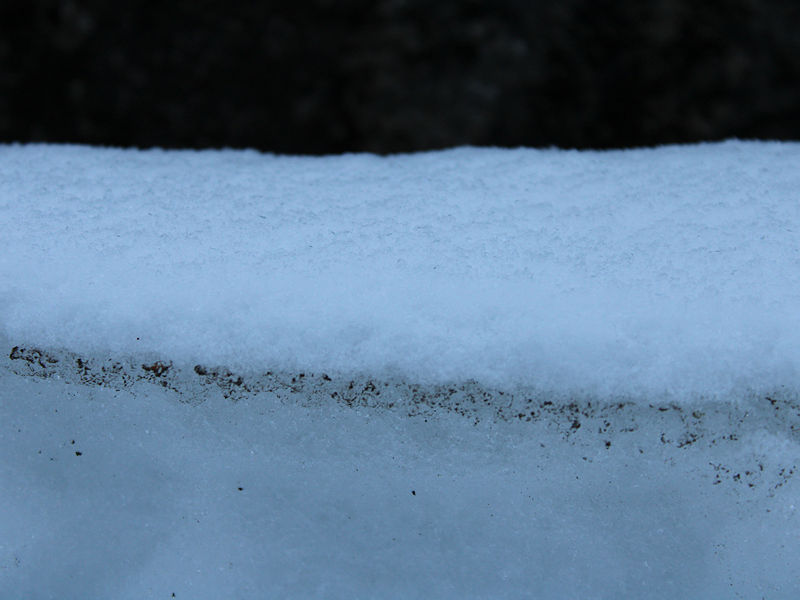
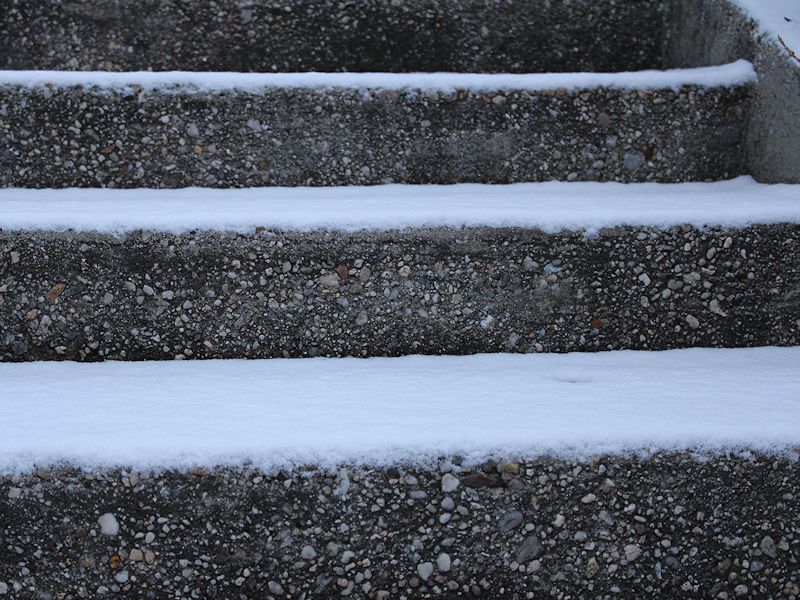
Numerous parts of Nassau County saw 2" or more of snow. Three photos from southern Westchester County where around 0.5" fell.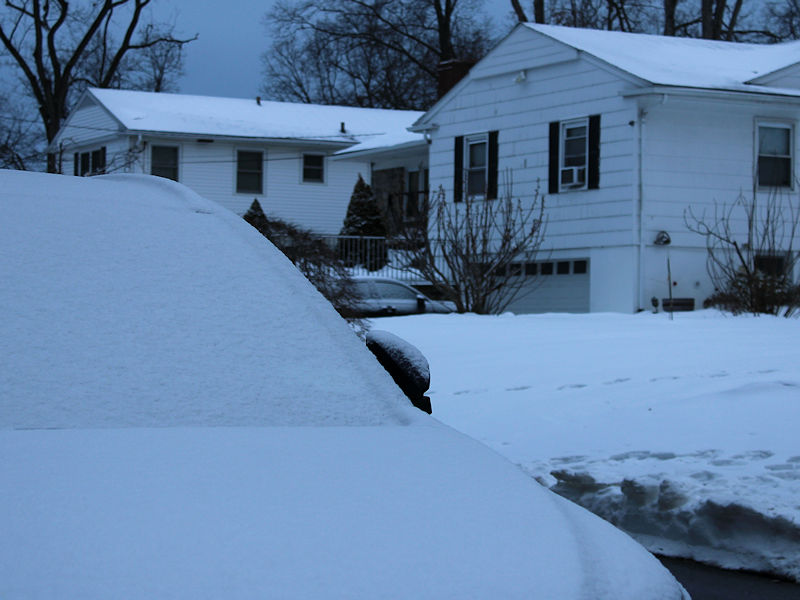
-
We can still have expanding crop yields on a global basis and also have increasing crop failures due to climate change on a local level. These local events such as Florida losing 90% of their orange production can have a big impact on the regional economy. The risk in the coming decades is that these regional issues expand globally and eventually cut into the larger global food production. The natural world often gives us early warning signs on a smaller scale prior to large scale dislocations occurring later on. With a warming climate we don’t really know for sure what the temperature threshold is for widespread crop failures. It could be that these other canary in a coal mine smaller crop failures like in Middle East and Central America continue to go ignored and some people shrug them off because the overall global crop production is fine. Florida's citrus industry faces an existential crisis driven by climate-enhanced disasters, causing orange production to plummet over 90% in two decades to its lowest levels in over a century . Key issues include the incurable citrus greening disease (HLB), exacerbated by rising temperatures and extreme weather, alongside devastating hurricanes, droughts, and severe urbanization. Citrus Greening Crisis: A bacterial disease (HLB), spread by the Asian citrus psyllid, has infected nearly all Florida groves, resulting in small, bitter fruit and tree death. Climate Change Amplification: Warmer temperatures have expanded the habitat for the psyllid, while changing weather patterns have brought more intense hurricanes (e.g., Ian, Milton) and severe droughts, which destroy trees already weakened by disease. Production Collapse: Citrus production fell from ~300 million boxes in the early 2000s to roughly 12-20 million in the 2024–2026 seasons. Industry Impact: The 2024-25 season was the least productive in over 100 years. Major growers like Alico Inc. are abandoning citrus, and acreage has dropped significantly,, causing supply chains to shift to imported juice. Mitigation Efforts: Researchers and growers are testing antimicrobial treatments to combat greening, although these are costly and labor-intensive. Climate change is driving severe crop failures across the Middle East, with extreme droughts, rising temperatures, and water scarcity devastating agricultural production. Key staples like wheat and barley are severely affected, with reports indicating nearly 90% of rain-fed crops failed in parts of Iraq in 2022 and major, persistent losses across Syria, Morocco, and Iran. The crisis, exacerbated by desertification, is reducing yields, causing livestock losses of up to 85% in some areas, and forcing mass migration. Key Impacts on Agriculture Widespread Crop Failure: Iraq, Syria, and Jordan are facing critical water shortages, with significant portions of rain-fed crops failing. Production Declines: Morocco and Algeria saw substantial drops in cereal production, with some areas facing up to 80% losses in 2023. Water Scarcity & Drought: The region is experiencing higher temperatures and lower rainfall, accelerating desertification and reducing arable land. Livestock Losses: Drought conditions have decimated grazing lands, with Syrian shepherds losing over 80% of their livestock. Impact on Food Security: The region is facing increased food prices and high levels of hunger, with 118 million people in Africa and the Middle East at risk of climate-related food insecurity by 2030. Regional Specifics Iraq: Almost 90% of rain-fed crops failed in 2022, turning farmland into desert. Syria: Recurring droughts between 2005 and 2010 resulted in 80-85% livestock losses, and recent, continued drought has reduced wheat harvests by 40%. North Africa: Morocco and Algeria reported unprecedented droughts in 2023, causing a 20% drop in Morocco's agricultural output. Iran: A 24% decline in rainfall (2021-2022) caused severe agricultural losses. Drivers of Failure Long-Term Aridification: Climate models show long-term drying trends, making droughts more frequent and severe. Temperature Increases: Regional temperatures are rising, increasing water demand for agriculture. Diminishing Water Sources: Water levels in the Tigris, Euphrates, and Jordan rivers are dropping, reducing water for irrigation. Pest Infestations: Warmer temperatures are helping crop pests thrive, causing further damage. https://www.science.org/content/article/did-climate-change-drive-syrian-uprising From 2007 to 2010, Syria suffered a debilitating drought that brought crop failure and livestock mortality to as much as 60% of the country and displaced up to 1.5 million people. A year later, Syria descended into chaos. A repressive regime and the spread of the 2011 Arab Spring were the overt drivers of the conflict, but some scientists argue that drought played a powerful role. Now, a new study finds that human-induced climate change has increased the likelihood of such a severe drought occurring in the region two- to threefold. The researchers examined a century of observed trends in precipitation, temperature, and sea-level pressure in the Eastern Mediterranean and noted a long-term warming trend and decreased winter rainfall in the second half of the 20th century. That drying trend is separate from the climate's natural (not human-induced) variability, they report online today in the Proceedings of the National Academy of Sciences. When increased greenhouse gas emissions, particularly of carbon dioxide, are included in models, they more than double the likelihood of a severe, 3-year drought in the Fertile Crescent, they found. That agrees with the conclusion of a 2011 National Oceanic and Atmospheric Administration study that linked increasing incidence of droughts in the Mediterranean region over the last 20 years to human-induced climate change. The link to conflicts is more uncertain, but previous teams have found that fluctuations in climate have been a statistically significant driver of social disturbances over centuries of human history, including war, famine, and migration. Climate change-induced crop failures in Central America's "Dry Corridor" are major drivers of migration, with droughts and hurricanes destroying subsistence farming in Guatemala, Honduras, and El Salvador. Consecutive years of failed corn and bean harvests, coupled with coffee rust, have caused acute food insecurity. Studies show that drier growing seasons directly correlate with increased migration to the U.S., as families flee poverty and hunger. Impact on Agriculture and Migration The Dry Corridor Crisis: The region, stretching from El Salvador through Honduras and Guatemala, suffers from extreme weather, including severe droughts and, paradoxically, flooding from hurricanes (e.g., Eta and Iota in 2020). Failed Crops: In 2018, up to 70% of subsistence crops were ruined by dry spells. By 2030, unpredictable rainfall and rising temperatures are expected to reduce maize, bean, and rice yields by up to 10-24%. Economic Collapse: Coffee, a primary cash crop, is severely impacted by coffee rust caused by rising temperatures and fluctuating rainfall. Migration Drivers: Food-insecure families are three times more likely to migrate. Many farmers are forced to move when their livelihoods are destroyed, with some studies showing a 70.7% increase in emigration to the US following abnormally dry seasons. Long-Term Outlook Regional Instability: Crop losses and increased poverty could create up to 4 million climate migrants in Mexico and Central America by midcentury. Uninhabitable Conditions: Some areas of the Dry Corridor could become largely uninhabitable within 20 years, forcing massive, sustained migration, notes YouTube video 72VqN4_LUIA. Climate change acts as a "threat multiplier" in the region, amplifying existing challenges like poverty, violence, and weak governance.
-
Storm total 2” on all surfaces.
-

E PA/NJ/DE Winter 2025-26 Obs/Discussion
Mikeymac5306 replied to LVblizzard's topic in Philadelphia Region
Told you guys two weeks ago that storm on the 22-23rd was gonna be a hit. Serious question has anyone ever had to lay over at an airport for snow? -
I can't believe the staying power of this pack. The rain hardly put a dent in the shaded areas.
-

Presidents' day Snow potential
Freezing Drizzle replied to WeatherGeek2025's topic in New York City Metro
Average of five snowboards - 1.1". Low of 32 F. Pavement accumulations were 3/4 inch on the north side of my house (sun does not shine on the pavement there in the winter), to Trace/Bare on the south side. I'm almost always warmer than Metuchen. I'm in a micro-climate near the Raritan Bay. Colder here during spring BDCFs, though. lol ps - The pond on the south end of town? If so, we almost bought a house near this pond 25 years ago, but the asking price was too high. -
https://www.weather.gov/wrh/timeseries?site=KNYC Feb 16, 6:51 am 30 26 85 23 NE 7G21 10.00 OVC013 1019.10 29.95 30.12 0.04 0.08 30 29
-
https://x.com/anthonyfarnell/status/2023253899705204954?s=61
-
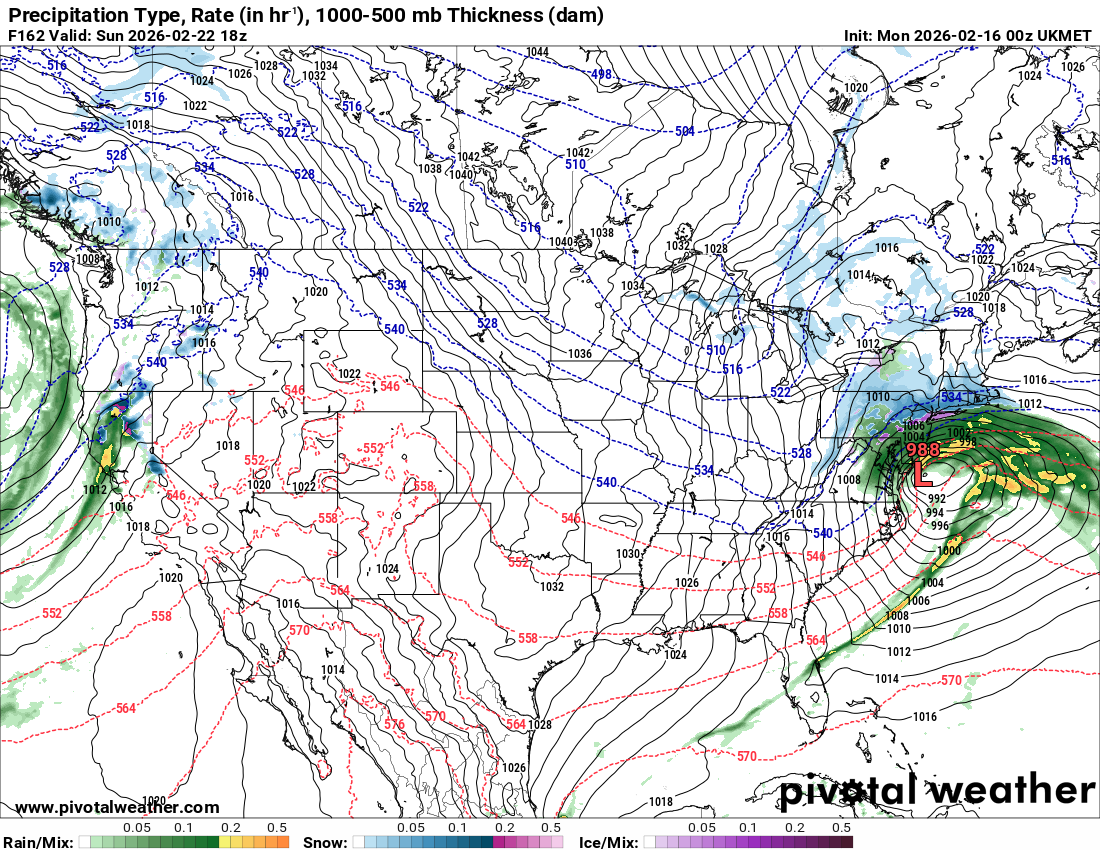
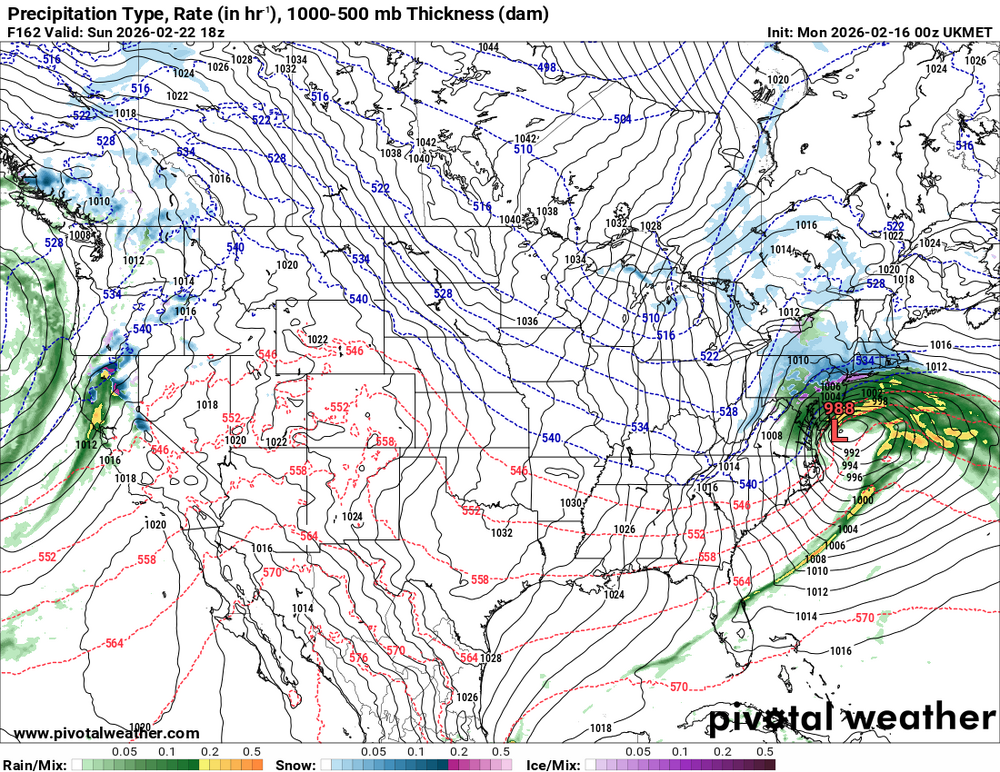
BTW the 00Z UKMET also had a hit for that 23rd system at the end of the run.
-

Is we back? February discussion thread
Damage In Tolland replied to mahk_webstah's topic in New England
Let’s figure out Wednesday and Friday first -

Mid-Long Range Discussion 2026
WinstonSalemArlington replied to BooneWX's topic in Southeastern States
-
It seems to be the best opportunity for something, for now. Have to monitor the h5 look to see if it degrades in future runs. That's what has tended to happen recently.
-
6Z Euro came in colder for the Fri/Sat threat.
-
They got 1.1” most of the stations got around 1”. The park now with 22.3” on the season