
MAG5035
-
Posts
5,884 -
Joined
-
Last visited
About MAG5035

- Birthday 03/14/1986
Recent Profile Visitors
7,324 profile views

.thumb.jpg.6a4895b2a43f87359e4e7d04a6fa0d14.jpg)





-
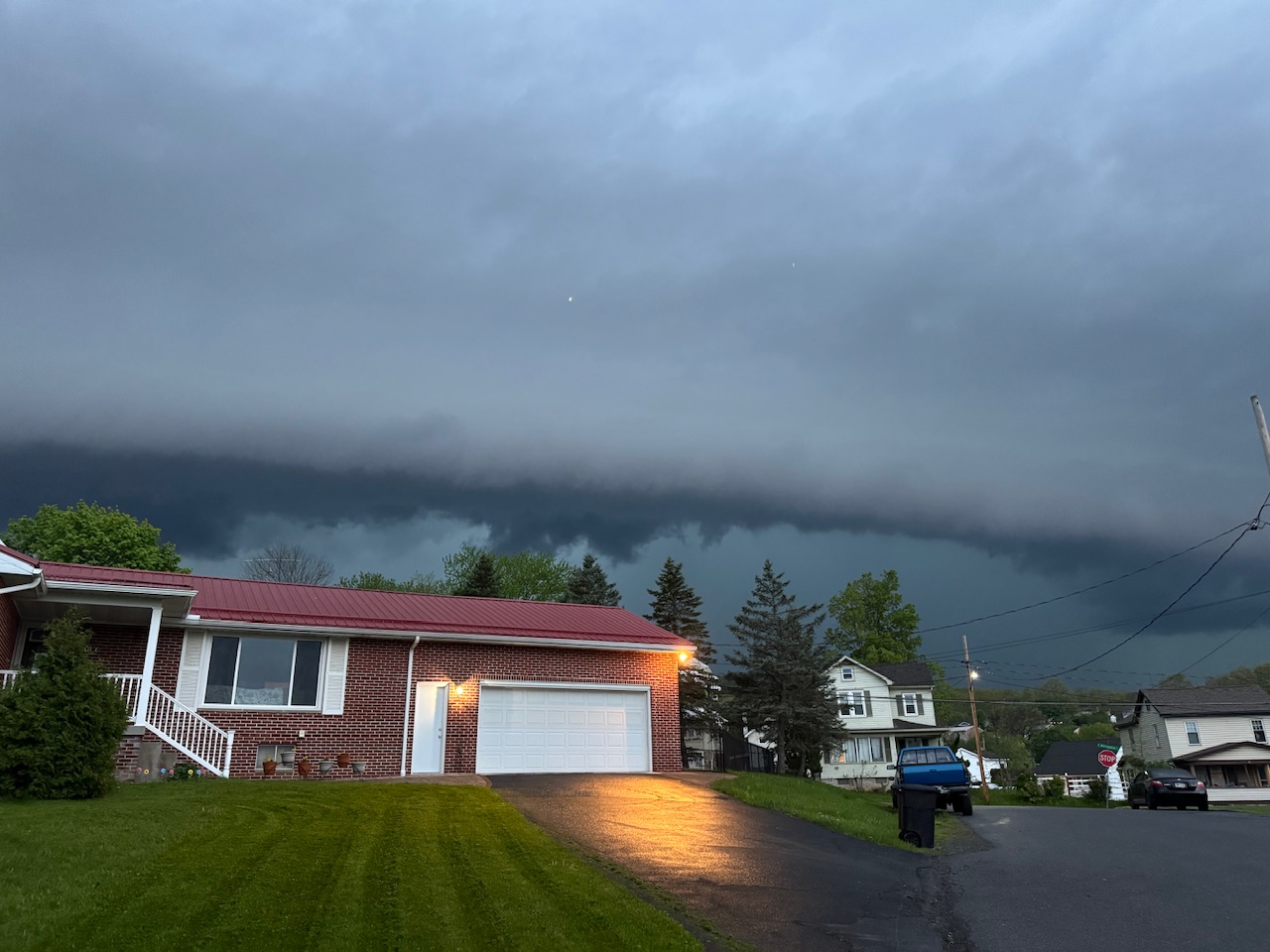
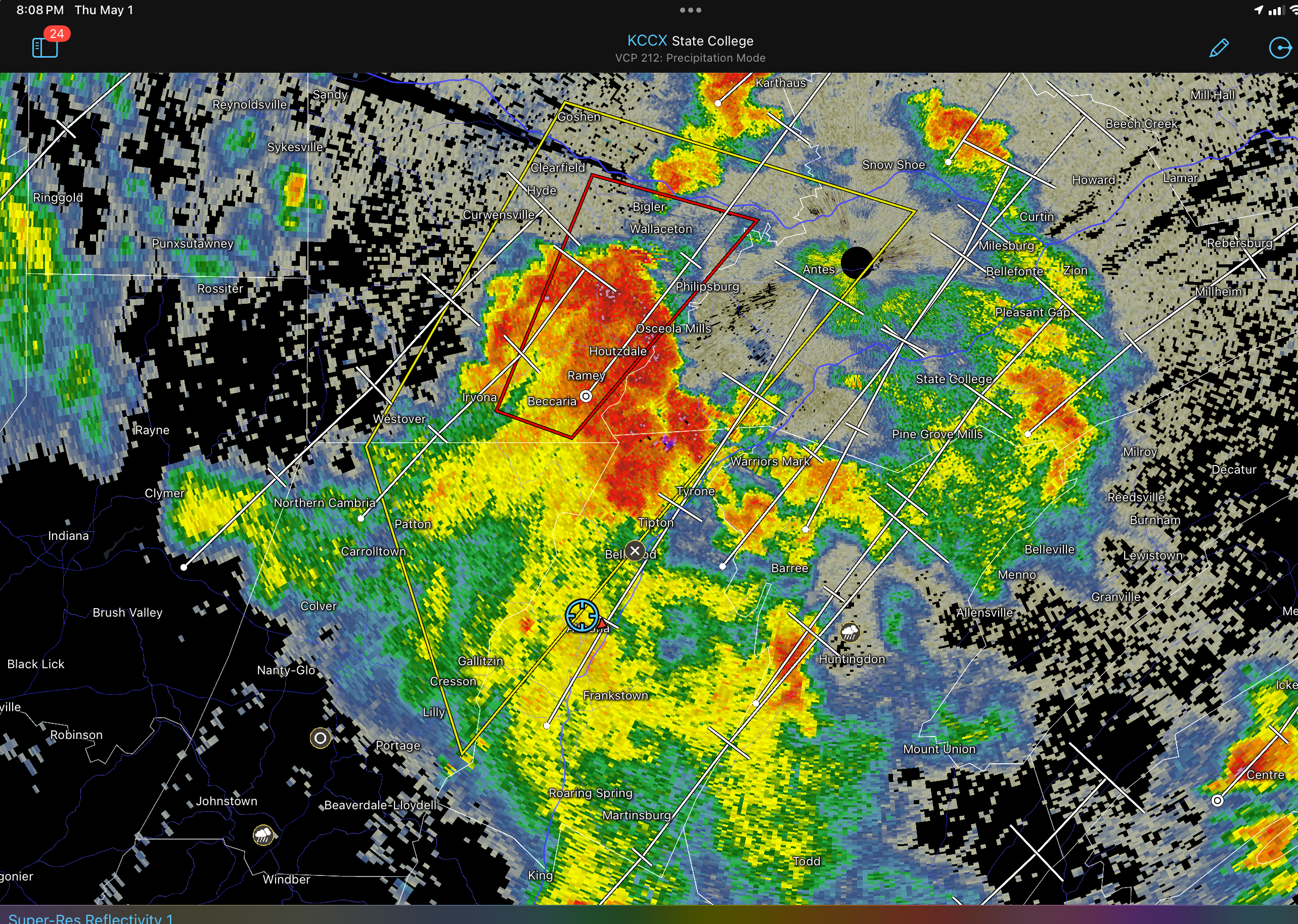
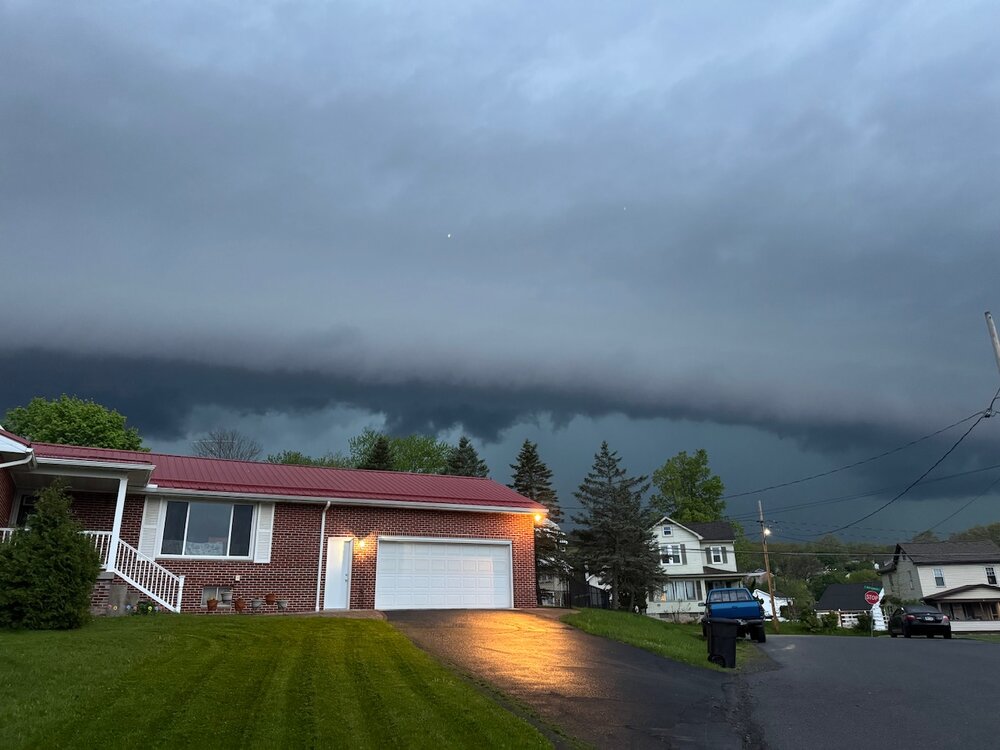
Stayed in it and finished the full mow of my house and the neighbors with this bearing down. Worst of this missed here to the west as this is riding up through Cambria and Clearfield with yet another tornado warning in Clearfield. Likely to cause more issues there I’m sure for the many folks in and around there that still don’t have power from Tuesday.

-
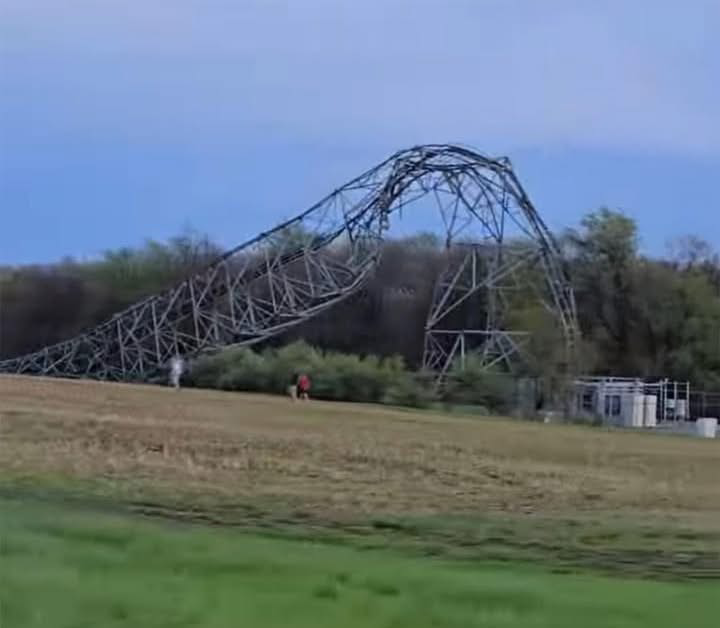
There hasn’t been much major severe to write home about in this part of Central PA for what seems like the last several years but this year has definitely been off to a wild start. Prior to yesterday there was a widespread severe event on 3/16 that really impacted some of the same areas with a few NWS confirmed tornadoes and lots of straight line wind damage in the I-80 corridor as well as the 99 corridor too. That one really hit Bellefonte and surrounding hard. Last nights line really hit a bit further south.. getting Cambria/Blair/southern Centre/Huntingdon coming in from western PA where it had its largest impacts in and around Pittsburgh. Carrolltown in Cambria County had the most notable damage report, with a cell phone tower being destroyed by the winds. Something you don’t see often outside hurricanes or maybe direct hits from tornadoes. The NWS reportedly surveyed this today and reported that to be straight line wind damage of 110-120mph winds. https://www.wtaj.com/weather/nws-survey-confirms-straight-line-wind-damage-in-cambria-county/ There was other widespread issues around here and tens of thousands of folks without power. I was out here for a couple hours and my parents up the road didn’t get theirs back until earlier today. No damage here at home fortunately.
-
I-80 closed this morning between Kylertown (132) and Snow Shoe (147) from the snow squalls earlier this morning. Reportedly a 30+ pileup.

-
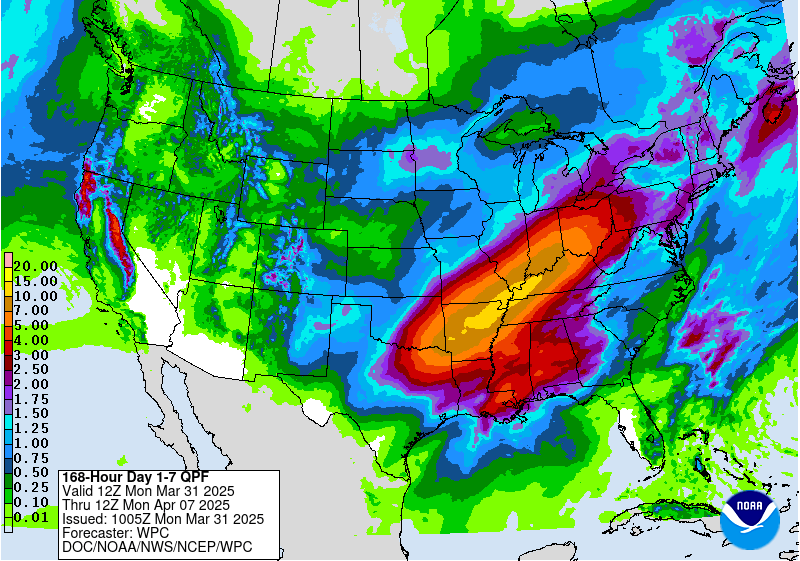
Pretty active pattern setting up this week in terms of multiple opportunities for rainfall, so hopefully can start chipping away at the established drought conditions in the SE part of the state. Despite that, the focus of the heaviest QPF is squared in the Ohio and Mid Mississippi Valley. Significant flooding appears a pretty good possibility there. Those are some pretty prolific QPF numbers in the bullseye, even over a 7 day period.
-
If I’m being honest the politics getting into the discussion was about the only thing in here that really made me feel any kind of way as far as getting heated. Not because it was brought up or necessarily from the differences in opinion but simply because the topic was beyond having a reasonable discussion, which obviously is a thing that goes way beyond the small confines of our subforum. I’ll refrain from rehashing further on that. Otherwise I feel the “discourse” in here is fairly tame compared to some of the stuff that occasionally flares up in the bigger subforums IMO. It’s obviously anyone’s choice whether they want or need to step aside and take a break and such, but I certainly don’t feel it’s necessary for anyone in here to do so from anything that’s been said recently. Hope everything works out for you.
-
KUNV had a peak gust of 64 mph, KJST 63mph.
-
Power has now gone out after the fact. At least a couple trees came down in the woods around my parents house up the road in Bellwood.
-
The wind part was quick but it was legit. Power flashed off at the height of the winds so unsure of the gusts, but definitely was easily of the severe variety. Had some pea sized hail as well.
-
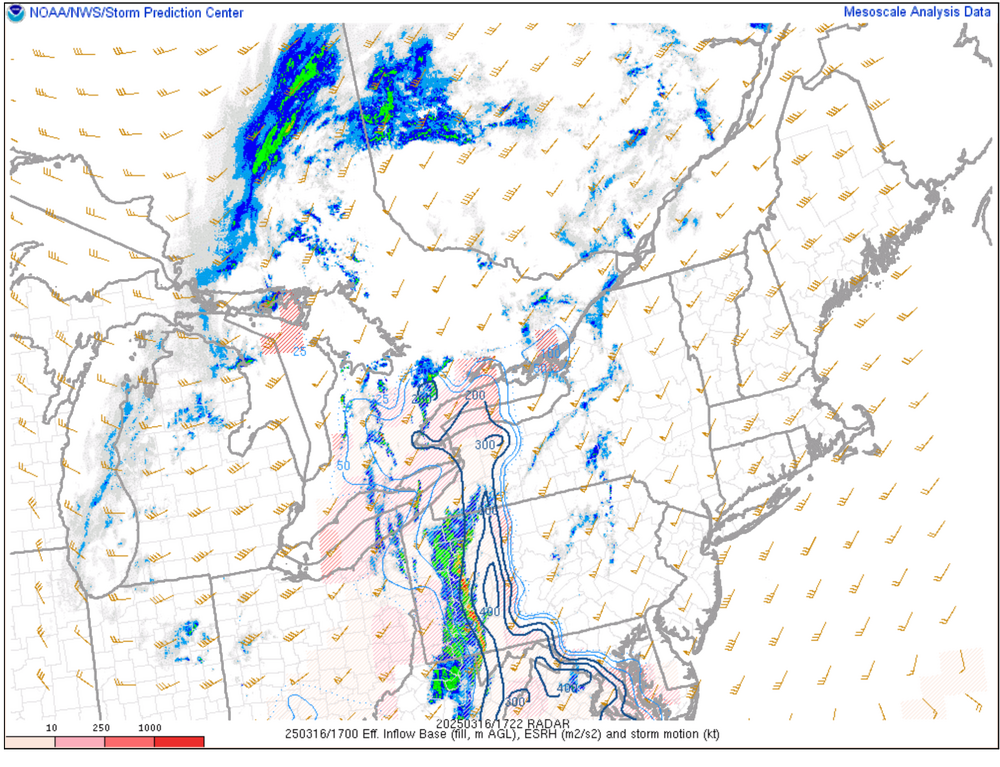
Looking at mesoanalysis, dynamics are definitely the big factor in the severe threat from this line. Effective helicity is pretty notable in a narrow corridor of west central PA just ahead of the line. Same goes for effective bulk shear as well. Limiting factor is CAPE, which is only of the few hundred J/kg variety in western PA. Thus, QLCS spinups are quite possible directly associated with the line given significant helicity/shear. Eastern PA still pretty stable, so we shall see how the atmosphere evolves as the line traverses PA. We’re def in the warm sector here. Quite warm/humid considering the date (66/58ºF on the station here). Winds are really ripping. KAOO wind is SSE 33mph gust to 45 with a high gust of 55mph.
-
Multiple tornado warnings with the portion of the line in western PA roughly from Ligonier to Indiana
-
If you use mobile you might not see it but there’s a sidebar that shows stuff like most popular posts and days as well as the top 4 posters in the topic. Bubbler and ITT are #1 and #3. Blizz and mitchnick are the other two. Mitch has been posting in the Mid-Atl threads and there hasn’t been much snow digital or otherwise for blizz to share. Definitely a dynamic changer for sure. Those 4 combined account for like 44% of the posts in this thread haha. Also, despite the general winter is dead theme today..it’s probably not going to be dead for you tonight. I expect at least some of that precipitation in northern Ohio and western PA to make it over as far as you and it’ll likely be mostly snow. Nothing serious but could be a quick coating. Not much is progged to make it past the I-99 corridor in the rest of C-PA otherwise.
-
0.61” here with this morning’s round of rain. Best dynamics in terms of shear/helicity/high winds aloft reside with the main area of heavy rain (with imbedded line) traversing Eastern PA currently. I think severe potential is there but limited with secondary development of storms late this afternoon in the dry slot. Western PA has built up surface CAPE of several hundred J/kg back in the dry slot per mesoanalysis and some decent LI and low level lapse rates which has led to some storm development. I think the main threat is mainly sub severe gusty winds/hail with the potential for some more organized storms strong enough to warrant a few warnings as winds aloft aren’t quite as strong there. Tornado threat not zero but very unlikely IMO. Best helicity as mentioned is associated with the main stuff moving through eastern PA. Modeled CAPE on high res guidance going into this evening is best in western PA decreasing to not very much once to the Sus Valley. Thus I think main threat is a round or two of gusty showers/storms with maybe a warned storm or two.
-
Made it up to 60ºF here.
-
Well, the 18z GFS just did it again.
-
The only period I’m semi-interested in for anything wintry for the time being is that wave being progged in about the 3/7-8 timeframe, which comes on the heels of what likely will be a fairly potent GL cutter that will hopefully deliver some kind of decent rainfall in the eastern half of the state. Not expecting a phasing scenario so will have to see how the wave tracks across. 18z GFS tracking similar to the 12z Euro with the GFS a bit colder. One issue I’m already seeing progged is low level and surface temps could be an issue in the lower elevations like the Sus Valley if the wave delivers any kind of respectable precip to C-PA. After that we look to moderate significantly going into mid-month as despite the NAO forecast to go negative we counter with a pretty positive EPO and negative PNA. Major strat warming over the pole and a displacement/stretching of the stratospheric PV could eventually have implications down the road for late month, but of course you need more to go right storm wise and bigger - temp anomalies with respect to normal to remain in the snow game when you get to that late in the season. Climo wise CTP mentioned in their AFD today that MDT finished met winter (DJF) at 31.1ºF for average temp, which was 2.2ºF below normal. Good for the coldest winter since 2014-2015. Too bad that came with only 15.6” of snowfall, which is about 66% of average to date. Worse yet in the snow dept is Philly, only at 8.1” (42% of normal). Places like the deep Louisiana bayou country, New Orleans, Pensacola, etc have technically had snowier winters with that historic storm they got. Also underscores how dry that part of the state has been this winter as well as Philly is at 2.98” total precip YTD out of an average 5.99”. Driest was 1992 with 2.19”.