Ginx snewx Posted January 19, 2019 Share Posted January 19, 2019 8 minutes ago, CT Rain said: Yeah that's interesting. So often with ZR we start oozing above 32F and melting stuff before the wind kicks up. 94 redo in this sense. 9 to 29 to 0 Link to comment Share on other sites More sharing options...
dryslot Posted January 19, 2019 Share Posted January 19, 2019 8 minutes ago, Ginx snewx said: Oh 32.1 in 2010 was one never forgotten or even his Euro pay melt was a classic. This might be the burp runs that Scott Simard loved. Watch for a Messenger correction I wish Scott was still around to bang the RUC, Him and I had some great PM's, RIP Link to comment Share on other sites More sharing options...
CT Rain Posted January 19, 2019 Share Posted January 19, 2019 3 minutes ago, Ginx snewx said: Lol Ryan mentioned on TV rain here in Moosup, thanks. He brought them down. 0.0 on the ice now. Thank Scooter - it was the RPM lol I did say that I thought that was overdone with the north shift Link to comment Share on other sites More sharing options...
CT Rain Posted January 19, 2019 Share Posted January 19, 2019 5 minutes ago, ORH_wxman said: The front end thump really hasn't changed that much on these warmer runs aloft...the impact on them seems to be more after 06z there and 09z up here....how far north in penetrates. But it still keeps going in the 6-8" range here...occasionally a 10 spot from some guidance and seems to be consistently 4-6 down in N CT. The warmer runs seem to erode it more in S CT and then cut it back in N MA to S NH a bit. Yeah that's the thing - the thump hasn't changed much. Cut back a bit but still not anywhere close to a shut out. Link to comment Share on other sites More sharing options...
Ginx snewx Posted January 19, 2019 Share Posted January 19, 2019 Just now, CT Rain said: Thank Scooter - it was the RPM lol I did say that I thought that was overdone with the north shift Heard that, like you said 24 plus left, this is where HRRR should shine. Is the Nam fire nest still in use Link to comment Share on other sites More sharing options...
Bostonseminole Posted January 19, 2019 Share Posted January 19, 2019 Just now, Ginx snewx said: Heard that, like you said 24 plus left, this is where HRRR should shine. Is the Nam fire nest still in use I heard use the HRRR only up to 8hrs Link to comment Share on other sites More sharing options...
8611Blizz Posted January 19, 2019 Share Posted January 19, 2019 FWIW Harvey seems to think sleet is here in Boston by 2-3am Sunday. He brought a 2-4" slice up into Boston from the south coast. Link to comment Share on other sites More sharing options...
dryslot Posted January 19, 2019 Share Posted January 19, 2019 Maybe the uncle will save some now that he's in rehab. Link to comment Share on other sites More sharing options...
TauntonBlizzard2013 Posted January 19, 2019 Share Posted January 19, 2019 Boss is having us in early Sunday for snow removal. Trending towards not much right on the coast in Duxbury... plan is to be home with time to spare for the game Link to comment Share on other sites More sharing options...
Ginx snewx Posted January 19, 2019 Share Posted January 19, 2019 12 minutes ago, 8611Blizz said: FWIW Harvey seems to think sleet is here in Boston by 2-3am Sunday. He brought a 2-4" slice up into Boston from the south coast. From a foot? Link to comment Share on other sites More sharing options...
ORH_wxman Posted January 19, 2019 Share Posted January 19, 2019 Not gonna make it to the Euro tonight....but we're tossing inland low tracks for those that stay up. Link to comment Share on other sites More sharing options...
TauntonBlizzard2013 Posted January 19, 2019 Share Posted January 19, 2019 16 minutes ago, 8611Blizz said: FWIW Harvey seems to think sleet is here in Boston by 2-3am Sunday. He brought a 2-4" slice up into Boston from the south coast. Looks like he took em down pretty significantly just based on what people said earlier. 8–12 now confined to Worcester and points NW Link to comment Share on other sites More sharing options...
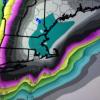
dendrite Posted January 19, 2019 Share Posted January 19, 2019 NAM vs GFS at 36hr for ASH. Link to comment Share on other sites More sharing options...
40/70 Benchmark Posted January 19, 2019 Author Share Posted January 19, 2019 54 minutes ago, RUNNAWAYICEBERG said: Ray better wear a helmet and a jockstrap tomorrow. Why? Link to comment Share on other sites More sharing options...
Ginx snewx Posted January 19, 2019 Share Posted January 19, 2019 2 minutes ago, ORH_wxman said: Not gonna make it to the Euro tonight....but we're tossing inland low tracks for those that stay up. Get some sleep see ya around 1230 Link to comment Share on other sites More sharing options...
dryslot Posted January 19, 2019 Share Posted January 19, 2019 Uncle NW as well Link to comment Share on other sites More sharing options...
Whineminster Posted January 19, 2019 Share Posted January 19, 2019 32 minutes ago, CT Rain said: Yeah that's interesting. So often with ZR we start oozing above 32F and melting stuff before the wind kicks up. The wind kinda helps knock the ice off the trees.....like if you took a stick and shook it, the ice fractures and falls off. And then if it's even slightly windy during the storm, ice doesn't accumulate really. Link to comment Share on other sites More sharing options...
dendrite Posted January 19, 2019 Share Posted January 19, 2019 1 minute ago, Whineminster said: And then if it's even slightly windy during the storm, ice doesn't accumulate really. That isn't true at all Link to comment Share on other sites More sharing options...
Morch Madness Posted January 19, 2019 Share Posted January 19, 2019 UKIE takes low just south of BOS Link to comment Share on other sites More sharing options...
8611Blizz Posted January 19, 2019 Share Posted January 19, 2019 Harvey dropped Boston from 6-12" to 2-4" but he has 4-8" pretty close like say where I am or at least to Arlington. Link to comment Share on other sites More sharing options...
ORH_wxman Posted January 19, 2019 Share Posted January 19, 2019 2 minutes ago, dendrite said: That isn't true at all I was about to go to bed, but felt obliged to post this pic from 2008 with 20 knot winds. Link to comment Share on other sites More sharing options...
OceanStWx Posted January 19, 2019 Share Posted January 19, 2019 9 minutes ago, ORH_wxman said: Not gonna make it to the Euro tonight....but we're tossing inland low tracks for those that stay up. Tossing them right into the forecast package? Link to comment Share on other sites More sharing options...
bristolri_wx Posted January 19, 2019 Share Posted January 19, 2019 1 hour ago, Typhoon Tip said: In trying to analyze if this arctic boundary is trying to jilt us ... if it's backing off in subtle amounts it might account for this warming profile. Is this the problem? Using GFS here, but at 850 winds are already either west or south west, and this is at 18Z Sat. Wouldn't we need a little more of a more northerly component, at least up in northern New England, to prevent the warmup? I honestly don't have the skill set to understand if what is depicted (it might not even be the right map to illustrate this) is either a cause or an effect as to why the models keep churning out more warmth than expected. But it seems that arctic high is more strung out west to east in terms of influence on the models, and that's why that low is allowed to barrel farther north than what we would normally expect. I'll be honest I agree that things "just don't look right" compared to what we would normally see but I couldn't tell you why, lol. Link to comment Share on other sites More sharing options...
Ginx snewx Posted January 19, 2019 Share Posted January 19, 2019 8 minutes ago, Whineminster said: The wind kinda helps knock the ice off the trees.....like if you took a stick and shook it, the ice fractures and falls off. And then if it's even slightly windy during the storm, ice doesn't accumulate really. Wind aids in evaporative cooling. Swaying trees and power lines much more tendency to break. It has the opposite effect Link to comment Share on other sites More sharing options...
78Blizzard Posted January 19, 2019 Share Posted January 19, 2019 Ukie goes right thru Central CT. Link to comment Share on other sites More sharing options...
dryslot Posted January 19, 2019 Share Posted January 19, 2019 Some trimming along the edges coming. Link to comment Share on other sites More sharing options...
Whineminster Posted January 19, 2019 Share Posted January 19, 2019 2 minutes ago, ORH_wxman said: I was about to go to bed, but felt obliged to post this pic from 2008 with 20 knot winds. That was taken the day after all the ice fell....soooo no. Link to comment Share on other sites More sharing options...
Ginx snewx Posted January 19, 2019 Share Posted January 19, 2019 1 minute ago, Whineminster said: That was taken the day after all the ice fell....soooo no. Your post is void of science Link to comment Share on other sites More sharing options...
ORH_wxman Posted January 19, 2019 Share Posted January 19, 2019 1 minute ago, Whineminster said: That was taken the day after all the ice fell....soooo no. Lol the entire event had NE winds gusting to 20-25 knots. Link to comment Share on other sites More sharing options...
40/70 Benchmark Posted January 19, 2019 Author Share Posted January 19, 2019 3 minutes ago, dryslot said: Some trimming along the edges coming. All good in my hood. 00z GFS and GEM still both give me 10", then a ton of sleet. I'm doing final tomorrow at the gtg, but thinking of switching from 8-14" to 8-12". Link to comment Share on other sites More sharing options...


Recommended Posts
Archived
This topic is now archived and is closed to further replies.