All Activity
- Past hour
-
Yes, it is. Not as torch as it could be though.
-

2026-2027 Record-breaking El Nino
GaWx replied to Stormchaserchuck1's topic in Weather Forecasting and Discussion
Yes and no because the official ENSO strength is determined by Nino 3.4, which is what we’re referring to, rather than other regions. So, in terms of official strength, it technically is coming in weaker than these overshooting models. At the same time, it has become more E based than the models had due to the E regions coming in stronger. -
This is why the green clean energy inititiave is flawed, as in trying to push everything electric and wind/solar. Where are the decreased costs promised from wind/solar? States like MA claim to be more green energy and yet look what is happening. All the green energy should help keep electric costs down despite higher oil prices, but do you see that happening? We keep being told it will come down, but it doesn't So having other sources available such as NG, coal, diesel, and even all the way back to wood are good to have. Why should the population be constrained to one type energy (electric), which is being pushed by certain powers. Having options allows one to budget better and reduces personal costs. Also, it prevents a single point of failure, like when the power goes out. You still have NG, coal, diesel, and wood as options to help get by. In the end, that's what matters to people. Virtual signaling about "saving the planet" goes out the window when you are struggling to pay bills to heat your home. When push comes to shove to provide the absolute basics for you and your family, this will override anything else. So stock up on wood to alleviate high energy costs!
-

2026-2027 Record-breaking El Nino
OSUmetstud replied to Stormchaserchuck1's topic in Weather Forecasting and Discussion
The overshooting in forecasts is because the SST anomalies are farther east, not because the Nino is weaker. Both BOM and ECMWF SST anomaly forecast has been excellent and if anything undershooting the SSTs in Nino 3. -
That event was cool. Couldn't do it BOS S for the Oct 2011 monster, but a kinda MEH system made for the biggest snowstorm and snowfall in Oct for many locations ern MA and RI. But then @CoastalWx immediately thought of what happened after Oct 2011 for the winter...worst ev-A! So his excitement was quickly quelled!
-
Cue forky
-
Usually, BDFs are not good tstms producer, at least for eastern sections. Once they get to the CT Valley, things do much better.
-
Is this the reason why MOS only reports sky cover forecast <12kft? That's one thing I like about NBM...I believe it accounts for higher clouds and will do much better at the sky cover forecasts. Though I think the NBM can sometimes be a bit too aggressive
-
 https://fronteracaredirect.com/# mexico pharmacy ship to us
 -

E PA/NJ/DE Autumn 2026 Obs/Discussion
Birds~69 replied to PhiEaglesfan712's topic in Philadelphia Region
Good night to grab a glass of whiskey and stare at the moon... 51F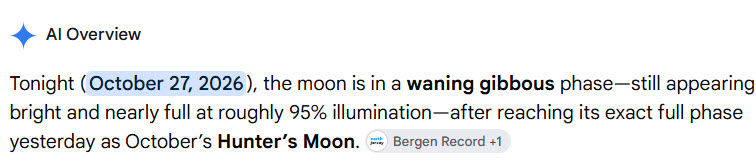
- Today
-
My only concern is even if we see it, to get cold enough for snow will be confined to the higher elevations and if the PV gets stronger after, it will make it even more tough to get cold with the super strong niño. Unless this SSW debunks going trends, which i hope it does
-
canadian pharmacy drugs online or best canadian pharmacy canadian pharmacy world http://www.victoirefrance.fr/expire.aspx?Returnurl=https://canpointerx.shop/ best rated canadian pharmacy or https://boyerstore.com/user/rqfumloaqm/?um_action=edit canadian pharmacy legit [url=https://forums.pangolin.com/proxy.php?link=https://canpointerx.shop]canada pharmacy store[/url] canadian pharmacy ratings or [url=https://cyl-sp.com/home.php?mod=space&uid=208829]canadian pharmacies that ship to usa[/url] legit canadian pharmacy
-
Not for people who like nice weather.
-
I have told people that I would expect a wet winter, at minimum, for the region. Snow or no will come down to timing of cold air shots and hopefully some high latitude blocking that can lock in eastern Canadian high pressure. We could easily miss everything and get cold rain, but this season will have one of the better opportunities for precipitation in a long while with the southern jet likely to be very active for months.
-
This would be pretty insane to see occur this early. Wow
-
buying prescription drugs in mexico: FronteraCareDirect - mexico prescription online
-
The perfect cliche of….A Cold November Rain. So appropriate.
-
2026-2027 Record-breaking El Nino
BuffaloWeather replied to Stormchaserchuck1's topic in Weather Forecasting and Discussion
Quality content in here today. A+ -
My sense was no lol
-
62 today. Really an incredible month
-

2026-2027 Record-breaking El Nino
LibertyBell replied to Stormchaserchuck1's topic in Weather Forecasting and Discussion
I think we're in a cyclic dry pattern now. 65-66 72-73 and even a non nino like 01-02 would be my analogs That won't stop next summer from being a very hot and dry summer. Told you Ray lol This is exactly why rainy winter forecasts are in trouble. I see similarities to 01-02. Non nino analogs like 01-02 also come into play. Below normal in the south because it's cloudy not because there's any arctic air around. Cyclical is why I use 65-66 and 72-73 as analogs and even a non nino analog like 01-02 because we entered a drier pattern in 2024. That kick started the dry pattern in 2024 It actually goes with 2001 fairly well It should be just like it is right now. Mild and sunny not rainy. Dont be so sure, the STJ can be suppressed like it was in 65-66 and 72-73. We are starting a new drier pattern. 2024 was the first sign. They did not forecast the eastern dryness either Yes. 5c warmer, there is a search for earth like planets like this they are called superhabitable. So far one has been found but it's 1100 light years away. Yes and we already had a cold snowy winter last year. Why do these people need one every year? That's partially true. However he's right astronomers consider earth like planets 5c warmer to be superhabitable. People will have to move away from the coast anyway and the government will stop new developments there and insurance companies won't cover it. There is a strong risk of suppression. And also 95-96 and 10-11 la ninas after El ninos are the best for hot summers and snowy winters which is why they go together. Yes this reminds me of the 2004 ALCS 19-7 loss by the Red Sox. Look what happened after that. After the 23-24 we kick started a very dry pattern dont be surprised if history repeats itself Chris. Yes which is exactly why some non nino analogs should also be looked at. -
Is she going to go? I do believe making her go to that game could be considered abuse of some kind.
-
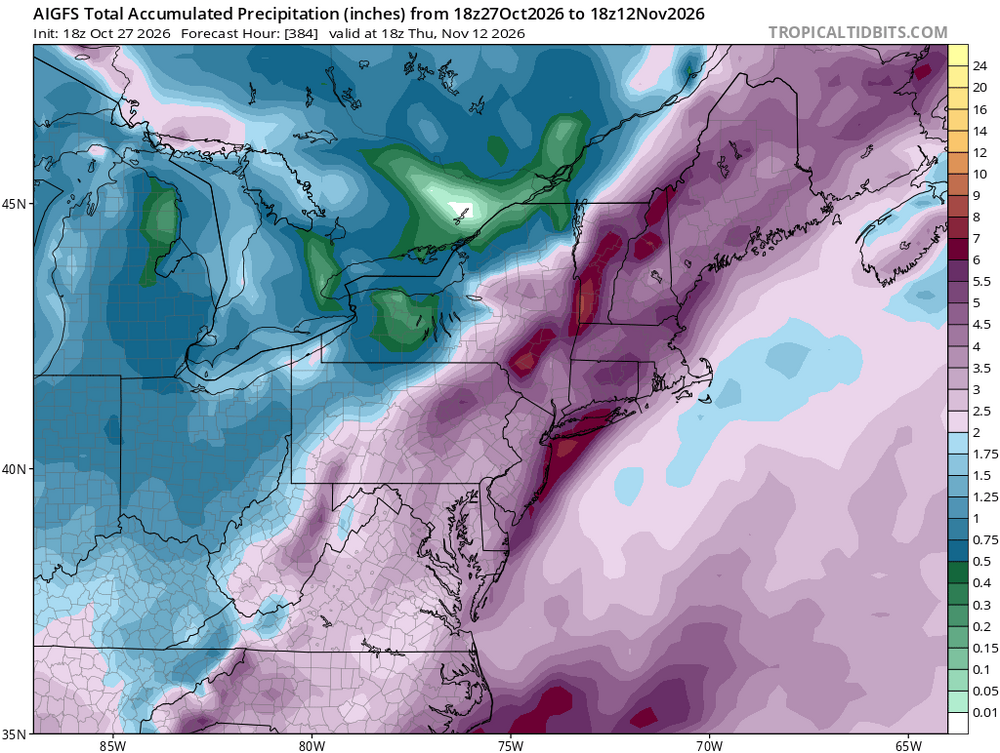
These would be some nasty cold rains if they work out.
-

2026-2027 Fall/Winter Mountain Thread
franklin NCwx replied to BlueRidgeFolklore's topic in Southeastern States
Its looking great in the southern mtns at 2500 and below -
Just cocked up