All Activity
- Past hour
-
 mexico pharmacy list: FronteraCare Direct - mexico pharmacy order online birth control
 -
In a normal, non-chaotic climate zone I’d say may fits the bill 9 times out of 10..but ya never know what you’re gonna get in this misty, coastal zone of madness in what should normally be a beautiful month.
-
mexican pharmacy for prescription drugs: cheapest mexican prescription drugs - order antibiotics from mexico
- Today
-

October 2026 general discussion
Prismshine Productions replied to Typhoon Tip's topic in New England
How to make all of Eastern Mass be pissed off: Sent from my SM-S176V using Tapatalk -
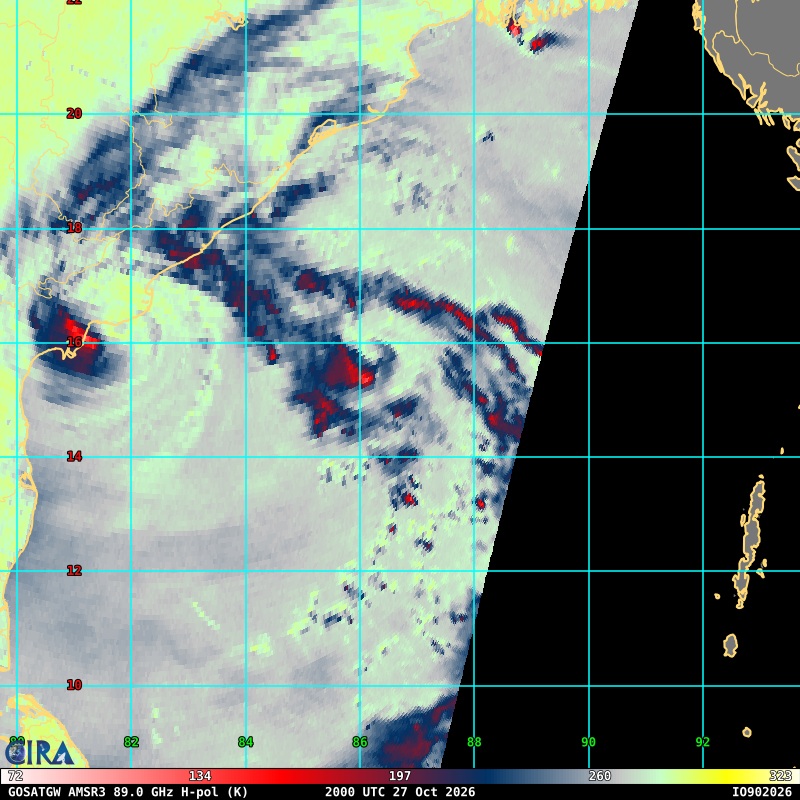
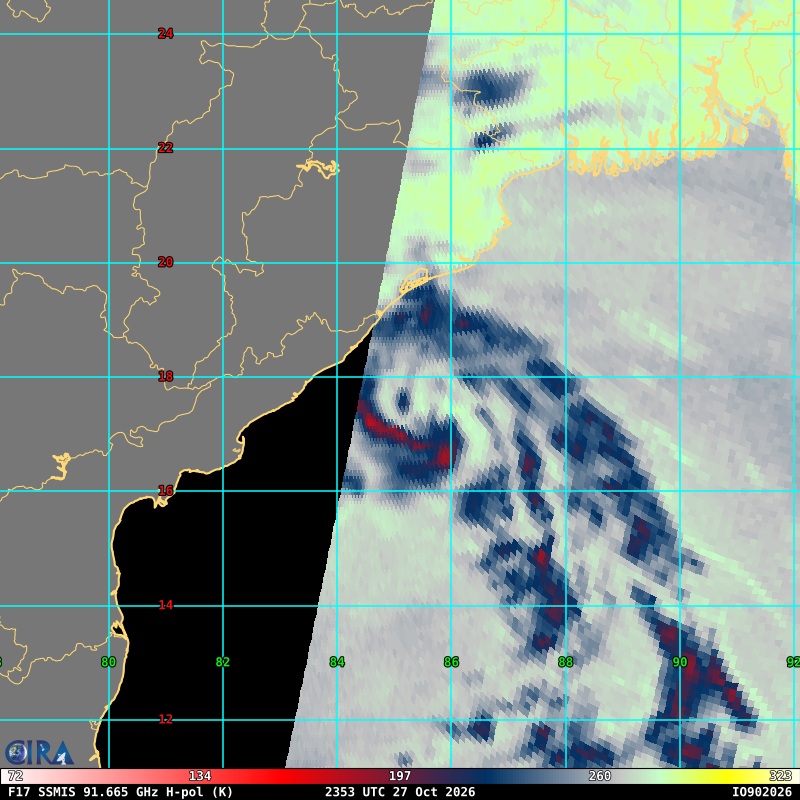
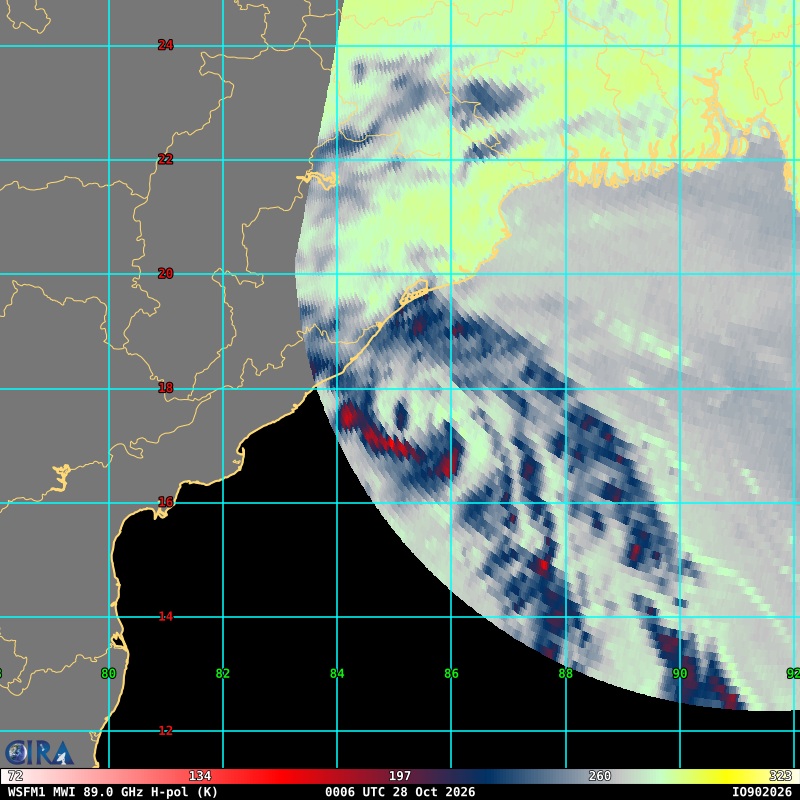
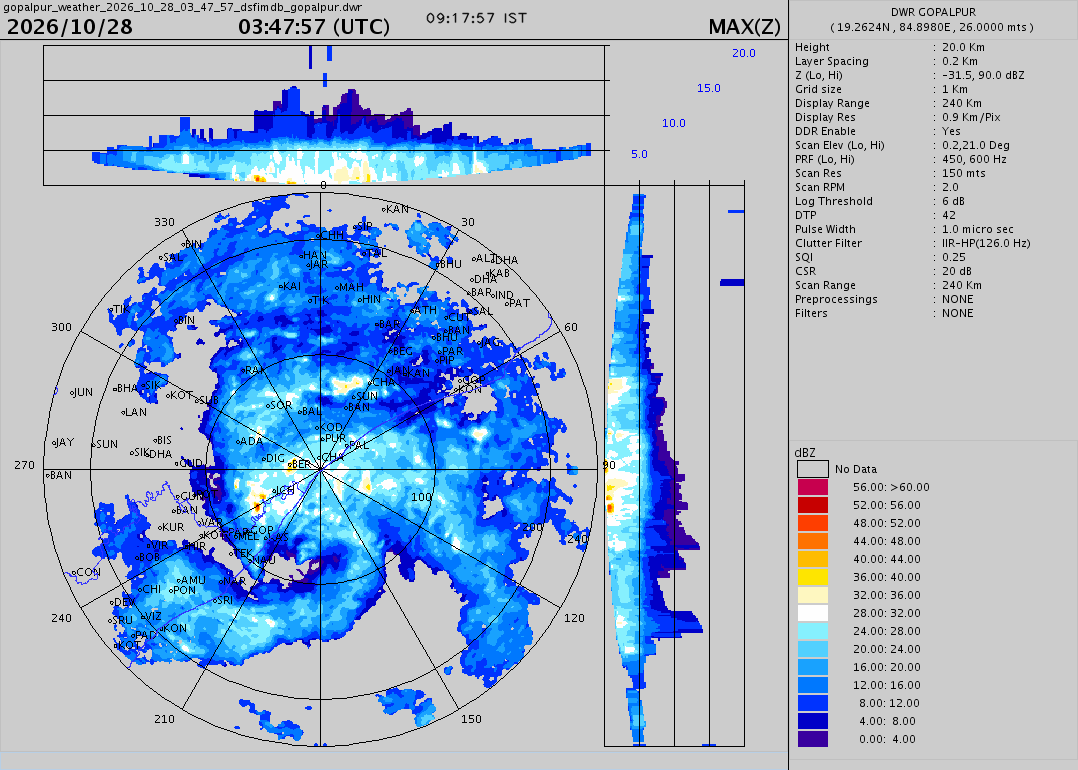
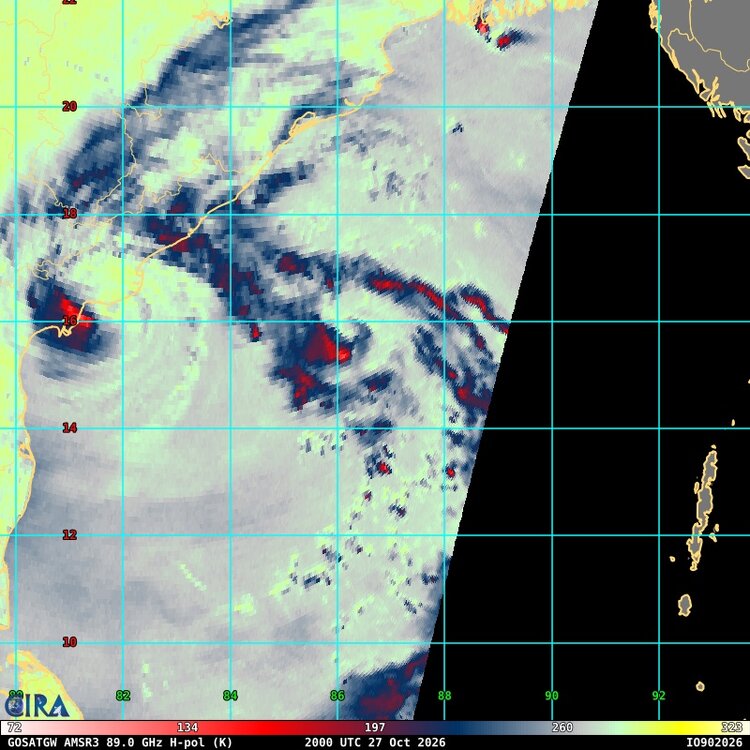
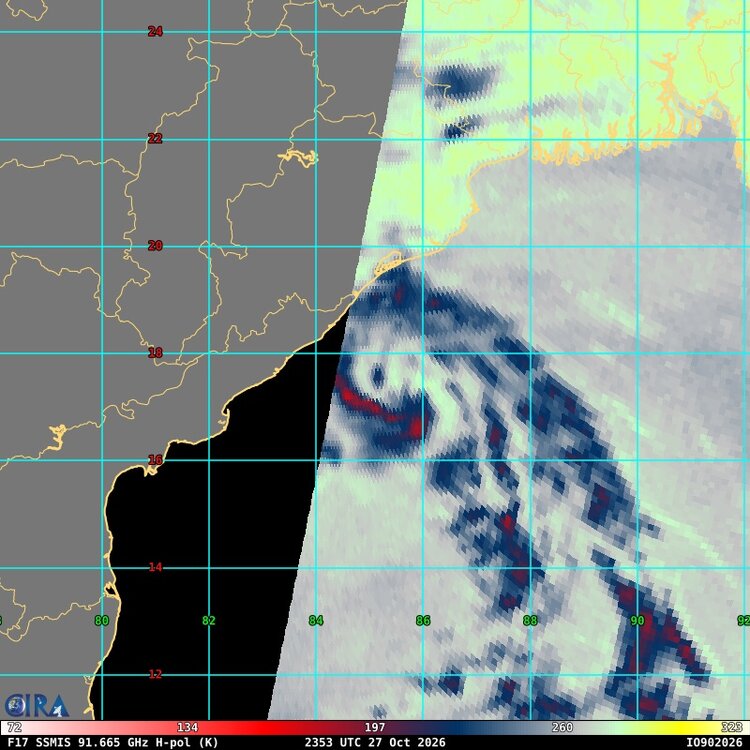
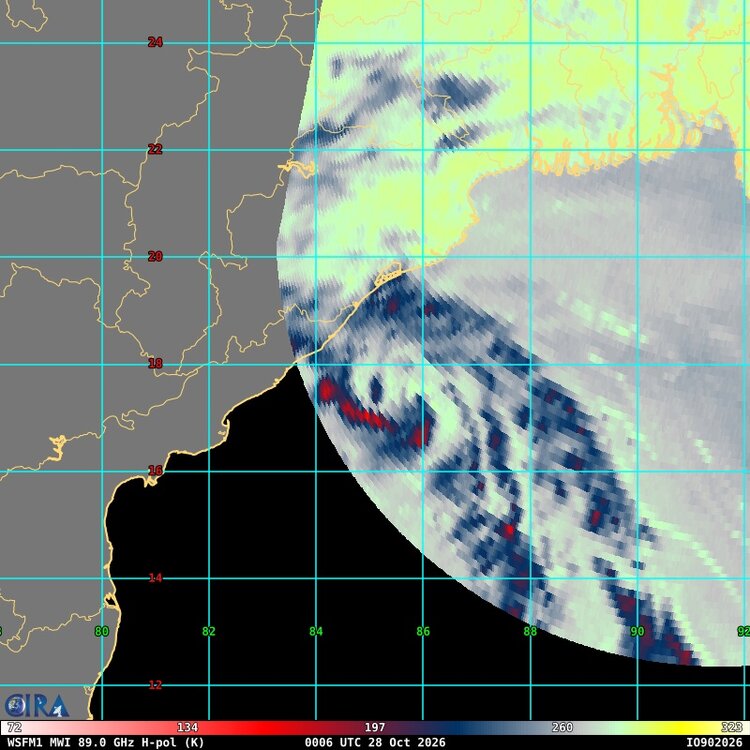
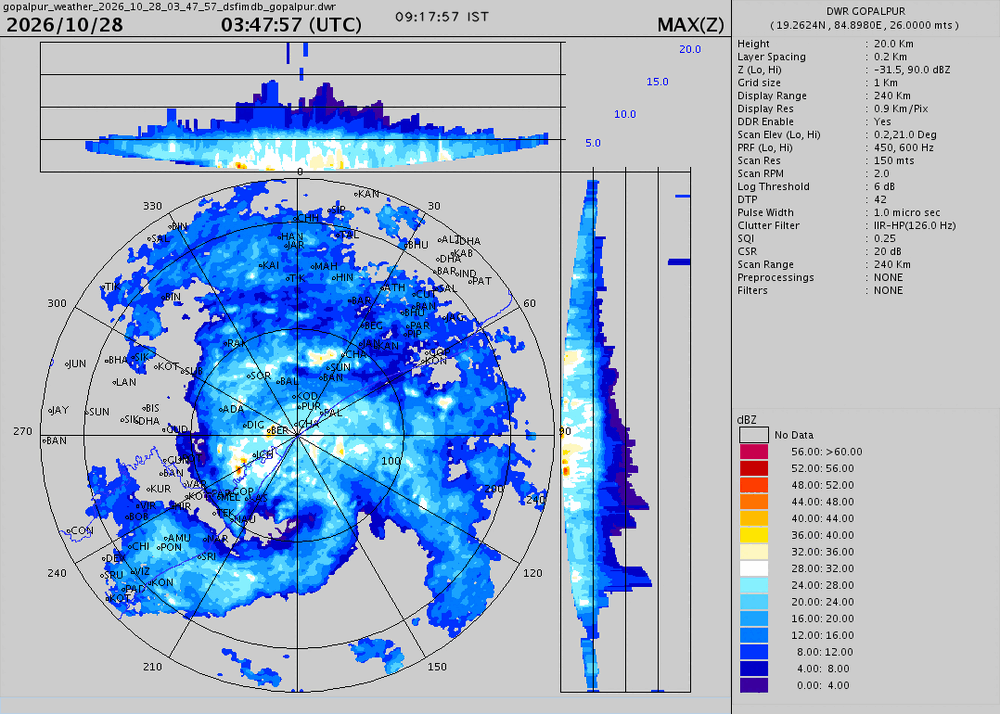
 It seems the disturbance NE of Arnab (90B) has quite the organization and IMHO is a minimal TS as it is about to make landfall as I type this. 3 microwave passes since 27/2000z clearly show a well-defined center w/ impressive curved banding (attached). Nascent CDO w/ cloud tops as cold as -87 C and a fairly quick NW motion would support minimal TS-force winds. Radar shows a well-defined system at landfall. Look a the amended 03z TWO update from JTWC. See below. "Dissipated?" I find that disingenuous and a lie. Yes, I know JTWC is not the RSMC and IMD takes care of it, but it just goes to show the issues outside NHC's AOR w/ "shorties" not counted still these days. And sometimes they are not just weaksystems these shorties! Either way, locally there would be sig impacts where 90B makes landfall. Is that not important? If this was NHC AOR, they would have declared it a TC, and I would agree 100%. It is what it is! ABIO10 PGTW 280300 MSGID/GENADMIN/JOINT TYPHOON WRNCEN PEARL HARBOR HI// SUBJ/SIGNIFICANT TROPICAL WEATHER ADVISORY FOR THE INDIAN OCEAN REISSUED/280300Z-281800ZOCT2026// REF/A/MSG/JOINT TYPHOON WRNCEN PEARL HARBOR HI/280152ZOCT2026// AMPN/REF A IS A TROPICAL CYCLONE WARNING.// RMKS/ 1. NORTH INDIAN OCEAN AREA (MALAY PENINSULA WEST TO COAST OF AFRICA): A. TROPICAL CYCLONE SUMMARY: (1) AT 28OCT26 0000Z, TROPICAL CYCLONE 02B (ARNAB) WAS LOCATED NEAR 16.2N 81.6E, APPROXIMATELY 543 NM SOUTHWEST OF KOLKATA, INDIA, AND HAD TRACKED SOUTHWARD AT 02 KNOTS OVER THE PAST SIX HOURS. MAXIMUM SUSTAINED SURFACE WINDS WERE ESTIMATED AT 65 KNOTS GUSTING TO 80 KNOTS. SEE REF A (WTIO31 PGTW 280300) FOR FURTHER DETAILS. (2) NO OTHER TROPICAL CYCLONES. B. TROPICAL DISTURBANCE SUMMARY: (1) THE AREA OF CONVECTION (INVEST 90B) PREVIOUSLY LOCATED NEAR 17.7N 85.1E HAS DISSIPATED AND IS NO LONGER SUSPECT FOR THE DEVELOPMENT OF A SIGNIFICANT TROPICAL CYCLONE IN THE NEXT 24 HOURS. (2) NO OTHER SUSPECT AREAS. C. SUBTROPICAL SYSTEM SUMMARY: NONE. 2. SOUTH INDIAN OCEAN AREA (135E WEST TO COAST OF AFRICA): A. TROPICAL CYCLONE SUMMARY: NONE. B. TROPICAL DISTURBANCE SUMMARY: NONE. C. SUBTROPICAL SYSTEM SUMMARY: NONE. 3. JUSTIFICATION FOR REISSUE: DISSIPATED AREA IN PARA. 1.B.(1).// NNNN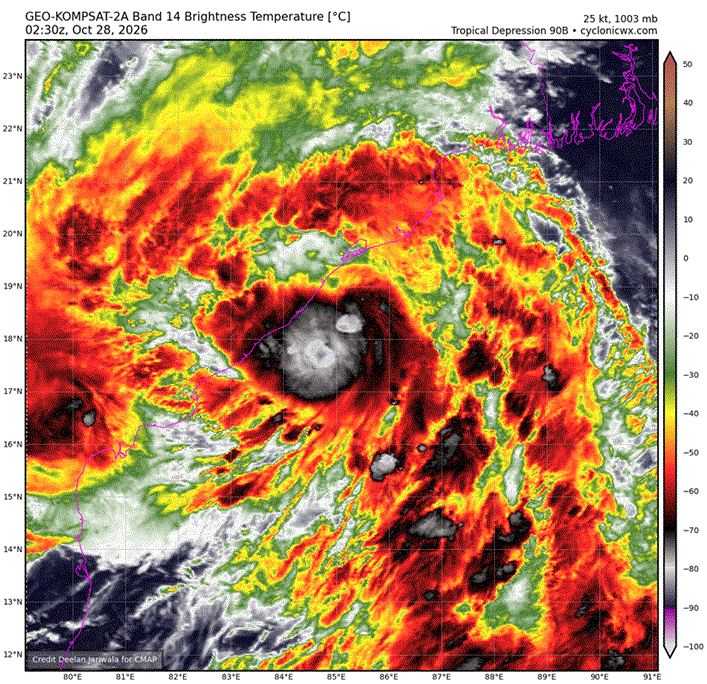
-
https://zenithindusrx.shop/# medication online
-
pharmacy mexico online: FronteraCareDirect - top 10 online pharmacies in mexico
-
Can we push that back about 48 hours for the GTA VI release?
-

2026-2027 Record-breaking El Nino
GaWx replied to Stormchaserchuck1's topic in Weather Forecasting and Discussion
Per Eric Webb: interesting I have a sneaking suspicion that the extreme eastward shift (& intensity) of this year's El Niño potentially has something to do w/ the unusually early stratospheric warming event that's being forecast. I also wonder if there's a theoretical point where we shift the Indo-Pacific Warm Pool so far east that we actually don't end up getting a massive torch in December in the SE US & we just haven't observed an El Niño event strong/eastward shifted enough to challenge this idea. Perhaps, the trough that's normally buried in the Desert SW in December of a "normal" strong-super Nino bleeds eastward into the SE US instead, mirroring the eastward shift in convection/stronger subtropical jet stream forced by the extreme eastward shift in the mean warm pool. There are certainly some significant unknowns/wild cards on the table w/ this winter despite the normally high predictive power that comes with strong El Niños. -
If there's anything we should've learned in recent years, it's that we can't fight the PAC. If it's a disaster, our winter here in the lowlands is a disaster. My head is rarely ever into the preseason winter forecasting stuff, but if I were to hazard a guess I'd say December is a blowtorch, early January many will have canceled winter, and then we see a decent stretch mid to late January into at least half of Feb. We'll have plenty of storm chances with the juiced STJ, so we just need to time things right to produce something.
-
WE NEED A KELVIN WAVE/KING TIDE Super Thread somewhere! Those king tides are demolishing California's coastal communities!
-
This mornings ECMWF has the first hints of a bigger snowstorm for you guys.
-
Let’s go Brewers! Hoping they win their first WS tonight.
-
drugstore online: ZenithIndus Rx - indian pharmacy shipping to usa
-
canadian pharmacy price checker and certified canadian international pharmacy canadian pharmacy world https://www.google.fi/url?q=https://canpointerx.com certified canadian pharmacyand http://jonnywalker.net/user/icahzouote/ canadian pharmacies shipping to usa [url=https://www.google.ht/url?sa=t&url=https://canpointerx.com]online canadian drugstore[/url] canadian drugstore onlineand [url=https://armandohart.com/user/uosnbqsxfo/?um_action=edit]canada pharmacy world[/url] best online canadian pharmacy
-
From Scott's fav wx movie, CLOUDY WITH A CHANCE OF MEATBALLS!
-
The very worst for @CoastalWx is when it is 39 F and rain all day!
-
when things are going great
-
Yes, I never liked CLR BLO 120. The reason for this is that in the vicinity of airports. clouds above 12,000 ft are irrelevant for take off and landing. ASOS was primarily designed for aviation, so you lost some things when it went from manual obs to ASOS. Like minutes of sunshine (report in the additive data once a day) and of course, snowfall/depth/LEQ on the ground at many first order climate sites. Cloud groups L-M-H (8/xxx) were lost as well. And no distinction between showery and synoptic pcpn anymore. And KEWL remarks like DRFTNG SNW, LTG types, and TORNADO/FUNNEL CLOUD, plus all shorts of unique remarks to describe a wx situation. I made a list back in the late 80s for many of them (I'll post it when I get it from my archives at home). Some I can recall. MOON DMLY VSBL (not something @CoastalWx likes b/c that mean diamond dust at 30,000 ft)! FQT LTG IN CB ACRFT MISHAP (accident at airport) DARK NW SUN DOG WET SNW HLSTO 3 INCH (I always liked that better than the METAR code that would just say "GR 3")! And when LTG was reported, they could actually see it at the airport. Now, many sites report LTG based on CG strikes with a range. LTG DSNT report means 10-30 mi away, but says nothing if anything was seen! TS reported when LTG is within 5 mi, but that does not mean thunder is actually heard at the location. Sure, many times, if a CG is 5 mi away, you will hear thunder, but not always due to atmospheric conditions. And how ASOS can not distinguish HZ from FU and DU . That is significant! An items lost due to METAR code? Svr tstm. If hail 1" or more was falling or a G50 kt or more. The code would be T+ in the SA code. Nothing like that exists for METAR format. Getting back to the CLR BLO 120. That is significant for nowcasting. Even a thin layer of high clouds coming in on a night w/ good rad cooling, that puts the breaks on it from realized its true bottom out potential. And just cloudy days. You can have entire day high OVC at 25k, and the ASOS would never know there were any clouds! Some AWOS now do have ceilometers that go above 12k ft.
-
2026-2027 Record-breaking El Nino
GaWx replied to Stormchaserchuck1's topic in Weather Forecasting and Discussion
Yes, they are by a good margin and that’s important. I’m not disagreeing at all and don’t think anyone is. I’ve pointed out a number of times about 26-7 being the most E based on record. But at the same time, we’re right to also point out that 3.4 is coming in weaker than progged, which is interesting and a fact and makes it even more E based but also means it’s coming in weaker officially. So, in future references to the official strength of the 2026-7 Nino, it appears it will not be as strong in the official table as what the Euro and BoM were predicting. -
 DCA _ NYC _ BOS _ ORD _ ATL _ IAH _ DEN _ PHX _ SEA +1.8 +1.3 +1.6 +2.4 +1.7 +1.3 +2.3 +1.6 +1
 -
October Results will be posted here but please post below for November forecasts. As a reminder we will do snowfall forecasts in December if folks are still interested. I will also just make sure people would like to still continue this into the new year. I will create a new thread for the future forecast competition and see if we can keep that pinned up top and use that for potential years to come. Please have forecasts in by 6z November 1st. I won't be around again until November 3rd so results will be delayed.
-

2026-2027 Record-breaking El Nino
OSUmetstud replied to Stormchaserchuck1's topic in Weather Forecasting and Discussion
This is not how the real word works though. The anomalous trades are causing the most east-based event on record. Pointing out that these models just have the peak SST anomalies 10, 20, or 30 degrees east of the Nino 3.4 is relevant and different than the whole event being weaker. -
Yes, it is. Not as torch as it could be though.
-
2026-2027 Record-breaking El Nino
GaWx replied to Stormchaserchuck1's topic in Weather Forecasting and Discussion
Yes and no because the official ENSO strength is determined by Nino 3.4, which is what we’re referring to, rather than other regions. So, in terms of official strength, it technically is coming in weaker than these overshooting models. At the same time, it has become more E based than the models had due to the E regions coming in stronger.