

donsutherland1
-
Posts
24,434 -
Joined
Content Type
Profiles
Blogs
Forums
American Weather
Media Demo
Store
Gallery
Everything posted by donsutherland1
-
JB's repeated high-profile forecasting failures are a sad closing chapter to his career. Almost certainly, he is aware of how badly he has been forecasting. From big snowstorms that never materialized to extreme Arctic blasts that never arrived, his Winter 2023-2024 forecasting was catastrophically bad. At this time, he should give serious and honest reflection as to where he is, how he got there, and next steps. He should keep in mind the importance of preserving his legacy and reputation, both of which are being battered his forecasting failures.
-
Congratulations on your forthcoming wedding.
-
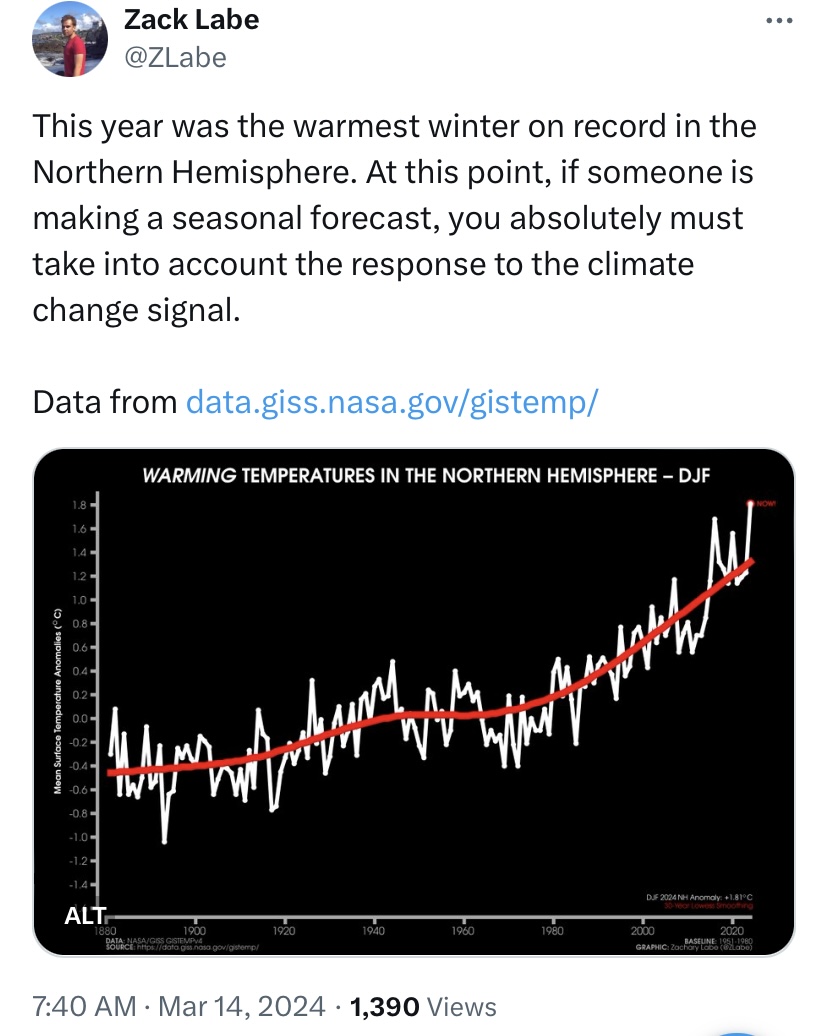
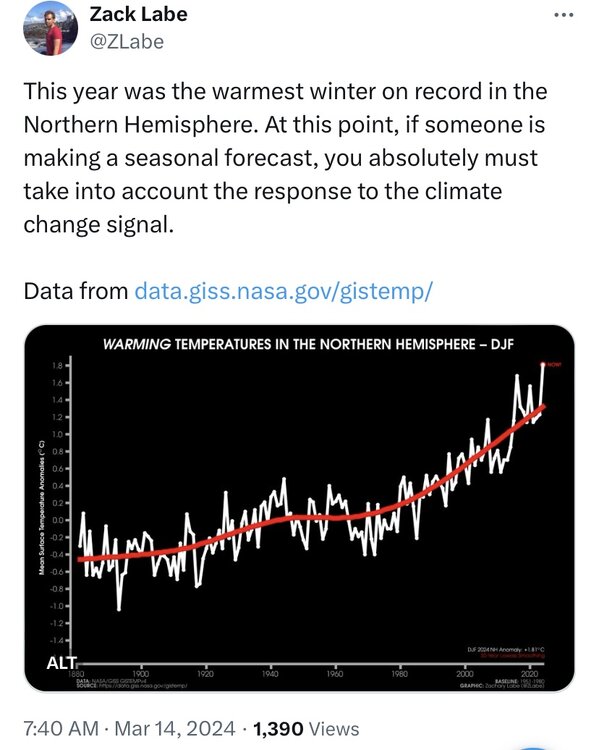
On seasonal forecasts: A shrinking cold pool renders old analogs from a colder climate increasingly less relevant. The shrinking pool of cold air has been documented in the literature. https://journals.ametsoc.org/view/journals/clim/28/9/jcli-d-14-00496.1.xml Climate change needs to be considered in seasonal forecasting. Otherwise, one will wind up with a cold bias in an increasingly warm world. https://x.com/ZLabe/status/1768240905331372274?s=20
-
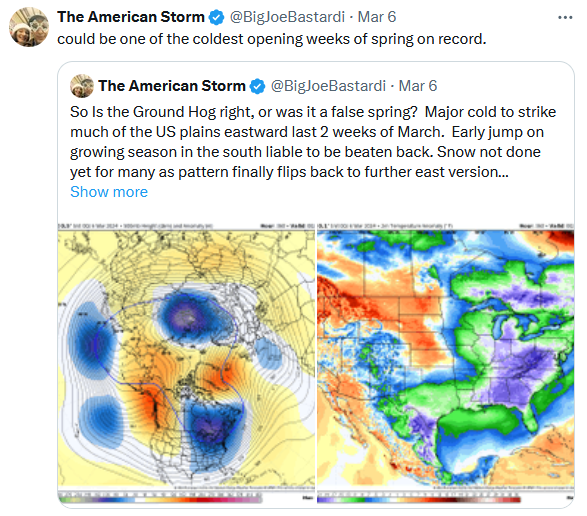
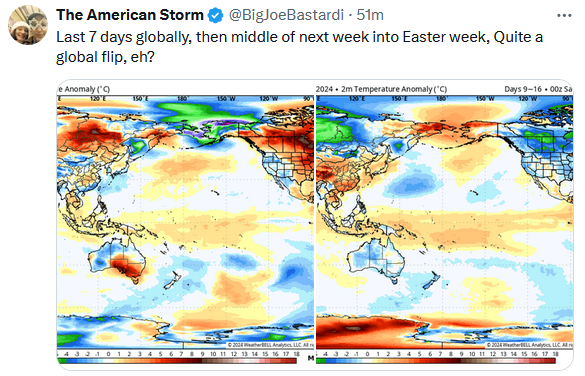
Sleight of hand: From this: To this: Notice the change in region being emphasized (from eastern North America to worldwide). The latest ensemble guidance shows nothing close to among the "coldest opening weeks of spring on record." Back in December, when it became clear that a forecast for a frigid December would not verify, the analogs were shifted (colder ones dropped and others added) to suggest that the forecast had been for a warm December in the East. In fact, the analogs had been posted on the Weatherbell final winter forecast, so one could find the change that had been made to try to evade a big forecast error.
-
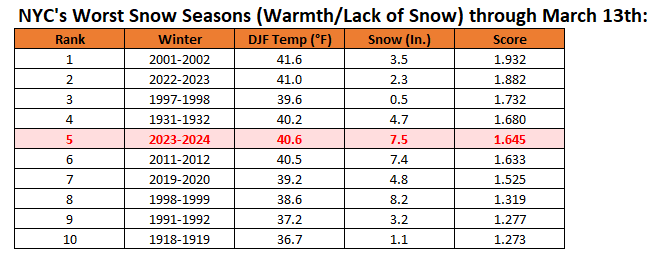
New York City's worst snow seasons (warmth and lack of snowfall) through March 13th:
-
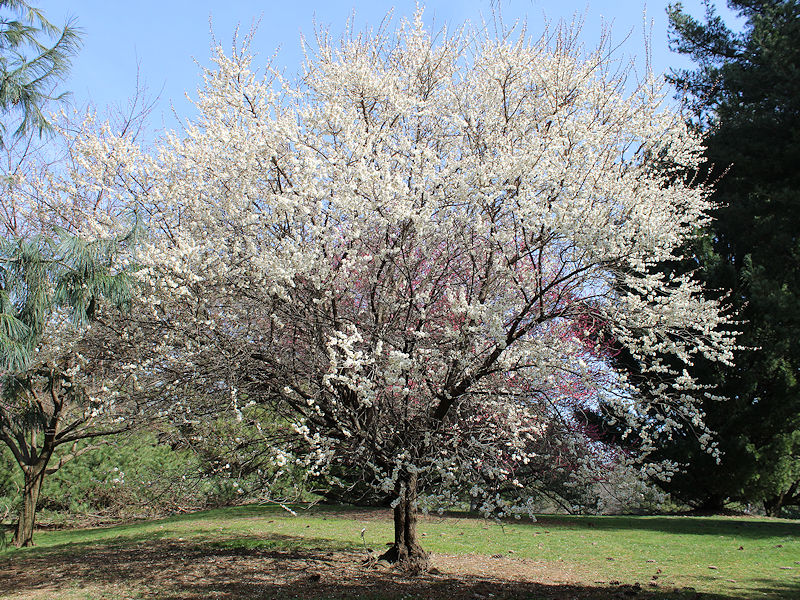
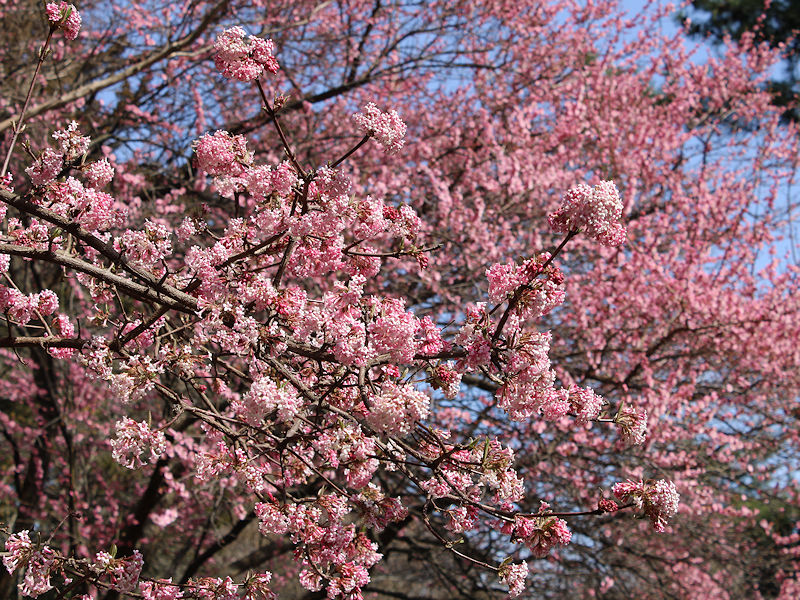
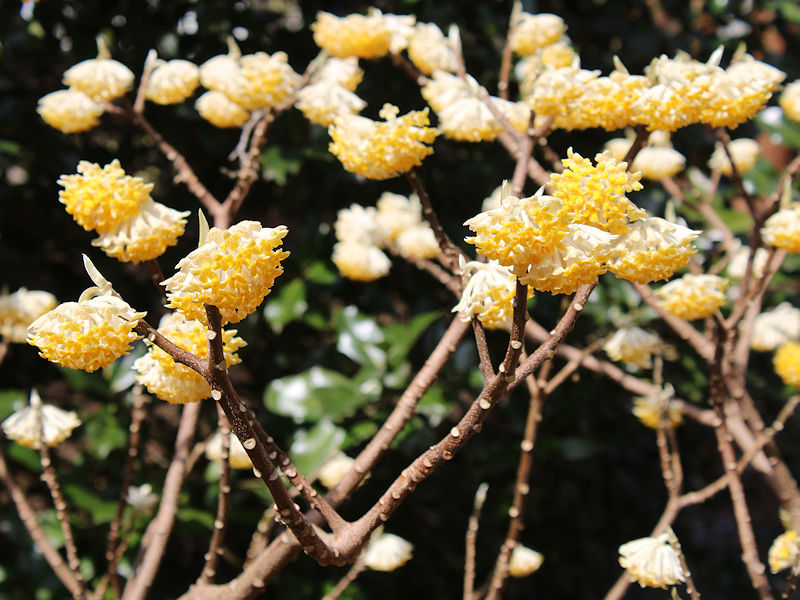
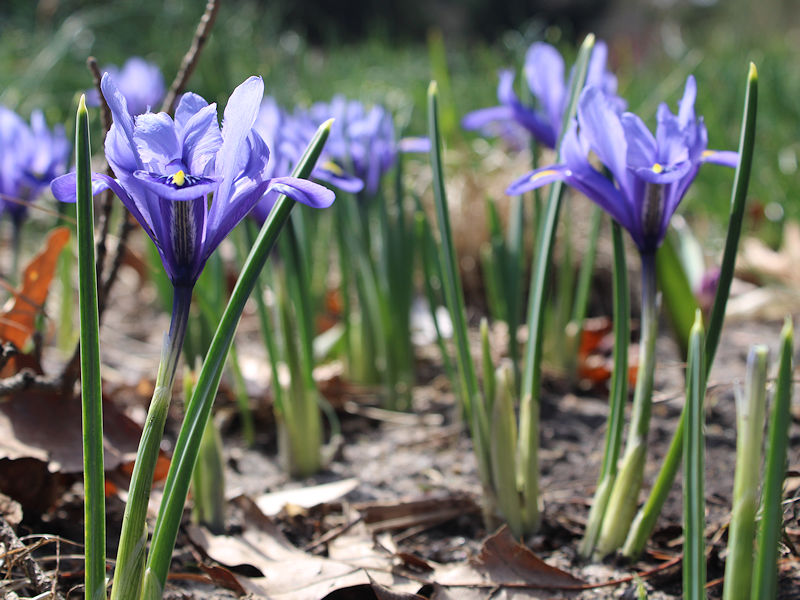
With the continuing warmth, more and more blossoms are overspreading the New York Botanical Garden.
-
A light sea breeze held readings in the lower 60s in New York City and 50s across parts of Long Island. Meanwhile the mercury rose into the 70s in Philadelphia to Washington, DC. The warmth will peak tomorrow through Friday with the temperature rising into the middle and upper 60s in the New York City area and middle and perhaps upper 70s from Philadelphia and southward. The generally mild conditions will persist through mid-month. There is good consensus on the guidance that a deep trough will likely develop just after mid-month. However, as has generally been the case this winter, no direct Arctic shots are likely. As a result, any cold will likely not be severe for the season and the potential exists for the cooler period to last one to perhaps two weeks, much as occurred in February. Any sharper cold shots will likely have a short duration. The closing days of the month could turn warmer. No significant snowfall appears likely in the northern Middle Atlantic region through at least March 20th. The probability of an unprecedented second consecutive winter with less than 10" seasonal snowfall in New York City's Central Park has continued to increase. Records go back to 1869. The ENSO Region 1+2 anomaly was +1.0°C and the Region 3.4 anomaly was +1.4°C for the week centered around March 6. For the past six weeks, the ENSO Region 1+2 anomaly has averaged +0.98°C and the ENSO Region 3.4 anomaly has averaged +1.53°C. A basinwide El Niño event is ongoing. The ongoing El Niño event will continue to fade during March. Neutral conditions could develop during the spring. The SOI was +4.26 today. The preliminary Arctic Oscillation (AO) was -1.048 today. Based on sensitivity analysis applied to the latest guidance, there is an implied 93% probability that New York City will have a warmer than normal March (1991-2020 normal). March will likely finish with a mean temperature near 46.8° (4.0° above normal).
-
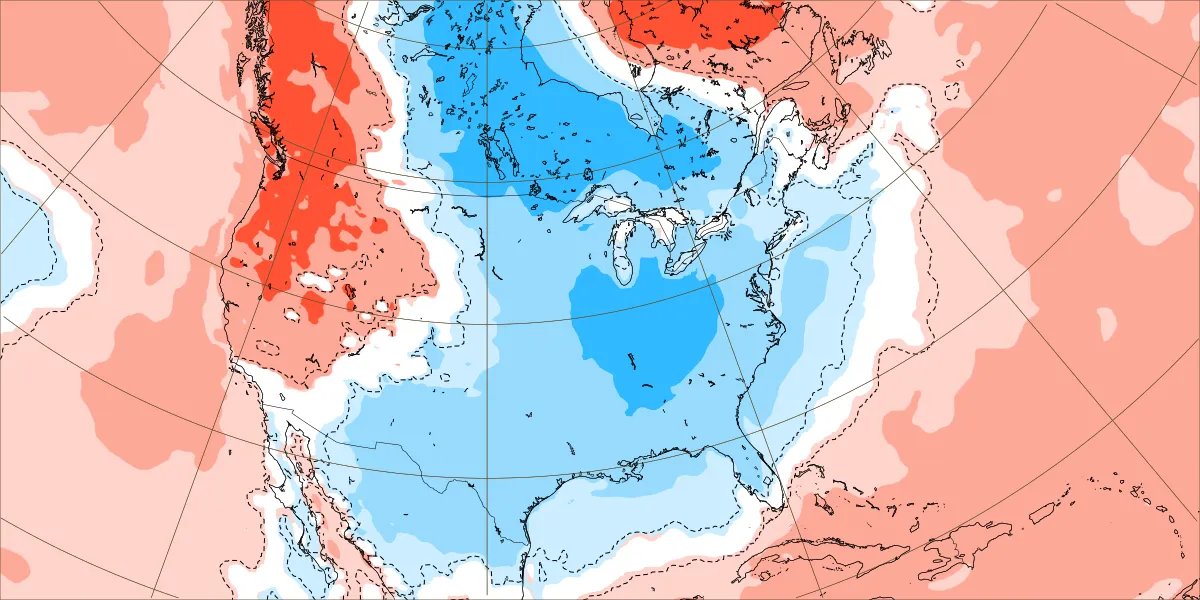
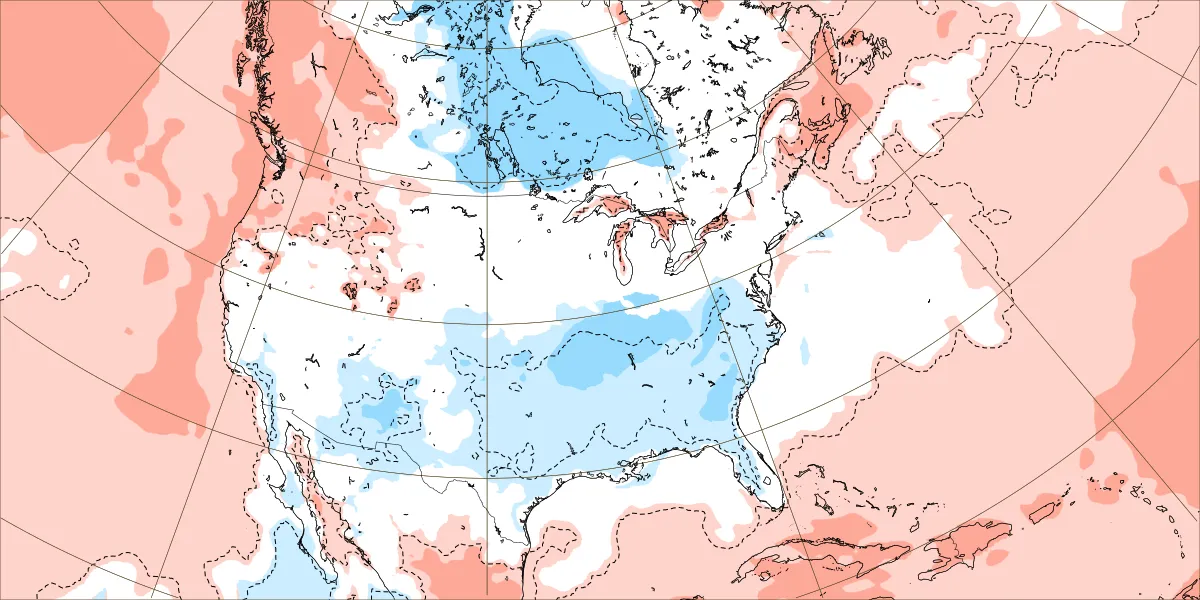
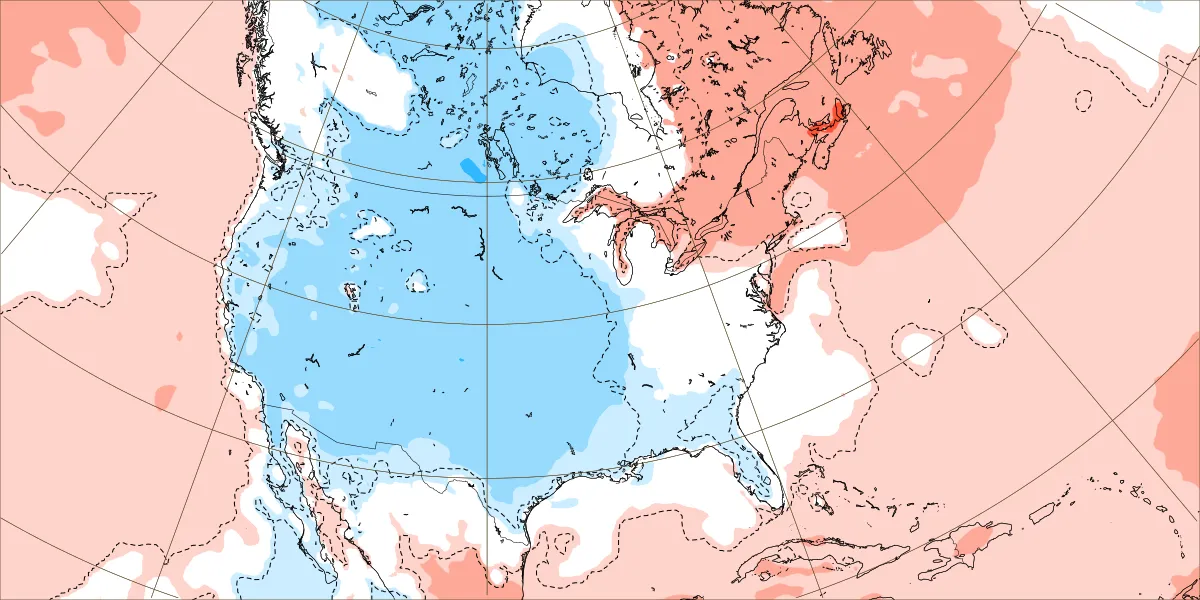
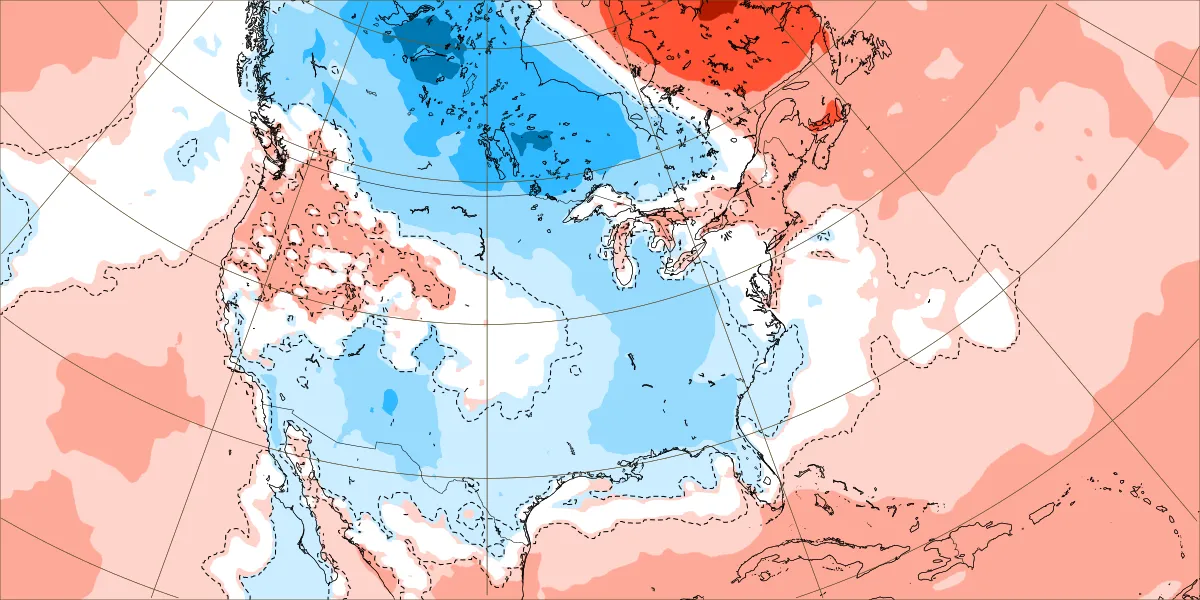
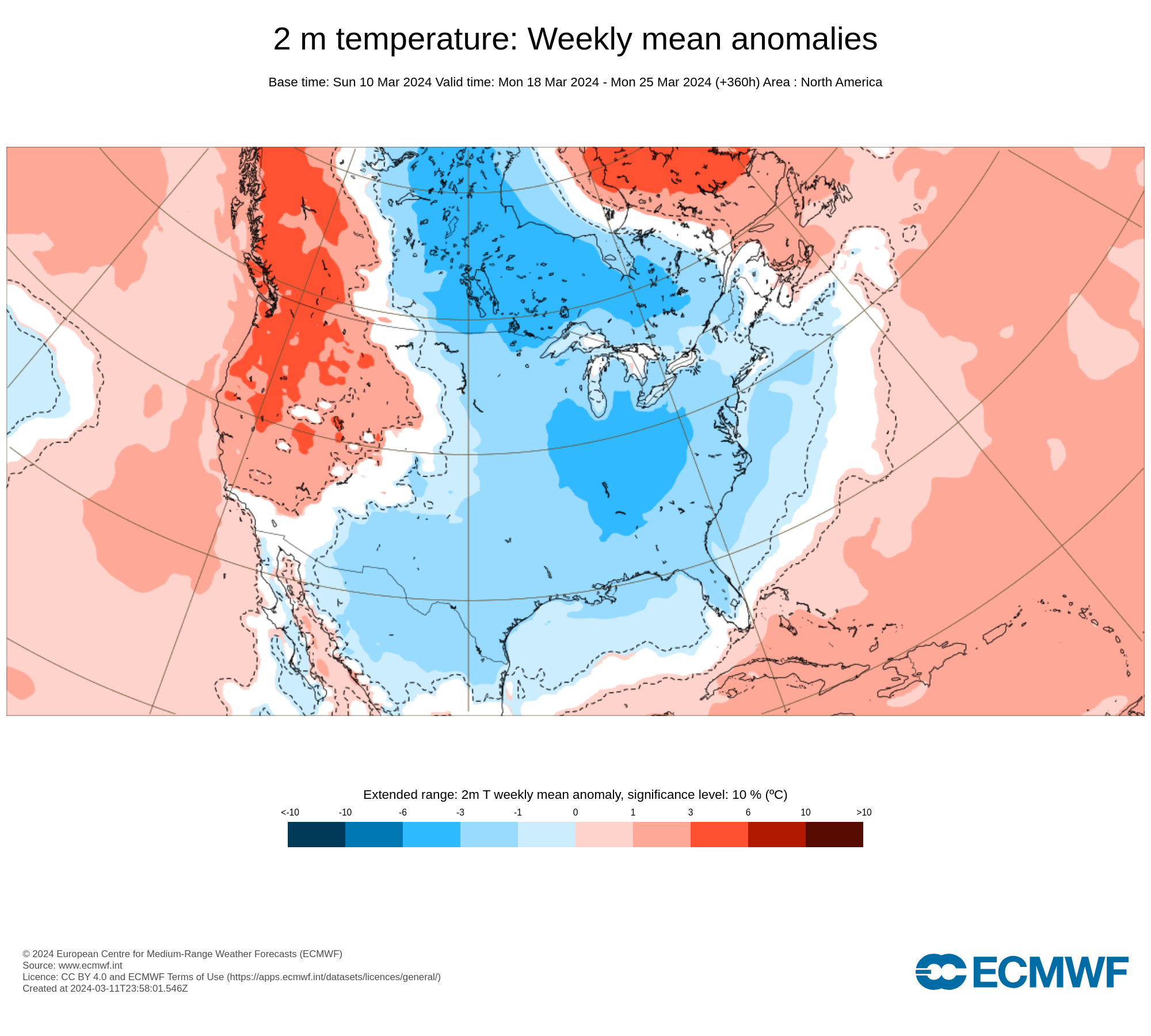
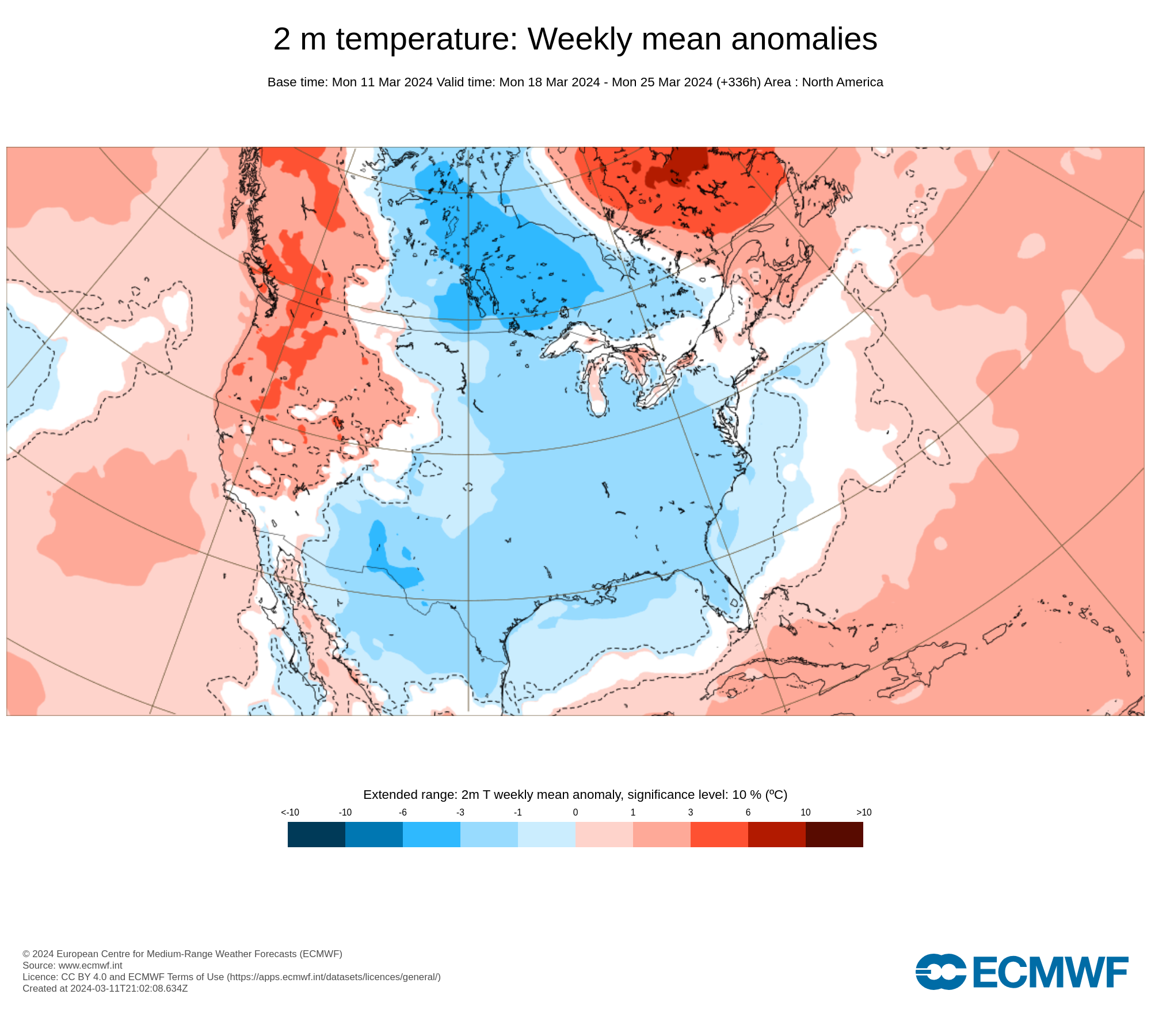
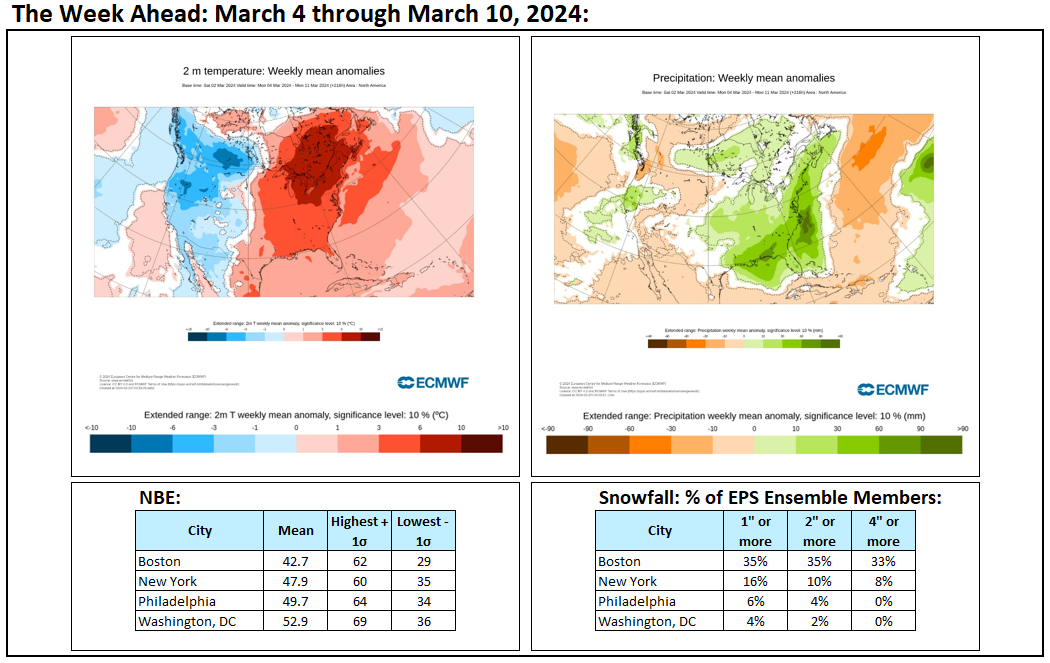
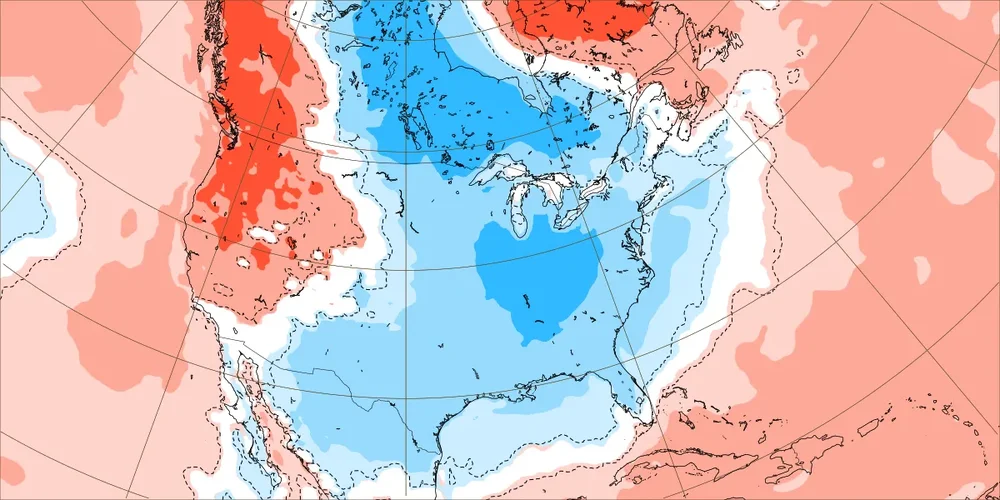
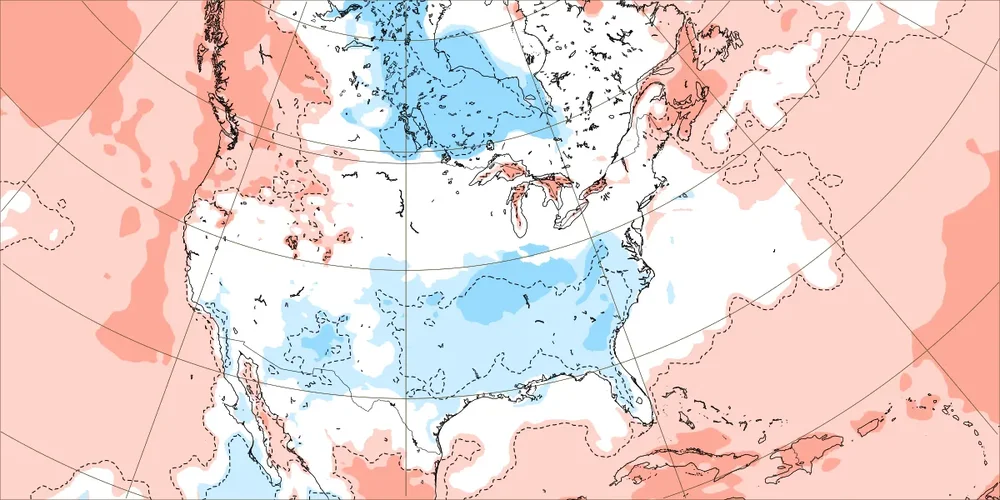
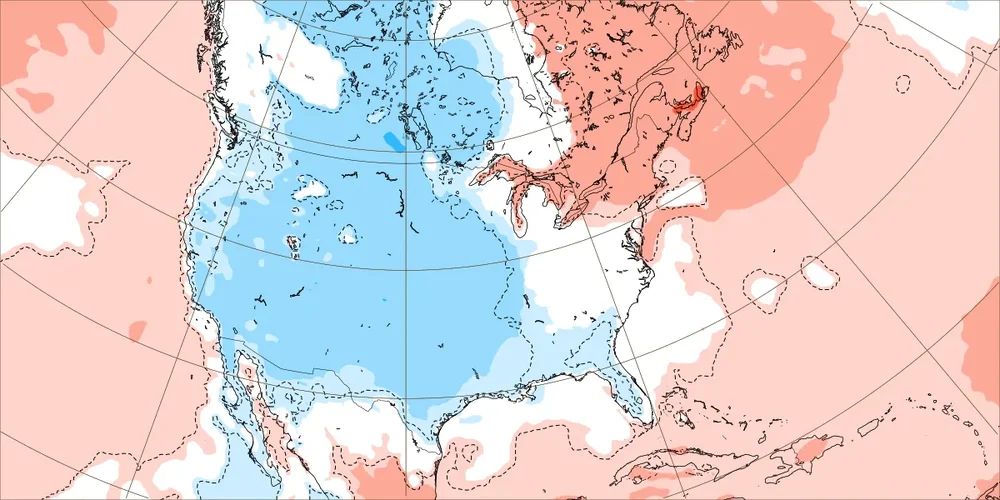
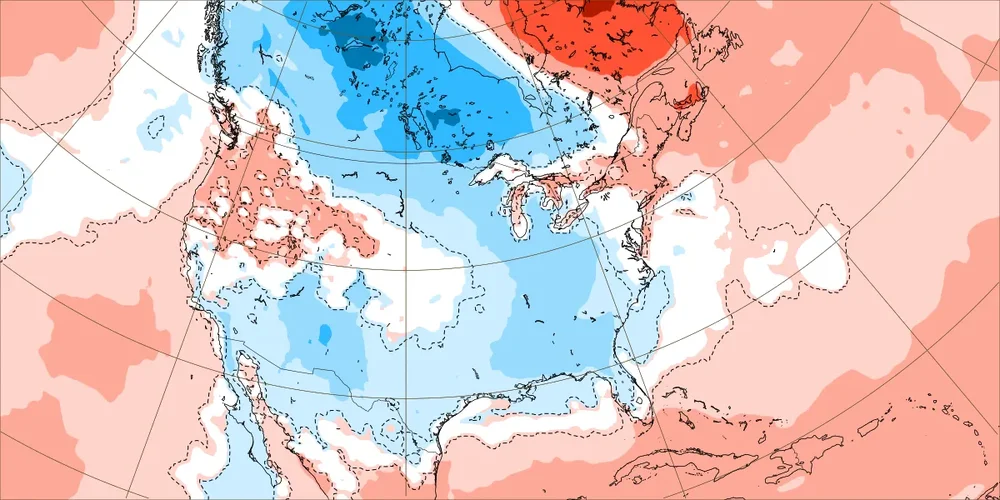
What a difference three days makes. ECMWF Weekly Forecasts from March 10th: 3/18-25: 3/25-4/1: From March 13th: 3/18-25: 3/25-4/1: Scale:

-
This development is disappointing. I'm not sure why the MEI can't be reconstructed using the JRA-3Q dataset (the successor of the discontinued JRA-55). Of course, if the new dataset excludes one or more variables used in the calculation, that's a different matter.
-
Some of the blooms are about two weeks ahead of schedule. Early blooms are fast becoming the norm: https://wapo.st/3Tnni3M
-
A +4.0 or above anomaly is certainly plausible, especially if the long-range guidance continues to prove colder than what actually occurs.
-
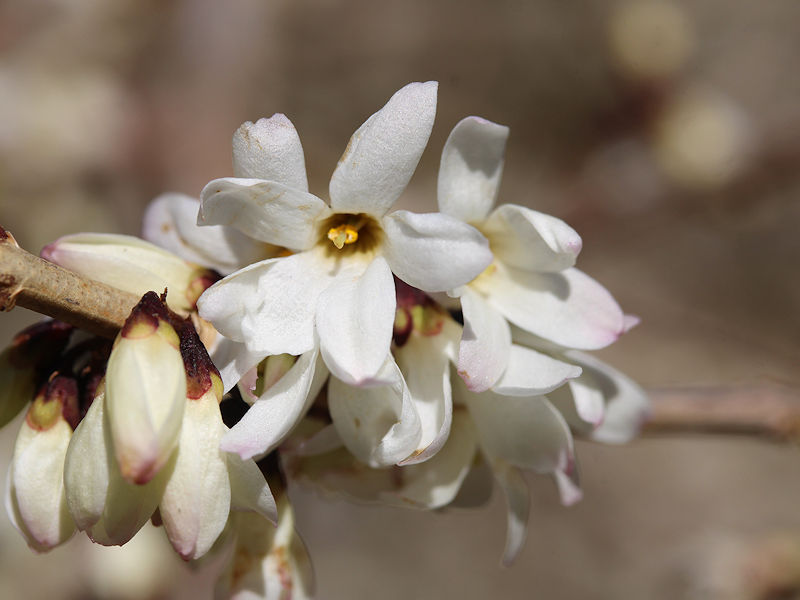
White forsythia are now coming into bloom at the New York Botanical Garden.
-
Under brilliant sunshine, the temperature topped out in the middle 60s across parts of the region. The warmth will peak tomorrow through Friday with the temperature rising into the middle and upper 60s in the New York City area and middle and perhaps upper 70s from Philadelphia and southward. The generally mild conditions will persist through mid-month. There is good consensus on the guidance that a deep trough will likely develop just after mid-month. However, as has generally been the case this winter, no direct Arctic shots are likely. As a result, any cold will likely not be severe for the season and the potential exists for the cooler period to last one to perhaps two weeks, much as occurred in February. Any sharper cold shots will likely have a short duration. The closing days of the month could turn warmer. No significant snowfall appears likely in the northern Middle Atlantic region through at least March 15th. The probability of an unprecedented second consecutive winter with less than 10" seasonal snowfall in New York City's Central Park has continued to increase. Records go back to 1869. The ENSO Region 1+2 anomaly was +1.0°C and the Region 3.4 anomaly was +1.4°C for the week centered around March 6. For the past six weeks, the ENSO Region 1+2 anomaly has averaged +0.98°C and the ENSO Region 3.4 anomaly has averaged +1.53°C. A basinwide El Niño event is ongoing. The ongoing El Niño event will continue to fade during March. Neutral conditions could develop during the spring. The SOI was -5.60 today. The preliminary Arctic Oscillation (AO) was -1.335 today. Based on sensitivity analysis applied to the latest guidance, there is an implied 90% probability that New York City will have a warmer than normal March (1991-2020 normal). March will likely finish with a mean temperature near 46.5° (3.7° above normal).
-
In South Africa, summer has ended. Unfortunately, there's no skill whatsoever on cloud forecasts from this far out.
-
It has been exceptional. One location in South Africa had a high of 117.
-
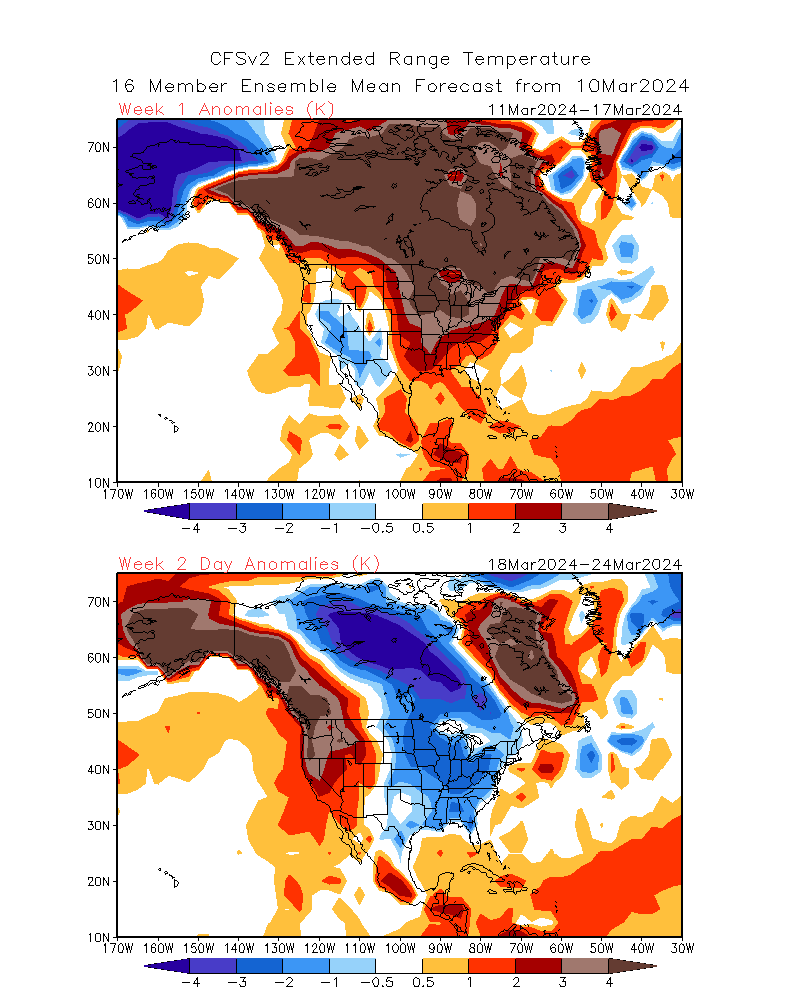
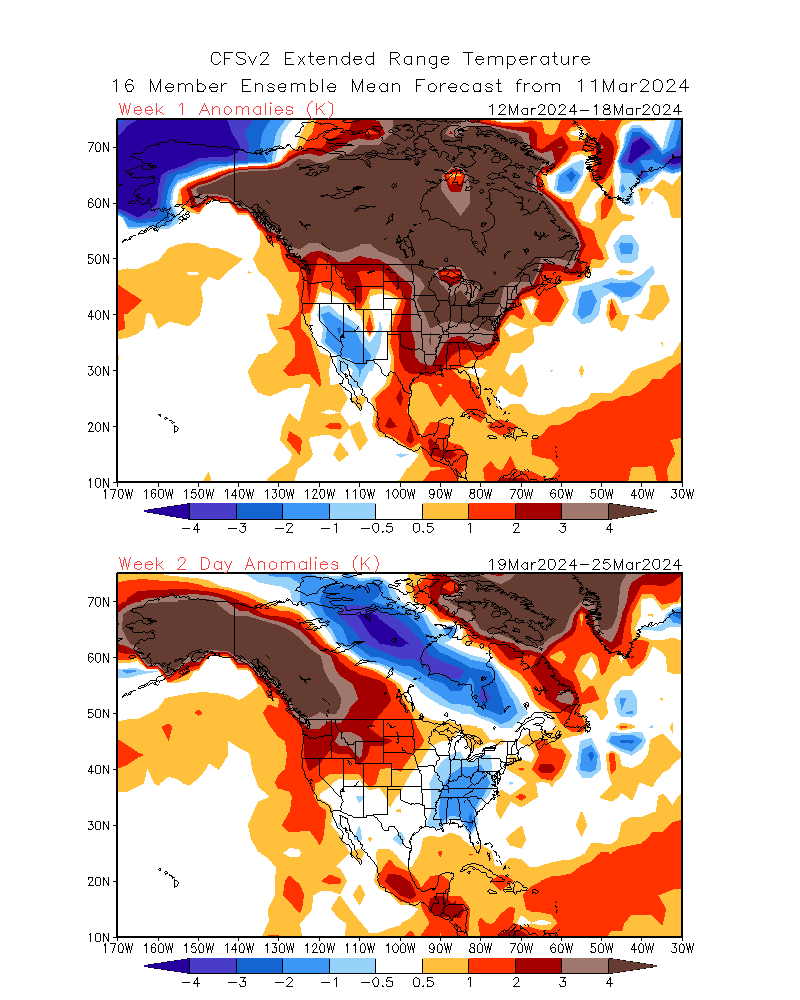
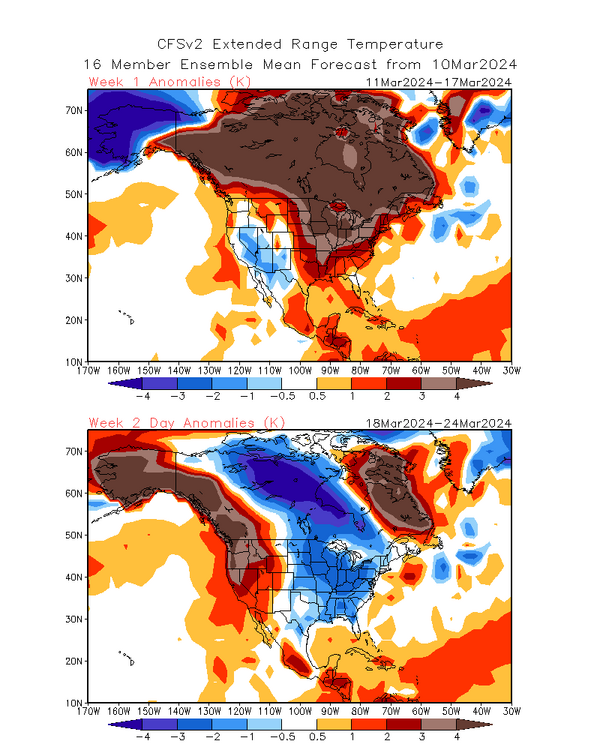
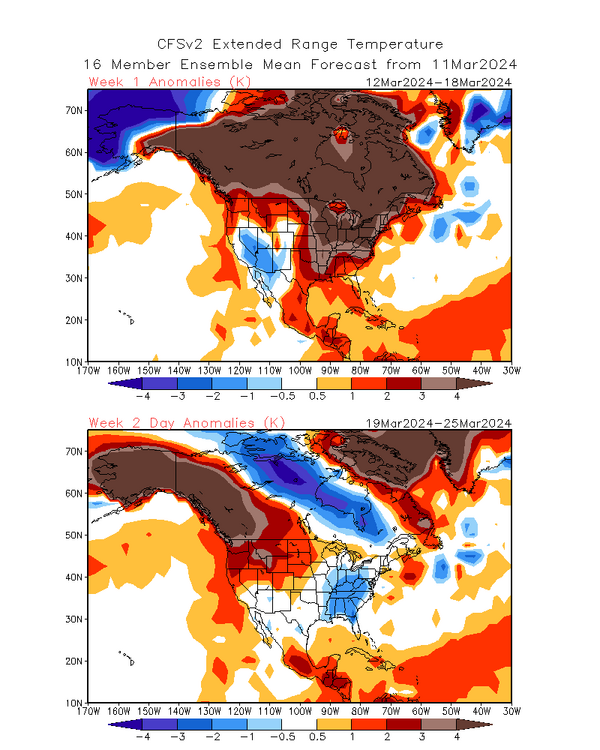
The CFSv2 also shows less cold air for Week 2: March 10: March 11:
-
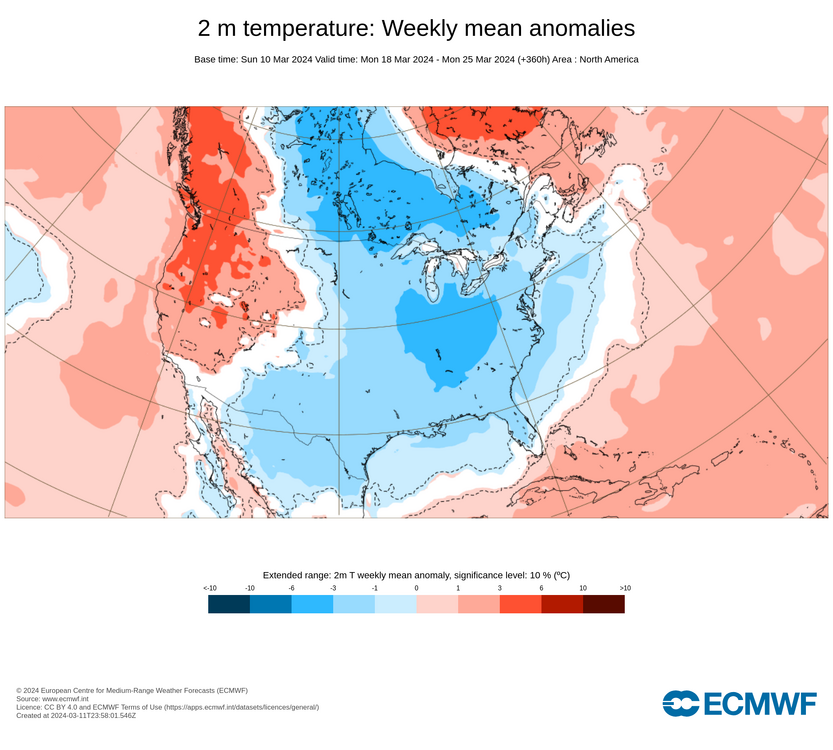
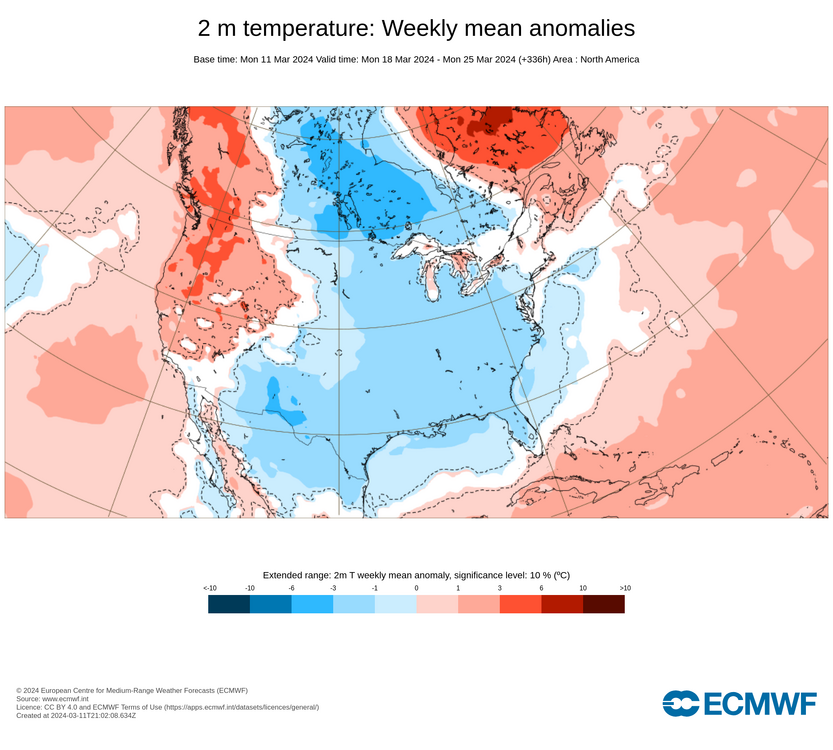
Is an old story set to play out yet again? ECMWF Weeklies for March 18-25 from March 10: ECMWF Weeklies for March 18-25 from March 11:
-
The wind, which gusted past 50 mph in much of the region today will gradually diminish overnight. Afterward, it will seem as if the calendar had been turned forward into April. It will turn noticeably milder starting tomorrow. The warmth will peak during Wednesday through Friday with the temperature rising into the lower and middle 60s in the New York City area and lower and middle 70s from Philadelphia and southward. The generally mild conditions will persist through mid-month. There is growing consensus on the guidance that a deep trough could develop just after mid-month. However, as has generally been the case this winter, no direct Arctic shots are likely. As a result, any cold will likely not be severe for the season and the potential exists for the cooler period to last one to perhaps two weeks, much as occurred in February. Any sharper cold shots will likely have a short duration. The closing days of the month could turn warmer. No significant snowfall appears likely in the northern Middle Atlantic region through at least March 15th. The probability of an unprecedented second consecutive winter with less than 10" seasonal snowfall in New York City's Central Park has increased. Records go back to 1869. The ENSO Region 1+2 anomaly was +1.0°C and the Region 3.4 anomaly was +1.4°C for the week centered around March 6. For the past six weeks, the ENSO Region 1+2 anomaly has averaged +0.98°C and the ENSO Region 3.4 anomaly has averaged +1.53°C. A basinwide El Niño event is ongoing. The ongoing El Niño event will continue to fade during March. Neutral conditions could develop during the spring. The SOI was -3.16 today. The preliminary Arctic Oscillation (AO) was -1.287 today. Based on sensitivity analysis applied to the latest guidance, there is an implied 86% probability that New York City will have a warmer than normal March (1991-2020 normal). March will likely finish with a mean temperature near 46.2° (3.4° above normal).
-
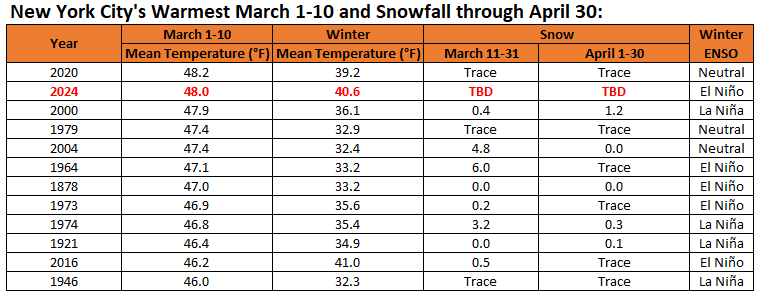
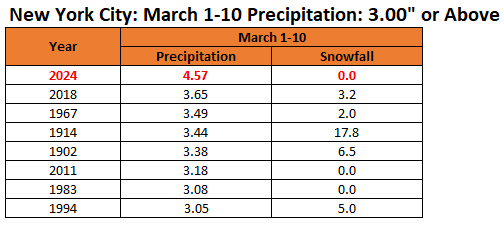
March 1-10, 2024 was the second warmest such period on record in New York City. It was also the wettest such period on record with 4.57" of precipitation (old record: 3.65", 2018).
-
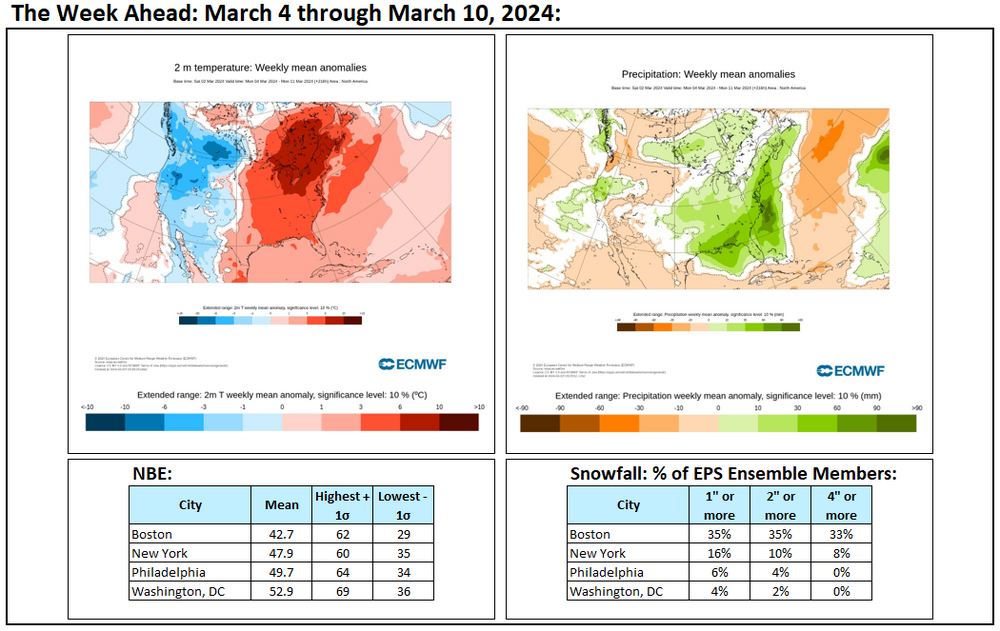
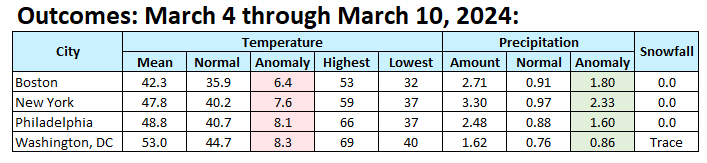
Final outcome: A very warm and very wet week.
-
Congratulations.
-
Following afternoon showers, some of which were mixed with wet snowflakes and graupel, the temperature fell into the lower 40s and a gusty wind picked up. Tomorrow will be a brisk day. Afterward, it will turn noticeably milder. The warmth will peak during Wednesday through Friday with the temperature rising into the lower and middle 60s in the New York City area and lower and middle 70s from Philadelphia and southward. The generally mild conditions will persist through mid-month. There is growing consensus on the guidance that a deep trough could develop just after mid-month. However, as has generally been the case this winter, no direct Arctic shots are likely. As a result, any cold will likely not be severe for the season and the potential exists for the cooler period to last one to perhaps two weeks, much as occurred in February. Any sharper cold shots will likely have a short duration. The closing days of the month could turn warmer. No significant snowfall appears likely in the northern Middle Atlantic region through at least March 15th. The probability of an unprecedented second consecutive winter with less than 10" seasonal snowfall in New York City's Central Park has increased. Records go back to 1869. The ENSO Region 1+2 anomaly was +0.9°C and the Region 3.4 anomaly was +1.3°C for the week centered around February 28. For the past six weeks, the ENSO Region 1+2 anomaly has averaged +0.93°C and the ENSO Region 3.4 anomaly has averaged +1.58°C. A basinwide El Niño event is ongoing. The ongoing El Niño event will continue to fade during March. Neutral conditions could develop during the spring. The SOI was +6.46 today. The preliminary Arctic Oscillation (AO) was -1.652 today. Based on sensitivity analysis applied to the latest guidance, there is an implied 85% probability that New York City will have a warmer than normal March (1991-2020 normal). March will likely finish with a mean temperature near 46.2° (3.4° above normal).
-
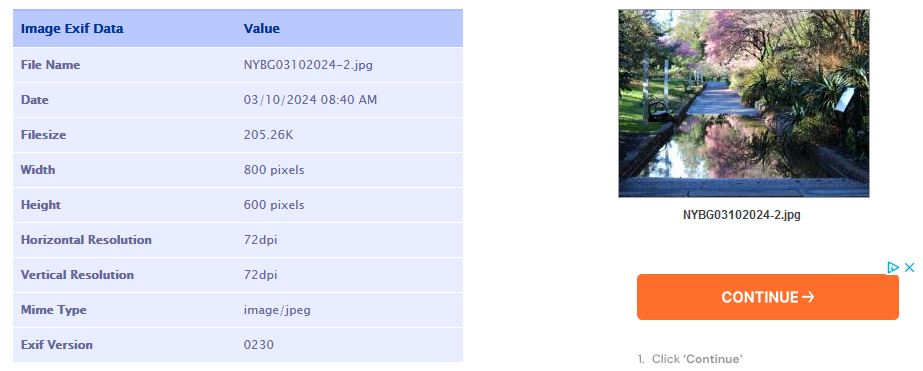
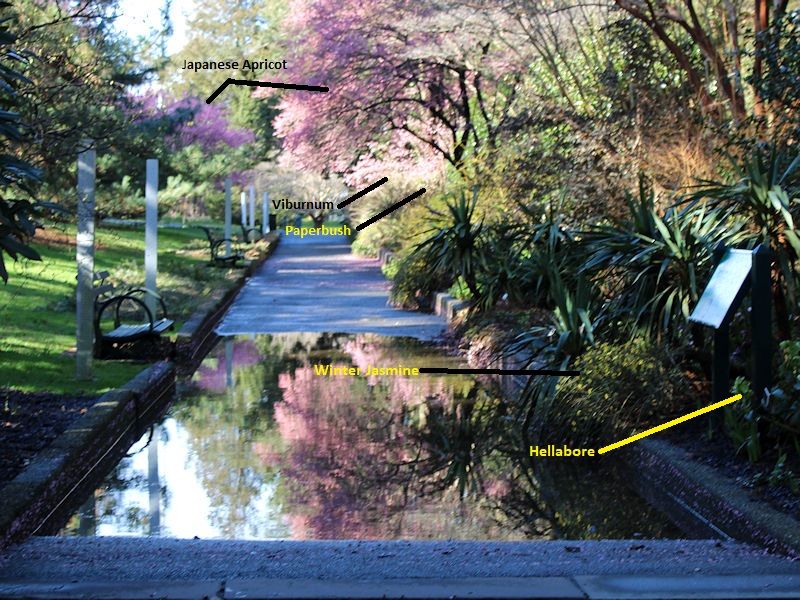
I took it this morning at the New York Botanical Garden. All of the Japanese Apricot trees are in full bloom now. Four are in bloom at one location and the additional Japanese Apricot is in bloom at a separate location. It's really unusual. Here's the EXIF data: Some of what's currently in bloom at the Ladies' Border Garden at the New York Botanical Garden: Not pictured: Adonis and Camelia.
-
June analog: 1816.
-
There is rain with a little wet snow mixing in at Larchmont.