bristolri_wx
-
Posts
2,161 -
Joined
-
Last visited
Content Type
Profiles
Blogs
Forums
American Weather
Media Demo
Store
Gallery
Everything posted by bristolri_wx
-
"Don’t do it" 2026 Blizzard obs, updates and pictures.
bristolri_wx replied to Ginx snewx's topic in New England
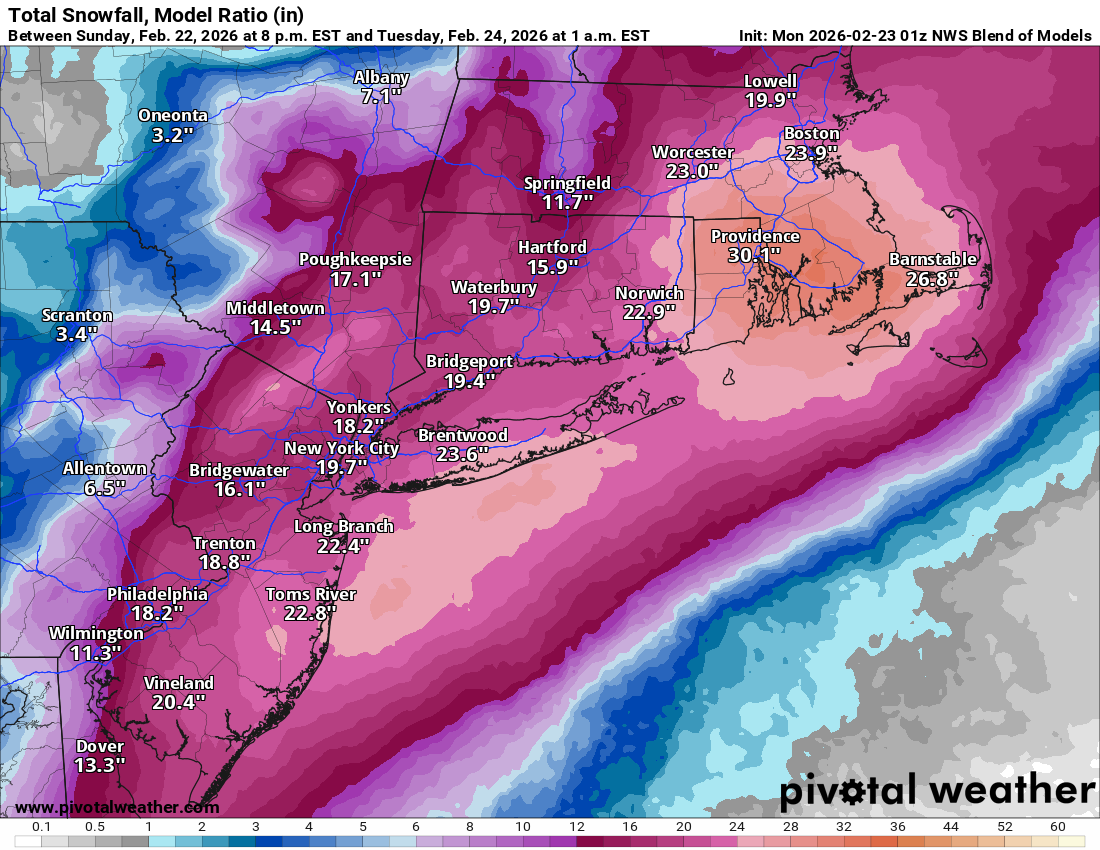
That being said - the NBM showed 30" right before go time. If that doesn't come close to fruition, NOAA/NWS really needs to take a look at what inputs it's using for snowfall. It's supposed to be one of the primary tools they use for issuing forecasts, from what I've read. -
"Don’t do it" 2026 Blizzard obs, updates and pictures.
bristolri_wx replied to Ginx snewx's topic in New England
Yeah I realized this after I posted. Need the 7z version, which ain't out yet. -
"Don’t do it" 2026 Blizzard obs, updates and pictures.
bristolri_wx replied to Ginx snewx's topic in New England
Not sure where this data is coming from, but the 1AM NBM continues to say game on.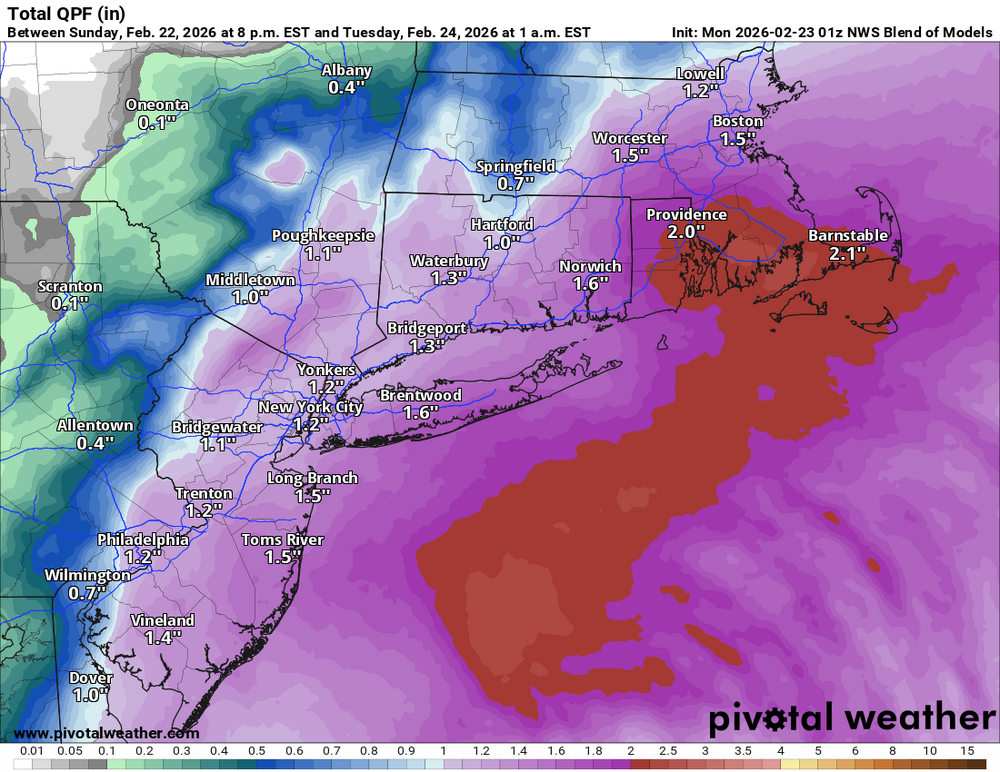
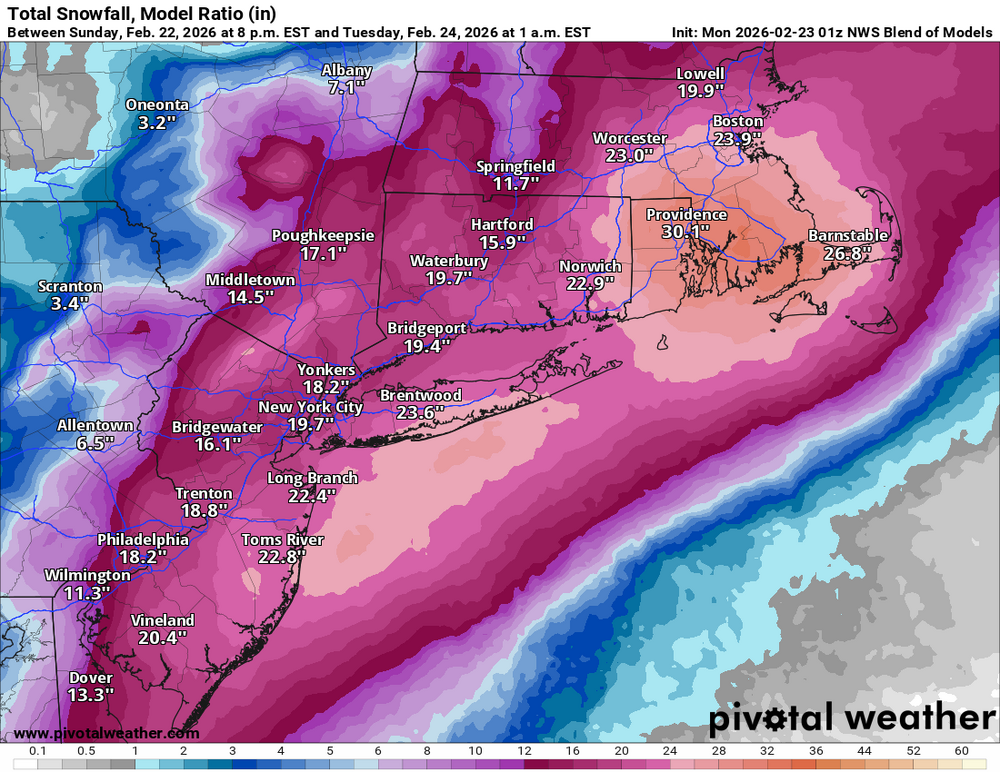
-
“Cory’s in NYC! Let’s HECS!” Feb. 22-24 Disco
bristolri_wx replied to TheSnowman's topic in New England
.thumb.png.4be4c9b44ab505c627fb6902f3ffaeff.png)
-
"Don’t do it" 2026 Blizzard obs, updates and pictures.
bristolri_wx replied to Ginx snewx's topic in New England
I would caution anyone to follow the HRRR guidance verbatim at the moment. For the last four hourly runs, it's had issues with it's simulated radar returns, and I think that affects the other output. It's consistently keeping banding farther south than it actually is. It fixes it each run at hour 1 on each run, then regresses at hour 2 forward. Again, can't deny that there might be some cutbacks, or a more ENE movement, but the HRRR is having some difficulty handling this storm so far. -
"Don’t do it" 2026 Blizzard obs, updates and pictures.
bristolri_wx replied to Ginx snewx's topic in New England

-
"Don’t do it" 2026 Blizzard obs, updates and pictures.
bristolri_wx replied to Ginx snewx's topic in New England
4" here. Constant roar of wind now. -
"Don’t do it" 2026 Blizzard obs, updates and pictures.
bristolri_wx replied to Ginx snewx's topic in New England
My f**k**g lord we are two hours into this storm and both threads have become almost intolerable. Maybe it isn't as prolific as expected because it goes a little more ENE than NE, but radar returns are already verifying better than the models themselves in the short term. Nowcast and enjoy. G19_sector_ne_EXTENT3_48fr_20260222-2154.mp4 -
"Don’t do it" 2026 Blizzard obs, updates and pictures.
bristolri_wx replied to Ginx snewx's topic in New England
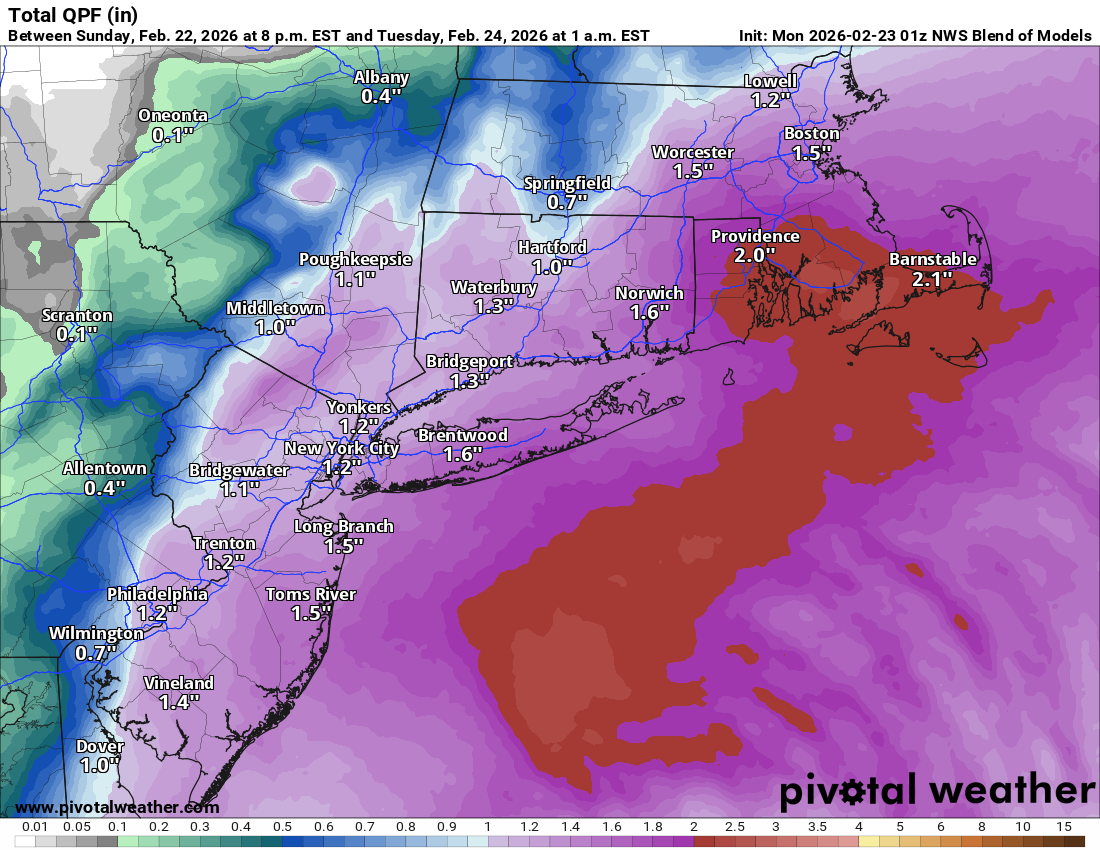
The drop in QPF in the meso models may end up being right but if you match up the composite radar on the HRRR and what's actually happening, actual radar looks much better. Not sure if that's just how the simulated composite radar always looks compared to the real conditions or not. The heaviest radar returns seem to hit an unusual "brick wall "coming off the ocean into the south coast and get knocked down. Seems unrealistic... -
“Cory’s in NYC! Let’s HECS!” Feb. 22-24 Disco
bristolri_wx replied to TheSnowman's topic in New England
Gotta remember that the HRRR is a good short range model. The extended runs have a greater margin of error in general than other models 48 hours out. If they scored better in the extended range, then the NAM's would have been shut down a while back. Doesn't mean the HRRR is wrong, but take it with a grain of salt. -
"Don’t do it" 2026 Blizzard obs, updates and pictures.
bristolri_wx replied to Ginx snewx's topic in New England
Light flurries, 35. Wind has picked up noticeably in last hour. -
“Cory’s in NYC! Let’s HECS!” Feb. 22-24 Disco
bristolri_wx replied to TheSnowman's topic in New England
We like our emergencies civil here in RI. -
“Cory’s in NYC! Let’s HECS!” Feb. 22-24 Disco
bristolri_wx replied to TheSnowman's topic in New England
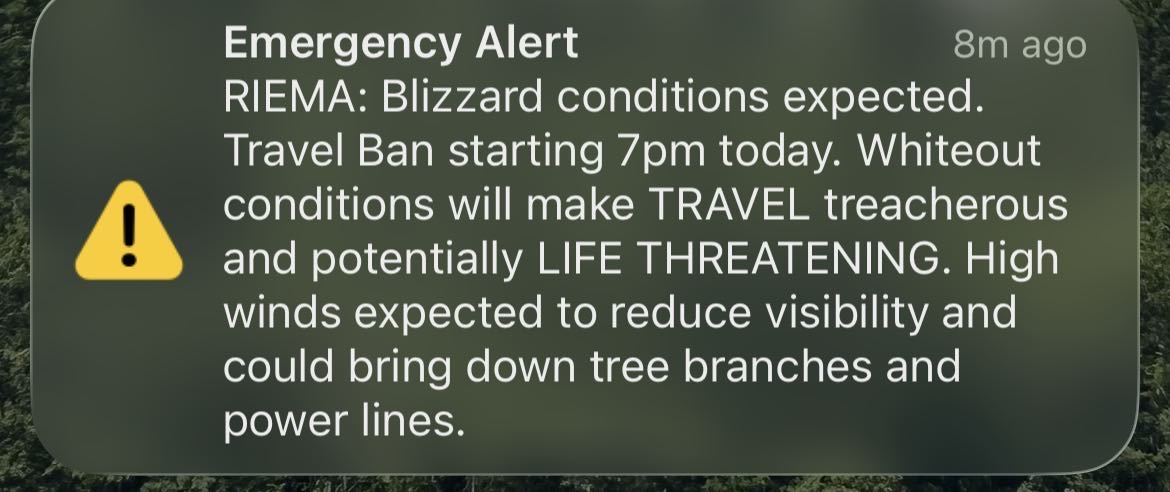
Things got real here got a real emergency alert EAS tones and all on my phone for the Blizzard Warning. Don’t get these often.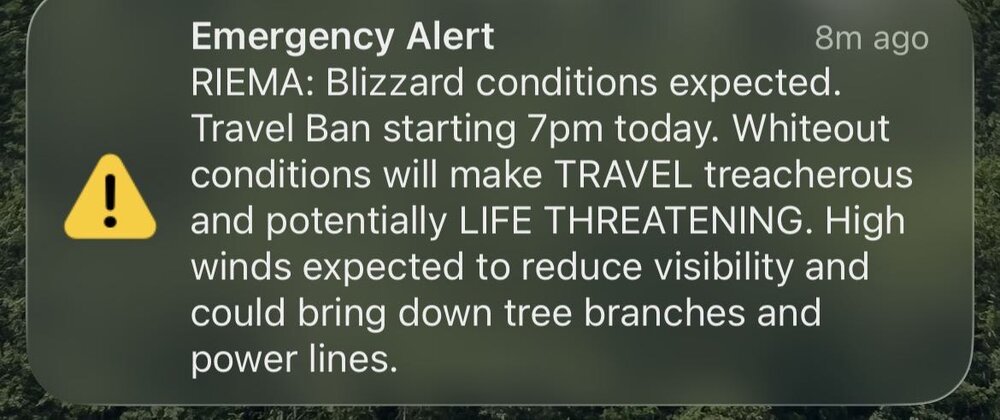
-
“Cory’s in NYC! Let’s HECS!” Feb. 22-24 Disco
bristolri_wx replied to TheSnowman's topic in New England
-
“Cory’s in NYC! Let’s HECS!” Feb. 22-24 Disco
bristolri_wx replied to TheSnowman's topic in New England
I find that they are usually a little overdone on the snowfall output. Trim the PMM numbers by 10-15% and usually have sensible weather. -
“Cory’s in NYC! Let’s HECS!” Feb. 22-24 Disco
bristolri_wx replied to TheSnowman's topic in New England
Yeah seems like noise and locked into a track at this point. -
“Cory’s in NYC! Let’s HECS!” Feb. 22-24 Disco
bristolri_wx replied to TheSnowman's topic in New England
I believe this is the only way you can easily get some sort of output from Google’s WeatherNext 2 model, but this definitely looks fun…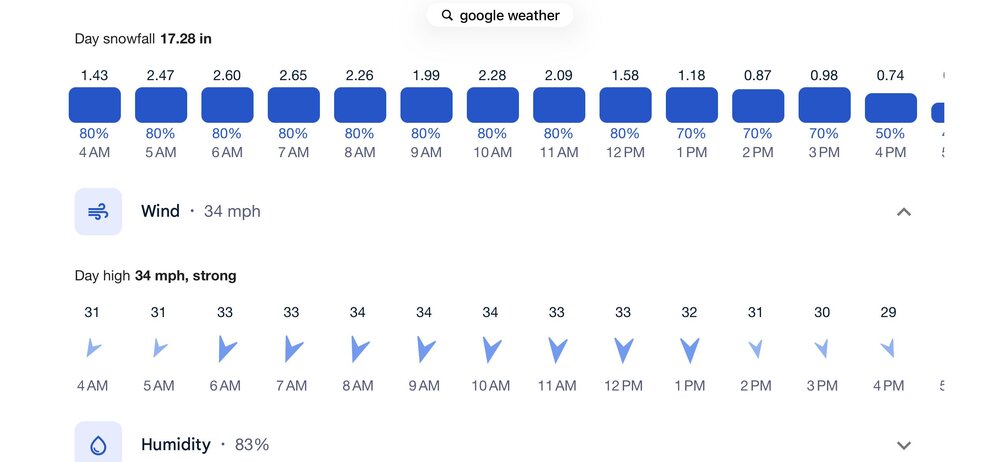
-
“Cory’s in NYC! Let’s HECS!” Feb. 22-24 Disco
bristolri_wx replied to TheSnowman's topic in New England
This would be nice, even if it was only 12 hour forecast! -
“Cory’s in NYC! Let’s HECS!” Feb. 22-24 Disco
bristolri_wx replied to TheSnowman's topic in New England
.thumb.png.f8891ebc5930139c87a5a0daf6c48413.png)
-
“Cory’s in NYC! Let’s HECS!” Feb. 22-24 Disco
bristolri_wx replied to TheSnowman's topic in New England
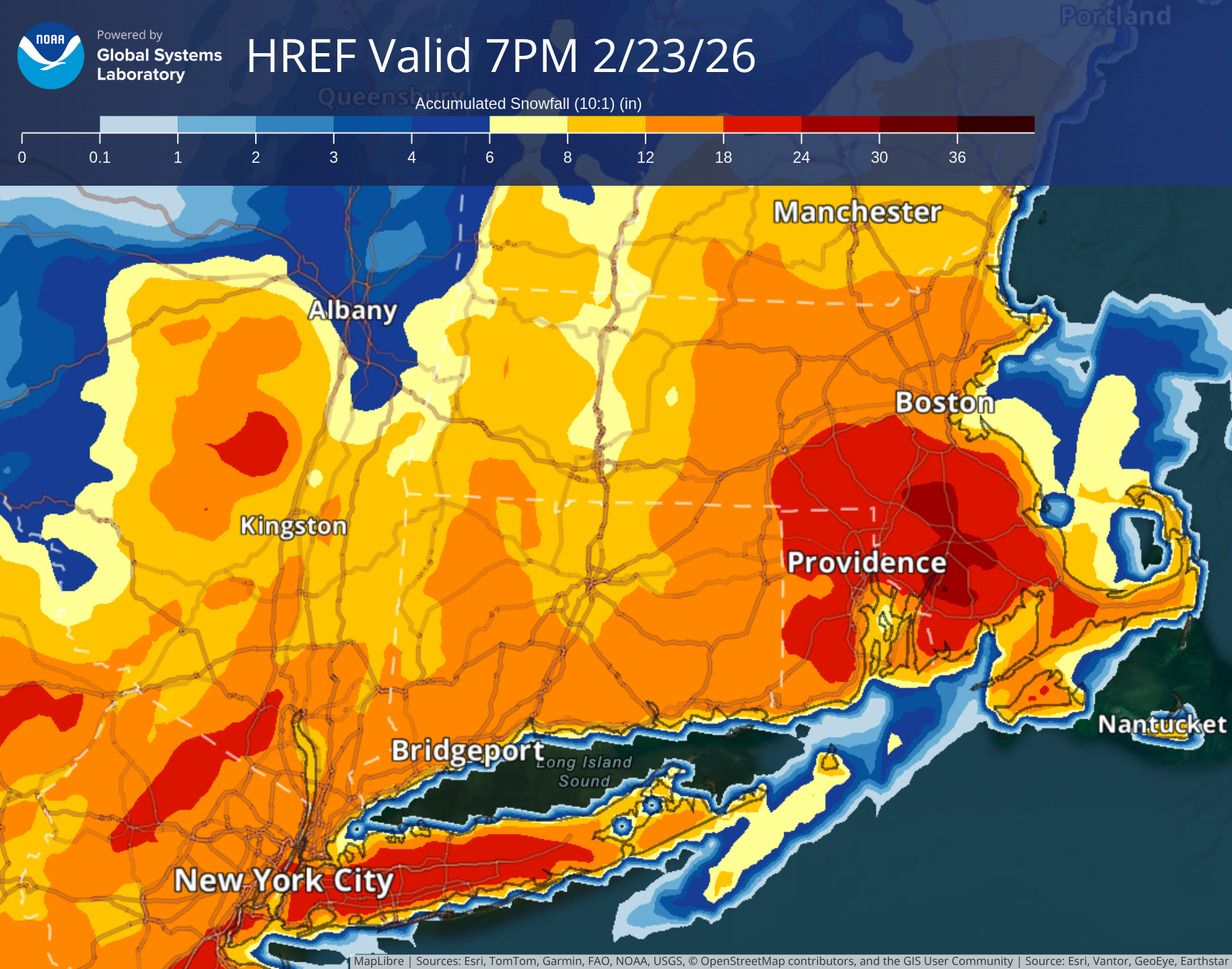
This site also has the updated MPAS version of the RRFS they are working on, and a nicer view of the HREF's (attached). It's a cool site.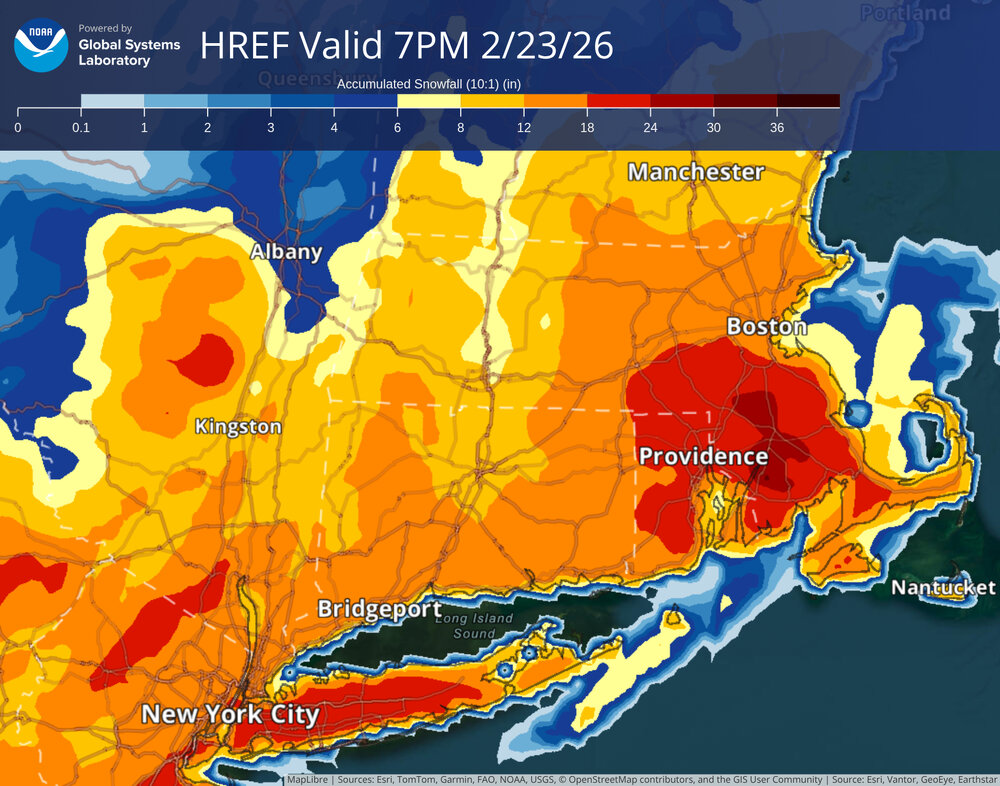
-
“Cory’s in NYC! Let’s HECS!” Feb. 22-24 Disco
bristolri_wx replied to TheSnowman's topic in New England
I feel like some of those models are specifically geared towards ensemble forecasts. You never hear about the NMM or ARW being used on their own as operational runs in forecast discussion. -
“Cory’s in NYC! Let’s HECS!” Feb. 22-24 Disco
bristolri_wx replied to TheSnowman's topic in New England
Only one that I can see that's specific to this storm. Not sure if the one out in the Pacific is going to be adding anything. -
“Cory’s in NYC! Let’s HECS!” Feb. 22-24 Disco
bristolri_wx replied to TheSnowman's topic in New England
? -
“Cory’s in NYC! Let’s HECS!” Feb. 22-24 Disco
bristolri_wx replied to TheSnowman's topic in New England
You may need to purchase a larger computer monitor. -
“Cory’s in NYC! Let’s HECS!” Feb. 22-24 Disco
bristolri_wx replied to TheSnowman's topic in New England
I wouldn't be too concerned about the GFS unless it goes further SE at 12z: All the models should have more data soon they are flying though it right now and the mission is still ongoing: https://www.tropicaltidbits.com/recon/#AF302-10WSA-TRACK62

.png.c97f34830ef20472828c090eeae1c7e7.png)




.png.d177b9af340b8c608cec3da2a61c015e.png)