All Activity
- Past hour
-
-
(002).thumb.png.6e3d9d46bca5fe41aab7a74871dd8af8.png)
Central PA Spring 2026 Discussion/Obs Thread
ChescoWx replied to Voyager's topic in Upstate New York/Pennsylvania
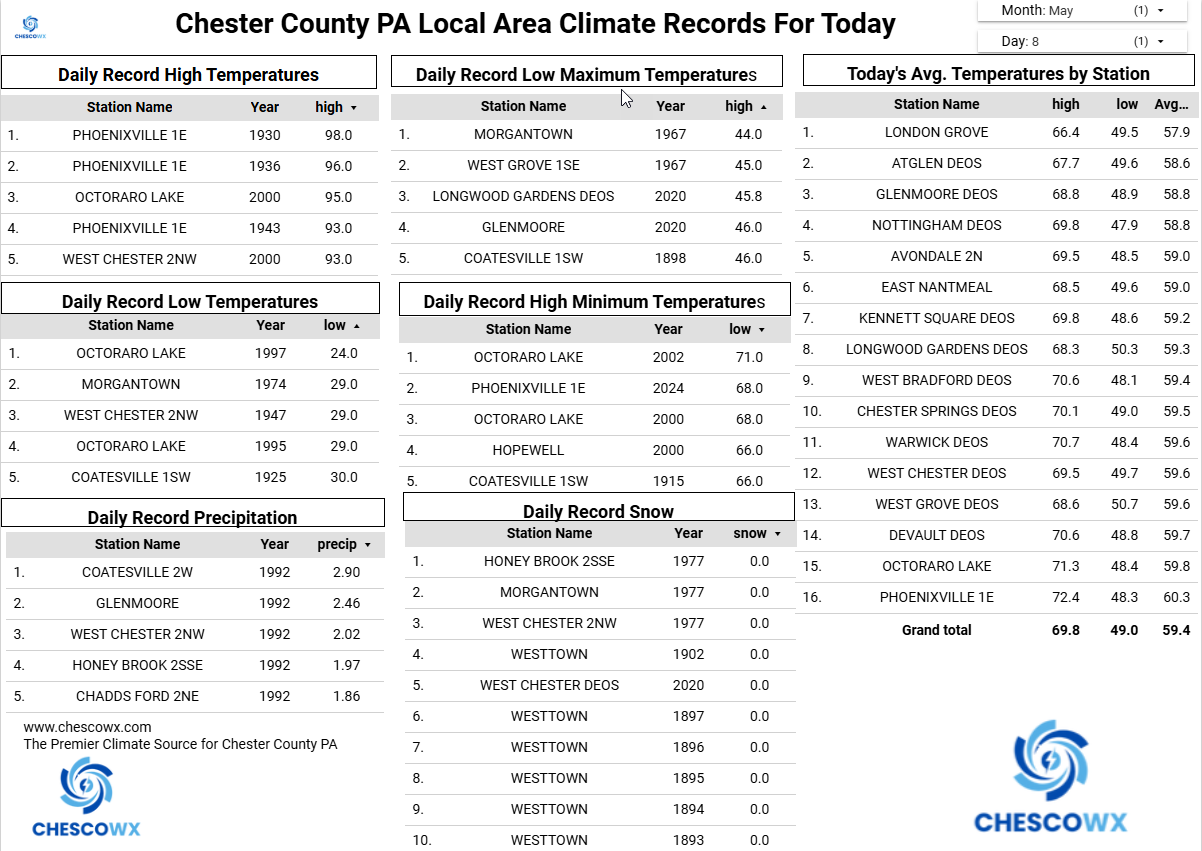
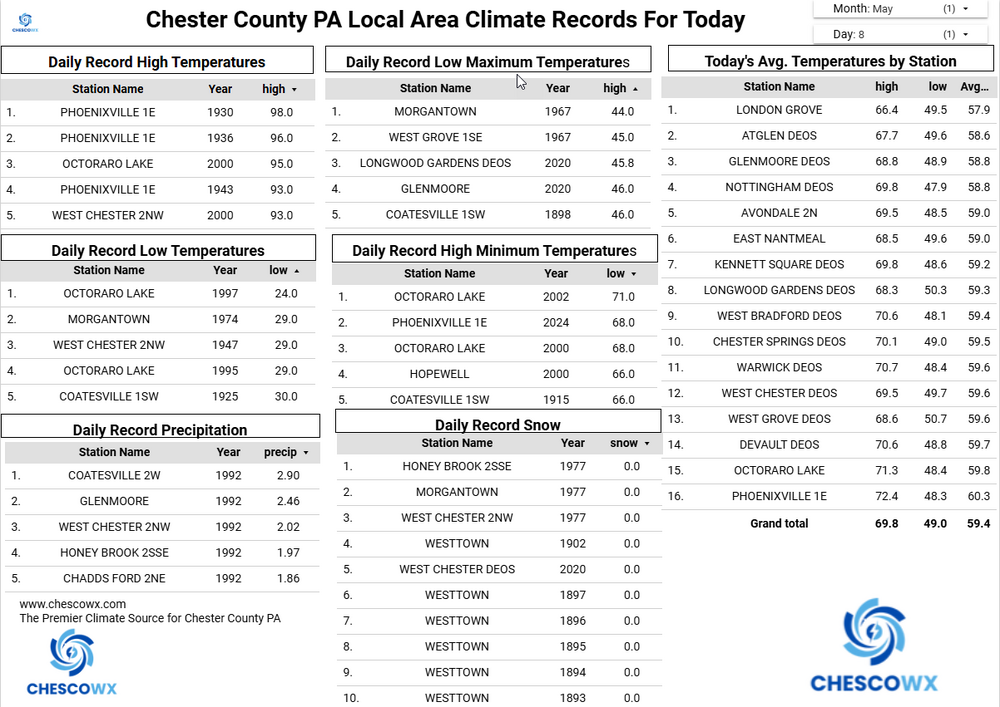
Minimum temperatures this morning were 8 to 14 degrees below normal for today’s date. The lowest was our typical cold spot in Warwick Twp with a low of 35.5. With the exception of Sunday, where temperatures will be close to normal with highs in the low 70’s we should see well below normal temperatures continue for at least the next week. Rain chances increase tomorrow morning into the afternoon. We should see a mostly sunny Mom’s Day on Sunday before more rain arrives Sunday night into Monday. Some models are hinting at almost an inch of rain between Saturday and Monday night.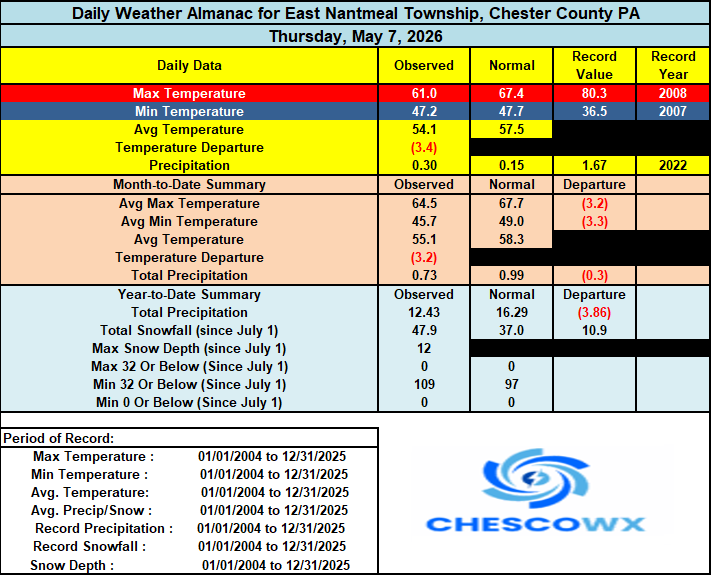
-
E PA/NJ/DE Spring 2026 Obs/Discussion
ChescoWx replied to PhiEaglesfan712's topic in Philadelphia Region
Minimum temperatures this morning were 8 to 14 degrees below normal for today’s date. The lowest was our typical cold spot in Warwick Twp with a low of 35.5. With the exception of Sunday, where temperatures will be close to normal with highs in the low 70’s we should see well below normal temperatures continue for at least the next week. Rain chances increase tomorrow morning into the afternoon. We should see a mostly sunny Mom’s Day on Sunday before more rain arrives Sunday night into Monday. Some models are hinting at almost an inch of rain between Saturday and Monday night.
-
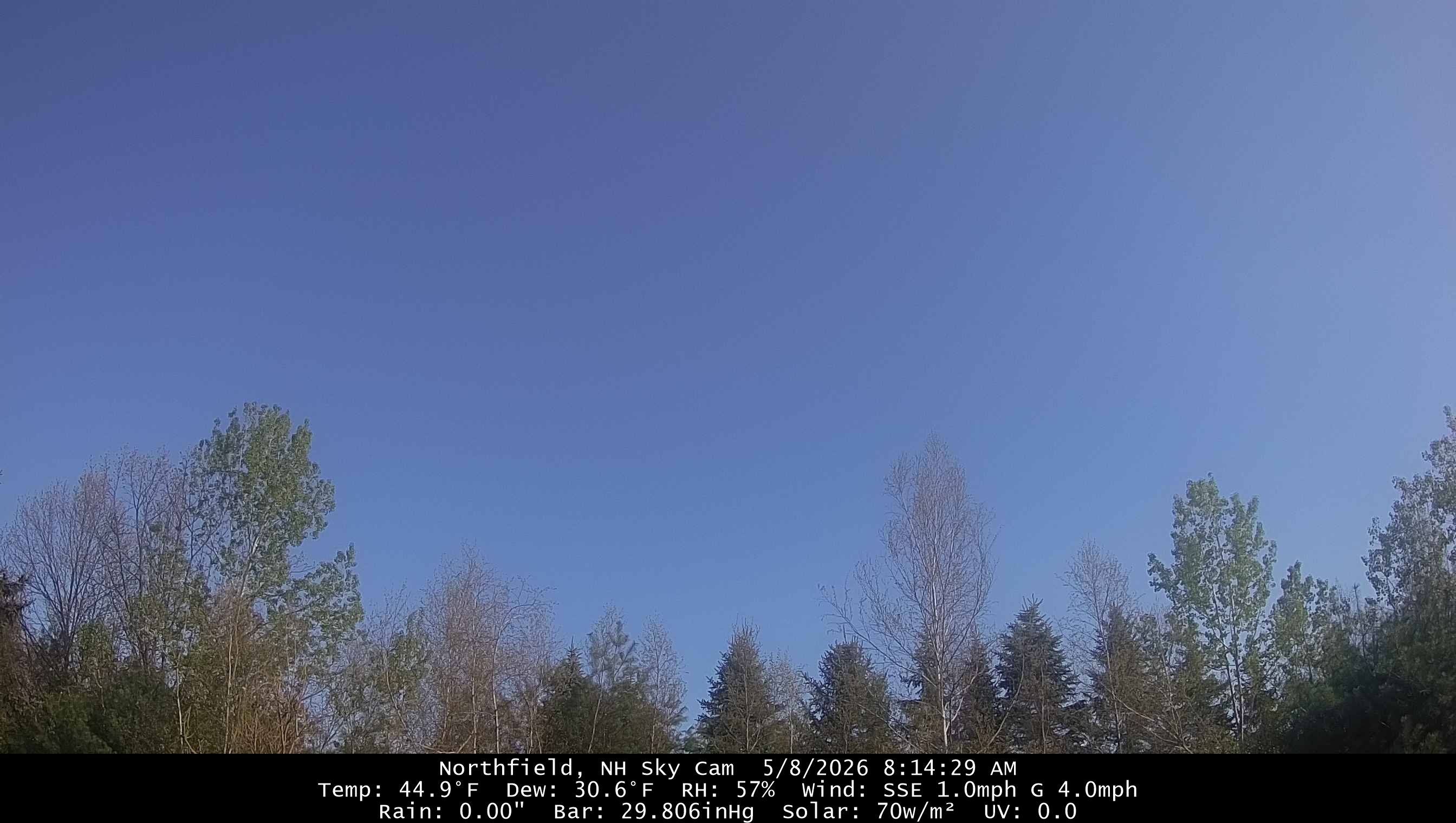
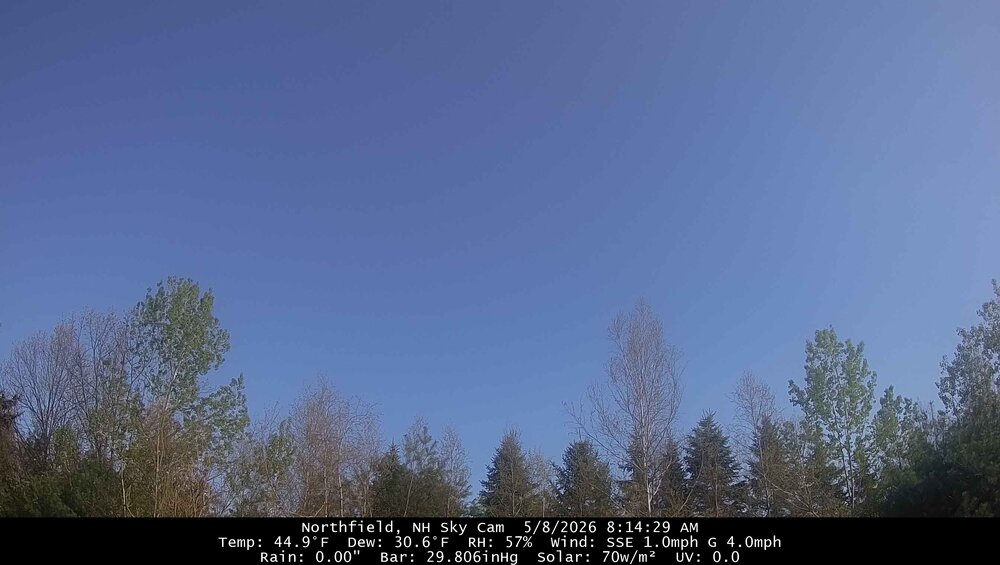
Overcast, 44°.
-
E PA/NJ/DE Spring 2026 Obs/Discussion
ChescoWx replied to PhiEaglesfan712's topic in Philadelphia Region
Nice write up! our climate has always and will always move in cycles. Of note with May likely to end with below normal temperatures - this will mark 7 of the last 10 months with below average temperatures here in Chester County. -
Light snow/flurries up here at 1,500ft base of ski area, ha. Phenomenal.
-
Step 4 would be a displaced Polar Vortex caused by SSW which played a huge role in the extended cold snowy outbreak(s) this past winter. Also the colder than normal persistent sea surface temps off the coast would help.
-
Yeah we have started with some stuff and it was really just this week, but still largely sticks especially just out of the valley floor above 1,000ft. I can tell it’s about to explode though. Feel like we need another 1-2 days of sun and mild and it would go full green everywhere.
-

Central PA Spring 2026 Discussion/Obs Thread
mahantango#1 replied to Voyager's topic in Upstate New York/Pennsylvania
-
The 80s on Tuesday made a huge difference here. Trees started leafing out, fruit trees are flowering, and the catbird, orioles, and hummingbirds have returned. It just looks and sounds different out there.
-
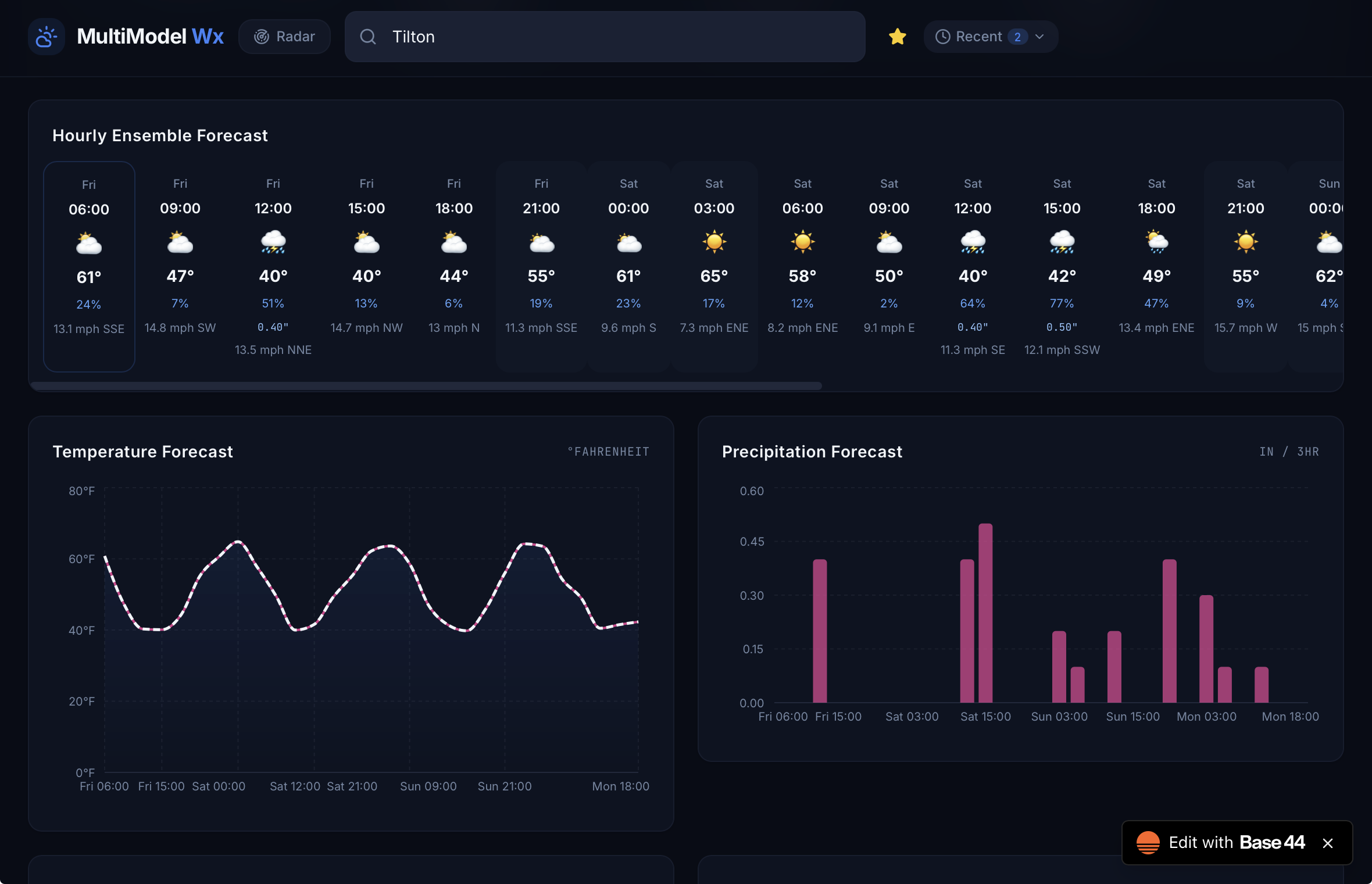
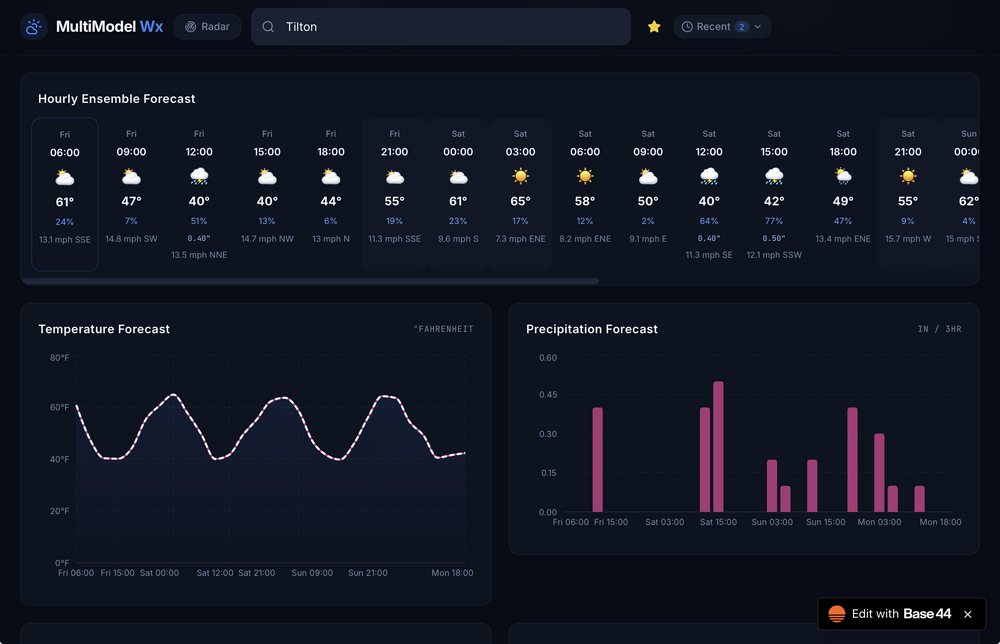
A little better, but still seems too high compared to modeled 2m temps. What’s up with those times too? Max temps are 03:00 and mins closer to 12:00 or 15:00.
-
Low was 36.0 degrees, currently 37.1/32.8 degrees at 7:30 am with clear skies.
-
32F… kind of has a November vibe with not much greenery and still stick season. Weird with the long daylight though. Bring back the 70s.
-
Try now https://synoptic-weather-lens.base44.app
-
There are a few types of plants that are looking weak due to disrupted development from that freeze. Some don't really show it but, because they started flowering and the flowers froze they won't be fruiting and seed production will be severely reduced.
-
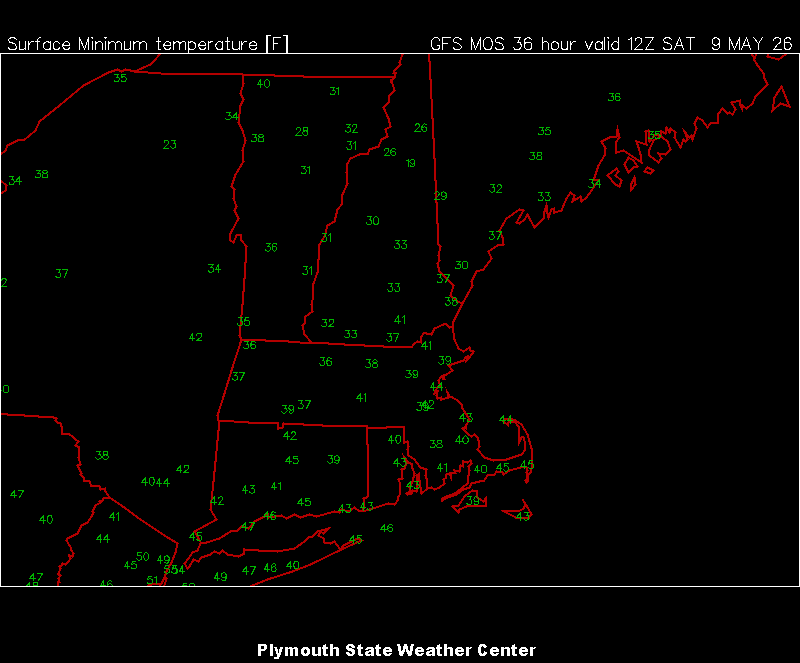
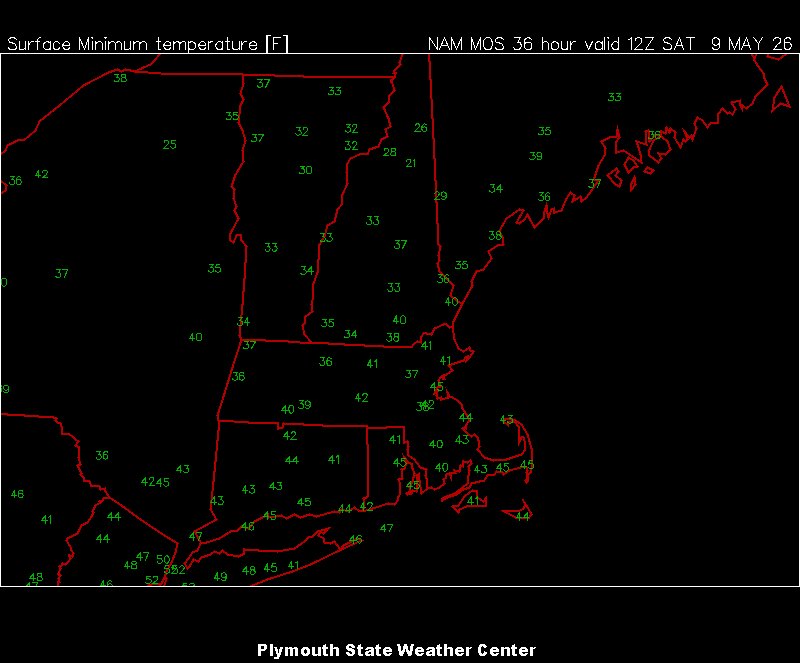
MOS mins for tomorrow AM. Cutting it close with the potted plants in the driveway.
-
Working on it
-
Fixed it I hope. Keep the suggestions coming. https://synoptic-weather-lens.base44.app
-
It doesn’t have a temp below 50° for me for the entire forecast period, yet we had frost this morning and another frost threat tomorrow.
-

Central PA Spring 2026 Discussion/Obs Thread
Jns2183 replied to Voyager's topic in Upstate New York/Pennsylvania
Haha, also where do you get the idea they just forget to update the maps? You should take 30 mins and read up on the criteria of how the make the map. It isn't voodoo magic whose encantstions are secret knowledge. Ironically the biggest complaint against them the last few years has been their slowness to recognize drought. Not too long ago farmers in West Virginia are sending pictures in of their dead corn and craft fields when they still had supposedly a mild or moderate drought. Also I think if you would look at the areas soil types it would make more sense. Some areas are basically just run off machines because of it and it takes significantly more rain than other areas to recharge the aquifers and Wells and such. Sent from my SM-S731U using Tapatalk - Today
-
Something is wrong with rain working on it. Thank you feel free to use it. Will be free for AMWX users once published
-
Central PA Spring 2026 Discussion/Obs Thread
Jns2183 replied to Voyager's topic in Upstate New York/Pennsylvania
We also have had 3 straight years below normal rainfall with mean deficit of 10%. Nothing has been able to recharge and the antecedent dry background condition amplifies a single dry month significantly Sent from my SM-S731U using Tapatalk -

2026-2027 Strong/Super El Nino
Stormchaserchuck1 replied to Stormchaserchuck1's topic in Weather Forecasting and Discussion
^Right, I'm just running all the data (73 years +events) and showing that in the data there isn't really a difference. -

2026-2027 Strong/Super El Nino
snowman19 replied to Stormchaserchuck1's topic in Weather Forecasting and Discussion
A recent (2025) research paper came up with this conclusion about +PMM El Niños: “A positive Pacific Meridional Mode (+PMM) acts as a crucial driver for developing eastern Pacific (EP) El Niño events, particularly by facilitating wind-evaporation-SST (WES) feedback that warms the subtropical Northeast Pacific and promotes westerly wind anomalies at the equator. This interaction commonly triggers EP-type El Niño, characterized by peak warming in the eastern Pacific, as opposed to the Central Pacific (CP) type.” Link to the research paper: https://www.science.org/doi/10.1126/sciadv.adv8621#:~:text=Other climate modes further complicate,and NPO%2C on ENSO evolution. -

2026-2027 Strong/Super El Nino
bluewave replied to Stormchaserchuck1's topic in Weather Forecasting and Discussion
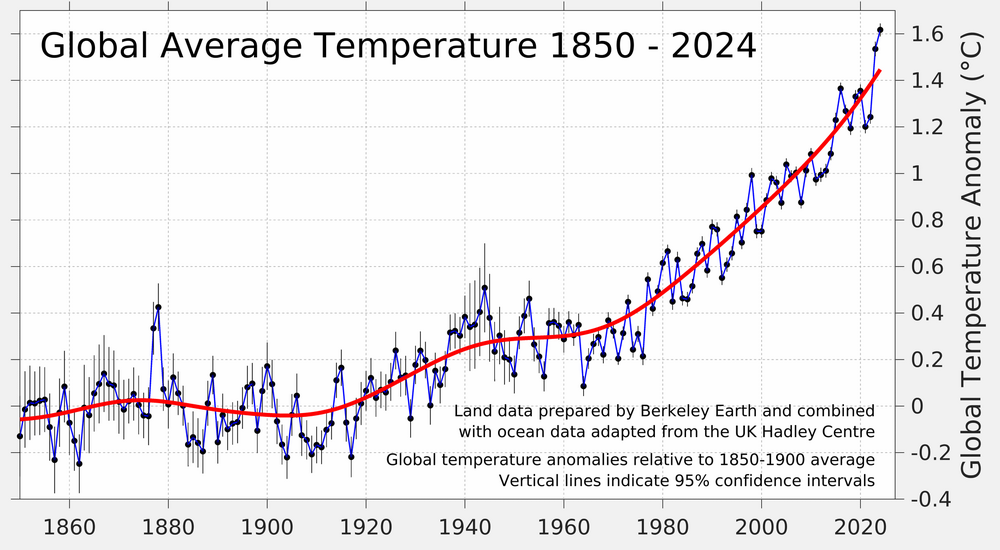
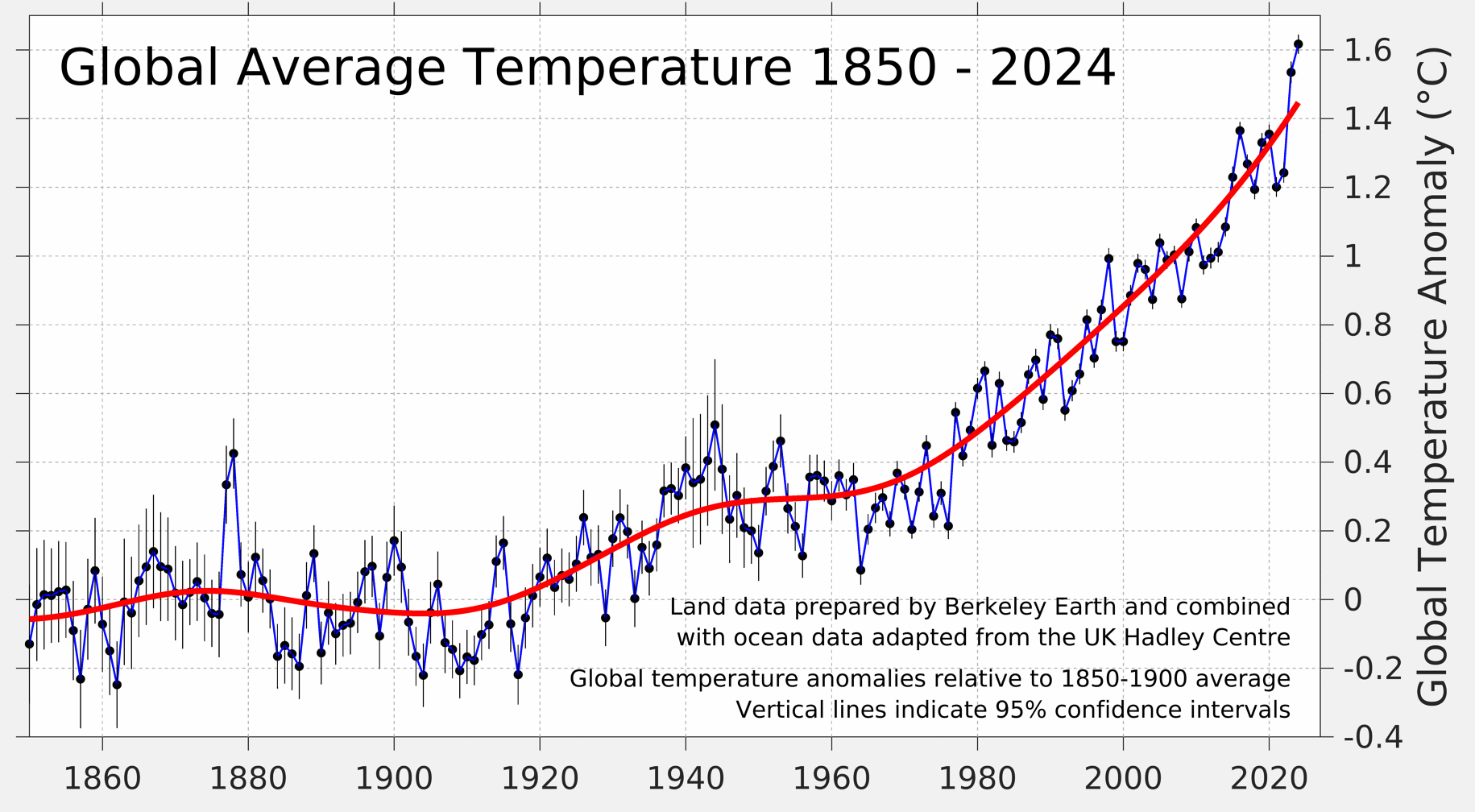
We had a smaller temperature rise with the 80s into early 90s El Niño events since we were just coming out of the cooler climate prior to 1980. The first global first significant temperature jump occurred in 1997-1998. Then the next one in 2015-2016. Followed by 2023-2024. We didn’t find out what the CRCs were until after the events. So it’s going to take some time to know how all the details following this event also. https://www.nature.com/articles/s41467-025-66143-7 Climate regime shifts (CRSs), characterized by abrupt and persistent transitions between alternative stable states in the climate system, pose serious threats to ecosystems and human well-being. Understanding the potential drivers of CRSs is crucial, particularly in a warming world where CRSs are becoming more frequent. Here, using multiple observations and model simulations, we find that the likelihood of CRS occurrence significantly increases in the context of super El Niño events due to their remarkable climate perturbations. This higher probability is detected across various climate elements, such as surface air temperature, sea surface temperature, and surface soil moisture. In addition, we suggest that this boost effect of super El Niño events on CRSs will be greatly amplified under future greenhouse warming. Our findings underscore a deeper and more persistent climate footprint of super El Niño events, suggesting that early warnings and proactive measures are crucial for mitigating their escalating risks.