All Activity
- Past hour
-
That was 6hrs after the storm they work fast lol.
-
thats actually when i dont like snow. I hate that look
-

New Years Day 2026 - 1st snows of the new year possible
The 4 Seasons replied to Baroclinic Zone's topic in New England
Was there another very localized Tolland county event during this time (2016-2020)? Maybe im just thinking of the Mar 2019 storm but i thought there was another one that was even more localized to only tolland with 4-6" -
so far Pulaski has been a bust lol. Been watching this for 3 days. and nothing has really happened. https://fatnancystackle.com/pages/pages-salmon-river-live-web-stream?srsltid=AfmBOoq0rhYtqPt-KY7XSwYNwngzQqaKAAg5CtmgbsnJN1ZFMHDxdsi0
-
For tonight into early tomorrow (outside the WSW/WWA areas) afternoon disco from LWX Most hi-res guidance continues to hint at the potential for snow showers or squalls with some impacts north of I-66/US-50. Greatest potential in true snow squall warning criteria (winds > 25 mph, VSBY < 1/4 mile, and road temps below freezing) are favored in the Cumberland to Frederick, MD area. Will continue to monitor. Further south, a dry boundary layer is in place that gets drier overnight with FROPA. This is partially observed in the difference between the composite reflectivity in hi-res model guidance and the 1km AGL reflectivity. SFC Td depressions in most hi-res guidance >10F pre-frontal, and in the 15-20F range with FROPA. What this is getting at is it likely snows east of the mountains, but may not be true snow squall criteria. The confidence for accumulation east of the mountains still remains in question.
-
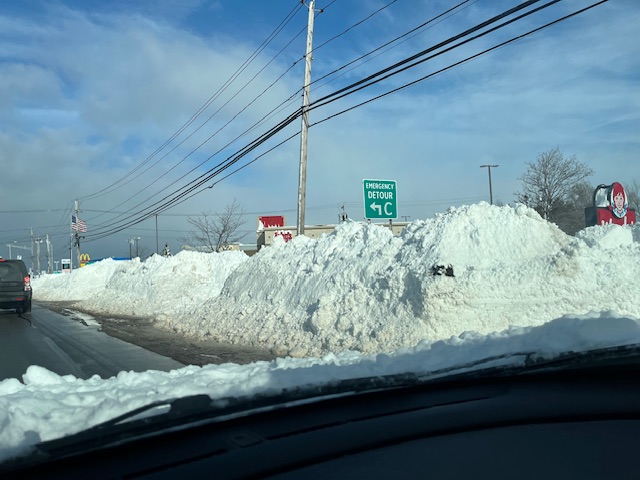
It was an insane experience up there.
-
i mean---i dont really need much up there. Imagine gaining 150 inches of snow a year and losing 2000 dollars a month of mortgage. https://www.realtor.com/realestateandhomes-detail/5739-Dover-Rd_Lake-View_NY_14085_M45954-07800
-
Saw more GAwx research that I believe showed Ph 6 in Nina Januarys averaged out to -2, but with big swings in either direction. January 1977 was something like -8 to -10 while it was in ph 6.
-

January 2026 Medium/Long Range Discussion
NorthArlington101 replied to snowfan's topic in Mid Atlantic
See you here in 2027. And 2028. Etc If we were a smarter group we’d all go in on a piece of property up there. Or even something at DCL. -

January 2026 regional war/obs/disco thread
Typhoon Tip replied to Baroclinic Zone's topic in New England
The suppressed Bermuda ridge is likely to introduce some challenges if/when it is there and this affair up in the -EPO --> N/A deep SPV sets up, but excluding that for a moment.. this, to me, has fundamentally more potential for winter event genesis. oh ... it's the la-la range GEFs, but they all have this look fwiw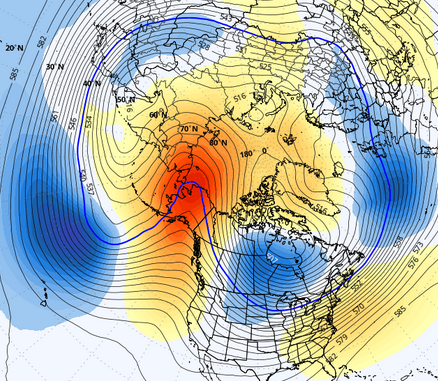
-
yes
-
You moving there?
-
lol.....works for me!
-
The 12z EPS looks like a washed out version of the deterministic which I posted a few posts back. Good trends.
-
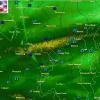
The green is convection, right...or is it the brown?
-
If you enjoy snow. Where I was when I seen 6ft in 24hrs.
-
is hamburg NY a nice place to live?
-
Flurries here on Staten Island
-
New Years Day 2026 - 1st snows of the new year possible
Damage In Tolland replied to Baroclinic Zone's topic in New England
I don’t think so . He was here a few different times over the years , but maybe he was for that one -

New Years Day 2026 - 1st snows of the new year possible
Tolland Death Band replied to Baroclinic Zone's topic in New England
The Tolland Massif’s shining moment. Was that the one where Ryan H was broadcasting from the green? -
Right now it appears that Monday's clipper is going too far north, but still 5 days to go. Hopefully we can get it to trend south so we can see a light accumulation.
-
If I had a dollar for everytime I heard the “better pattern just weeks away”
-
A light snow shower going on now.
-
Good read, thanks for posting. Please post more.
-
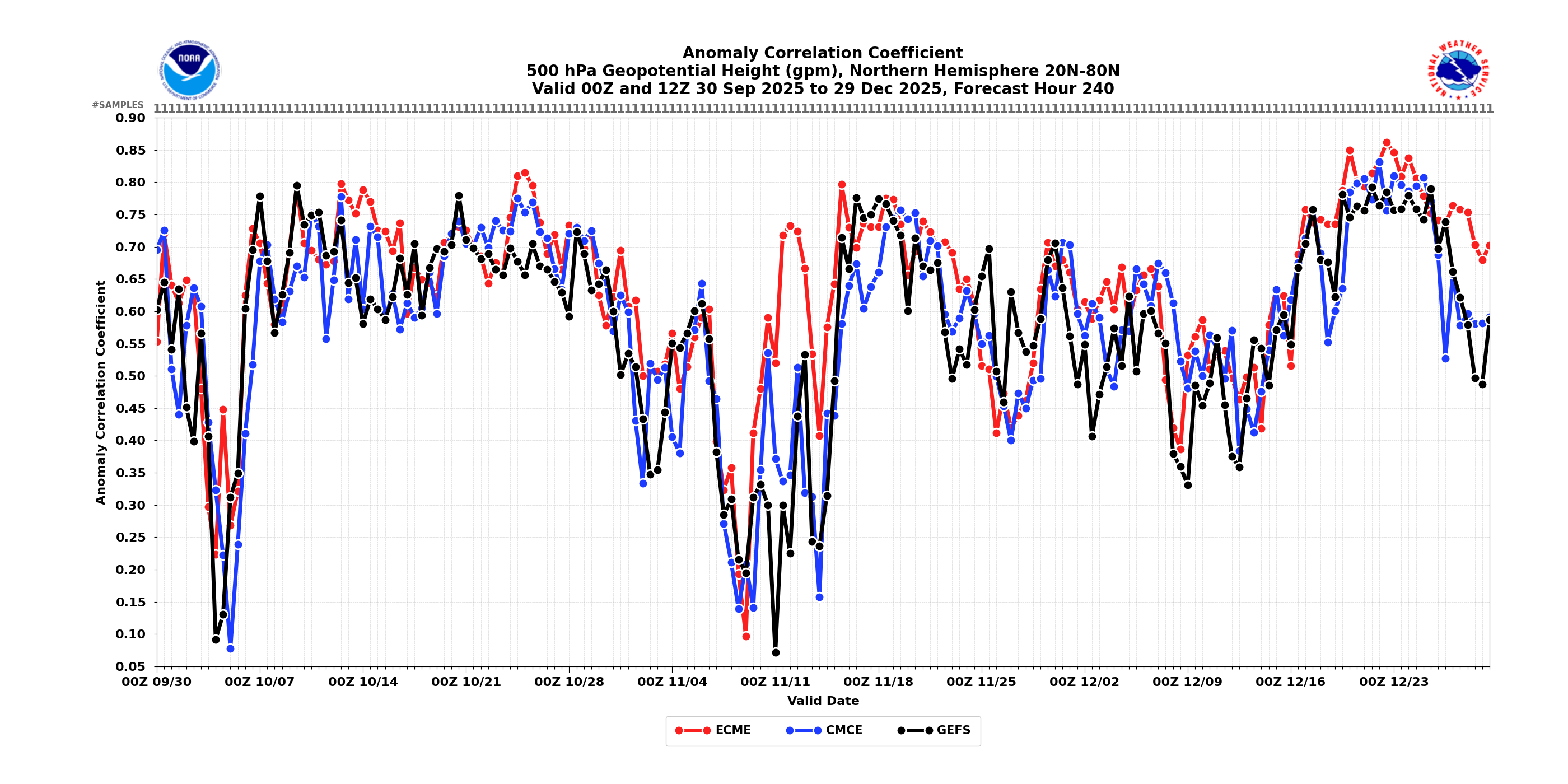
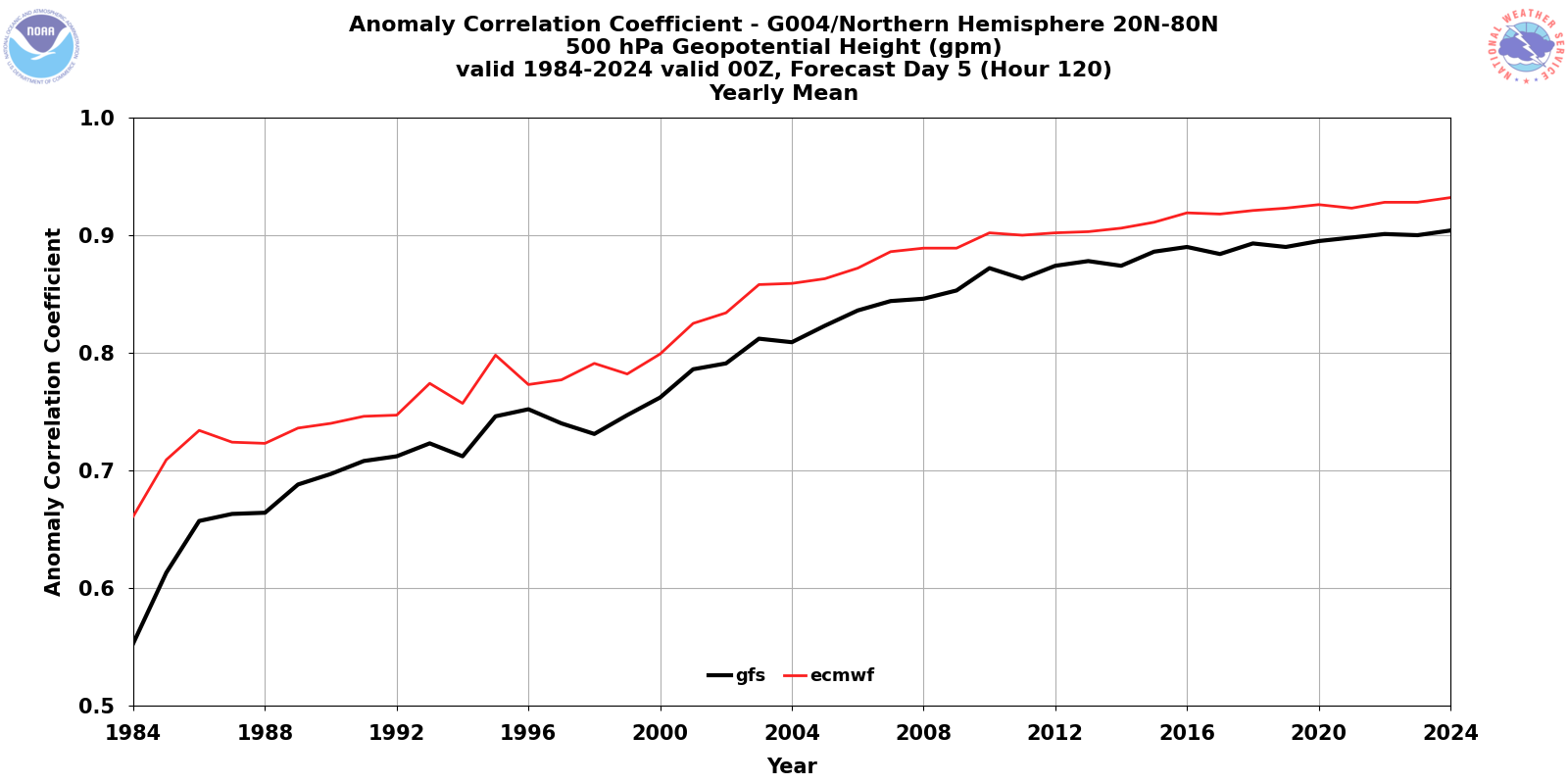
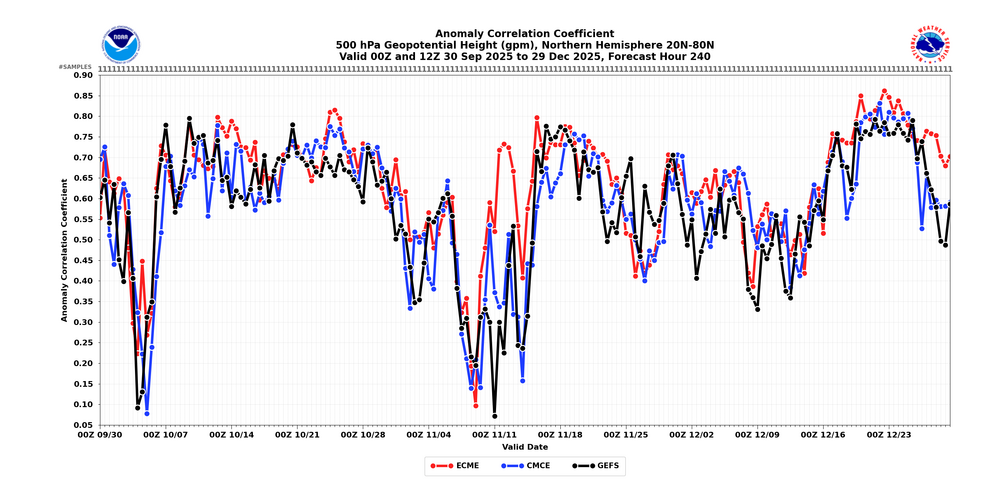
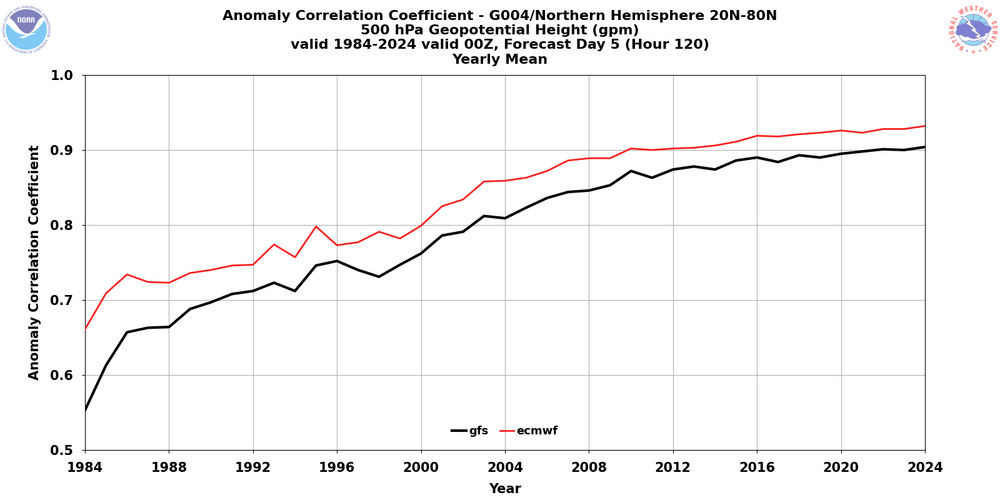
THIS. Even though our resident third graders want to moan that poor forecasts show that NWP is useless, there are certain patterns that for whatever reason just aren't predictable. The fact that all of the major world modeling ensemble systems showed something very encouraging for the end of the first week of January makes it clear that something about those forecasts (initial conditions generally driven by lack of observations or observational errors, the actual equations and parameterizations, numerical methods, or some combo of those) made skillful predictions impossible. But there are plenty of periods where guidance shows remarkable skill even at extended ranges. Here are the 500 mb anomaly correlation scores (the best measure of synoptic pattern success) for 10 day forecasts over the past 3 months for the 3 major ensemble systems (and yes, it only makes sense to verify ensembles at this range). A score of 1 is a perfect score, and the dates on the bottom are the days on which the forecasts verify, not when they're made. There were periods of poor performance by all 3 systems (early October and around November 9), periods of poor GEFS and GEPS performance but with the Euro doing fine (around November 12 and at the very end of December), periods of fair performance by all 3 (mid October), and periods of fantastic performance by all 3 (third week of November and especially the third week of December). Those scores between December 18 and Christmas are remarkable for 10-day forecasts and are numbers we could have only dreamed of 20 years ago. Advances in data assimilation and coupling of the ocean to the atmosphere in models will lead to even bigger improvements, and AI offers tremendous opportunities to run the massive size of ensembles needed to truly represent the uncertainty and potential for extreme events with more lead time. That doesn't mean that frustrations like those with the upcoming pattern will completely disappear, and it REALLY doesn't mean that we should soon expect models to lock in on a snowstorm 12 days out and never waver up until the day it happens. We just need to remember the current limitations and focus on consistency in patterns (and not details of deterministic runs at extended ranges) in ensembles, understanding that progress in forecasting the extended ranges doesn't preclude huge busts. I'll end with this plot of Day 5 anomaly correlation by year over the past 40 years (apologies for not having the values for Day 10). While the lines have flattened more than we'd like in the past 10 years (I think that AI is the way we'll see these rise again), and the GFS needs to catch up to the Euro, the progress is undeniable. Thanks for coming to my TED talk, and Happy New Year! pa
- 873 replies
-
- 14
-

-

-