
weatherwiz
-
Posts
82,052 -
Joined
-
Last visited
Content Type
Profiles
Blogs
Forums
American Weather
Media Demo
Store
Gallery
Everything posted by weatherwiz
-
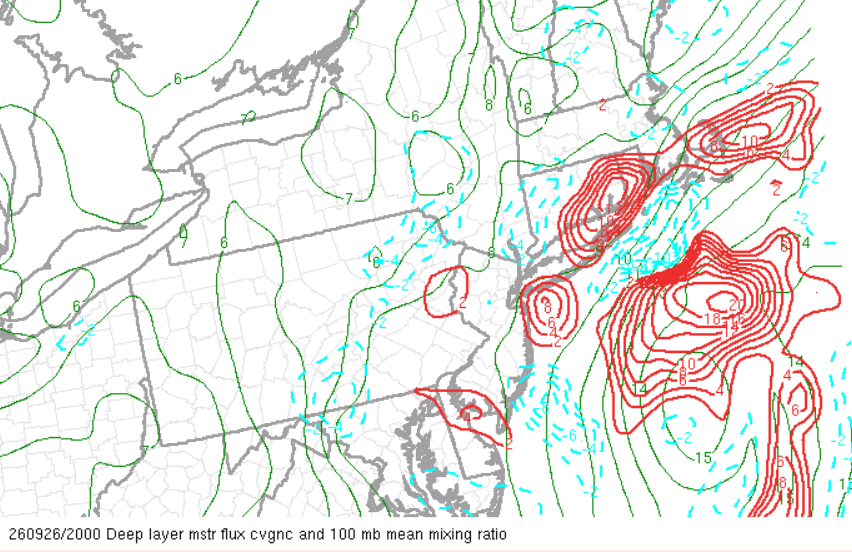
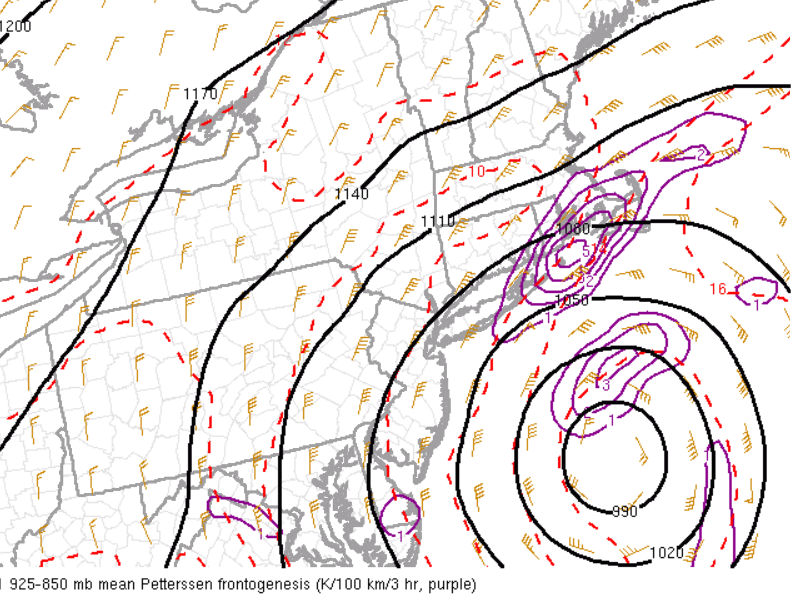
Probably going to start ramping up the flooding potential
-
RAP is pretty impressive. Even starts cranking the LLJ a bit earlier than some of the other guidance.
-
"meh lightning hit the house and blew out the outlets in every room but the bathroom was fine".
-
House gone tonight?
-
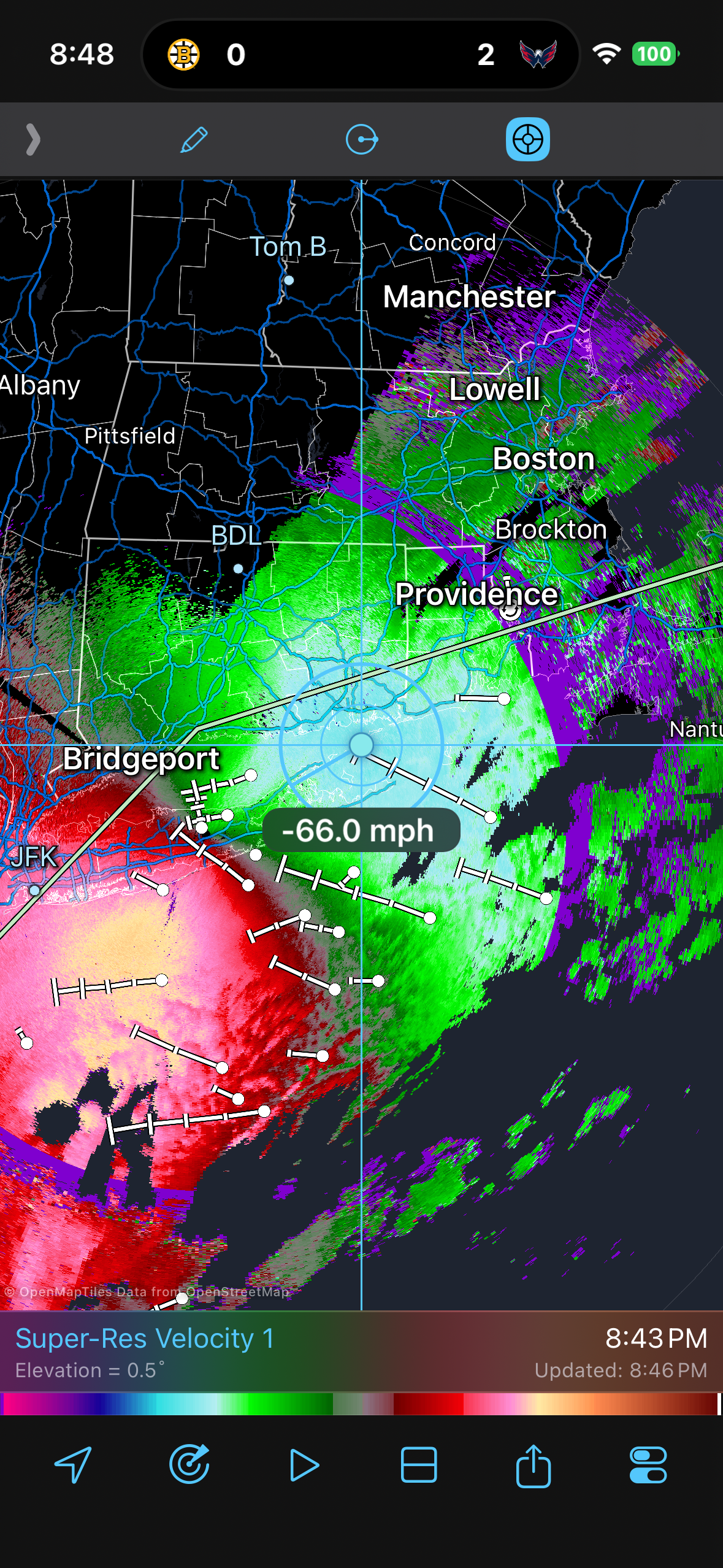
There's a giant spinner south of Long Island
-
HWW for CT shoreline
-
One thing to keep in mind too is as the surface pressure lowers as the storm continues to deepen and push north, 950mb isn't going to be particularly far from the surface...so much less vertical distance needed to reach and mix. Any inversion may end up being minute anyways, in fact, may not even be much of a negator. We're seeing good gusts 30-50 mph which really isn't anything different from what's just above the deck.
-
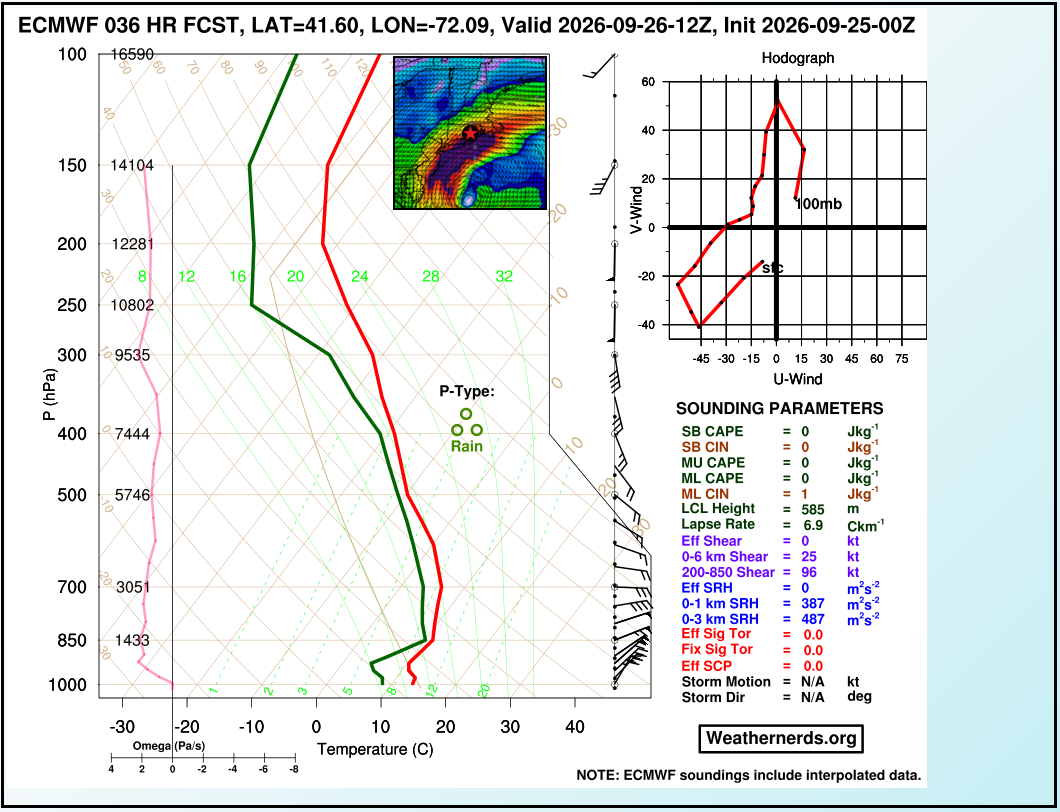
There's def a subtle inversion but one thing of note is the BL isn't fully saturated - there is enough Td - T separation that we probably could mix that down. Have to watch temp and dew point trends through the evening. Also have to watch for convection - have a few hundred J of MUCAPE which is probably helping with those isolated embedded thunderstorms in CT
-
16z HRRR is widespread 40-50+ knots at 950mb from eastern MA back through much of CT overnight and 55 knots towards the coast
-
I don't see this storm or have not seen this storm hyped by any local meteorologists out there. The key points of storm impacts were illustrated and highlighted well. How people decide to respond and actions taken is on them. In fact, I think you could even argue what measure people are taken is not in fact a bad thing but a mere positive. It illustrates increased awareness from the public, a greater trust from the public in forecasts, and people's ability to manage around inclement weather. I don't really see anything wrong with stores being "flooded" with people before a storm. I mean, in this day in age, who has the means to keep a fully stocked fridge and freezer? People are probably getting food and supplies "as needed".
-
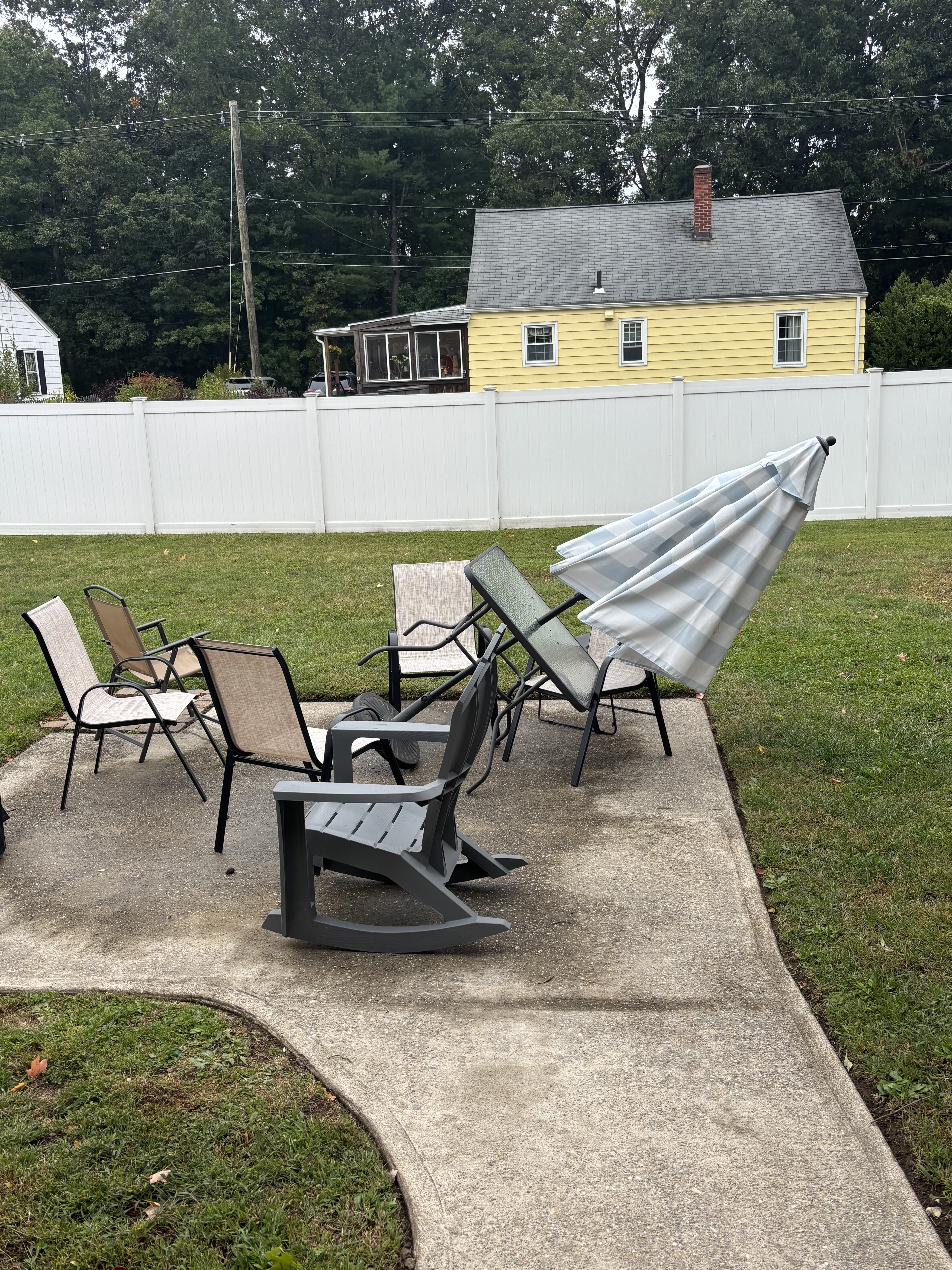
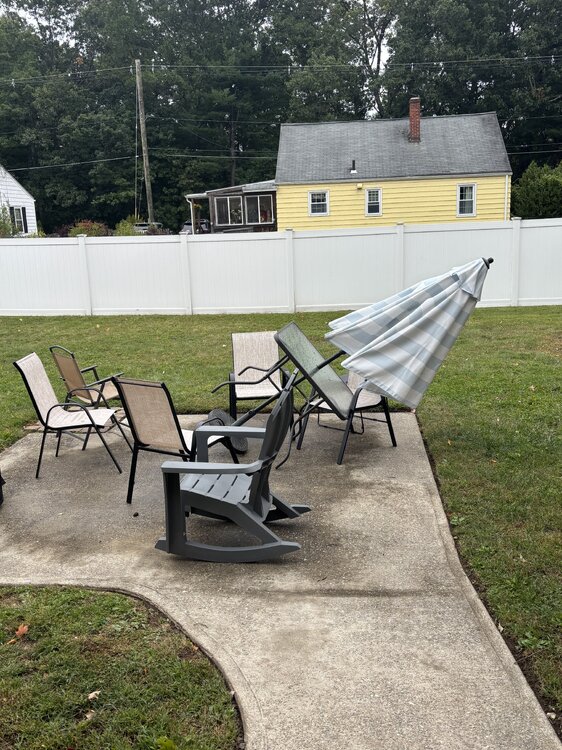
I hate that table, I wouldn't have minded if the chair was there But yeah that would have not been fun, especially having a dog. Getting the glass off the pavement wouldn't have been terrible but if any small pieces got into the lawn...yikes.
-
LFG
-
Outside of the coast inland areas don't get another pulse of a stronger LLJ until tonight. At that point its just a matter of how well we're mixing. But this seems to be going about par thus far.
-
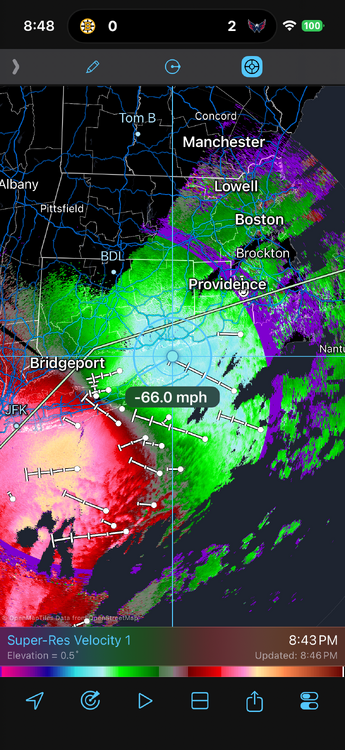
Cranking that LLJ
-
surprised they didn't with the afternoon update.
-
Maybe gusts 60-65 on parts of Long Island later tomorrow on the 18z NAM.
-
I'm really curious what the algorithm is (and this could vary by vendor) for the wind gust output products. I would presume its something as simple taking the wind at the top of the models forecast of the mixing height and bringing that to the surface. If that is true, that could explain why the gust products are more underwhelming in this situation. With a subtle inversion present just above the ground, the model mixing heights may be meh (probably barely mixing beyond a several hundred feet) but we'd probably mix deeper than that, particularly a bit inland from the shoreline.
-
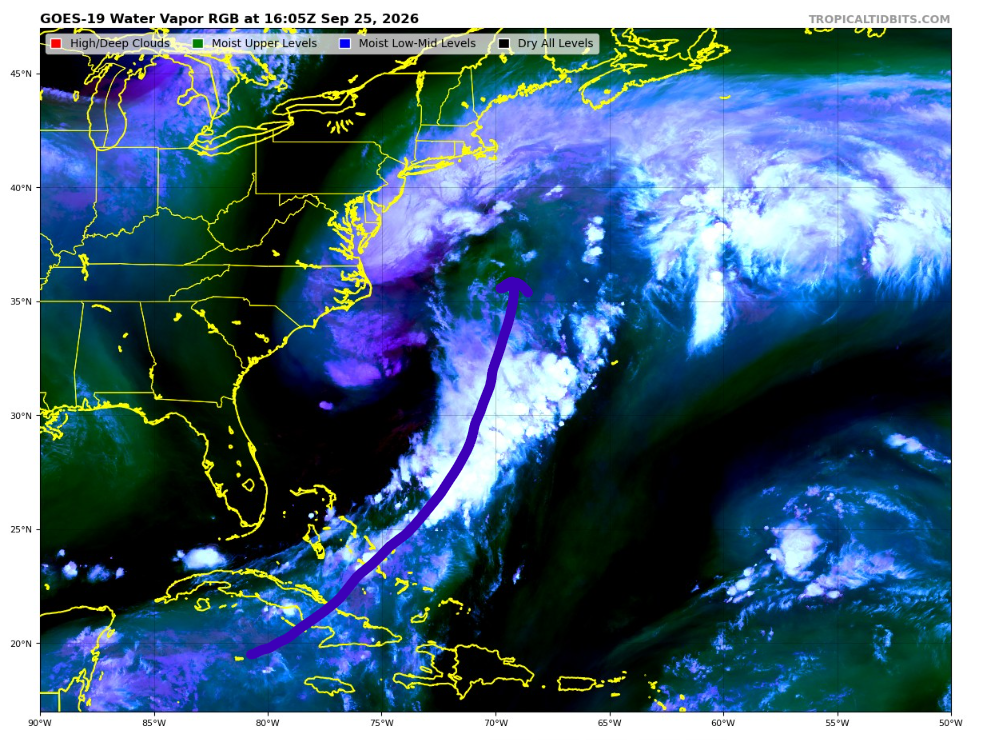
Some convection blossoming too north side of the center. Also, a very nice flux of moisture entraining into this from the Caribbean
-
GFS doesn't seem as inverted either, especially inland. In fact, even developing a couple hundred J of MUCAPE
-
I'd also watch for models overall to perhaps miss some of the very early rain potential (which could have implications on overall flooding risk too). Wouldn't be shocked to see some rain and rain bands get in much earlier than indicated and the rainfall rates would be quite heavy. Maybe progressive movement limits totals but something to watch
-
Not bad stuff mixed in there. Tomorrow is going to be a fun day seeing how this plays out
-
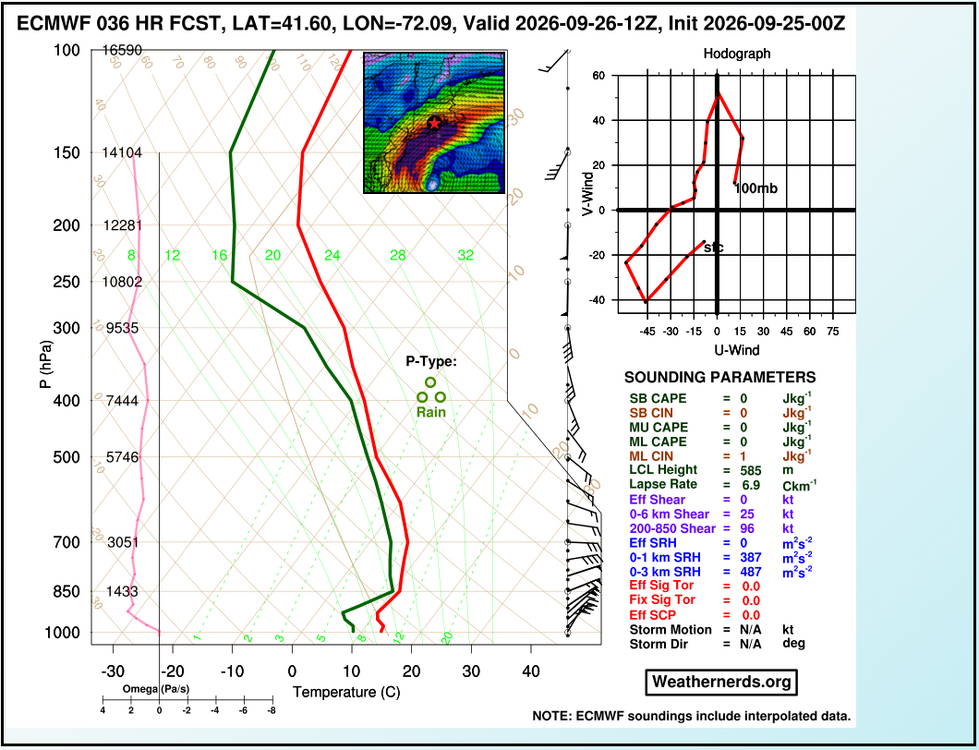
Yeah looking at some euro soundings for tomorrow morning inland CT there is a shot we can gust 40-50 even inland, especially the eastern half of the state
-
Yeah there is a bit of an inversion but not particularly strong or very deep. I can still see the coast gusting 50-60 mph, particularly with any rain bands. But given how shallow the inversion is, we have to watch sfc temps very closely. Another 1-2F warmer and the inversion is weakened and may not do much in preventing some of those stronger winds from being tapped into.
-
Yeah Euro would be some big winds along the CT shore
-
LLJ looks a bit more robust on the 18z NAM