
jconsor
-
Posts
1,016 -
Joined
-
Last visited
Content Type
Profiles
Blogs
Forums
American Weather
Media Demo
Store
Gallery
Everything posted by jconsor
-
2021 Atlantic Hurricane season
jconsor replied to StormchaserChuck!'s topic in Tropical Headquarters
Apropos to William Gray's famous bell that he would ring on Aug 20 marking the rapid uptick in climatological activity... here is a look at how common hurricanes are in the MDR in the first two-thirds of Aug. The short answer - they are surprisingly uncommon and not a good indicator of seasonal activity! -
2021 Atlantic Hurricane season
jconsor replied to StormchaserChuck!'s topic in Tropical Headquarters
-
2021 Atlantic Hurricane season
jconsor replied to StormchaserChuck!'s topic in Tropical Headquarters
-
2021 Atlantic Hurricane season
jconsor replied to StormchaserChuck!'s topic in Tropical Headquarters
Interesting correlation between anomalously warm waters in the western Atlantic (off east coast of the US) early in the hurricane season and East coast landfalls. There also may be a correlation with wet Julys in the coastal plain of the northeast US. -
2021 Atlantic Hurricane season
jconsor replied to StormchaserChuck!'s topic in Tropical Headquarters
I would watch for homegrown development (in GOM or off the coast of eastern US) through the first third of Aug, with limited chance of anything forming in the MDR. Then I would expect MDR activity to begin picking up by around the third week of Aug. However, either type of development would pose higher than usual landfall risks by mid to late Aug based on the projected pattern (similar to the pattern from late Jun to first week of Jul that led to the all-time record heat in the Pacific NW/W. Canada as well as very hot conditions in the ne US). -
2021 Atlantic Hurricane season
jconsor replied to StormchaserChuck!'s topic in Tropical Headquarters
JMA scenario of rising cell in Western Pacific continuing to dominate into mid-Aug is unlikely to verify, in my view. -
2021 Atlantic Hurricane season
jconsor replied to StormchaserChuck!'s topic in Tropical Headquarters
W Pacific TC activity has a significant suppressive influence on favorability for TC activity in the Carib and W. Atlantic, but less influence in the eastern Atlantic. -
SVR-PRE (ELSA) potential NYC subforum Tue-Fri morning July 6-9, 2021
jconsor replied to wdrag's topic in New York City Metro
-
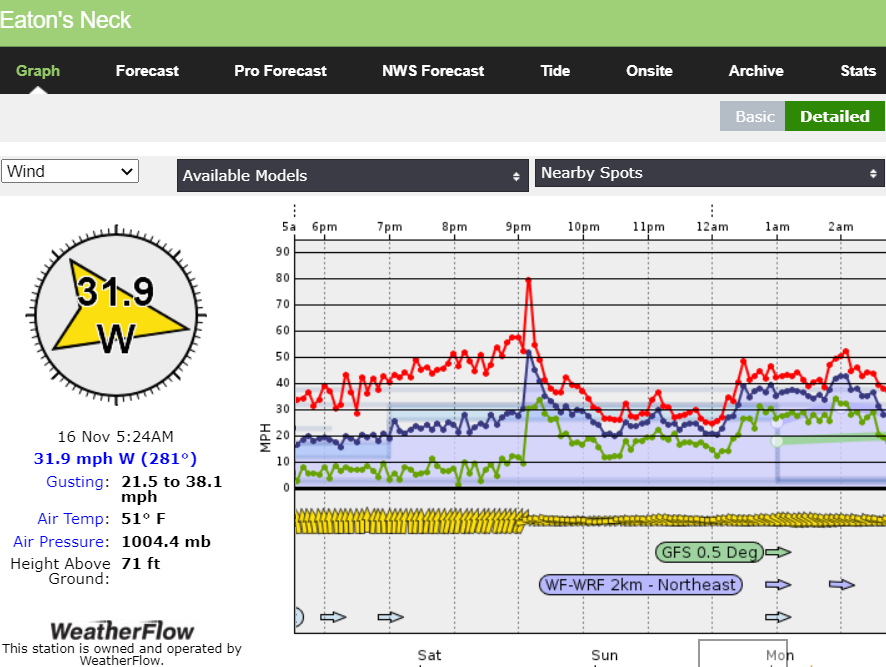
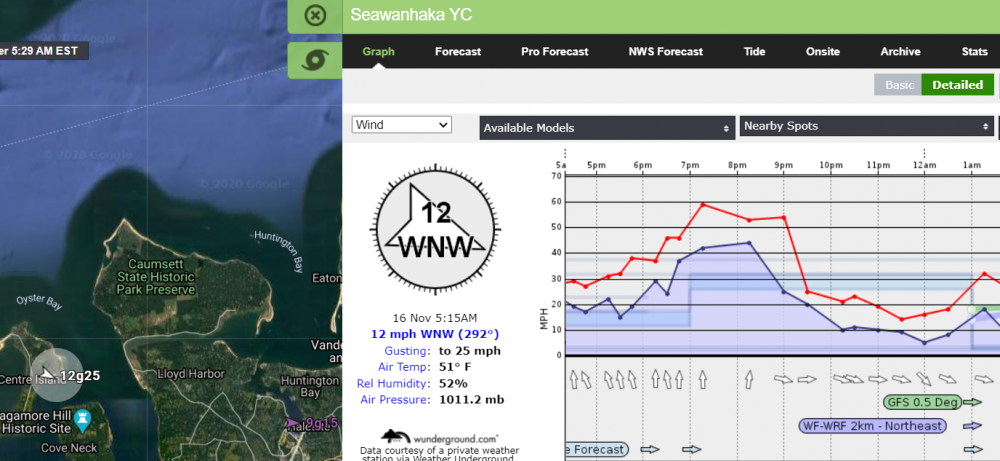
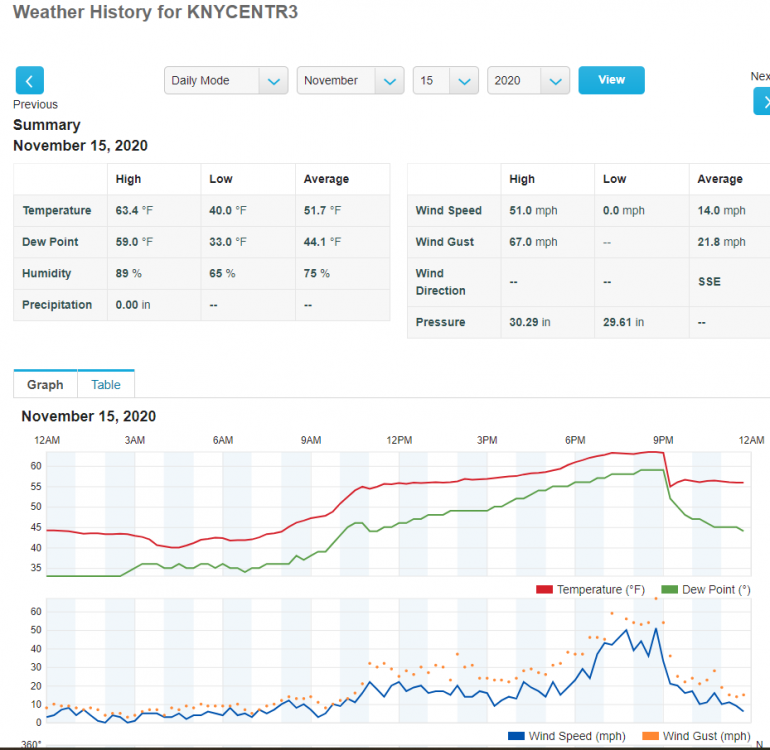
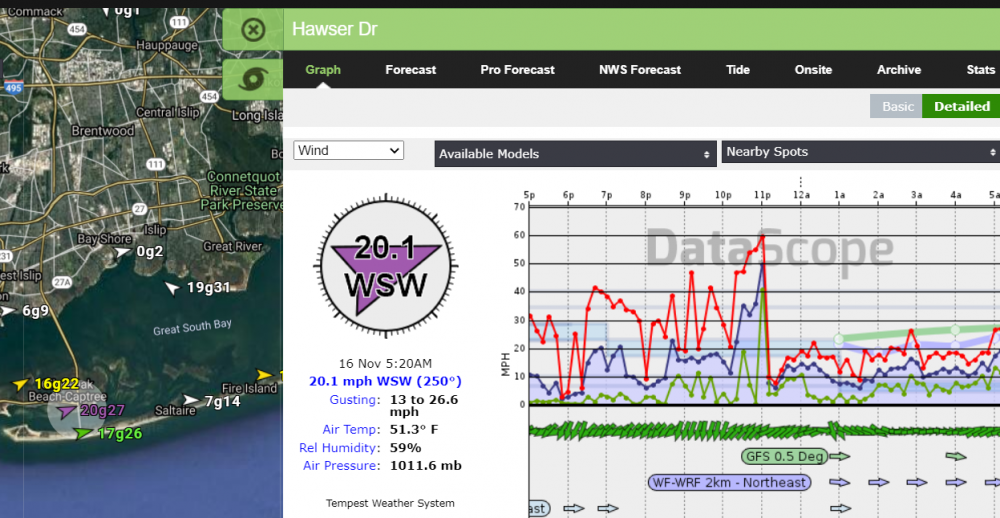
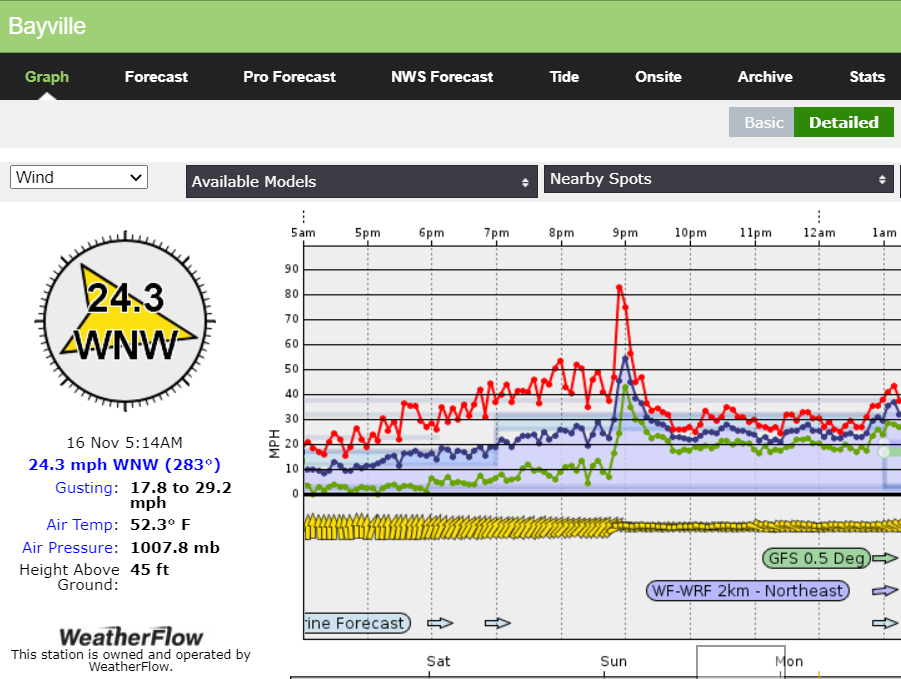
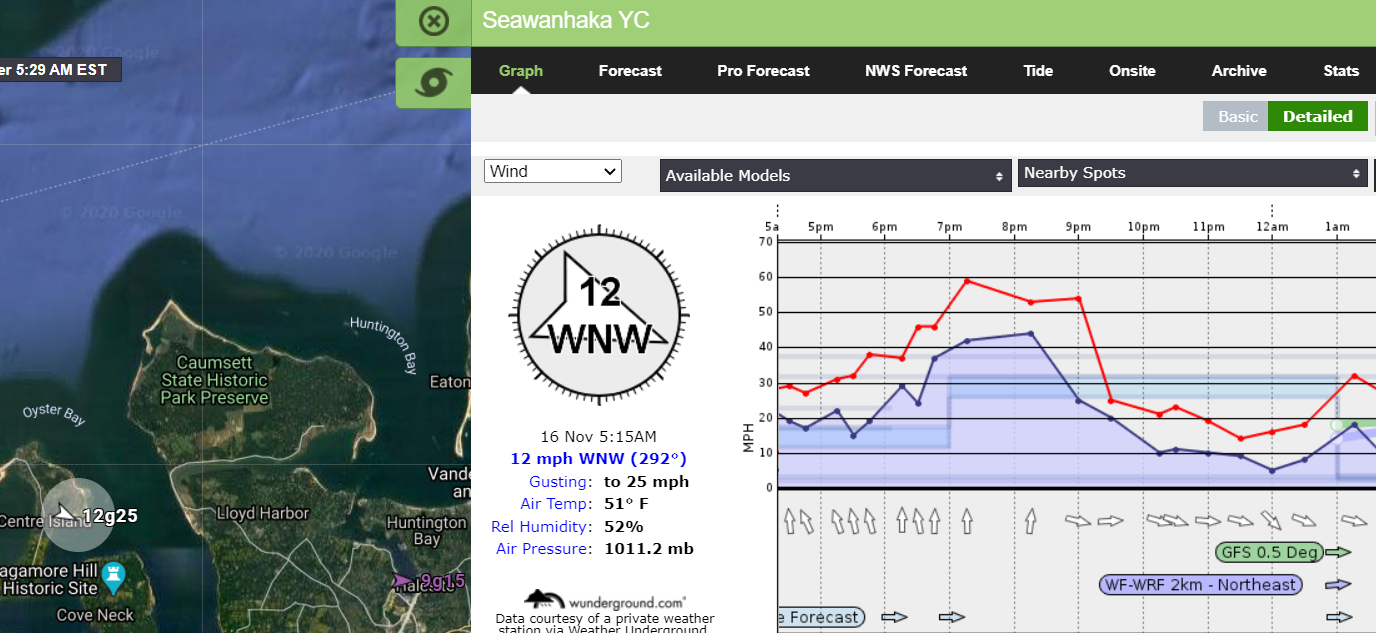
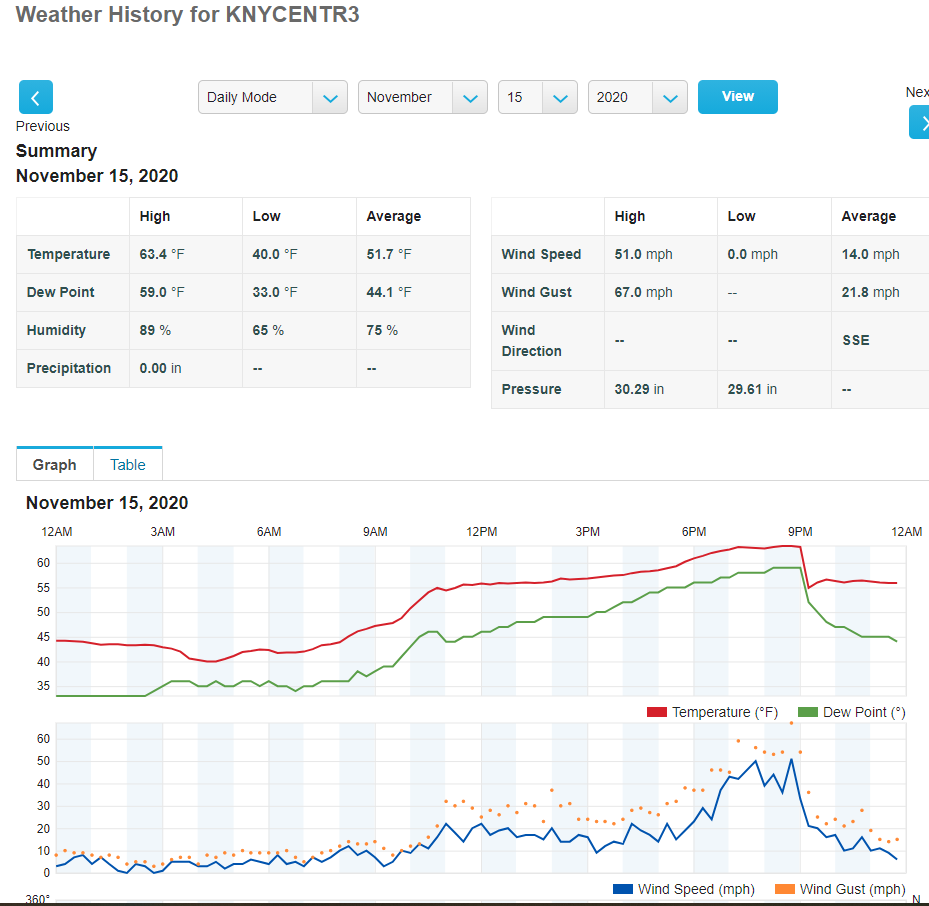
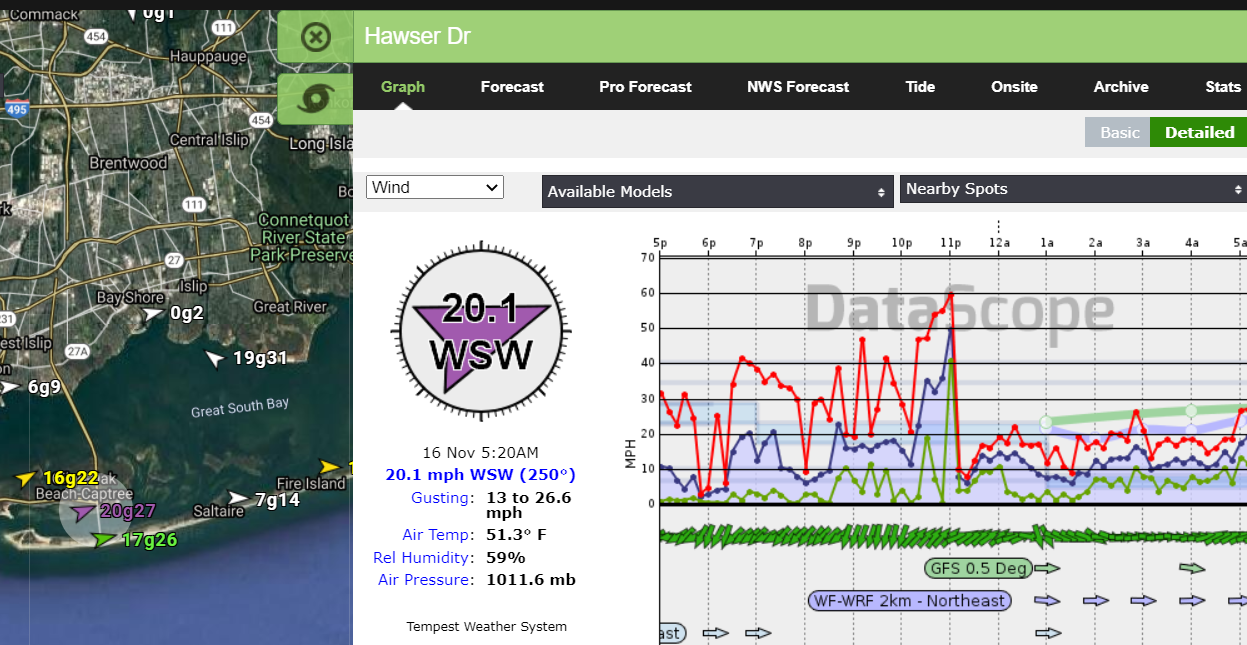
The 83 mph gust at Matinecock Point was from a WeatherFlow station and was slightly elevated (45 feet or 13.7 m versus standard 10 m anemometer height). It converts to around 80 mph at standard height. The station is called Bayville by WeatherFlow, but is actually located at the northern end of Glen Cove, slightly west of Bayville. Another elevated WeatherFlow station (71 feet or 21.6 m, on top of a lighthouse) in Eatons Neck reported a 80 mph gust, which converts to around 74 mph at standard height. A Weather Underground station in nearby Centre Island reported a 67 mph gust. Per the WeatherFlow stations, gusts on the immediate South Shore were a little lower than on the immediate North Shore. Highest gust I saw from WeatherFlow stations on the South Shore was 60 mph in Oak Beach near the eastern end of Jones Beach Island. You can view the WeatherFlow data (for a limited time, as long as Hurricane Iota is still around) here: http://ds.weatherflow.com/storm/iota#40.641,-73.27,15,19