OHweather
-
Posts
5,057 -
Joined
-
Last visited
Content Type
Profiles
Blogs
Forums
American Weather
Media Demo
Store
Gallery
Everything posted by OHweather
-
Winter 2021-2022 Outlook
OHweather replied to 40/70 Benchmark's topic in Weather Forecasting and Discussion
Ray, that was a great read and forecast, thank you for taking the time to put all of that together! As you know I agree with most of your general ideas. I especially enjoyed how you looked a little closer at certain La Ninas and explored why they were milder or colder than other La Ninas...and based on how this one is leaning, it seemed to me that your research pointed to decent blocking potential? I also found it interesting that you found that eastern Pacific La Ninas, along with La Ninas in an easterly QBO (removing 11-12), tend to be colder later in the season than December, which kind of bucks the "typical" La Nina expectations. I am curious to see how this year plays out. We had a number of similarities in our analogs, and mine also bring back blocking for the end of the winter after relaxing for several weeks January into February. I do think December may be quite cold this year so it could be very hard to pull off a colder Feb than Dec this year, but that could at least indicate that we get a nice shot of cold and snow potential early, and that there's at least an argument for another shot late. I feel like a strat warming event, if one occurs, is a potential wrench. Like you, I'm skeptical of an early SSW (though there should be enough occasional disruptions to keep the PV from getting prohibitively strong). Typically when an SSW occurs it's mild over the eastern CONUS when it happens, and gets cold a couple to a few weeks later, so an early SSW in December or early January could really change-up the December-January portion of the forecast (as we kind of saw last winter, with a mild period late Dec through mid-Jan as the SSW occurred, then a colder late Jan and Feb). However, I'm skeptical of an early SSW this year. But, if one occurs later in the season (such as 17-18) it could line up better with the expectation of a milder mid-winter period, then another crack at a colder / blockier pattern late. So, it will be interesting to see if we get a SSW that influences the pattern at some point. It's also possible the stratosphere is relatively more boring this year than in recent winters too. It seems like recent winters (since 17-18) have either had a true SSW event or have had a very strong PV, with nothing in between. -
Some Thoughts on the Winter 2021-22 Outlook
OHweather replied to OHweather's topic in Weather Forecasting and Discussion
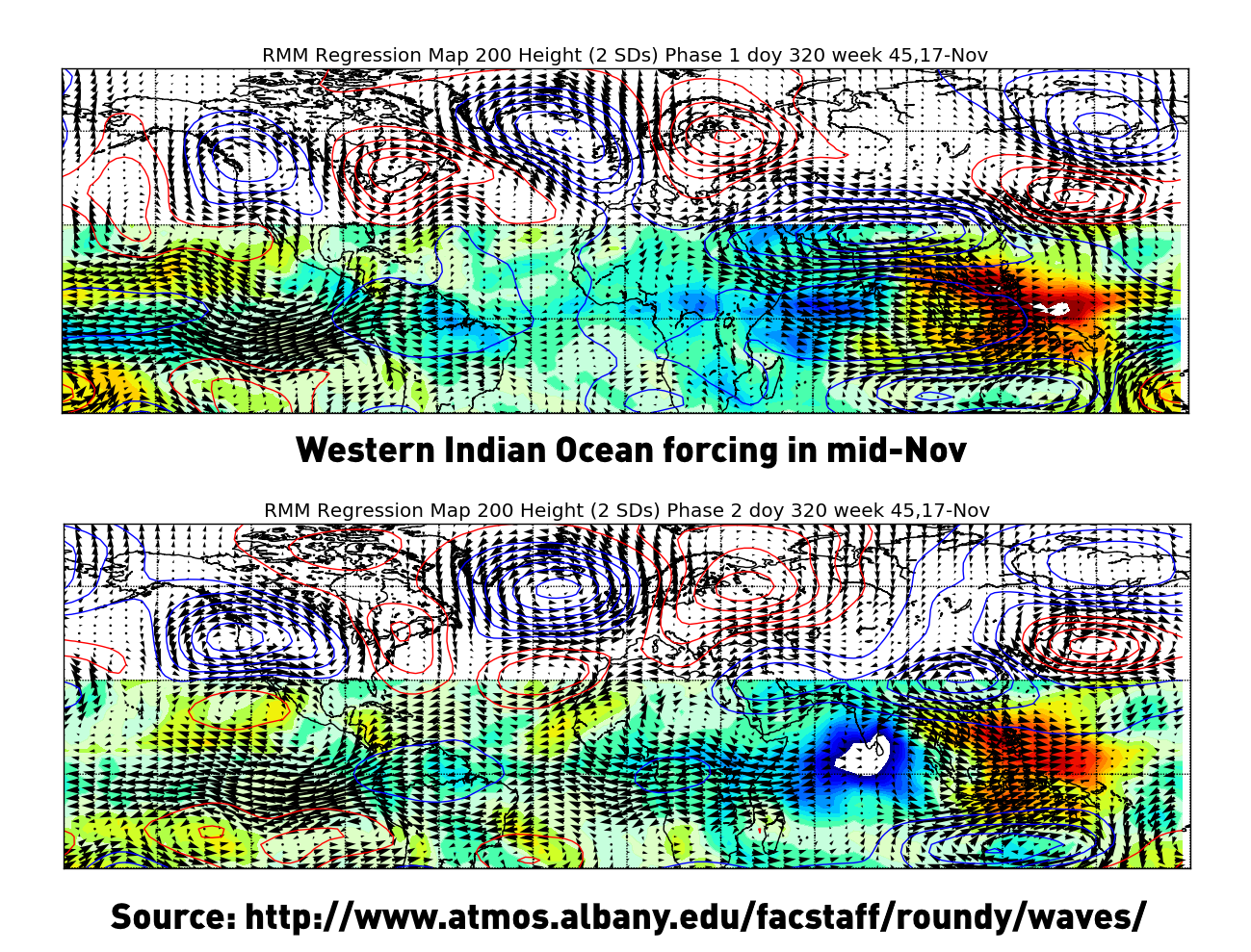
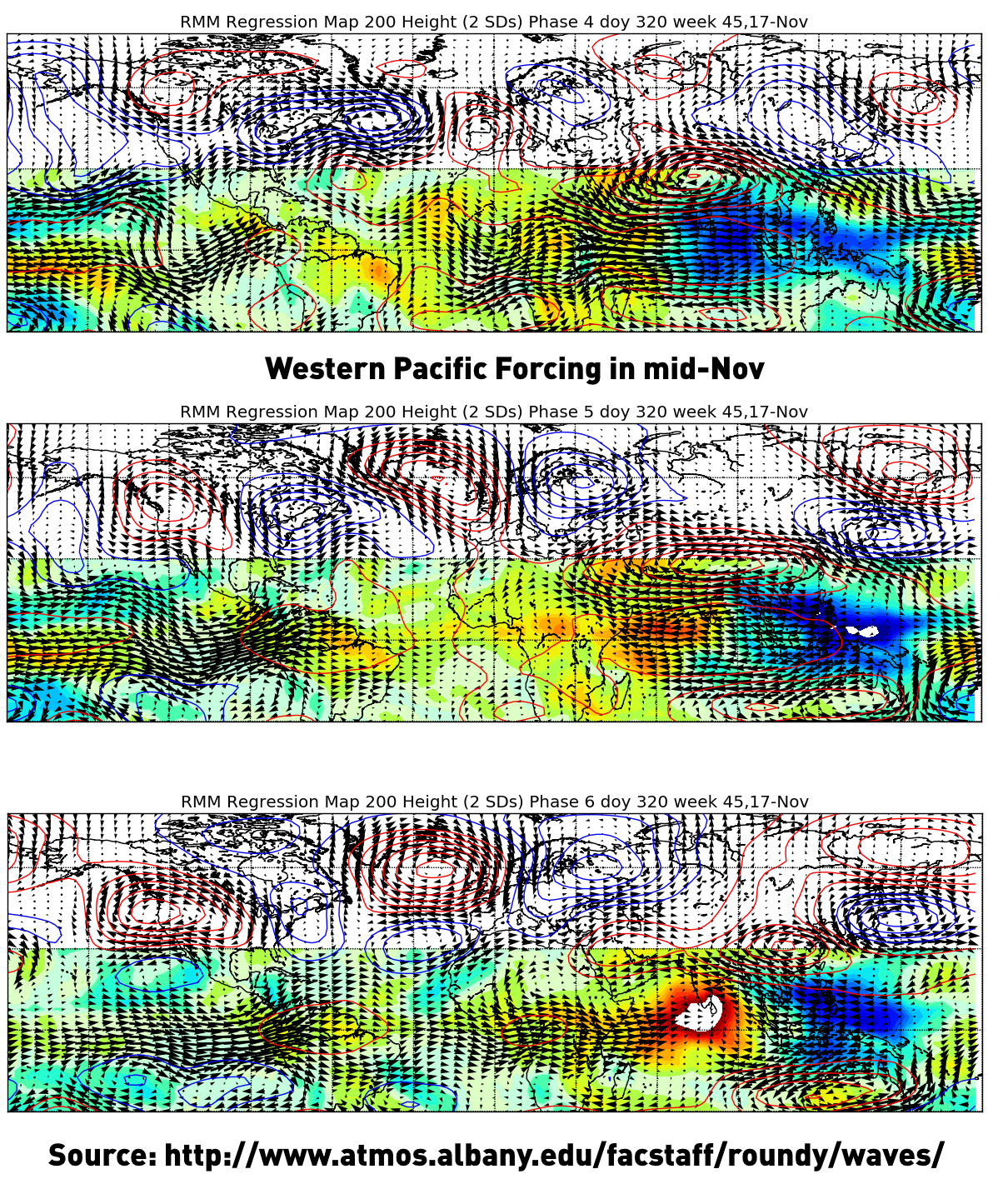
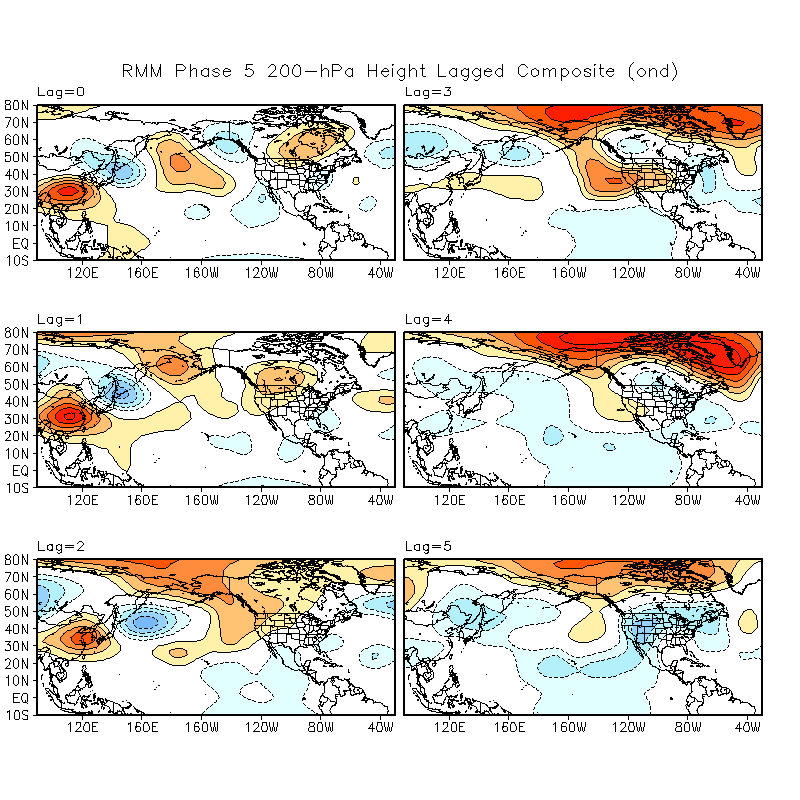
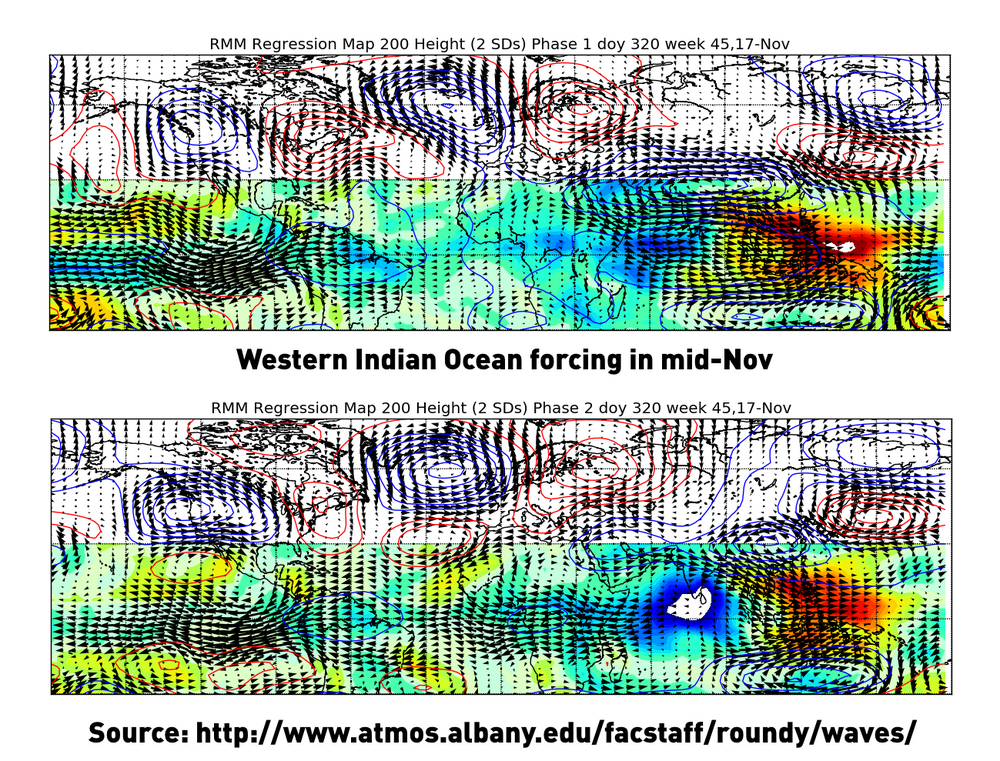
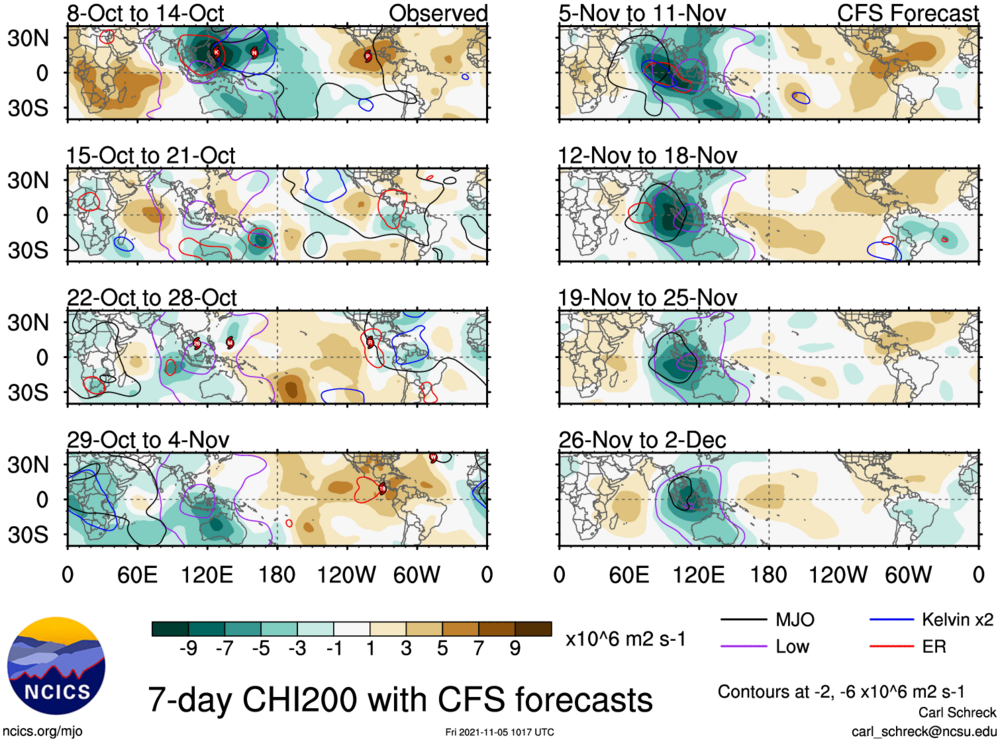
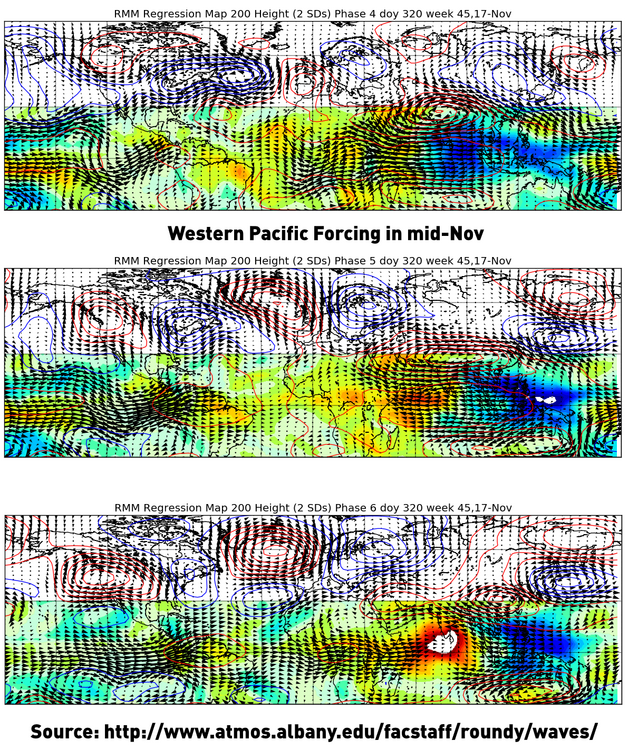
PRETTY SURE this fall is NOT going the way that the fall of 2011 did... Due to ENSO and QBO similarities, it was necessary to consider it as an analog heading into the fall. However, that year featured persistent western Indian Ocean forcing, near 60E. That teleconnects to a +EPO in November: http://www.atmos.albany.edu/facstaff/roundy/waves/ (yes I know you can't click the link on the image) This year, the forcing is definitely focused closer to the Maritimes, near 110-120E: That teleconnects to a -EPO in November: And the models are obliging, for now. While I'm not 100% sure what this winter is yet, I am pretty sure that it's NOT 2011-12 or anything particularly close to it.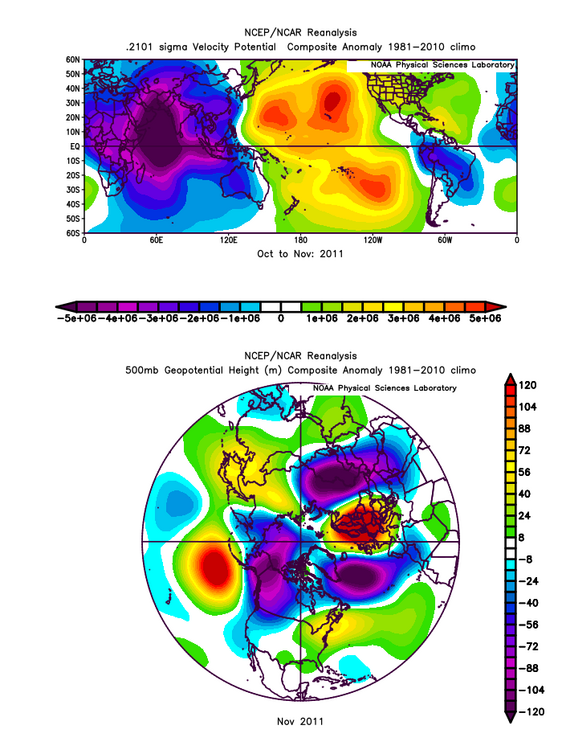
-
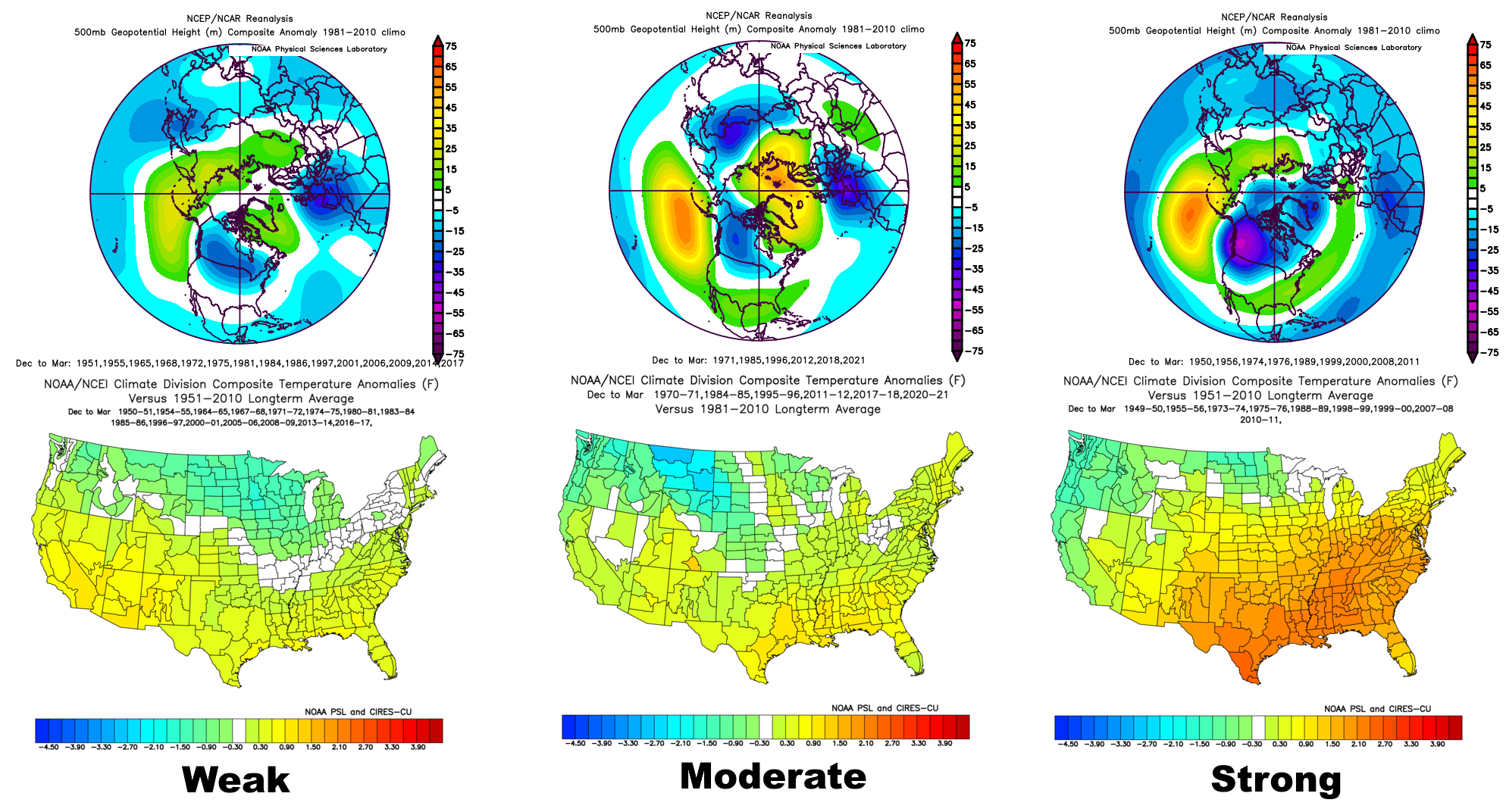
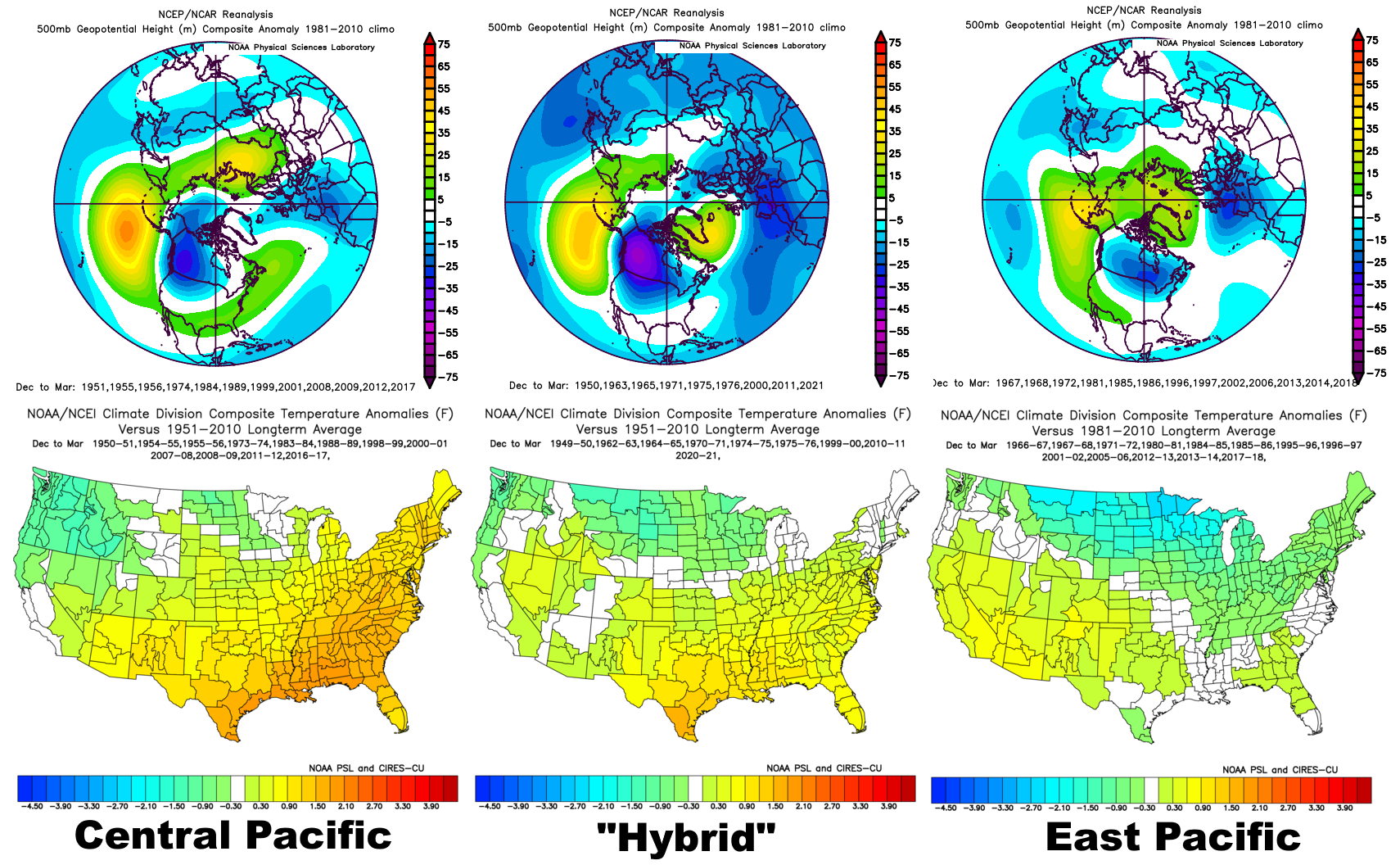
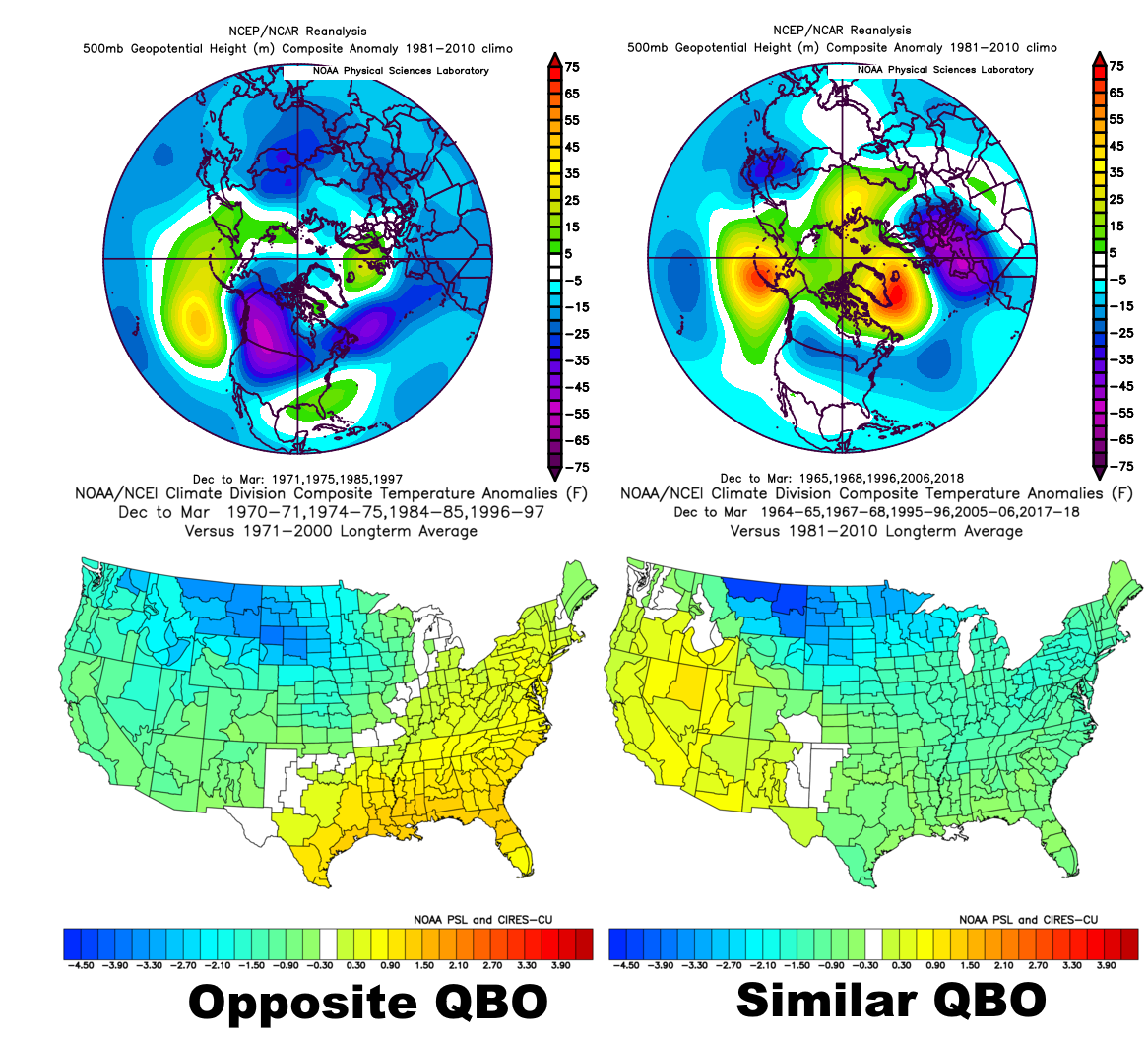
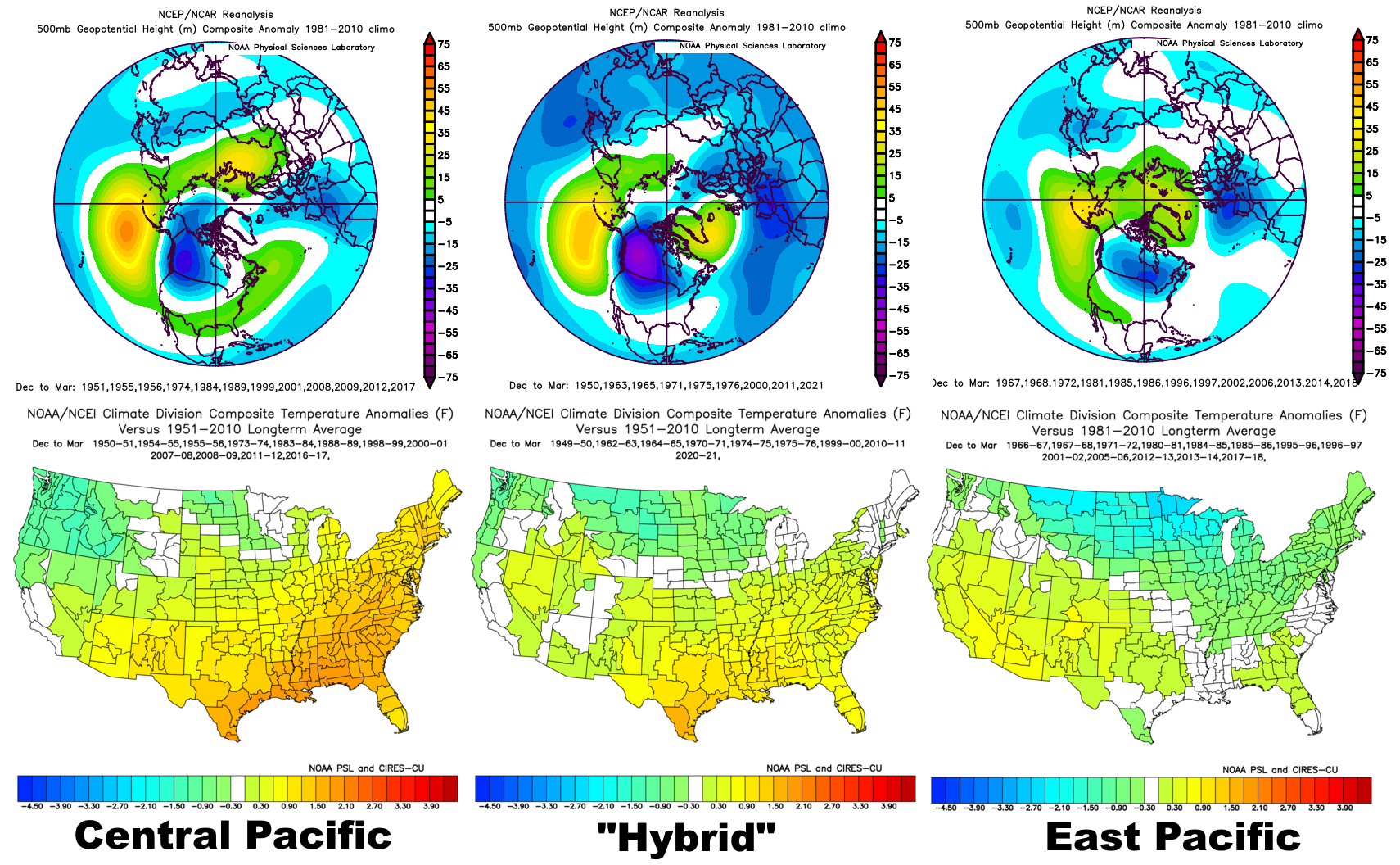
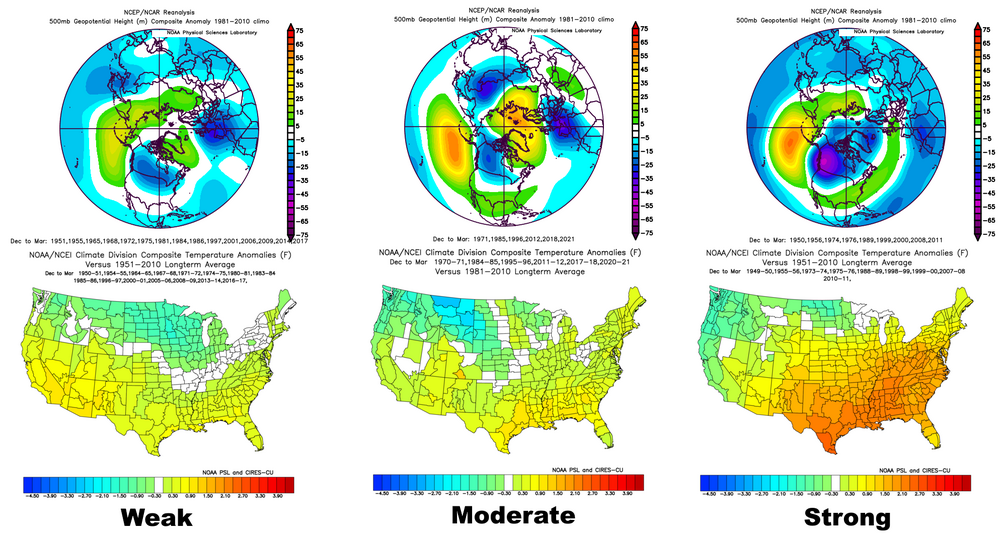
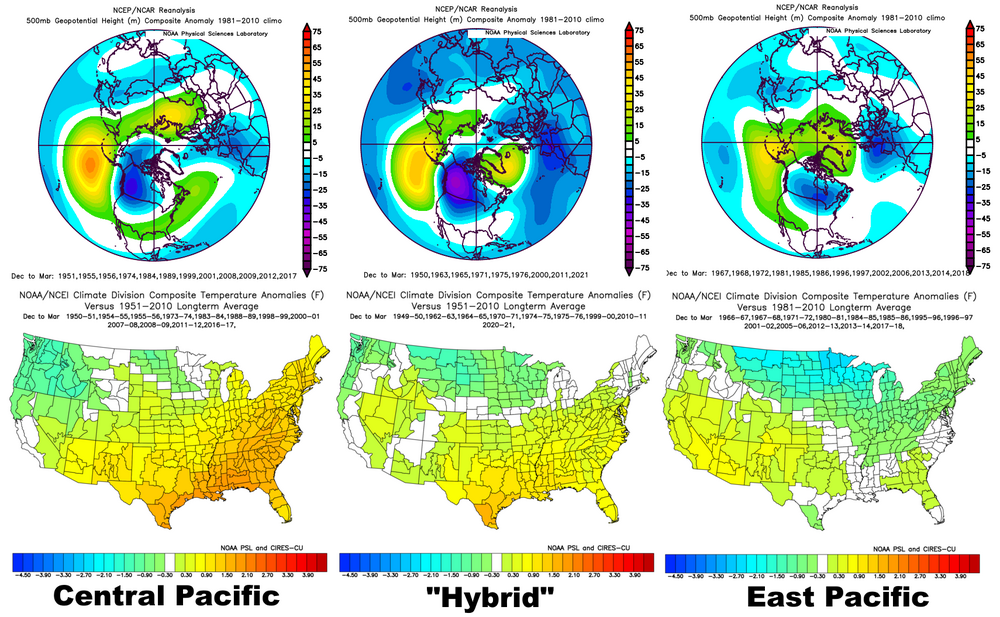
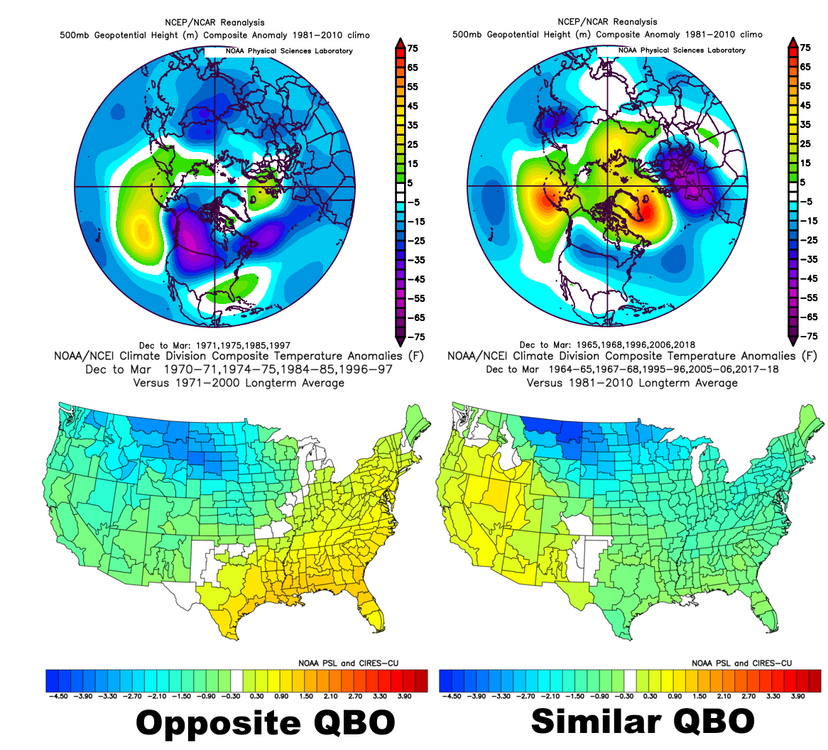
There is some support for Chuck's teleconnection outcome... Moderate La Ninas which this one is have a nice -NAO signal, but with a +EPO. The AO is close to neutral: This is a hybrid or basin wide La Nina...also supports a -NAO, but +EPO and AO: With that outcome, it'd generally be tougher to snow farther south, but would be an active northern stream and if ridging briefly amped into Alaska it'd get cold farther south and could snow. The -NAO keeps the Great Lakes and New England from torching. But, the descending easterly QBO may give some more hope (hybrid and east-based weak to moderate La Ninas with westerlies descending or easterlies...we have easterlies this winter): I like a -NAO this winter. I think the AO and EPO go positive at times, but also think we get a nice crack at a -AO and -EPO through December, so we could have quite a cold start before those trend more positive January and maybe February...then the SE ridge flexes more, but the NAO may hold off a torch in the Great Lakes and New England. That's kind of what I envision...Chuck's -NAO/+AO/+EPO could pan out for the season overall, but with a cold start and then still somewhat variable in the Great Lakes and New England, but milder farther south.
-
Are you thinking -NAO, -PNA, +EPO this winter?
-
I knew it couldn't be a good sign when I checked for the PNS and saw a damage survey from the October 21st tornado outbreak. Bands never got organized last night...kind of funny that the best accums in NE Ohio occurred during the day yesterday in Lake County when it was in the mid 40s outside of the bands...I saw a few pictures on Twitter of some light accumulations (maybe up to a few tenths) yesterday in Lake County.
-
Interesting little lake effect set-up tonight - Tuesday night for parts of NE OH / NW PA. As dta said, decent shot at flakes at the least. Beyond some graupel in heavier showers, it should be mainly rain through tonight with a W to WSW wind keeping activity confined to extreme NE OH into PA / SW NY. It becomes colder aloft on Tuesday with a W flow persisting, with a shortwave moving through late morning / afternoon from west to east, which may focus a couple of decent W-E oriented bands for a few hours and probably causes a few diurnal (non lake effect) showers to pop inland, which could fall as some sort of mixed precip. It should be too warm during the day for more than a slushy coating of snow or graupel in parts of NE OH / NW PA into SW NY, though will likely be cold enough for a decent amount of mixing in any heavier squalls or bands. Tuesday night is a little more interesting, with another shortwave moving through late-evening into the overnight from west to east across the lake. One or two more intense W-E oriented bands (along with orographic enhanced showers) should flare-up in the evening, and then at some point overnight shift inland and break up as the shortwave goes by and shifts the flow more NW'rly, and as drier air starts working in later in the night. With 850mb temperatures of -5 to -7C and 925mb temperatures of 0 to -2C through the night, it's close to cold enough to consider decent accumulations in the higher terrain where banding occurs. It's marginal overall, 1-2C warmer aloft than the October of 2013 event that dropped up to 8" in the eastern suburbs, but where banding and terrain combine to maximize potential there could be some localized accumulations of 1-3" in parts of NE OH / NW PA, along with the higher terrain of SW NY Tuesday night. With a well-aligned westerly or WNW flow Tuesday evening, lift from the shortwave, upstream moisture from Lake Michigan and extreme lake-induced instability, there could temporarily be the organization and intensity needed to drop some actual accumulations, especially in the higher terrain. We'll see what happens...flakes are a good bet, but there could be some localized but quick accumulations under any banding Tuesday evening into the night...particularly in the higher terrain from extreme eastern Cuyahoga into northern Geauga, inland Erie County PA and inland SW NY.
-
Some Thoughts on the Winter 2021-22 Outlook
OHweather replied to OHweather's topic in Weather Forecasting and Discussion
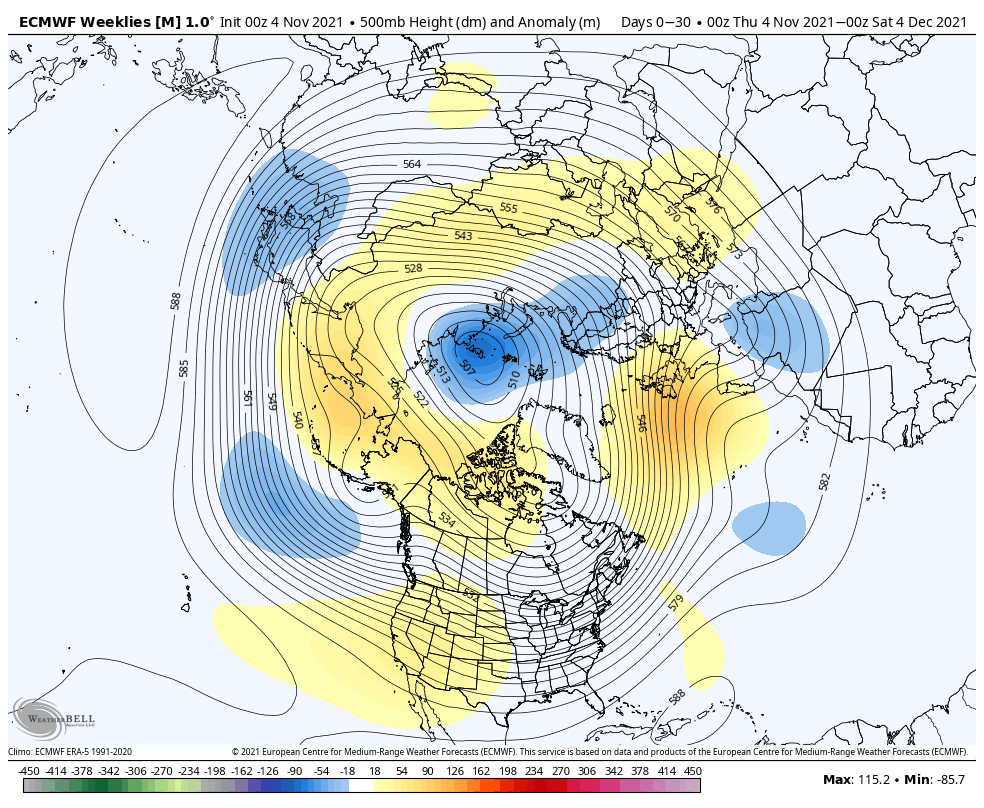
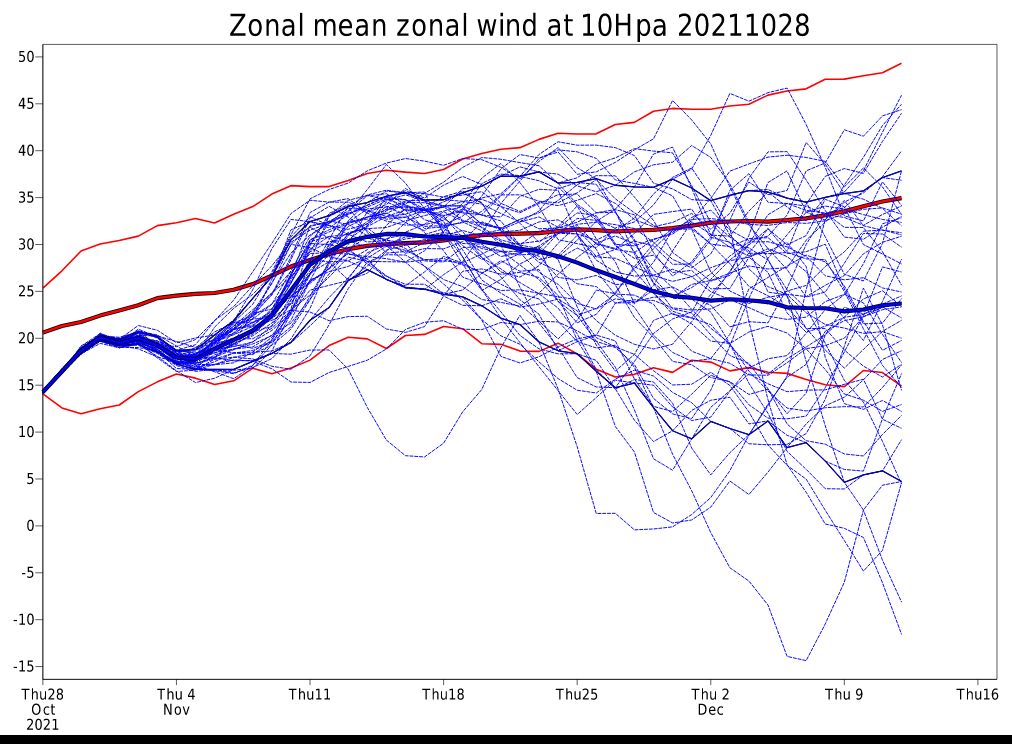
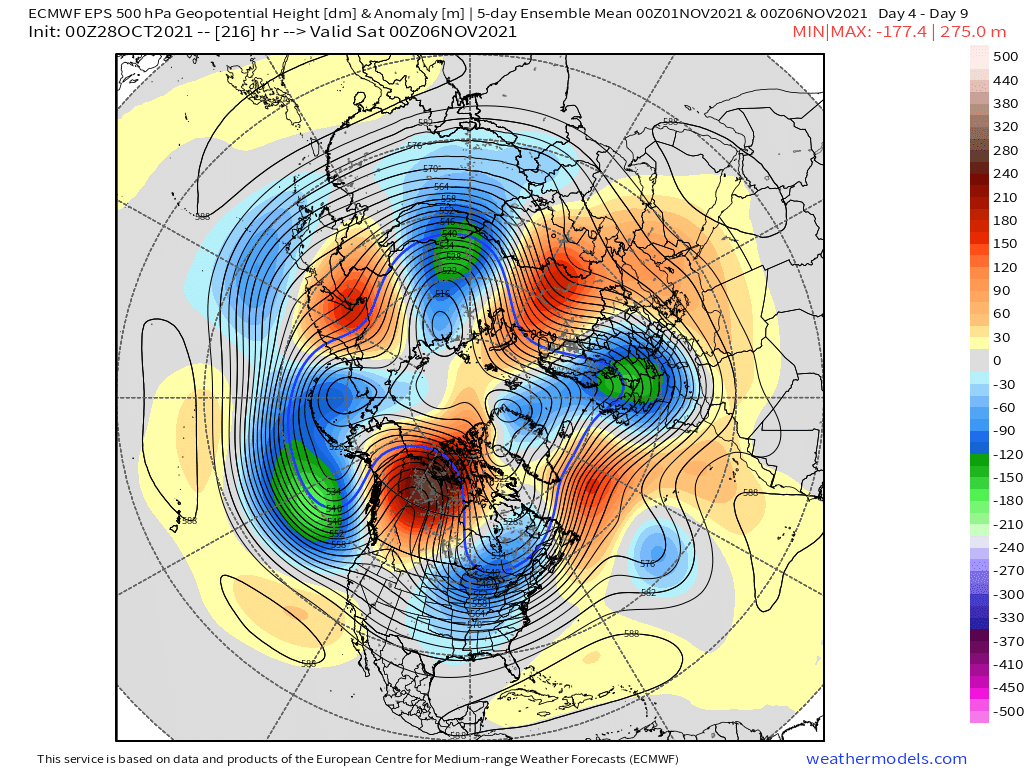
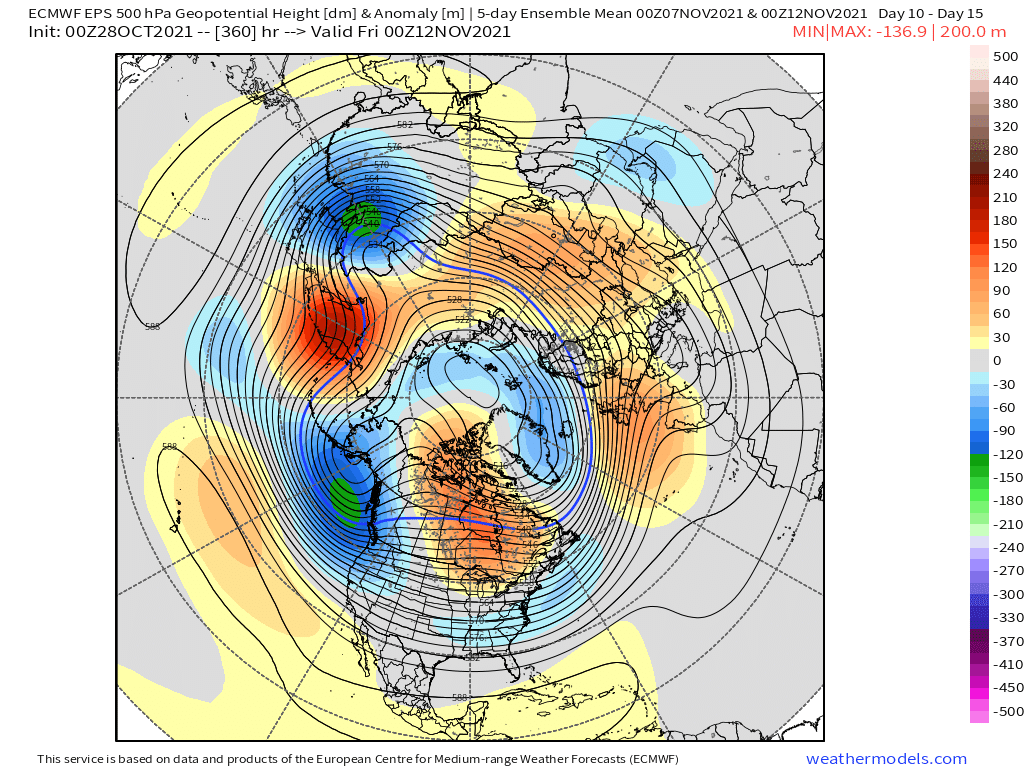
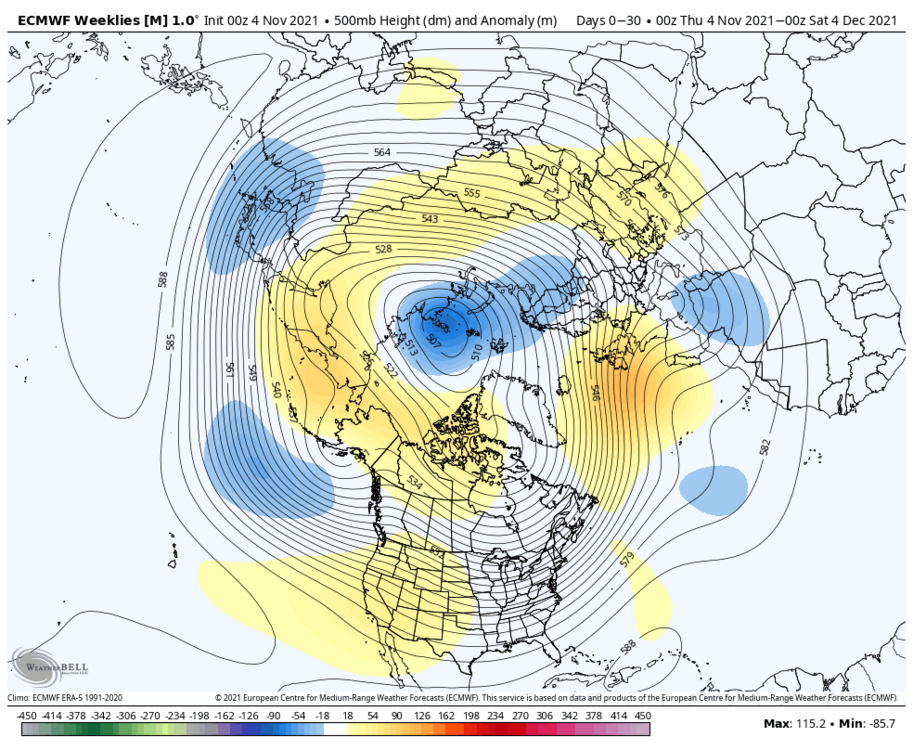
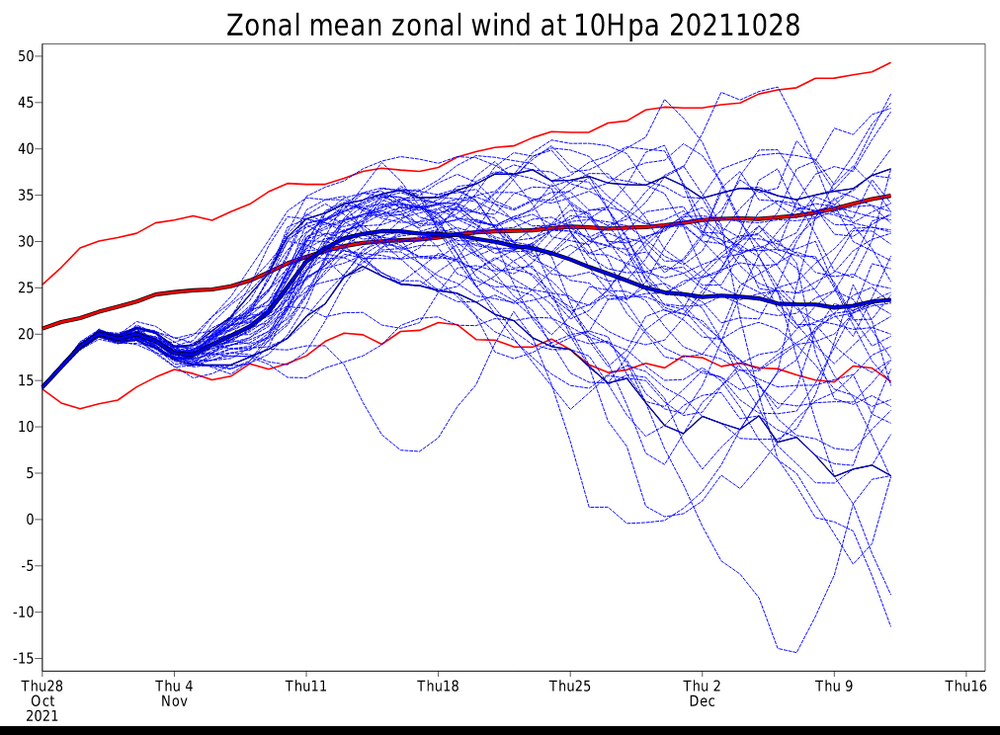
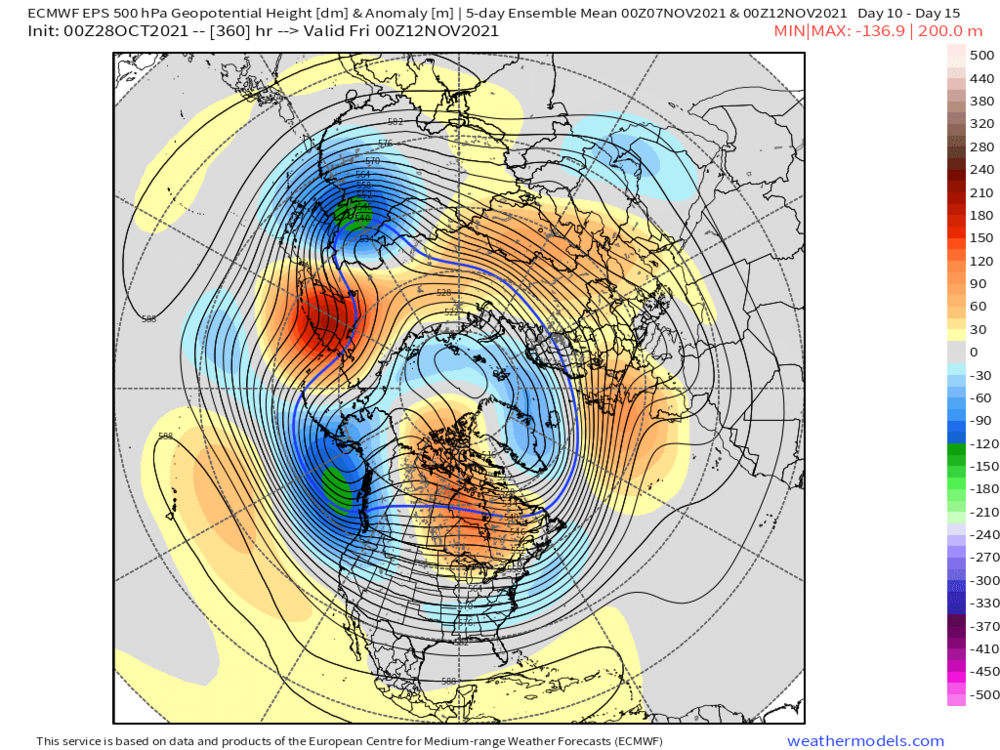
The EPS weeklies from yesterday...mid-November into the first half of December there's some cross-polar flow along with a -NAO. The Pacific side is less cooperative, but verbatim it'd be active and chilly enough to be interesting for a lot of the northern US and maybe into the central US at times. If the Pacific pattern ever amped, it could get pretty cold. Interesting run at the least. A lot of members have a weakened stratospheric PV as well.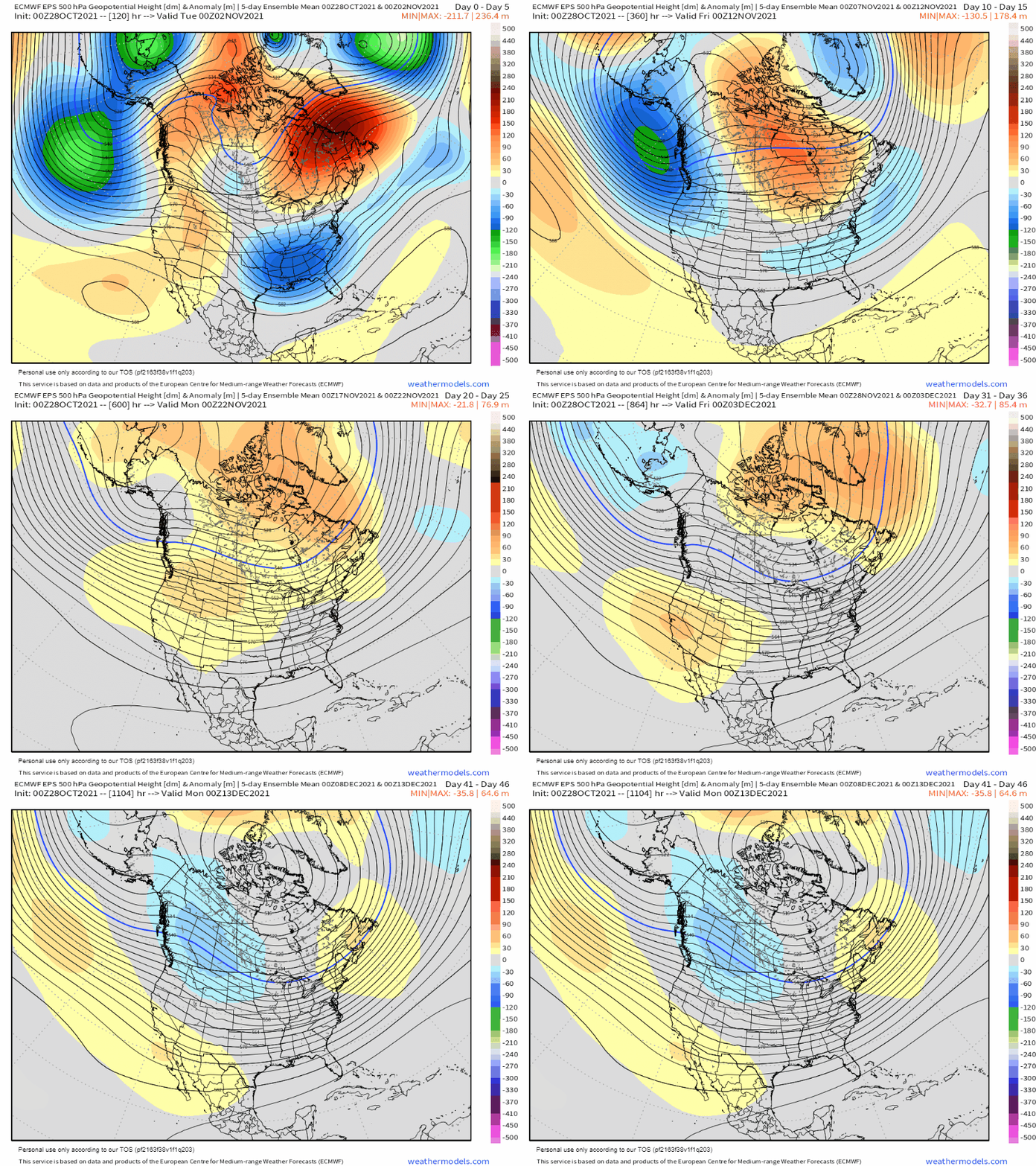
-
I think it depends on where you are in the west. I think the Pacific NW, northern CA and the northern Rockies have a decent shot at a wet winter. Far from sold on that farther south though.
-
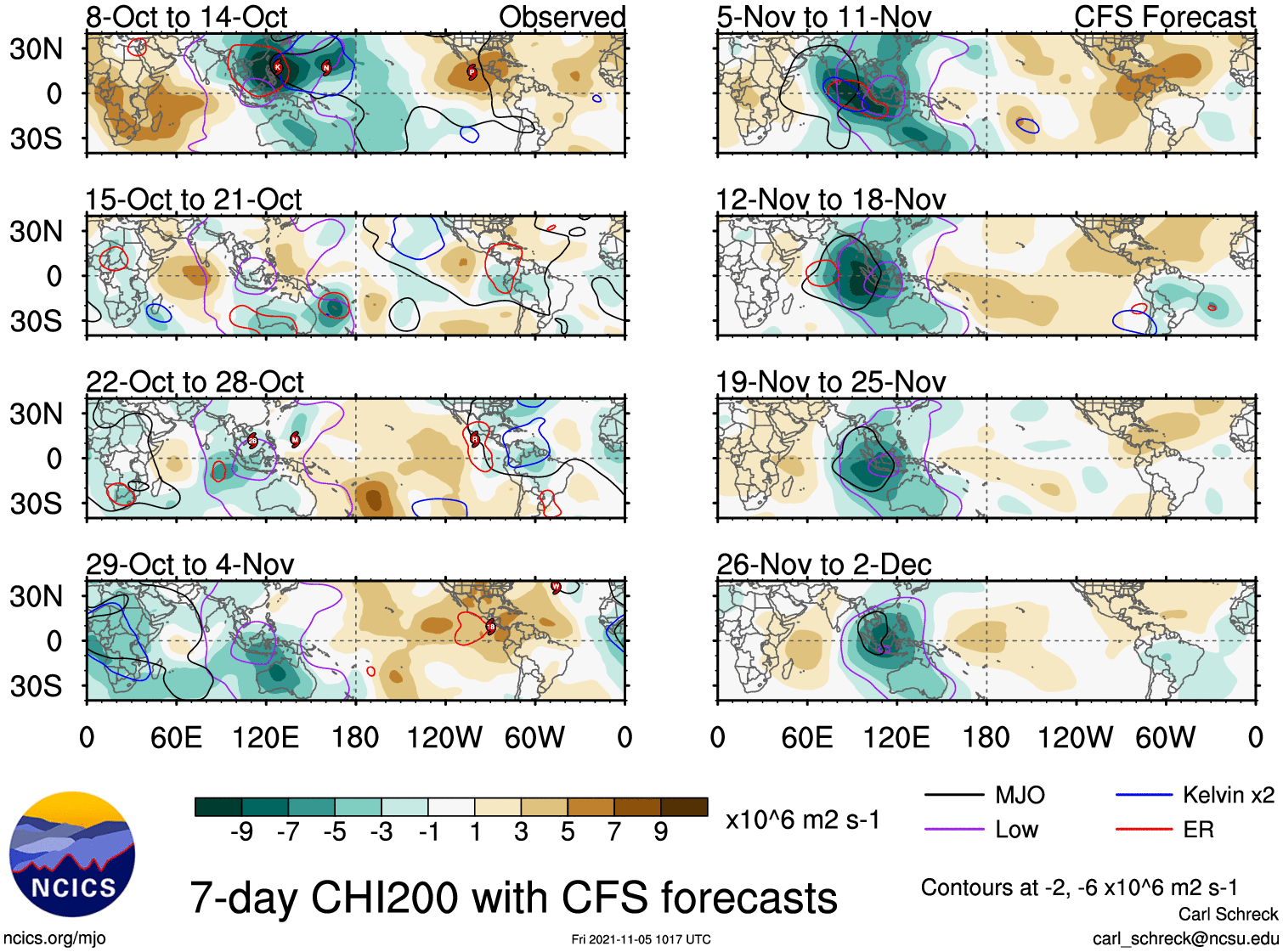
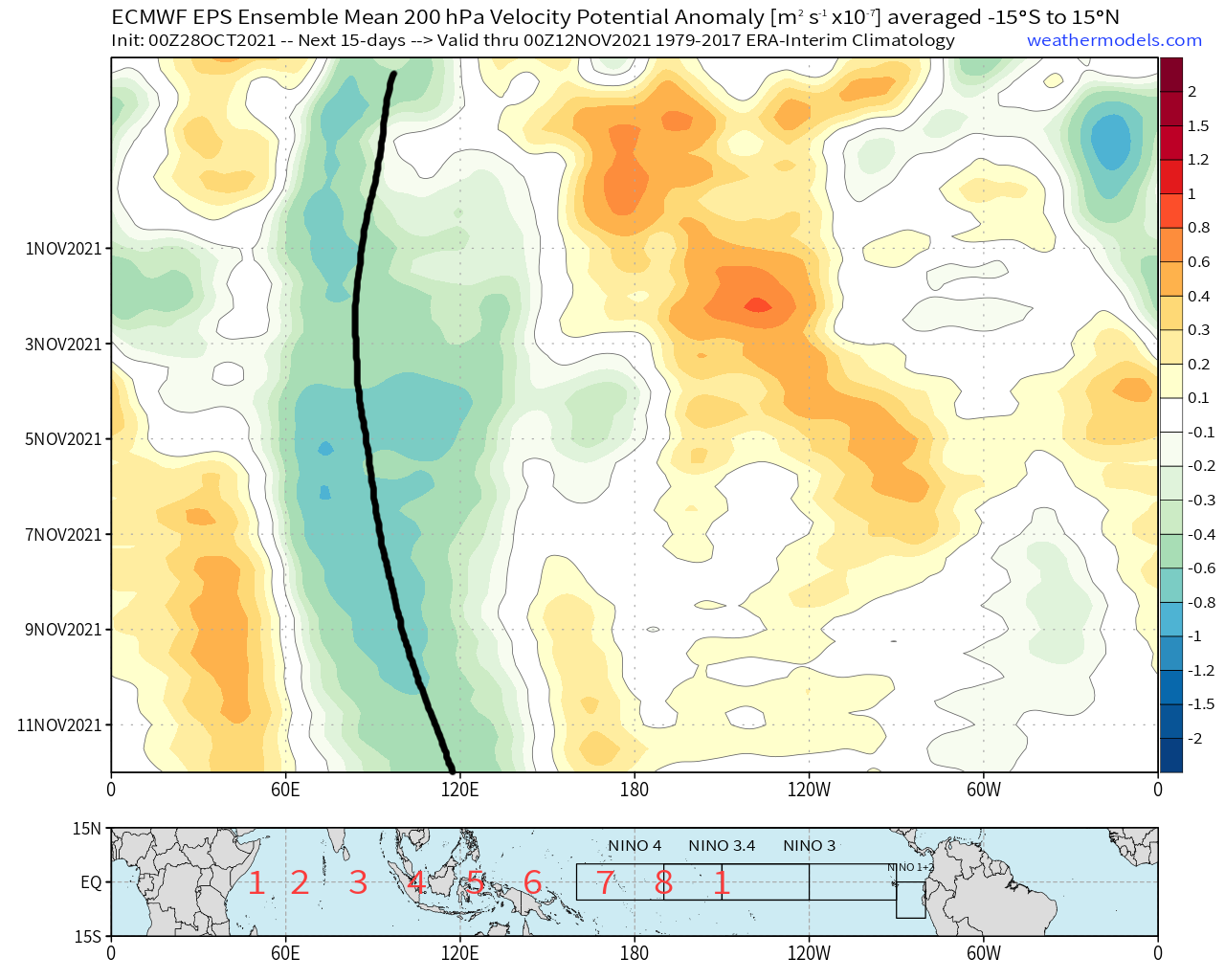
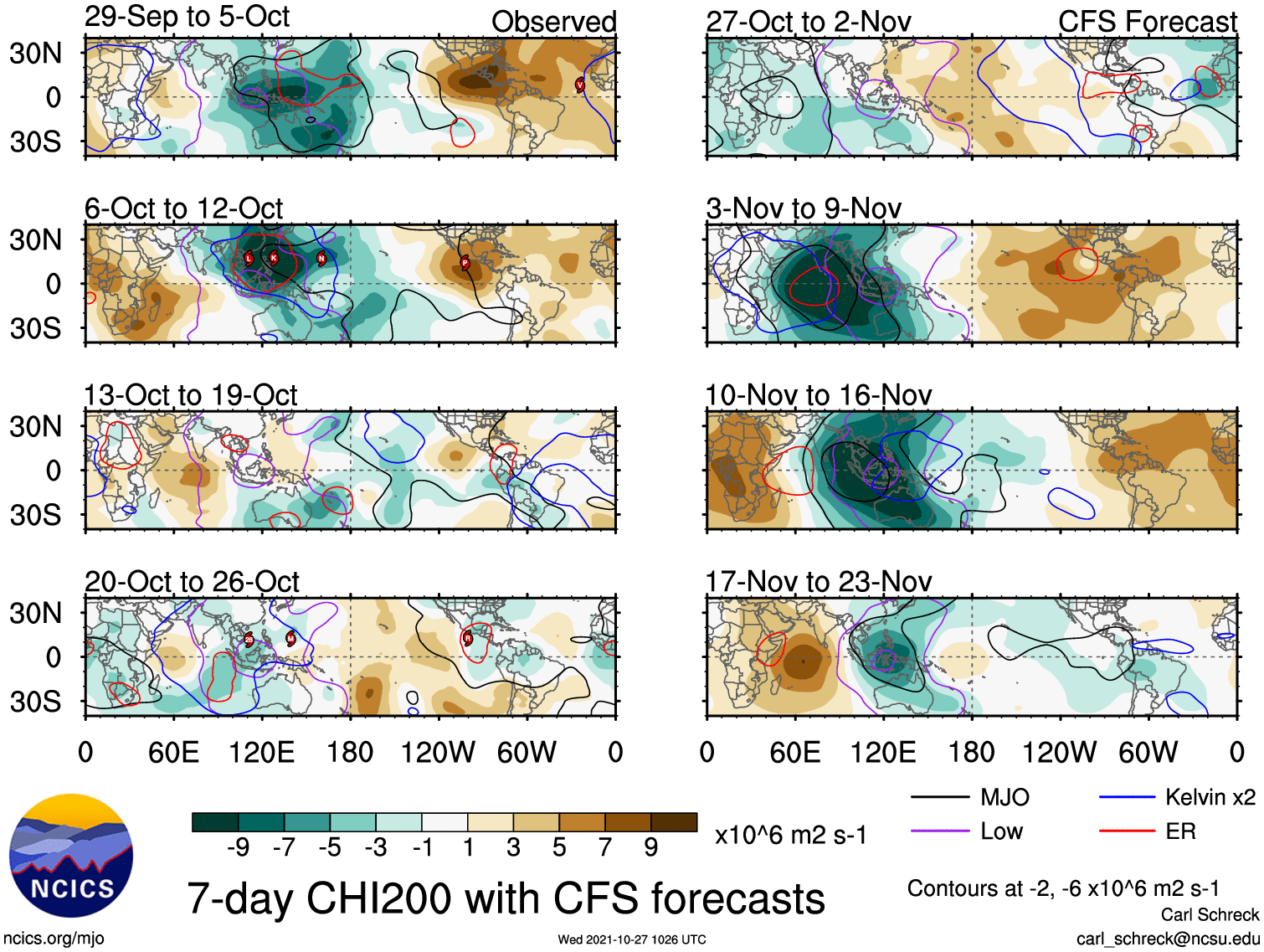
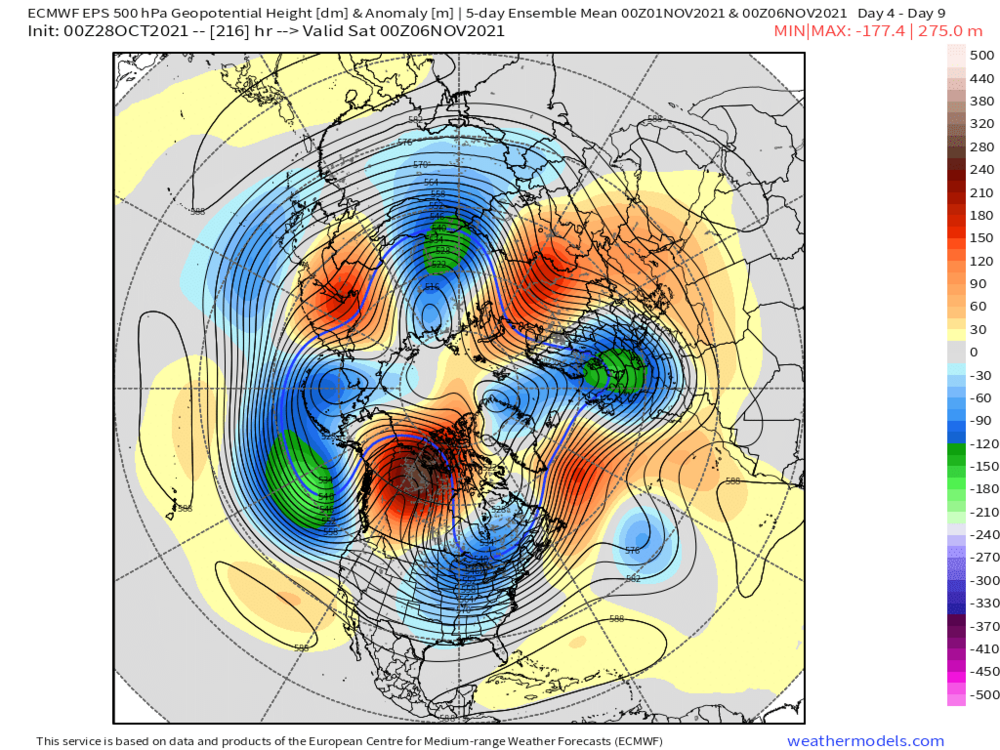
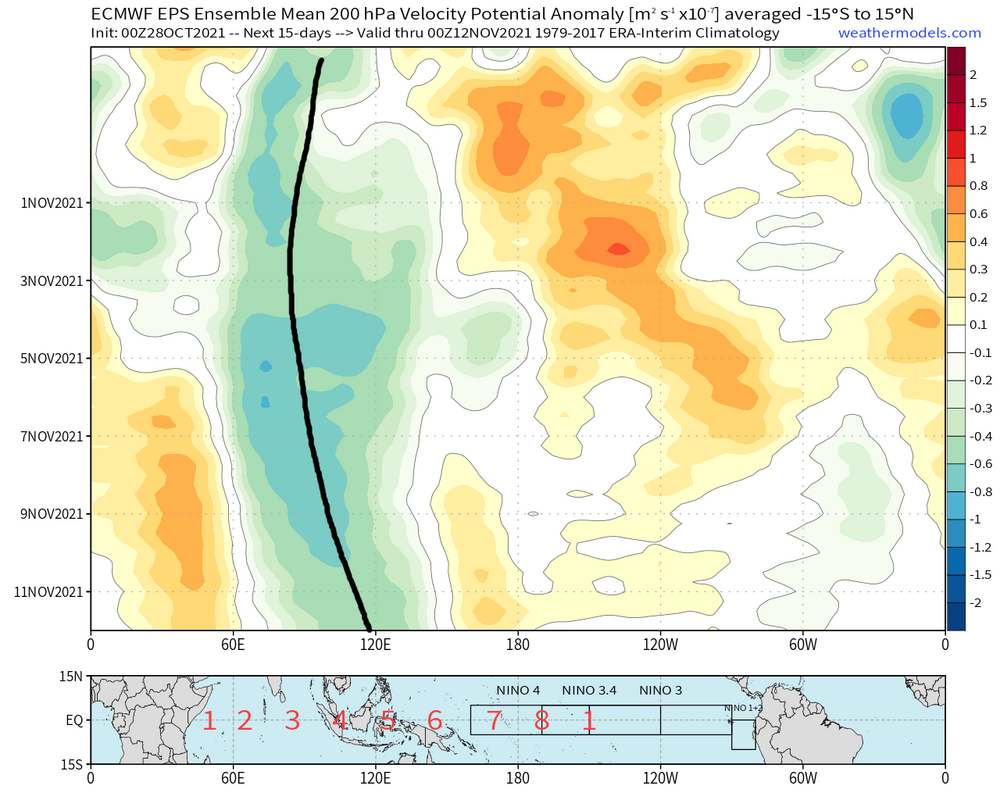
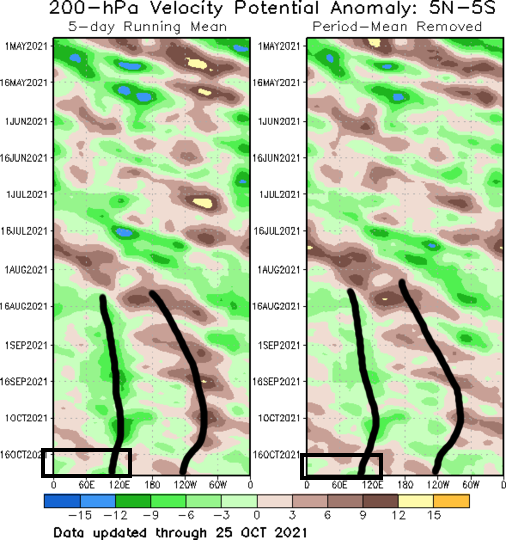
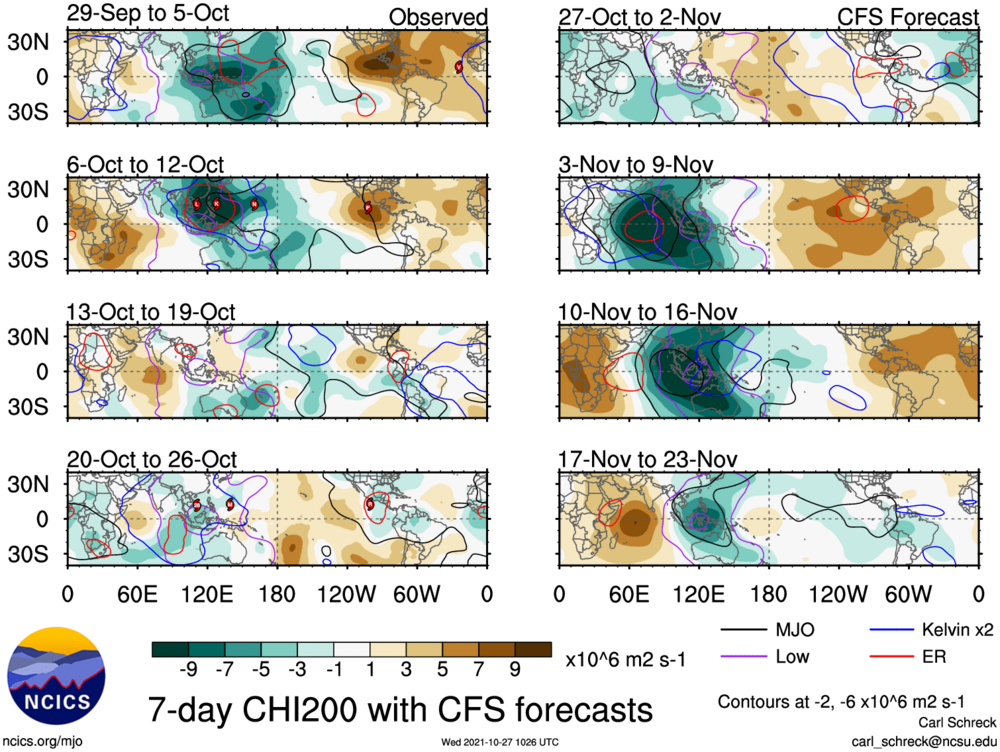
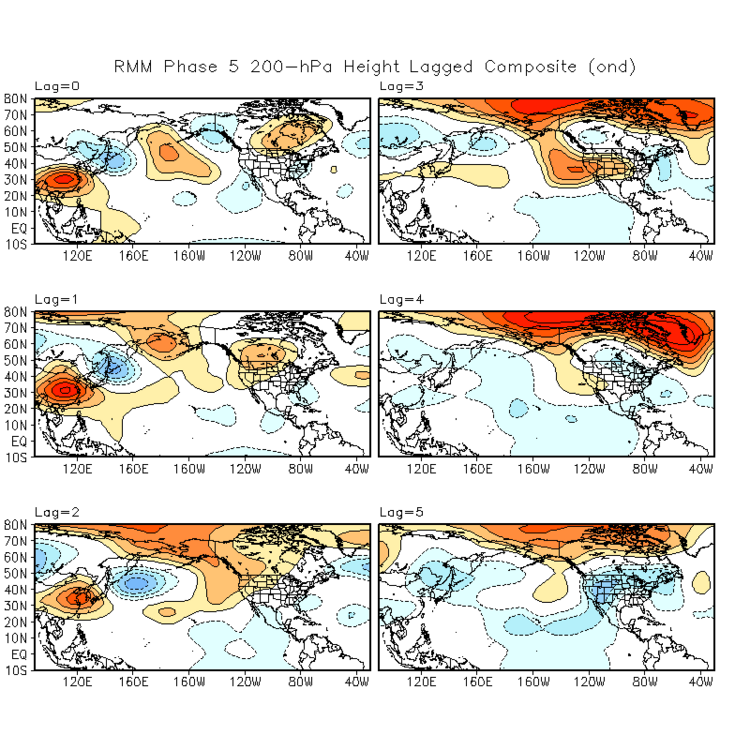
The Pacific jet is pulling back in the short term, briefly allowing for nice amplification over western Canada and a nice cold shot in early November... It's a decent shot and some areas may see flakes, but I don't think we're done with Pacific influence yet, as there's been agreement the Pacific jet rams into the West Coast again into mid-November. We won't completely torch as there will be more chilly air running around, and it will be an active pattern as that energy undercuts the ridge over Canada, but it will probably lean mild again into mid-November: Looking farther ahead, the low frequency forcing near 120E has drifted west into the Indian Ocean recently, and is beginning to constructively interfere with the MJO: Will the MJO be able to pull the forcing back east towards 120E (and perhaps a bit farther into the West Pac) in mid-late November? The EPS and CFS velocity potential forecasts are attached: In the fall and beginning of winter, tropical forcing moving into the western Pacific tends to suggest potential for blocking to develop in the short-medium term: I think November ends up being up and down and not that cold overall over the central and eastern CONUS...however, there will be a nice cold shot to start the month and an active looking pattern, so I'm not saying something can't come together right and snow somewhere. But, I think we have trouble sustaining cold through the first 20 or so days of the month. Tropical forcing working into the western Pacific mid-late November could signal an opportunity for a more robust pattern change that can bring more significant and sustained cold.
-
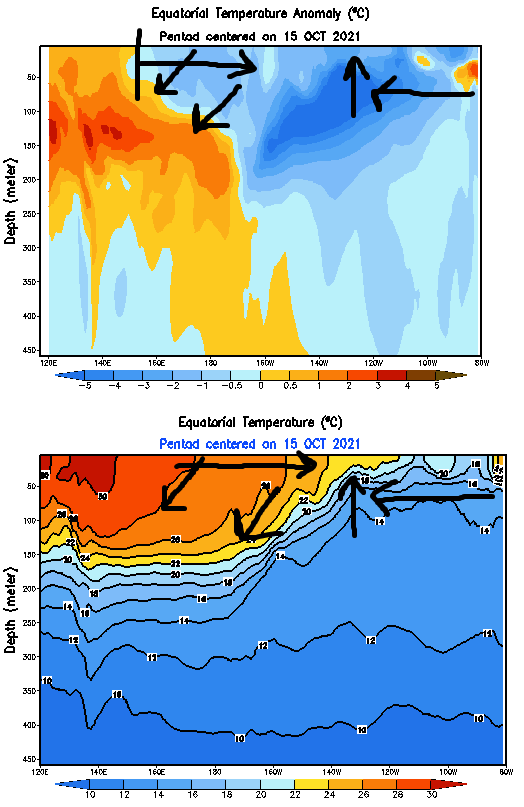
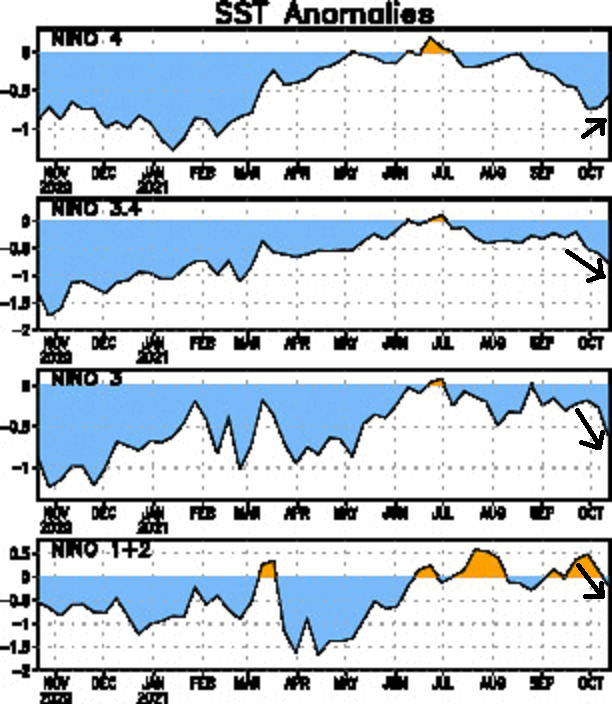
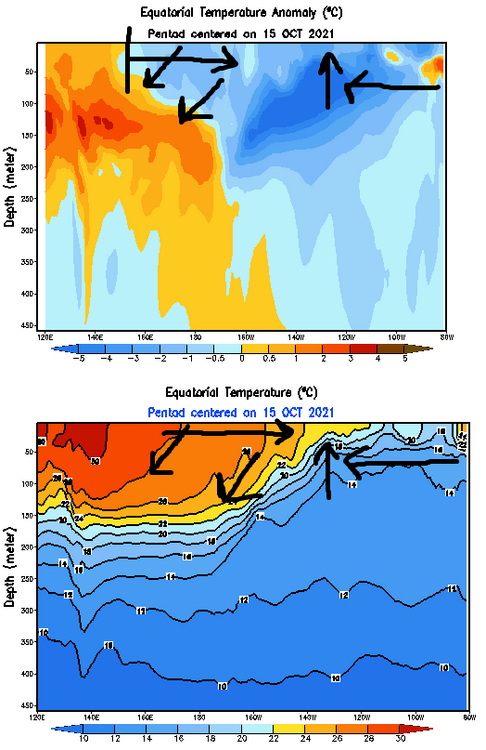
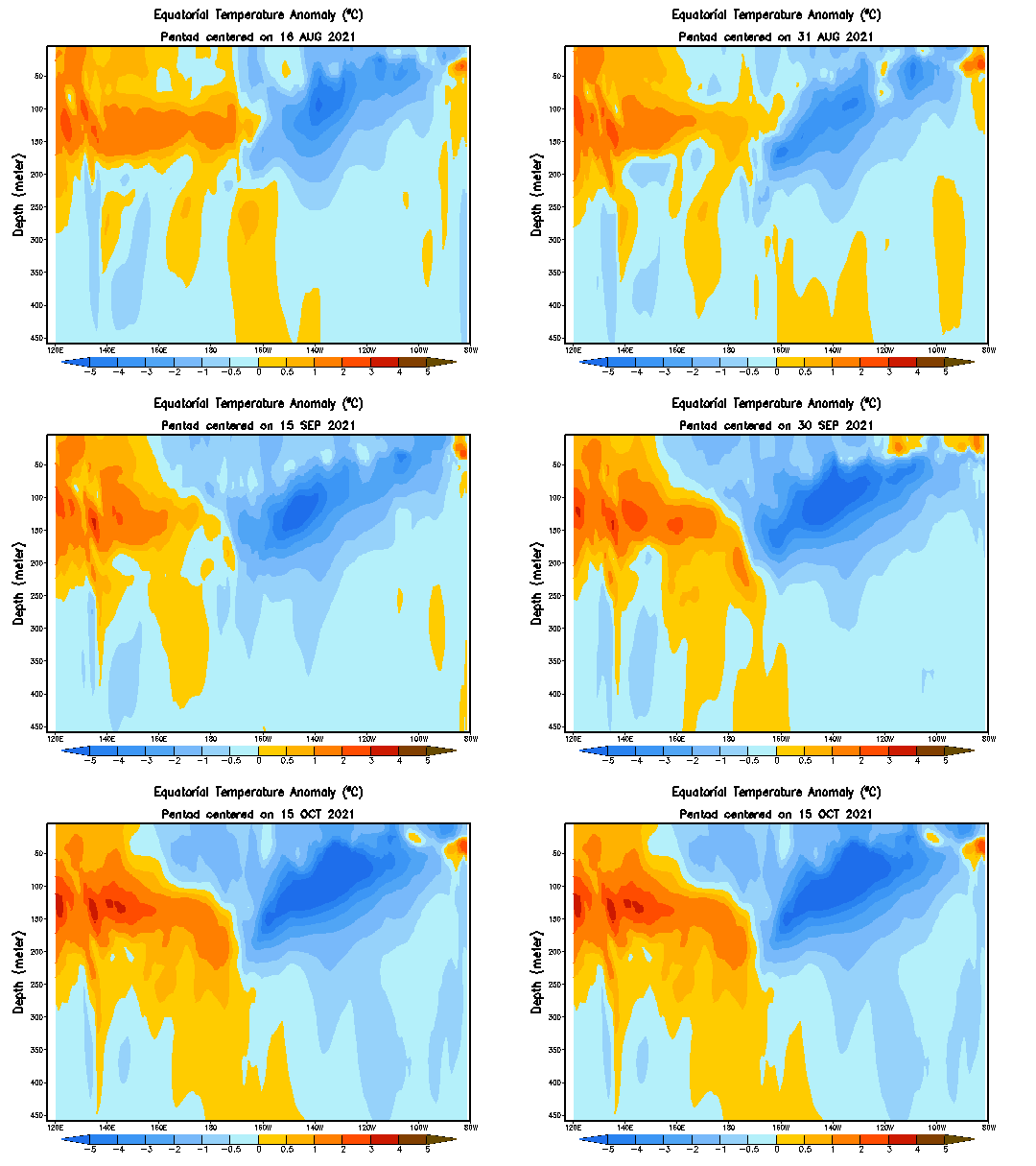
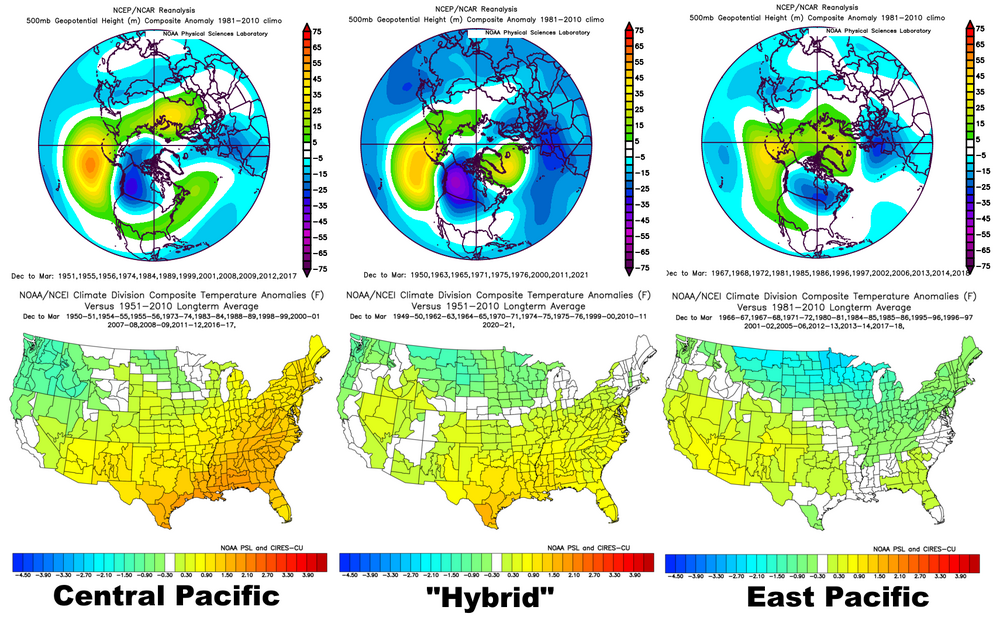
I like that the strongest cooling this month has been in regions 1+2 and 3, as 4 warms slightly. Steady cooling in 3.4. A trend towards either a basin wide or east-based La Nina, away from Modoki. The sub-surface loop implies this trend continues in the near future. Staying away from that central Pacific or Modoki La Nina look is a good thing for -NAO prospects this winter...
-
Some Thoughts on the Winter 2021-22 Outlook
OHweather replied to OHweather's topic in Weather Forecasting and Discussion
Yeah go for it! -
Nice to see some lake effect precip in the forecast this weekend. I feel decent about CLE coming in with an above average snow winter for the first time since 13-14 (I know some other sites have done it once or twice since then, but it's been a pretty barren stretch after the 2000s were relatively "hopping" for snow)
-
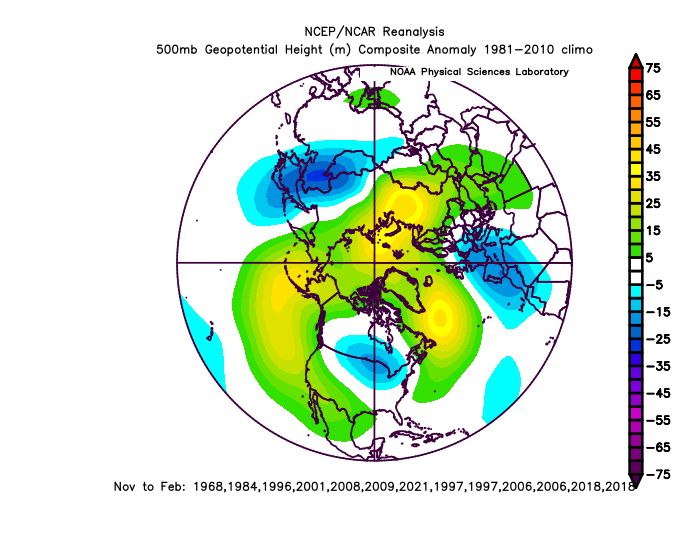
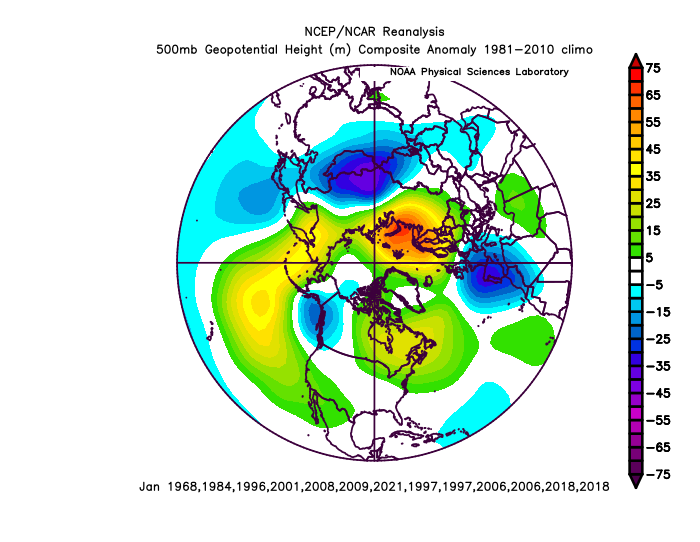
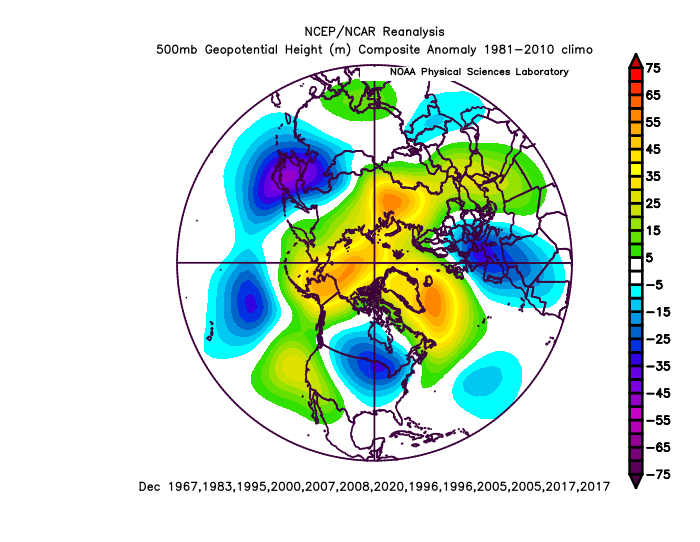
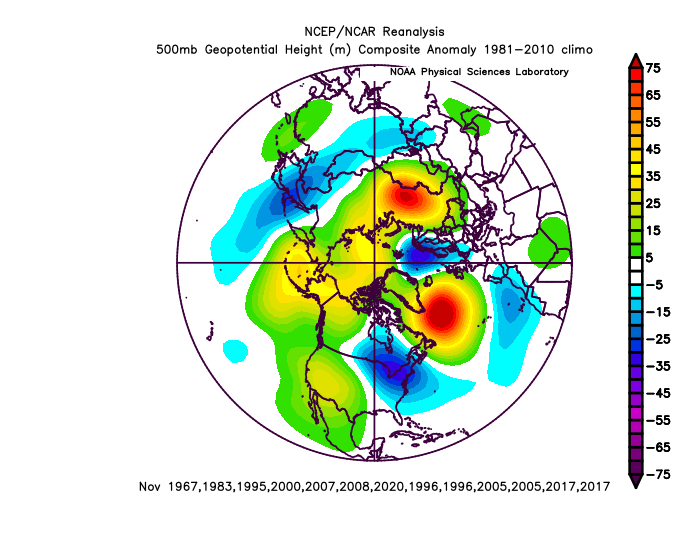
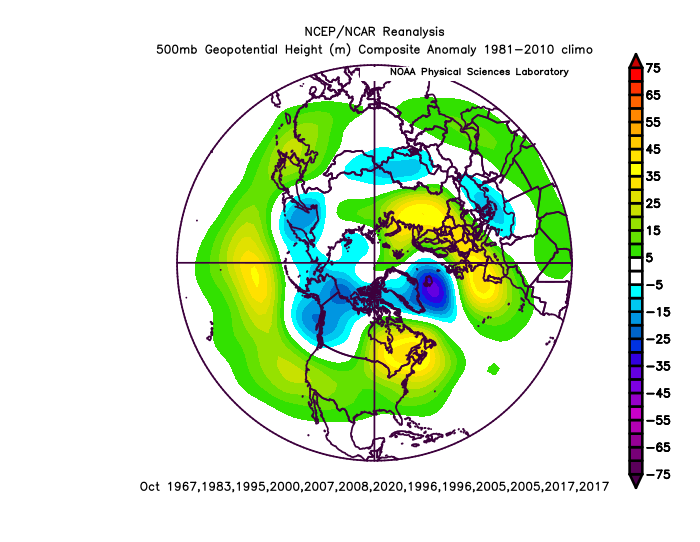
Different way of coming up with these analogs and several different years, but interestingly a pretty similar look November-December and November-February overall as those. January and February differ a bit more from yours but still a pretty similar look and evolution overall...and with enough -NAO that I think most people would roll the dice with it. Curious to see if the October 500mb pattern ends up close to these analogs, NAO probably won't be as positive at the end of the month as these analogs...
-
Some Thoughts on the Winter 2021-22 Outlook
OHweather replied to OHweather's topic in Weather Forecasting and Discussion
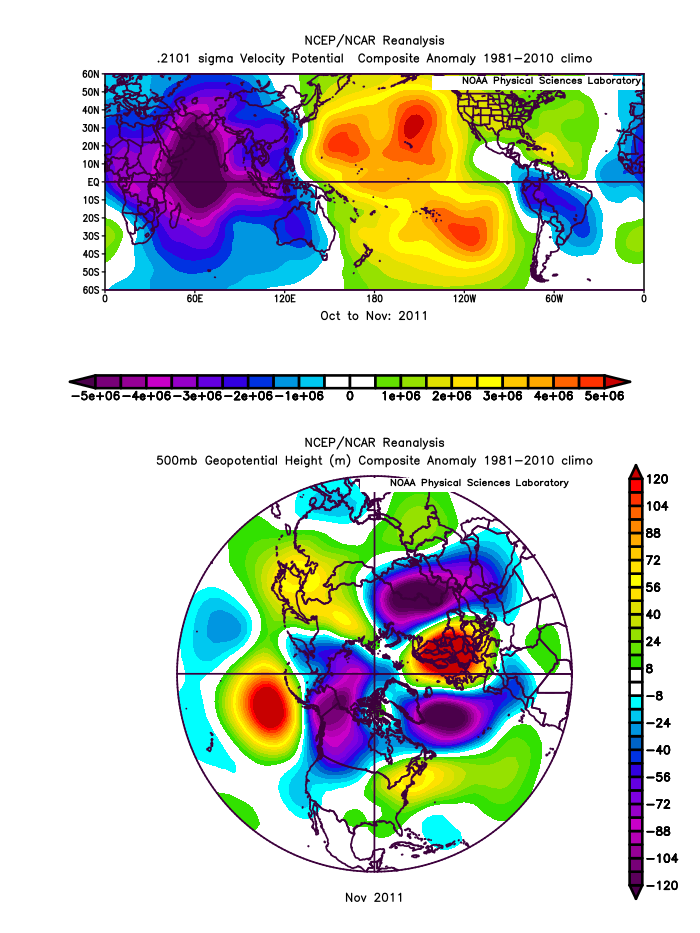
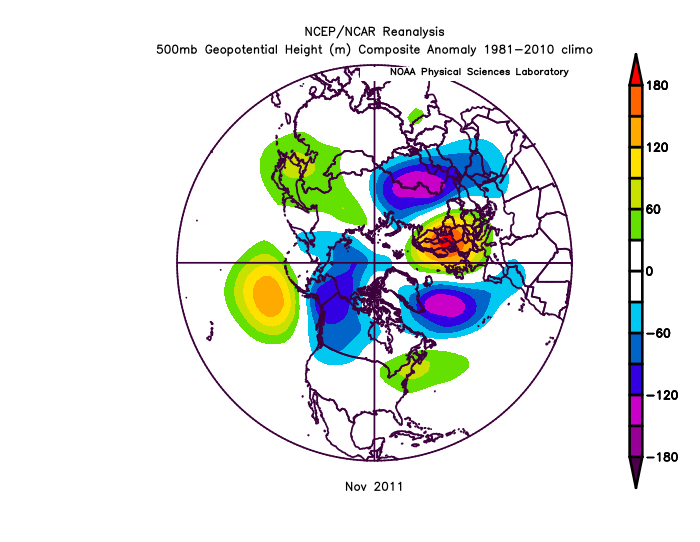
2011 is one of my analogs, so I do think there are enough similarities to this year to consider it. However, I don't currently see a pattern as perilous as that year: While Oct 2011 had some similarities over the Pacific, this year will have lower heights out west and higher heights in the east, and won't have as positive of an NAO in October. Then in November 2011, the super +EPO and +NAO took over and ended any chance of sustained winter that year: I currently don't think this year can go as badly as 2011 went by November...but, it is still something to consider if the +EPO doesn't start relaxing into November. We'll know in a few weeks if we're going the way of 2011 or not.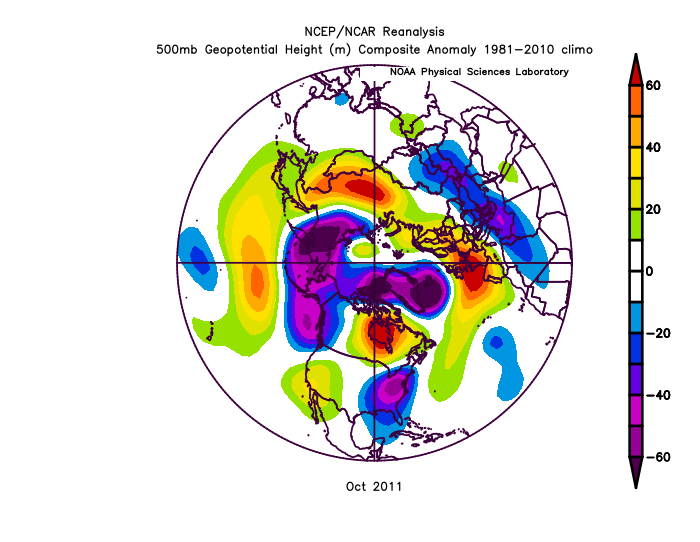
-
Some Thoughts on the Winter 2021-22 Outlook
OHweather replied to OHweather's topic in Weather Forecasting and Discussion
Now that I'm home and glancing through the actual write-up and some of the composites I did while working on it, I didn't include 08-09 in the "better" QBO match sets I used because it was too positive at 30mb through the winter (which I think is the correct move, I was worried that I included it in those sets which would've been a little iffy). However, the point about the downwelling easterlies above lingering westerlies does still hold IMO...the research about North Pac ridging in La Ninas based on QBO that those such as Anthony Masiello and Griteater have done over the last decade revolves around that lower-strat QBO, so this winter and 08-09 would both fall into the positive lower-strat QBO La Nina camp that has more amped north Pacific ridging.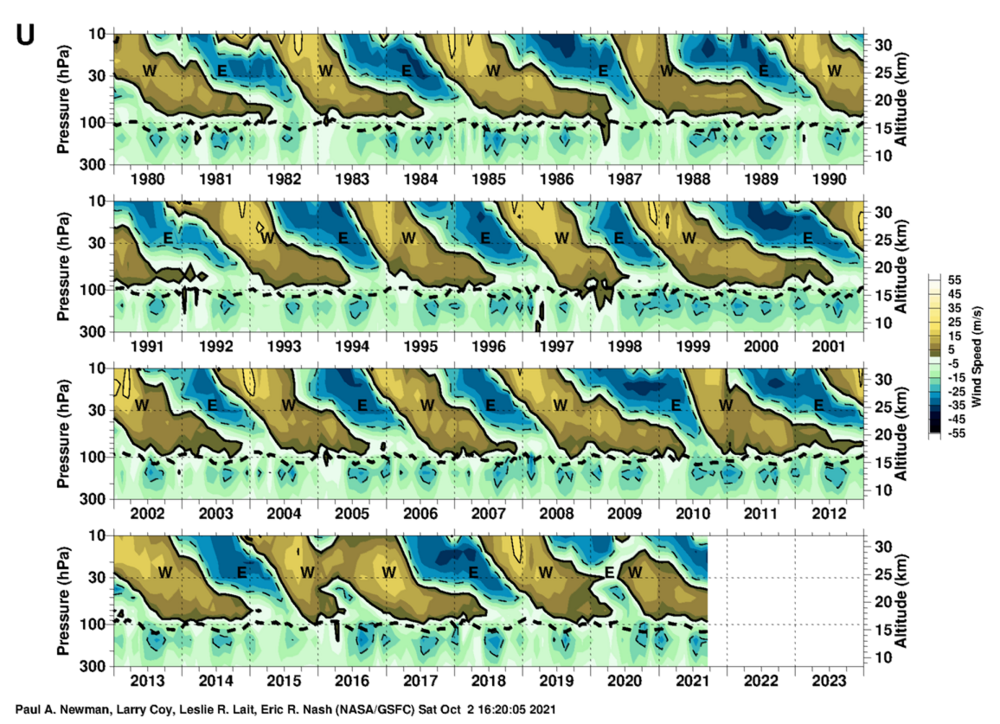
-
Some Thoughts on the Winter 2021-22 Outlook
OHweather replied to OHweather's topic in Weather Forecasting and Discussion
I can see that look playing out at some point mid-late winter if the ridging over the N Pacific is amped enough. The PNA should average negative so if / when the NAO goes positive we can get that look where it's cold west with a SE ridge in the east. As you alluded to we may not get a month that's quite that cold in the west but a couple of decent shots are certainly possible if not somewhat likely. I do hope that we don't go the way of what the mean of those winters looks like over the eastern CONUS, although outside of CA it's not as horrifically dry in the west which wouldn't be the worst thing in the world. 2011-12 scares me a little because it's quite a good ENSO match on the upswing portion of the solar cycle and a similar QBO to this winter. That year did not have as warm of a West Pac warm pool and had more convection occurred farther west over the Indian Ocean, which I don't *think* this year will do, but for eastern US snow lovers that's the kind of year that's a decent enough analog to scare you. 01-02 is off in enough other areas that it doesn't worry me, though it also was a ++AO winter. 67-68 was an interesting, blocky winter with a similar QBO to this year and I considered including it in my overall set of analogs...I ultimately decided against because it was farther back in time with a poor match in Indian Ocean / western Pacific SSTs and had more tropical forcing near the Dateline, which I don't think is likely this year. -
Some Thoughts on the Winter 2021-22 Outlook
OHweather replied to OHweather's topic in Weather Forecasting and Discussion
^ For those wondering, when I saw how awful my hair looked like in that video yesterday I went and got it cut after work. Important point of clarification -
Some Thoughts on the Winter 2021-22 Outlook
OHweather replied to OHweather's topic in Weather Forecasting and Discussion
I agree it's an issue, but there are some QBO similarities that I liked. It was positive at 30mb through the winter, but easterlies were beginning to descend through the stratosphere during the winter with westerlies persisting through the lower stratosphere. This year is certainly farther along in the process and I think that will be conducive to keeping the vortex weaker (especially early in the winter), which may help the AO and NAO compared to 08-09. But when I was looking for QBO analogs (and comparing to "opposite years"), I looked for years with descending easterlies in which westerlies hung on in the lower stratosphere into at least early winter (whereas for opposite years, I looked for winters with descending westerlies with established easterlies in the lower stratosphere). 08-09 is not a perfect match but is in that part of the cycle, albeit earlier on.
-
Some Thoughts on the Winter 2021-22 Outlook
OHweather replied to OHweather's topic in Weather Forecasting and Discussion
17-18 is a winter that comes to mind in terms of being mild overall across the south but still having a couple of snow events when it got cold. I can see it happening this winter that way too, though maybe not quite as noteworthy as what happened in early 2018 along the Gulf Coast. -
Some Thoughts on the Winter 2021-22 Outlook
OHweather replied to OHweather's topic in Weather Forecasting and Discussion
I can see why the paper has 07-08 as hybrid. The DJF anomalies were quite cold west of 150W, which is why I called it a CP event, but the cooling in the fall was more basin wide. I think that event may end up being a bit more west based than this one (and certainly a good bit stronger which probably makes a larger difference) but I can see the reasoning for calling 07-08 hybrid. I agree that we aren't looking at an east-based event, which is why I'm a bit warmer in the south / east than a lot of those composites and included some stronger and CP events in the analogs, as long as they were decent matches for fall tropical forcing, solar, and / or QBO this year. I do think we likely stay away from an uglier look like 11-12 or 16-17 which were truly central Pacific based with their cooling. -
Some Thoughts on the Winter 2021-22 Outlook
OHweather replied to OHweather's topic in Weather Forecasting and Discussion
Yes, the gist of that graphic was to illustrate that in general, second year La Ninas are usually more hostile than first year La Ninas (with all second year events on the left), but non-strong second year La Ninas (especially those with the cooler waters focused farther east) mitigate that to some extent (on the right). It comes down to if there's enough blocking to get one or two big shots all the way to the Gulf Coast...a lot of things point to that at the moment, but if the La Nina gets stronger or becomes more firmly central Pacific based we're run the risk of things looking more like the map on the left there. -
Some Thoughts on the Winter 2021-22 Outlook
OHweather replied to OHweather's topic in Weather Forecasting and Discussion
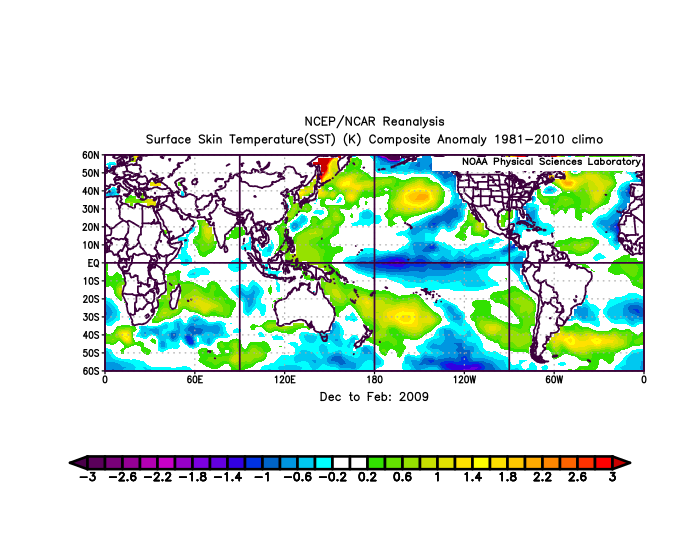
I consider it "hybrid" right now, so not a true central Pacific event but it's not EP based either. If it trends towards moderate and the coolest water is pretty far west over the next month or so that could result in me pulling things in a warmer direction (especially in the south and east), especially if the pattern is looking more like those warmer analogs. Honestly I just went through each year and gave a designation based off of my impression of it (though most of them are the same as the paper). My reasoning for calling 08-09 a central Pacific based event was because the center of the cooling was firmly focused west of 150W, which is what the paper lists as the rough guideline, and because the eastern Nino regions never got that cool. I think it's firmly more CP based than this year (so far), though as you've alluded to probably didn't kill ruin the winter because it was on the weaker side. Despite this I think it's a good analog (second year La Nina, similar intensity, similar QBO, low solar, similar tropical forcing in the fall to what I currently expect this year) and is a double weight for me right now.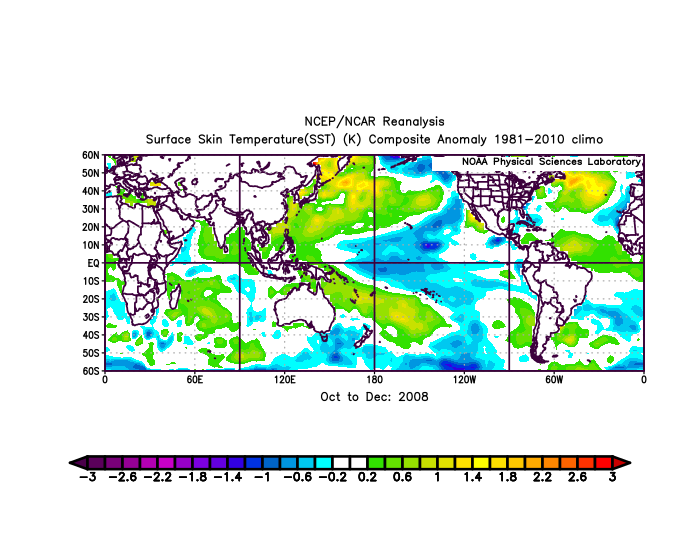
-
Some Thoughts on the Winter 2021-22 Outlook
OHweather replied to OHweather's topic in Weather Forecasting and Discussion
I remember you being all over the better blocking potential last year, so that's good to hear! The more seasonal outlooks one does, the more you realize that location of the ENSO (along with things such as QBO) are much more important than just "El Nino" or "La Nina", and the cited paper is definitely a great resource in La Nina winters. "Modoki" La Ninas aren't discussed quite as much as Modoki El Ninos but it arguably has as large of an impact, especially with non-weak events. -
Some Thoughts on the Winter 2021-22 Outlook
OHweather replied to OHweather's topic in Weather Forecasting and Discussion
Thank you for your insight as always. A fair number of my analogs have a -NAO returning in March too...here's the mean 500mb pattern in my current analogs: I can see how the Plains or even Southwest get one or two big cold snaps this winter...the PNA will be negative at times (perhaps averaging negative for the winter) so if the EPO and AO stay positive some cold can get into the west.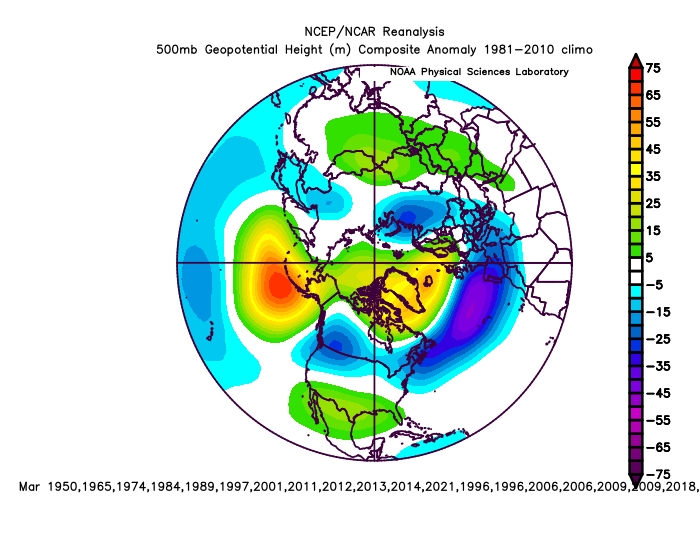
-
Some Thoughts on the Winter 2021-22 Outlook
OHweather replied to OHweather's topic in Weather Forecasting and Discussion
My thought is that there's blocking early, probably peaking in December, and then it backs off a bit through January and into February with the cold shifting northwest and more of a gradient pattern setting up as the SE ridge flexes. So I think it is cold early in the GL/OV and then is milder mid-winter. Snow may depend on where you are...up in Wisconsin it may be most active when the blocking relaxes, whereas farther south gets more of their snow when it's colder with more blocking. I think by November we'll have a decent idea on if the early blocking idea will pan out or not. There is an element of "could go either way" still this early.