Terpeast
-
Posts
6,618 -
Joined
-
Last visited
Content Type
Profiles
Blogs
Forums
American Weather
Media Demo
Store
Gallery
Everything posted by Terpeast
-
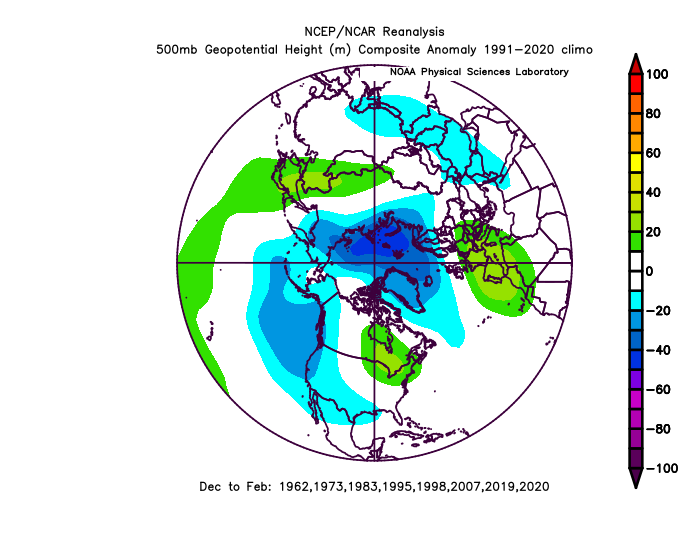
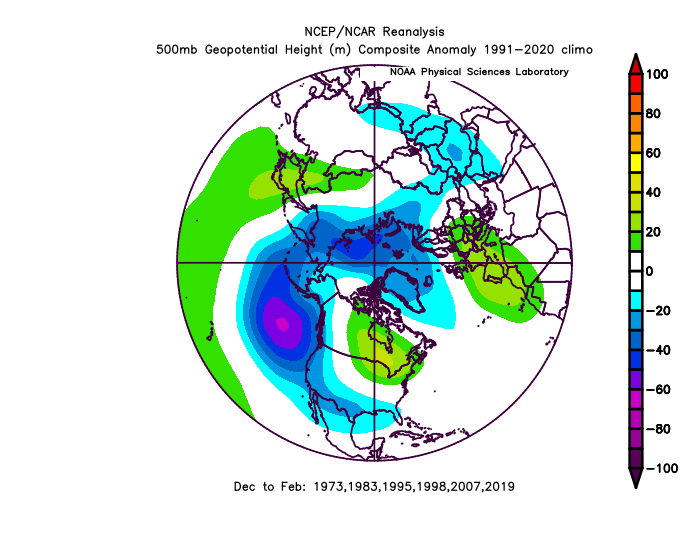
Strong +IOD shows a signal for an east-displaced GOA trough for all years regardless of ENSO, and a stronger east-based aleutian low for nino years. Cold anomalies would be tilted to the SW than SE. But for the record, I don't think the IOD is a big factor this year. Many of these seasons in both composites are El Ninos much stronger than this one, and I don't think we can separate out the IOD signal from strong ninos.
-
So you can see how rare this is. I haven't gone back further than the 1950s, but 1986-87 and 2006-07 are also on my analog short list.
-
Low of 40.5
-
Yeah, maybe it was different in PA. DCA had 32” and IAD 53” in 13-14
-
Down to 41
-
Surprised the 1950s had plenty of -NAO and yet the winters were awful. As if it were the flip side of 2013-14 and 14-15
-
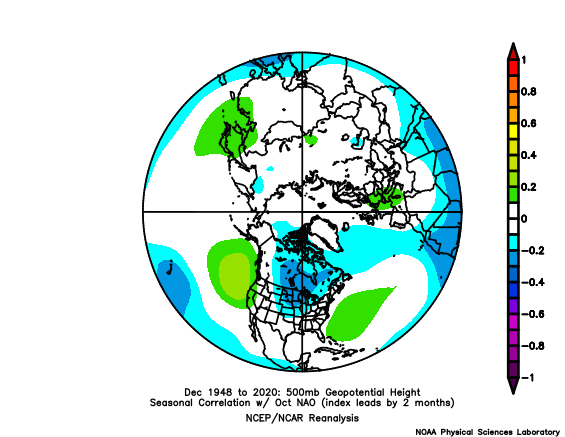
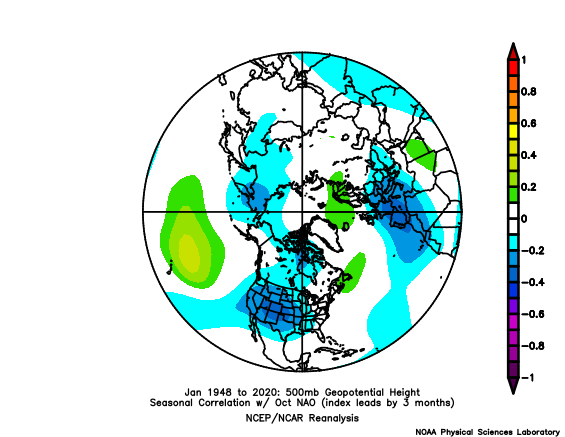
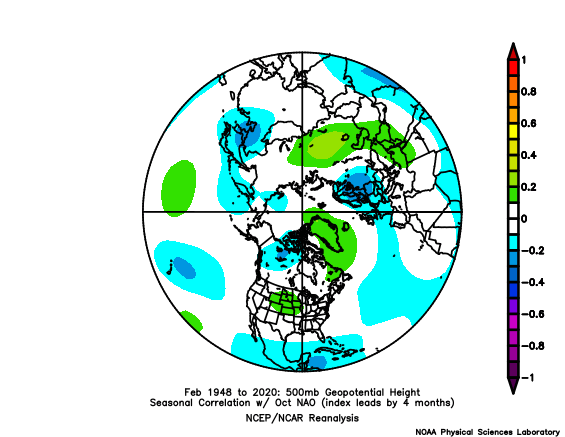
What I've found doesn't really support this. If anything, there's a weak persistence signal into Dec, meaning if we have a -NAO in Oct, we are just a little more likely to also have a -NAO in Dec as well. But after that, it's mostly noise. Really 50/50 by Feb.
-
Got tied up at work and then going to my kids halloween activity. Outlook gonna have to wait a bit. Sorry, didn’t intend to leave you guys hanging like TV mets do all the time…
- 1,295 replies
-
- 6
-

-

-

-
- wishcasting
- almost winter
- (and 1 more)
-
Made it to 78 before fropa. 69 now
-
Mantra of the forum! I’ll look over it tomorrow with fresh eyes then post
- 1,295 replies
-
- 1
-
-
- wishcasting
- almost winter
- (and 1 more)
-
Fell short of 70 today. 69 for the high
-
Spent the whole day writing the meat of my outlook. Made a preliminary forecast, too. Might just go ahead and post it soon without waiting for new data. Let the chips fall where they may
- 1,295 replies
-
- 12
-
-
- wishcasting
- almost winter
- (and 1 more)
-
I'm not sure it matters much anymore. If there's a playbook that needs to be thrown out with CC, I think this would be in it. Of course I could be wrong. For tripole related stuff, I would listen to what Chuck has to say. He has this special method that served him well, and he's predicting the NAO to average neutral this winter.
-
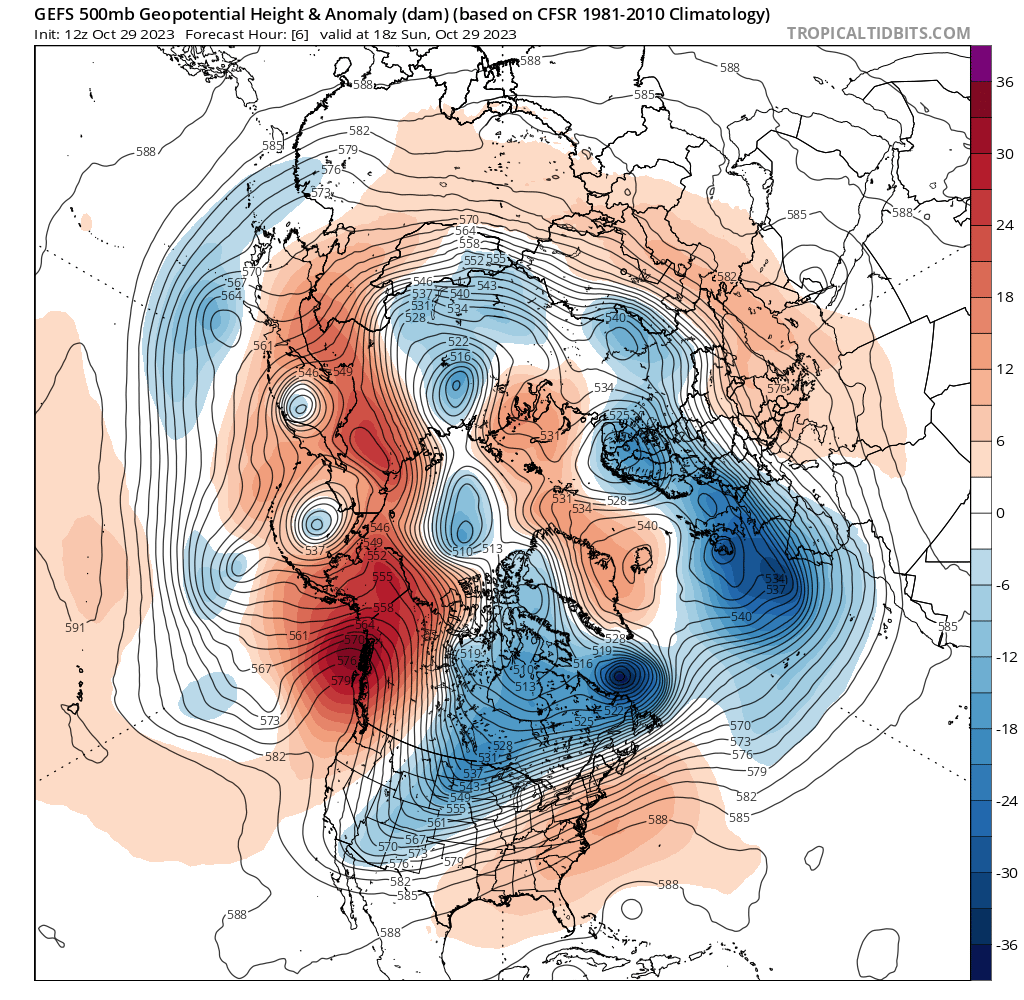
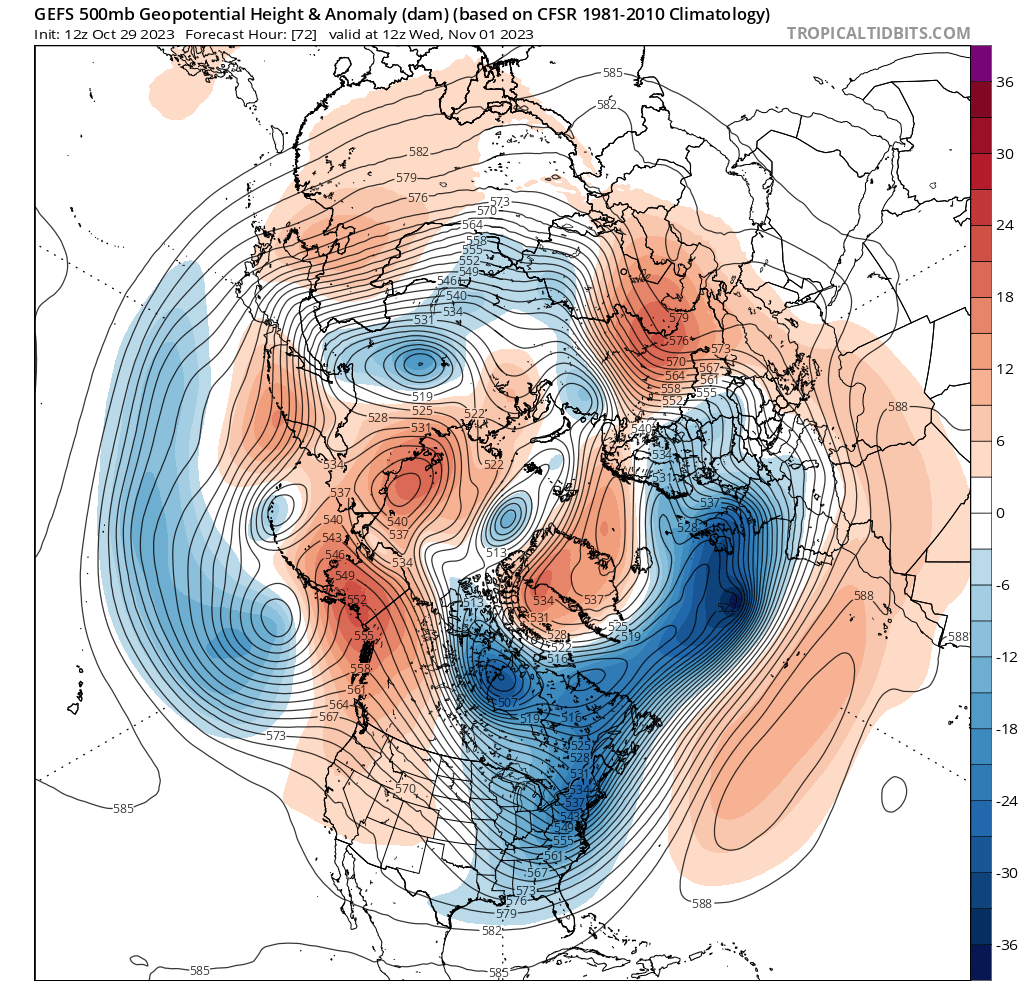
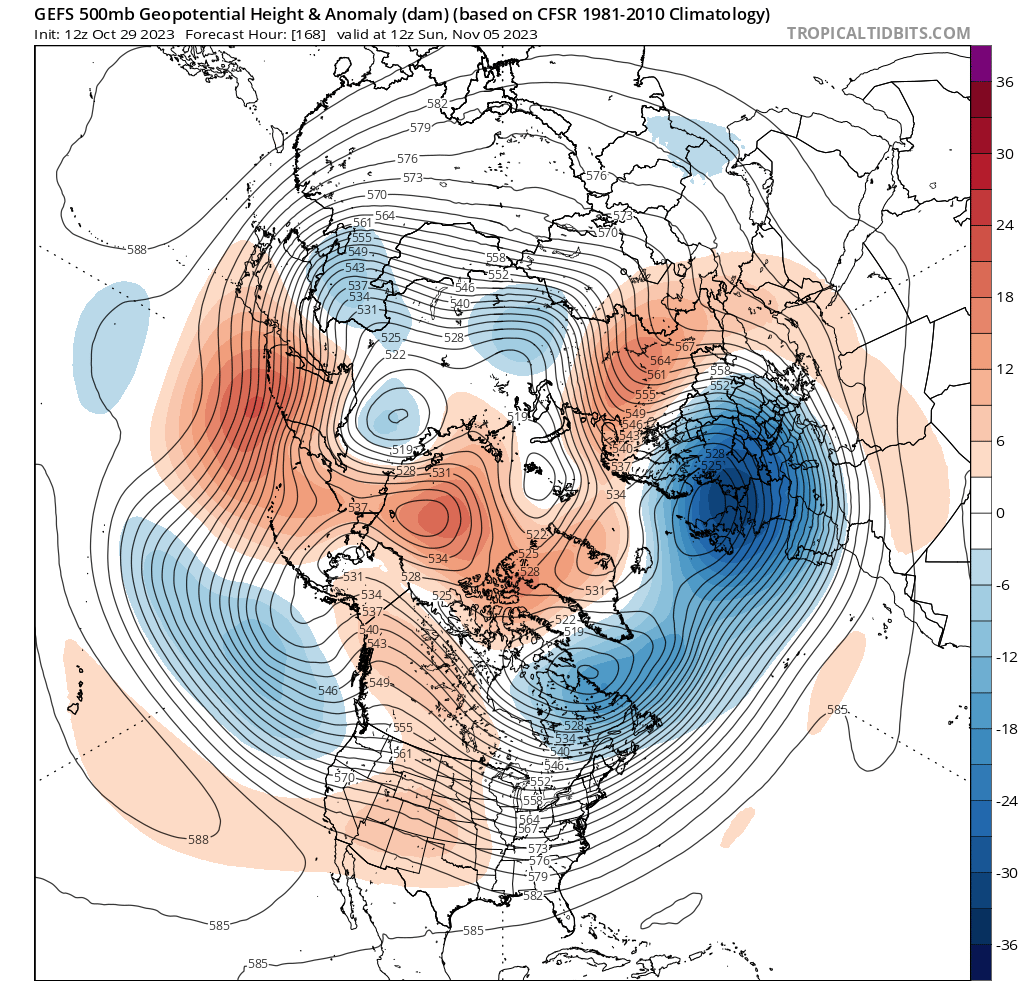
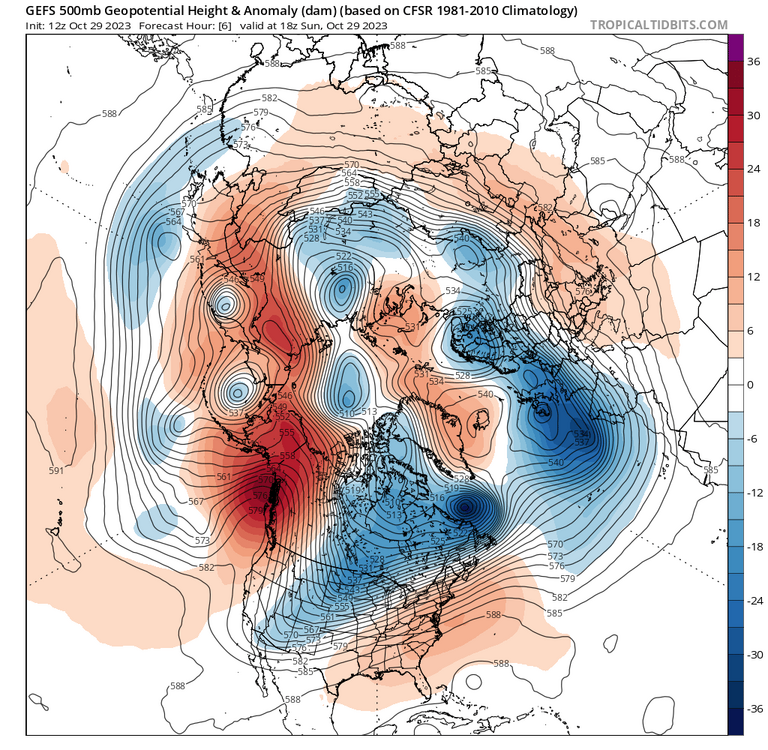
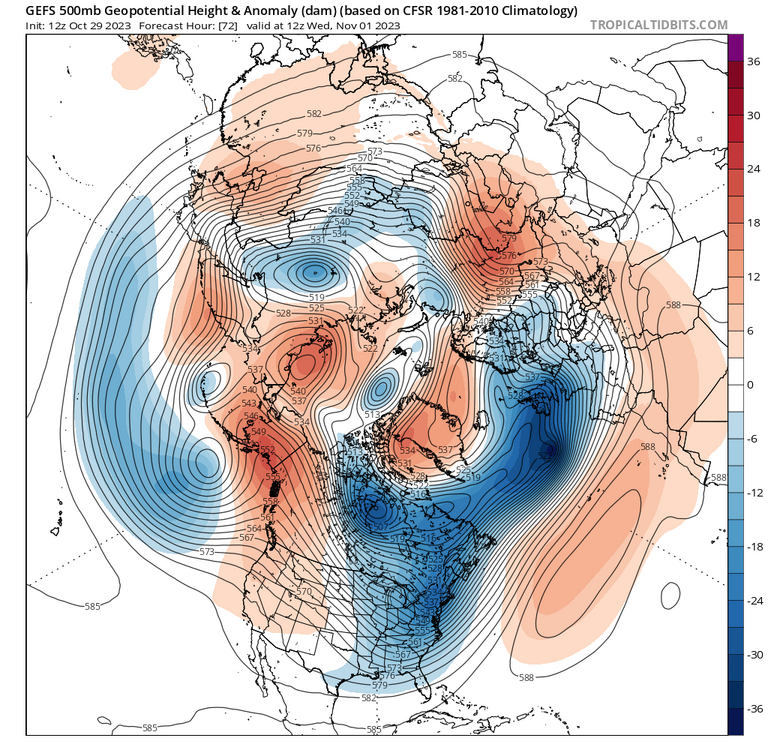
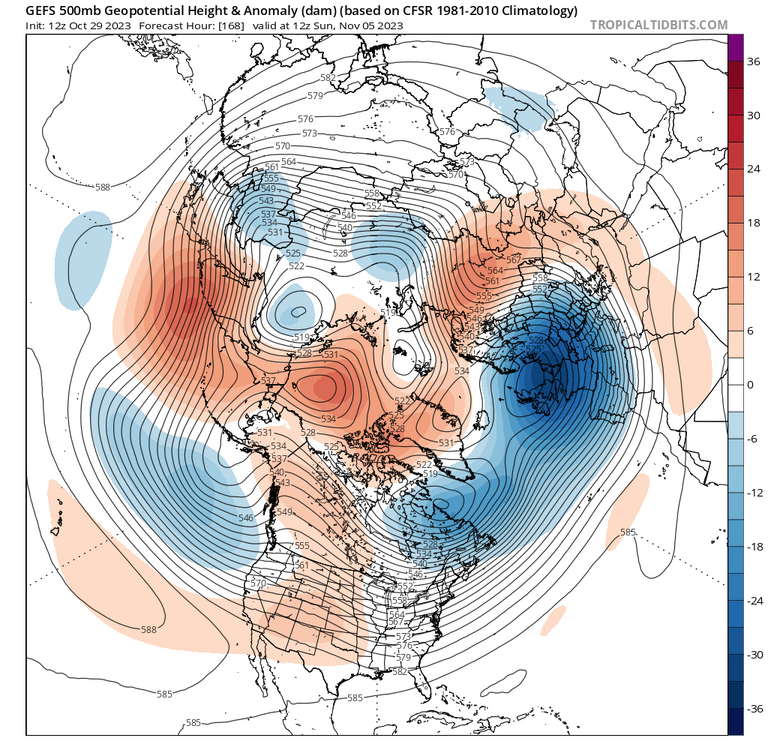
Yeah, it's a slight correction due to slight ridging W and NW of Hawaii: But broad troughing will quickly return to that area within 3 days: And will continue into the next week: So yeah, the PDO might bounce in the 0 to -1 range for a while with some back and forth as nino influence starts to establish itself over the next couple of months. It may even dip to -1.5 on the dailies but I don't expect it to go that much lower.
-
Well crap. I may have to release my outlook sooner than planned
- 1,295 replies
-
- 7
-
-
- wishcasting
- almost winter
- (and 1 more)
-
I’ve found that +AMO also promotes blocking and posted about this last week or so. The mismatch between AO and NAO, as @GaWx alluded to just means we need to look at the whole hemisphere to see the position & orientation of blocking, not just look at the numerical indices. In my opinion In fact, even though I'm still waiting for the November model runs, I'm more confident about this winter that I'm starting to write my oulook now.
-
Pretty cool we came to a similar conclusion.
-
I think we will have some favorable 2-week periods interpersed throughout, though definitely not wall to wall.
-
That’s probably more likely given all the mixed signals we have now. But all it takes is one to go ka-boom, and as ckskinsfan would say, we get obliterated.
-
Yes, and help sustain it long enough for us to get good chances for double digit snowstorms. A trough north of Hawaii is a classic +ENSO/+PDO/+PNA atmospheric pattern. Since we still have a -PDO (albeit not as extreme as it was a month or two ago), we're pinning hopes on it decoupling so that we can still get +PNA.
- 1,295 replies
-
- 4
-
-
-
- wishcasting
- almost winter
- (and 1 more)
-
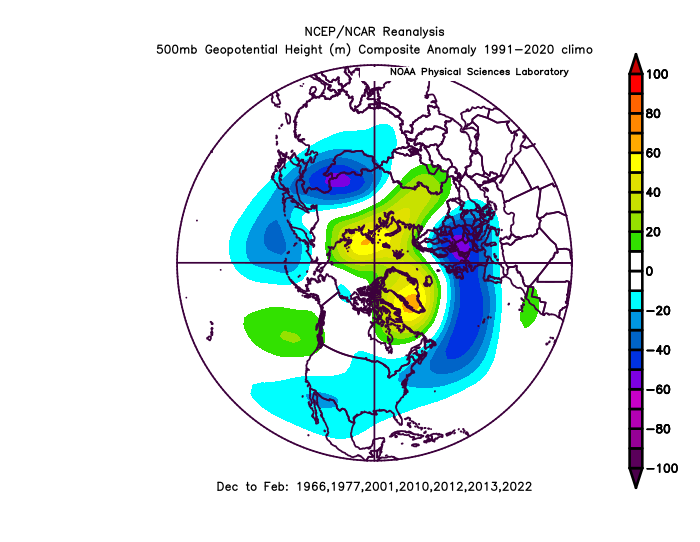
Just posted this. This year, we have a -QBO (and falling) plus ascending solar flux. When I pair -QBO and ascending solar, I see a better signal for blocking. You'll like this. Read:
-
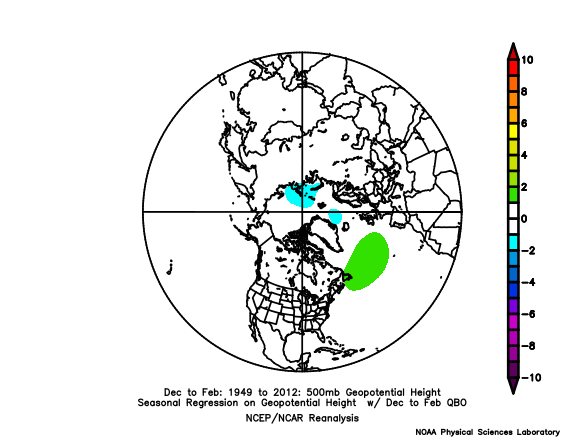
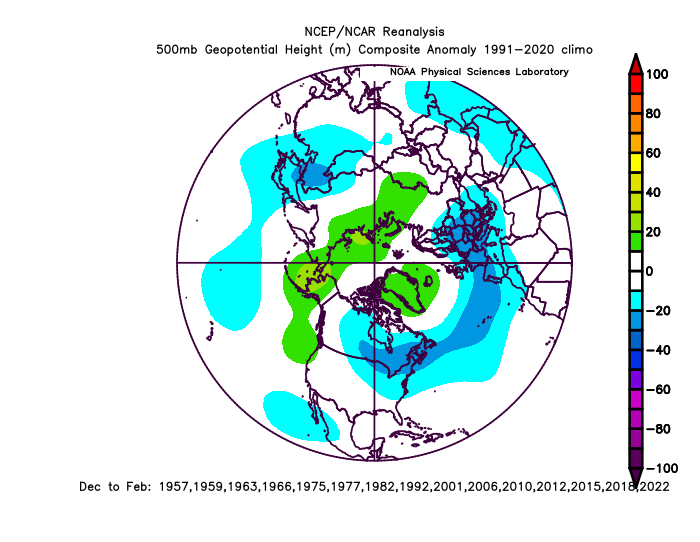
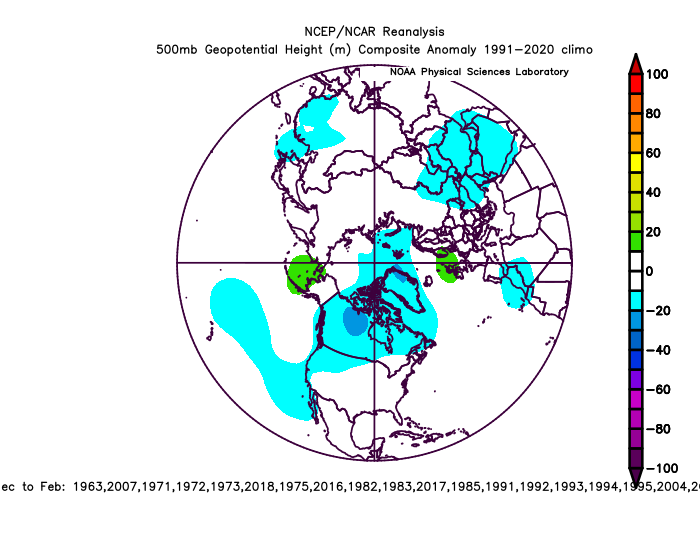
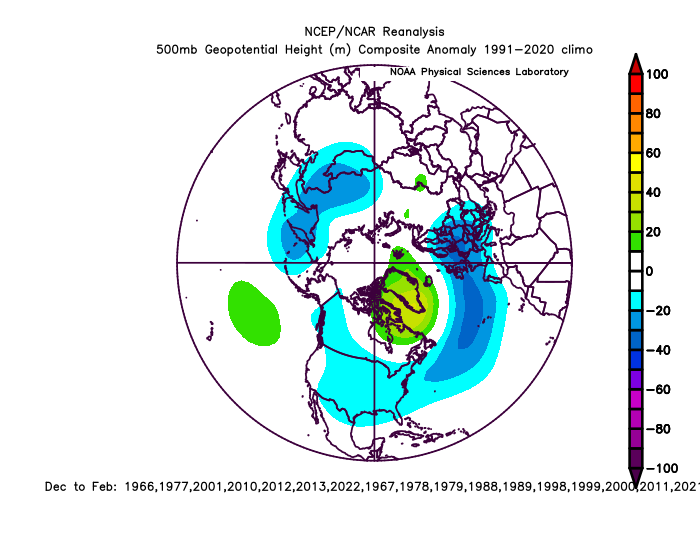
@griteater I remembered you being the one to find AO/NAO patterns by ascending or descending solar. What surprised me was that when you had ascending solar, those years favored a -AO/NAO and vice versa. Well, I did some plots that not only supported your research, but also found that a -QBO enhanced the association of ascending solar with -AO/NAO. This makes me more confident that we'll see more blocking this winter. First, when I looked at QBO alone, I didn't find a strong association between QBO and the polar domain. The regression was very weak: For -10 QBO years, you could only see hints of a signal. At first, this lowered my confidence in using QBO for seasonal outlooks. But when I looked at solar and compared descending vs ascending, I found these signals. All years with descending solar shows a hint of a +AO signal with reduced blocking. It's not a strong signal, but keep reading! These are ascending solar years, now we see a better blocking signal. But that's not all........... When I pair -QBO (all years lower than -5) WITH ascending solar years, we get an even stronger blocking signal. Boom!
-
Yeah, we have a pretty good idea on this nino. I’m mostly tracking the mid lat pac and pdo
- 1,295 replies
-
- 4
-
-
- wishcasting
- almost winter
- (and 1 more)
-
Also good to see troughing n of hawaii, and as it moves east, another trough is about to reload to its west. I’m seeing that as a great sign
- 1,295 replies
-
- 11
-
-
- wishcasting
- almost winter
- (and 1 more)
-
Close to 84 here, but back down to 81 for now