psuhoffman
-
Posts
27,459 -
Joined
-
Last visited
Content Type
Profiles
Blogs
Forums
American Weather
Media Demo
Store
Gallery
Everything posted by psuhoffman
-
I will do some more profiles tomorrow... others feel free to ask questions or add information to this thread. Goodnight
-
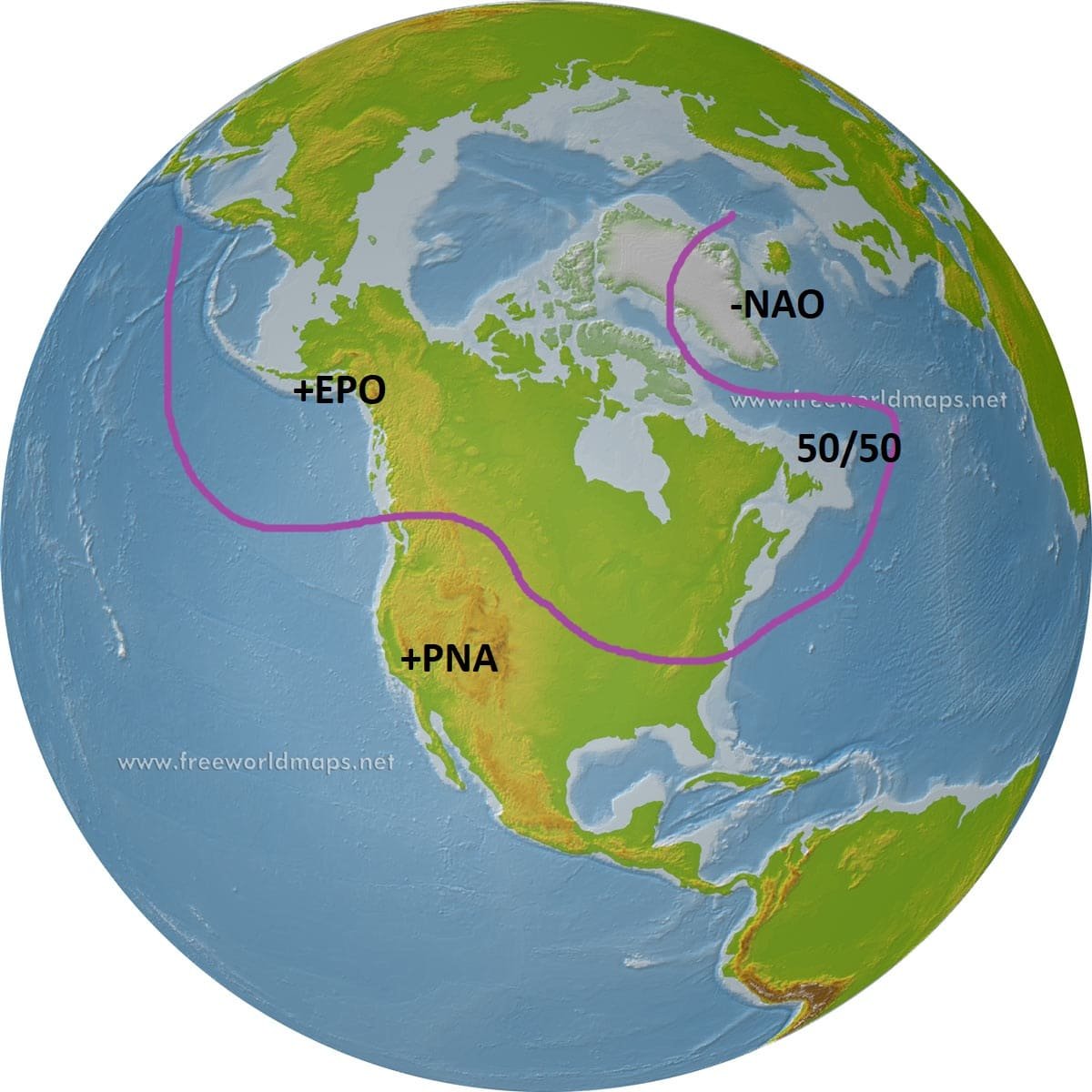
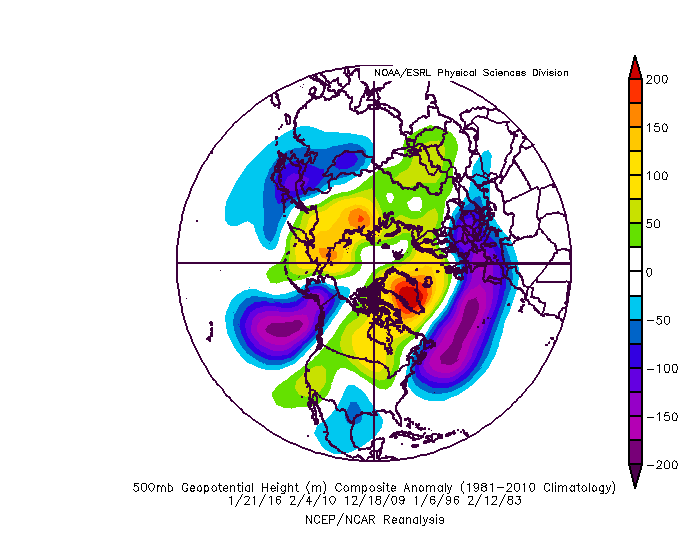
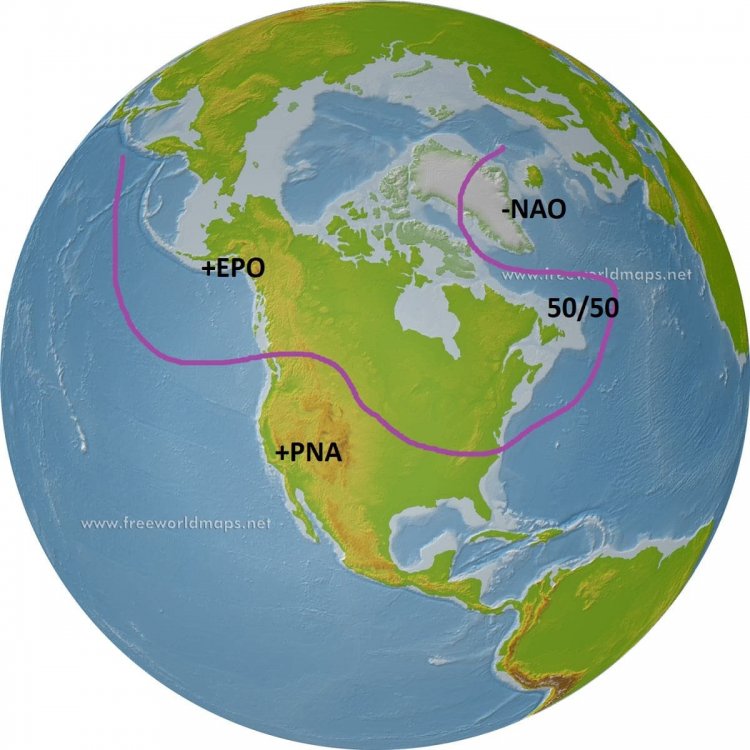
The Money Look HECS Storms This is the common look for our big ones. Almost all of our 20" plus events fit this mold. The only exception is PDII. That storm was pure lucky timing with a cold airmass and a 50/50 low. But all our other HECS storms fit this pattern. Obviously the NAO block with 50/50 low is the prominent feature. The PNA ridge also helps to get a system to dig into the east and cut off. THe EPO is actually typically positive during these events. It is hard to have extreme blocking on both sides.
-
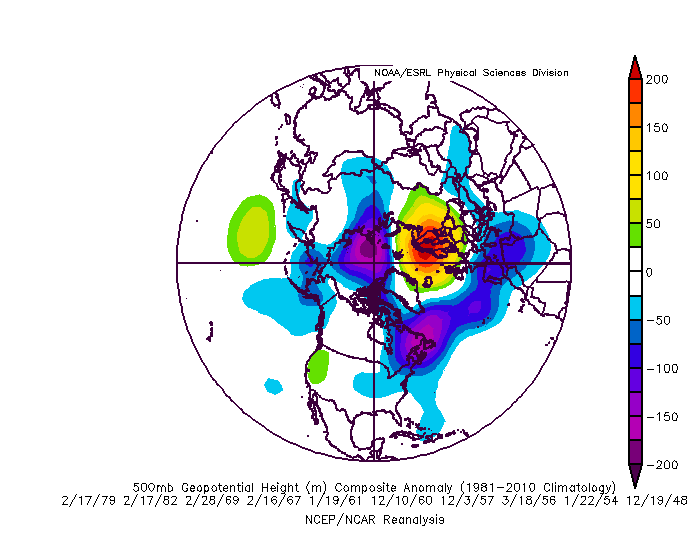
Scand Ridge w/50/50 Pattern 10 storms Another singular factor that showed up in many storms that seemed not to fit the profile of our typical snow events (10 storms) was a Scandinavian ridge that is encroaching into the eastern NAO domain. That feature when combined with a 50/50 low can work out even in an otherwise flawed pattern.
-
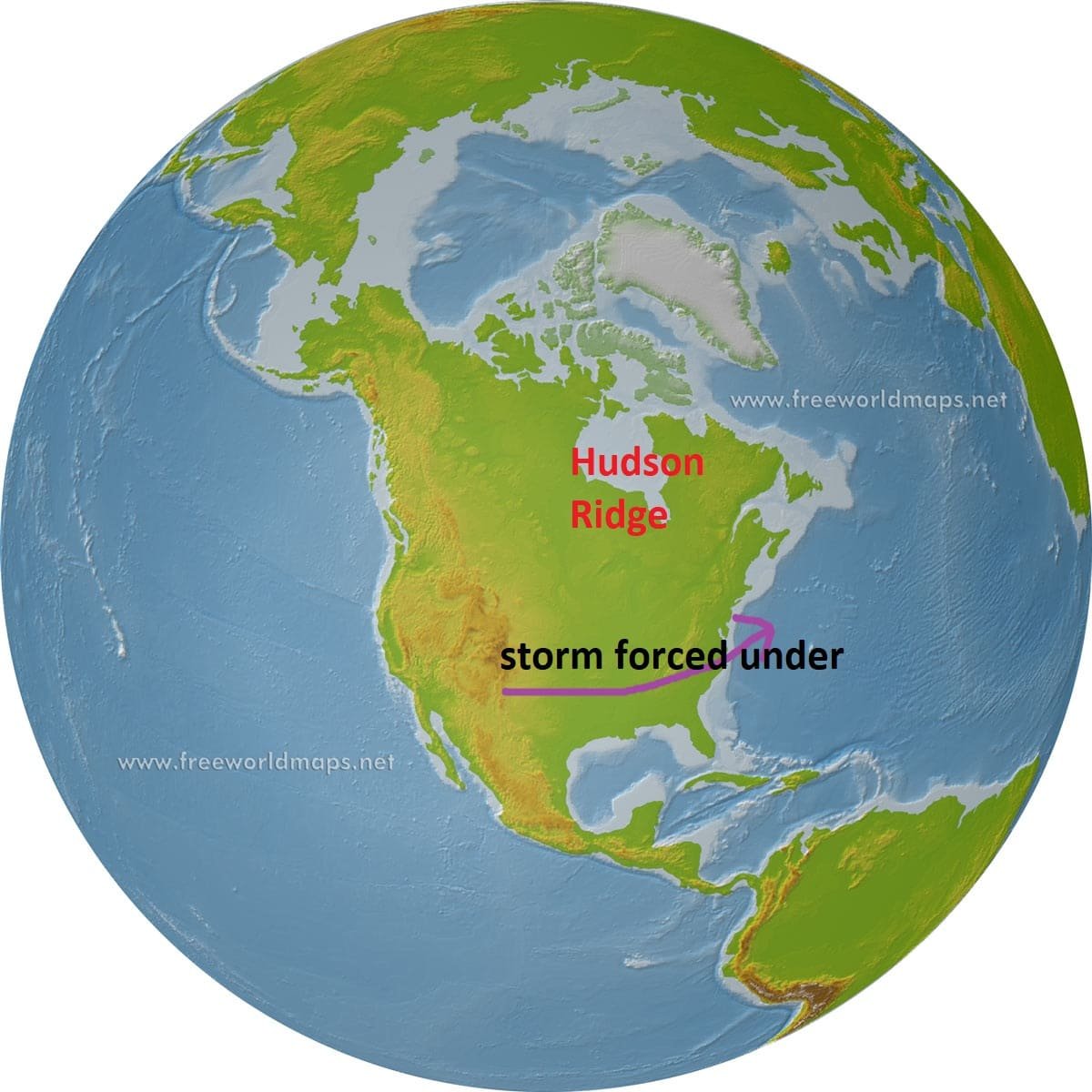
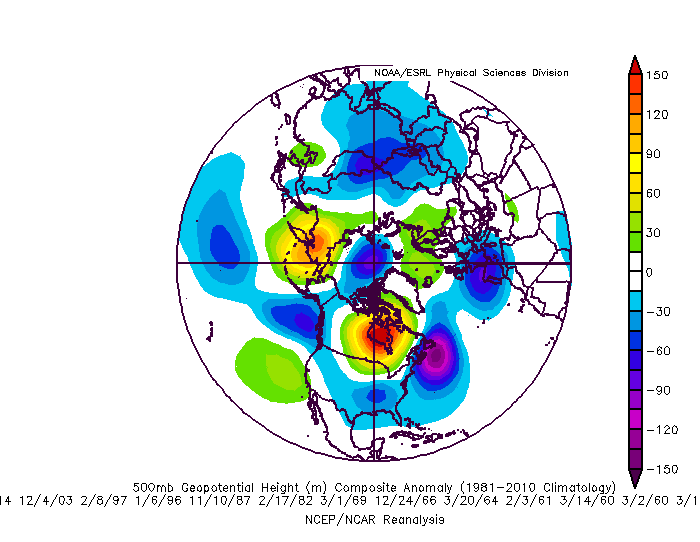
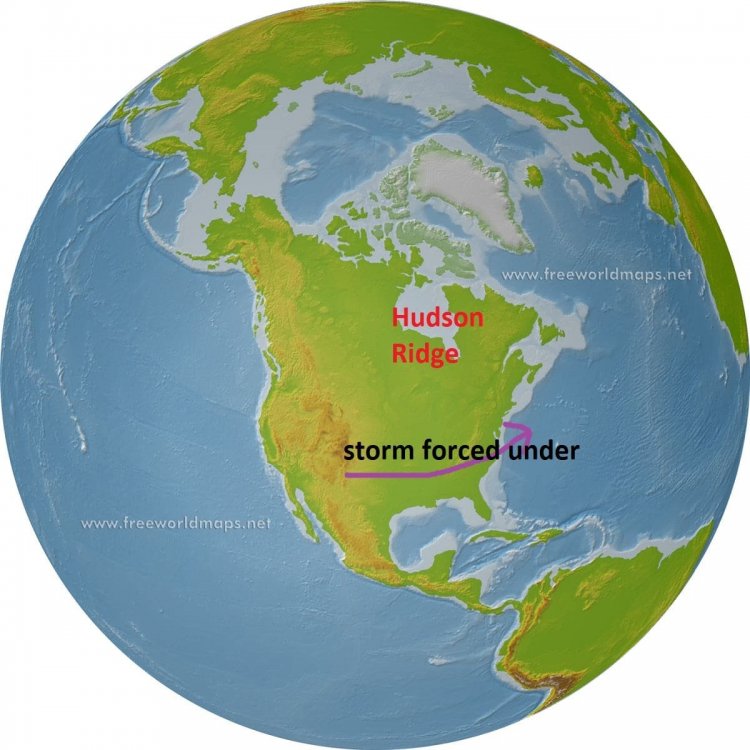
Hudson Bay Ridge 16 Storms This was the single biggest factor able to equalize a crap pattern. A lot of our "fluke" snows in otherwise bad patterns came because of this feature. Basically a ridge near Hudson Bay is perfectly located to force a storm under us even without much else right. Actually if other features are lined up right a hudson ridge would probably suppress a storm way to our south. We would want the block much further north normally. But in an otherwise crap pattern that feature has saved us often. THis is the composite of those events. Seeing a ridge centered near Hudson Bay can indicate we have a shot...even if the pattern is otherwise crap
-
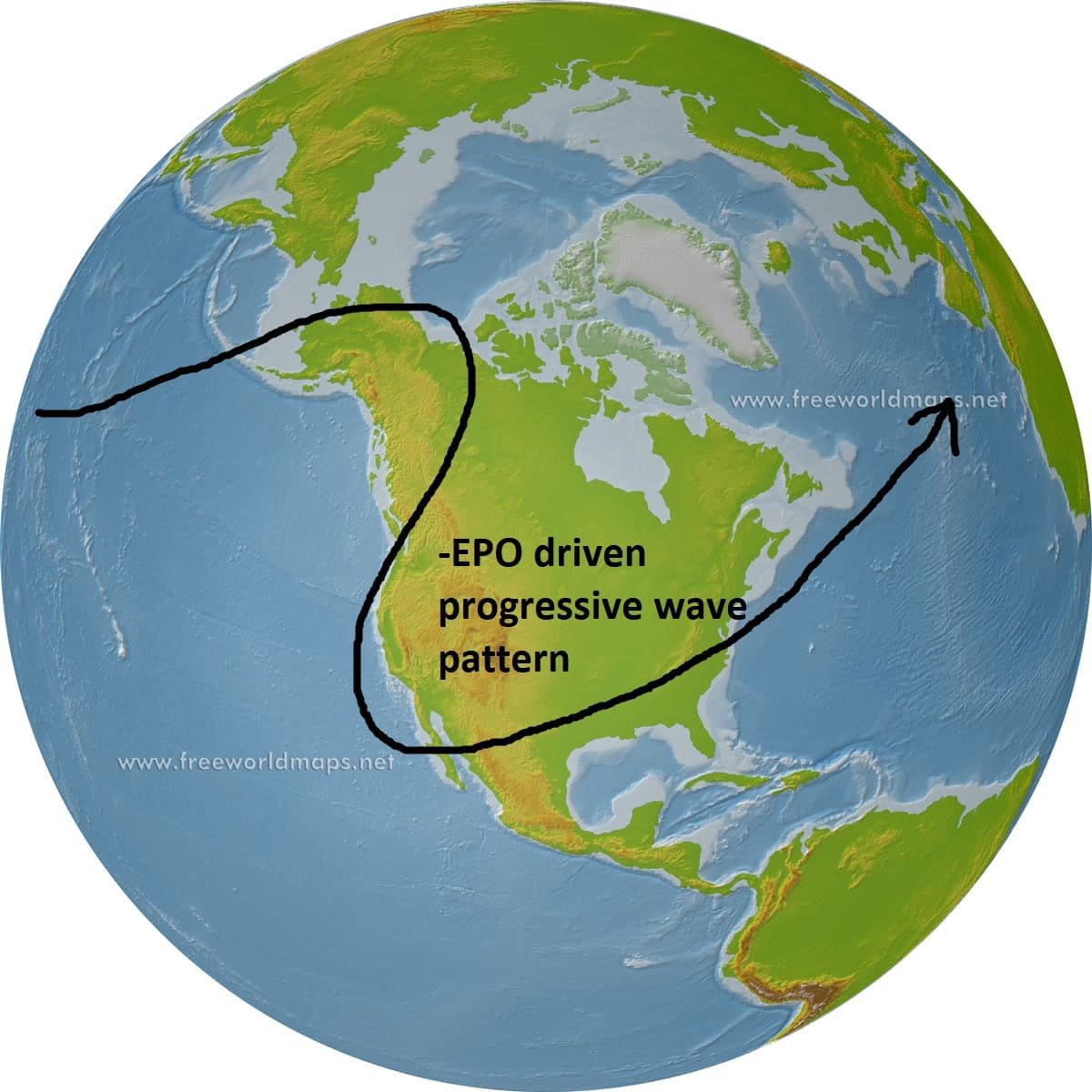
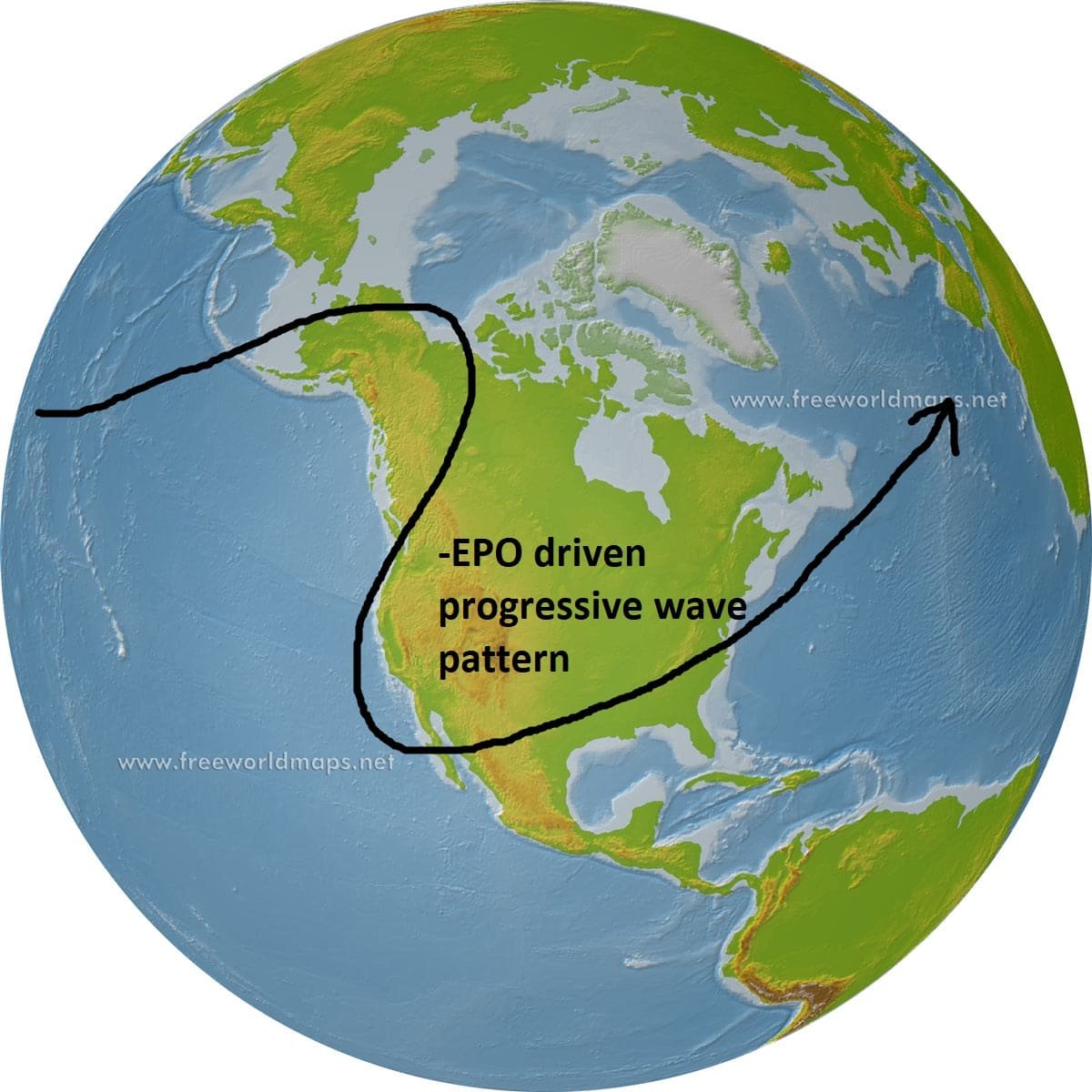
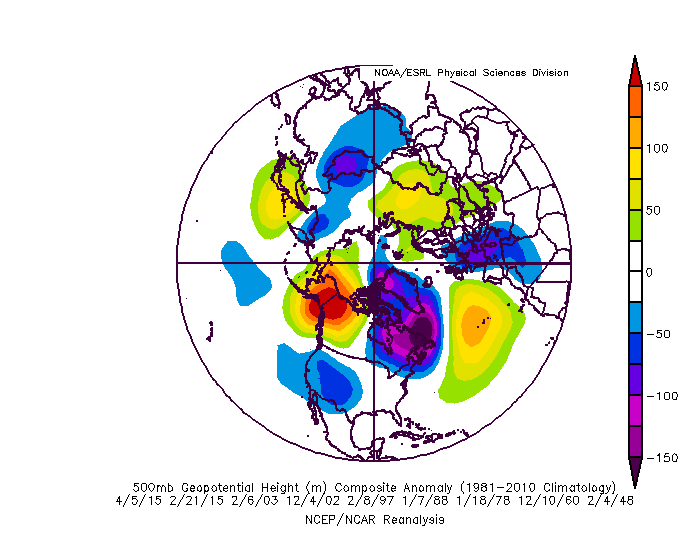
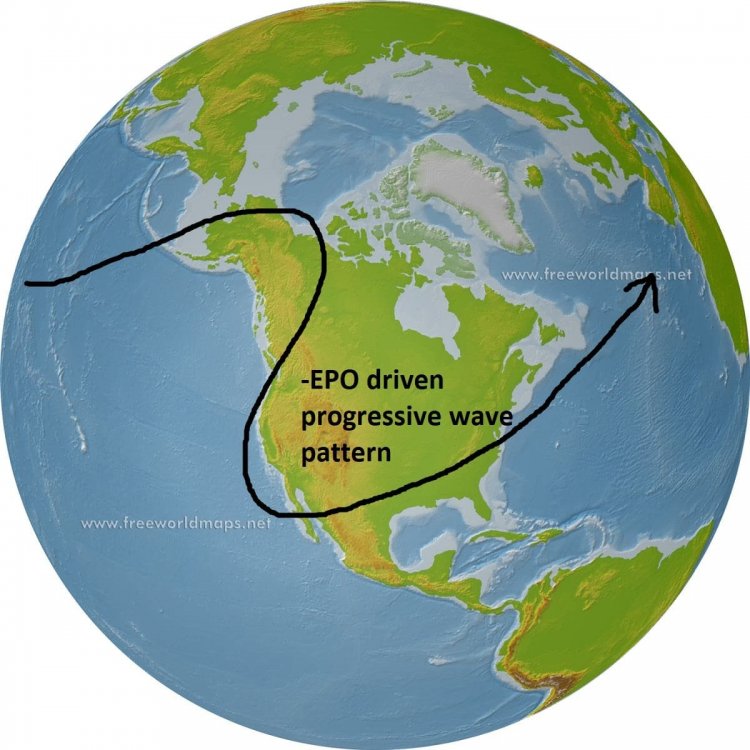
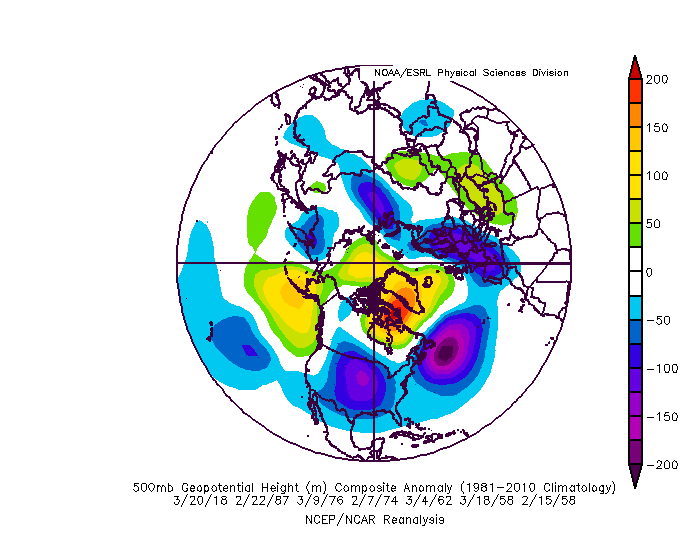
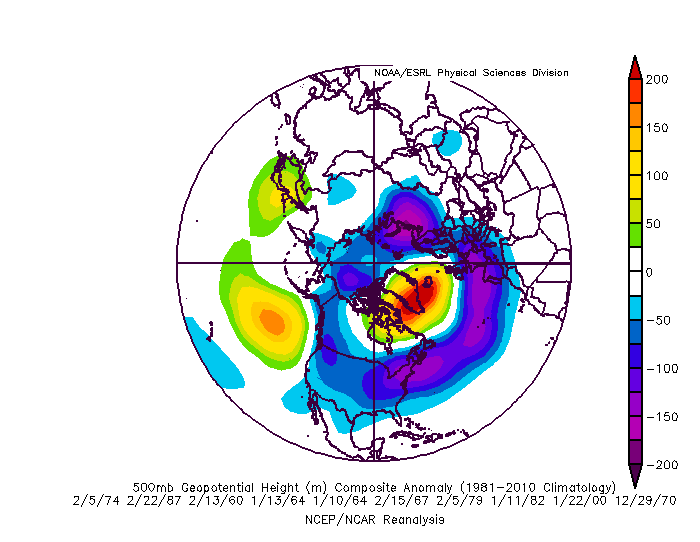
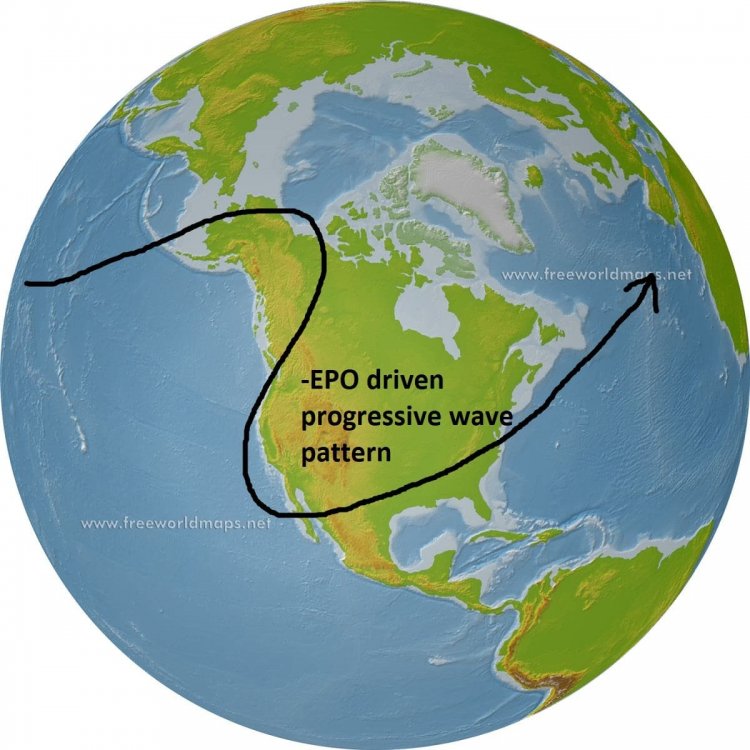
EPO Ridge Snowfalls I will start with the EPO dominant storms since we have been talking a lot about the EPO lately. This explains an EPO ridge some The EPO ridge shown there is a central (or even west based) EPO. Those don't do us much good without some HL blocking. The ridge shown there would likely lead to the storm track in red on the map. IF...we had some HL blocking to suppress the flow and hold high pressure in then the track in purple is more likely. Without any HL blocking...the EPO actually is almost equally able to bully the pattern into a snowy one as much as the NAO...9 events to 10 with only those factors in favor...but it has to be a specific type of EPO ridge. Below is the loading pattern for each of the 9 EPO driven snowfall events absent atlantic help You can see we need the ridge to be centered into northwest Canada NOT out over the PAC. That configuration can create a pattern favorable for progressive waves that get under us. We actually want the PNA negative for this to work. A full latitude ridge with no atlantic help just is cold and dry. The western trough with an EPO ridge over the top leads to a pattern like this... If the EPO ridge is a west based EPO then we need at least SOME atlantic blocking help. These all feature a -PNA also because a western EPO ridge almost always leads to a -PNA. There were no examples of a west based EPO ridge without any blocking help. Since we are starting a central PAC ridge in the face right now on guidance I will include those analogs. The ridge north of Hawaii is really a WPO ridge more than a EPO although the two overlap some but a ridge centered there can only work with extreme NAO blocking. There were no examples of a snowstorm with a ridge there without NAO help. This is the composite from those snow events.
-
Snowfall Study 5"+ events at BWI since 1948 88 Events studied For my snowfall study I looked at every warning event (5"+) at BWI going back to 1948 (that is when the upper air data is available). I know some of those events happened over a longer period than 12 hours and might not technically be a warning event but I thought 5" for the whole event was good enough. I used BWI because I feel like it is a bit more indicative for the urban corridor than DCA. If you live on a slab of concrete on an island in the Potomac south of DC...I apologize to you...and I feel bad for you, but oh well. I also included 3 events that fell just shy (they were all 4.8 or 4.9" at BWI but were significant events for a large portion of our area. That might be cheating but its my study and I can do what I want. Perhaps one of these events didn't hit your exact location the same...but when a storm misses by 200 miles its the pattern...when it misses by 20 miles its bad luck. So the patterns that caused these storms show potential, even if a particular event wasn't as good at your house as BWI. I then looked at the upper level patterns. For each storm it took a bit of analysis because sometimes I had to go back over the week leading up to determine what the predominant pattern or feature that lead to the storm was. Sometimes the key to a storm is something that happened the week before, and if you just look at the day of the storm you can't tell why the pattern was right for a snowstorm at all. So some of this is a bit subjective...the index might have shows something different on the day of the event...but if you look at the week leading up to it the pattern was in a different state. Also some h5 features key to a snowfall here can be invisible on the indexes. A Hudson Bay ridge might now show up. An extremely west based NAO Block can be muted by a trough in the eastern NAO domain or a trough near the Azores. An east based epo can be hidden by a trough in the western epo domain. I wanted to identify what features at h5 really indicate snow potential. So with that out of the way... There were 88 warning level events going back to 1948 Looking at each index on its own The NAO was the most important single index for predicting snow 58 of the storms featured a -NAO 3 were neutral 27 were positive The AO was second most predictive 54 featured a -AO 9 neutral 26 positive The EPO was evenly split 42 -EPO 4 neutral 42 positive The PNA surprisingly had more events in the negative phase (however most of our really HUGE snowstorms did features a +PNA ridge) 44 negative PNA 5 neutral 39 positive This was the breakdown for the index combinations and snowstorms for each combo the order for the chart is EPO/PNA/AO/NAO - - - - 16 + + - - 13 - + - - 11 + - - - 10 - - + + 9 + + + + 6 - + + + 3 Some take aways from the chart... the most common snowfall combo is a pattern driven by a -EPO ridge in conjunction with atlantic blocking. The next most common is a +PNA ridge with atlantic blocking The 3rd most common is a combo EPO/PNA ridge with atlantic blocking. So....atlantic blocking with ANY pacific help from either the PNA, EPO, or both...accounts for 40 of the 88 storms. After that we are left with storms when only ONE factor was working in favor of it. For those.... 10 were purely a function of High Lat blocking overcoming a crap pacific 9 were purely from an EPO ridge with no PNA or High Latitude Help (All of them were an east based EPO ridge) 6 were purely from a favorable PNA ridge and no other help Only 3 came from a combo EPO/PNA ridge with no blocking. So for everyone that throws around 1993....that was one of only 3 storms that hit with that look. A huge EPO/PNA ridge with no blocking is just cold/dry and progressive. Usually a quick cold shot then a warm up. One last note... by far the single biggest factor if we had to work with only one thing to get snow...is the Hudson Bay Ridge. We had 16 storms where the only really positive feature working in our favor was a Hudson Bay Ridge. Most of those storms don't show up on the chart because that feature often falls in between the typical index domains and in a lot of those storms all the other factors looked like crap. Apparently a Hudson Block is a local enough phenomenon to overcome pattern issues in a lot of other areas. It was by far the biggest way we got a snowstorm in an otherwise crap pattern. Also there were no cases with a -AO as the ONLY factor working in favor. That is not because the AO isnt important its just really hard to have a -AO without there being an EPO or NAO ridge because there is some overlap of those domains. It's also hard not to have EPO or NAO help...since the TPV being located near one usually opens the door to ridging near the other. And if we did have lower heights all across both domains the AO would likely be very positive. I will show some of the common composites to these patterns in following posts
-
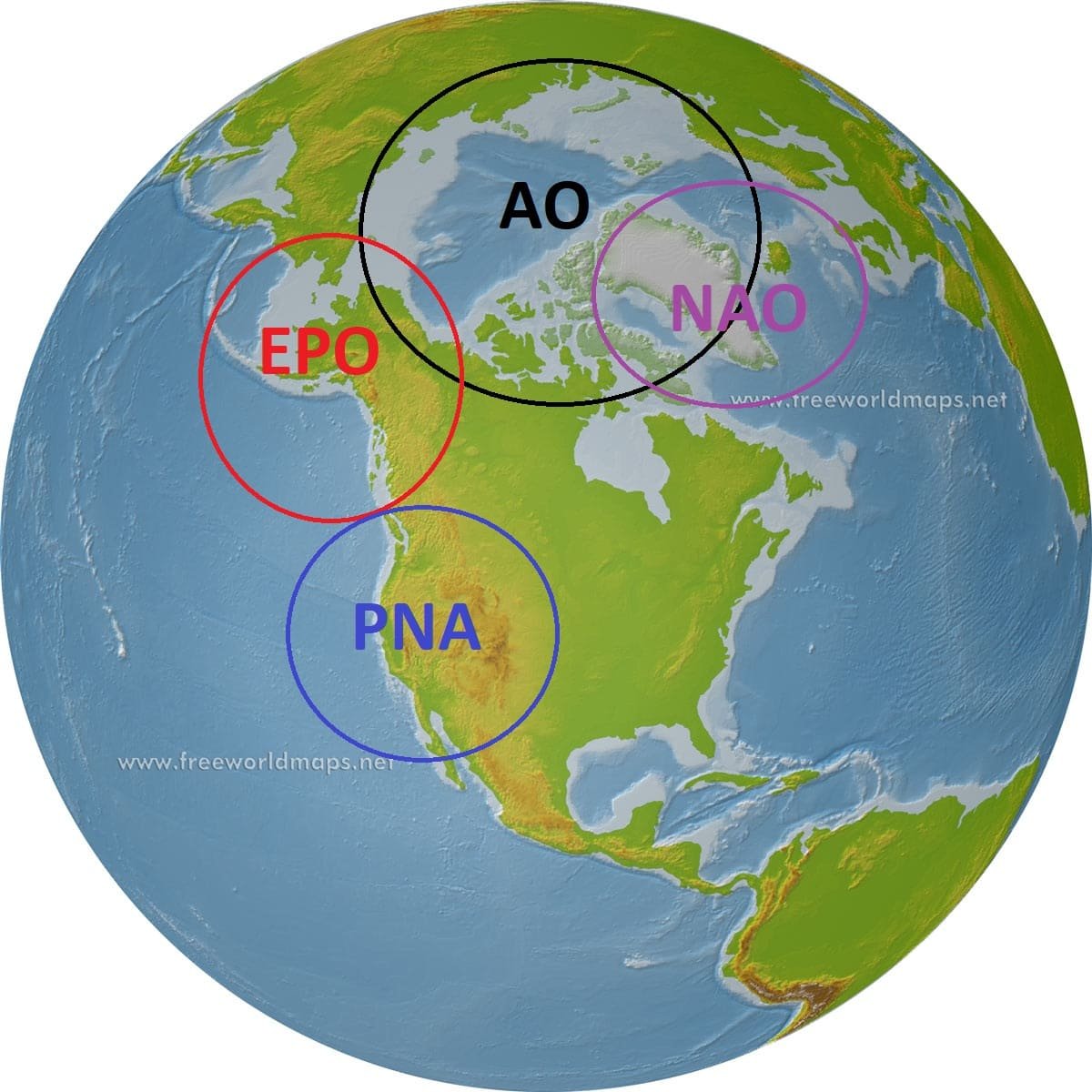
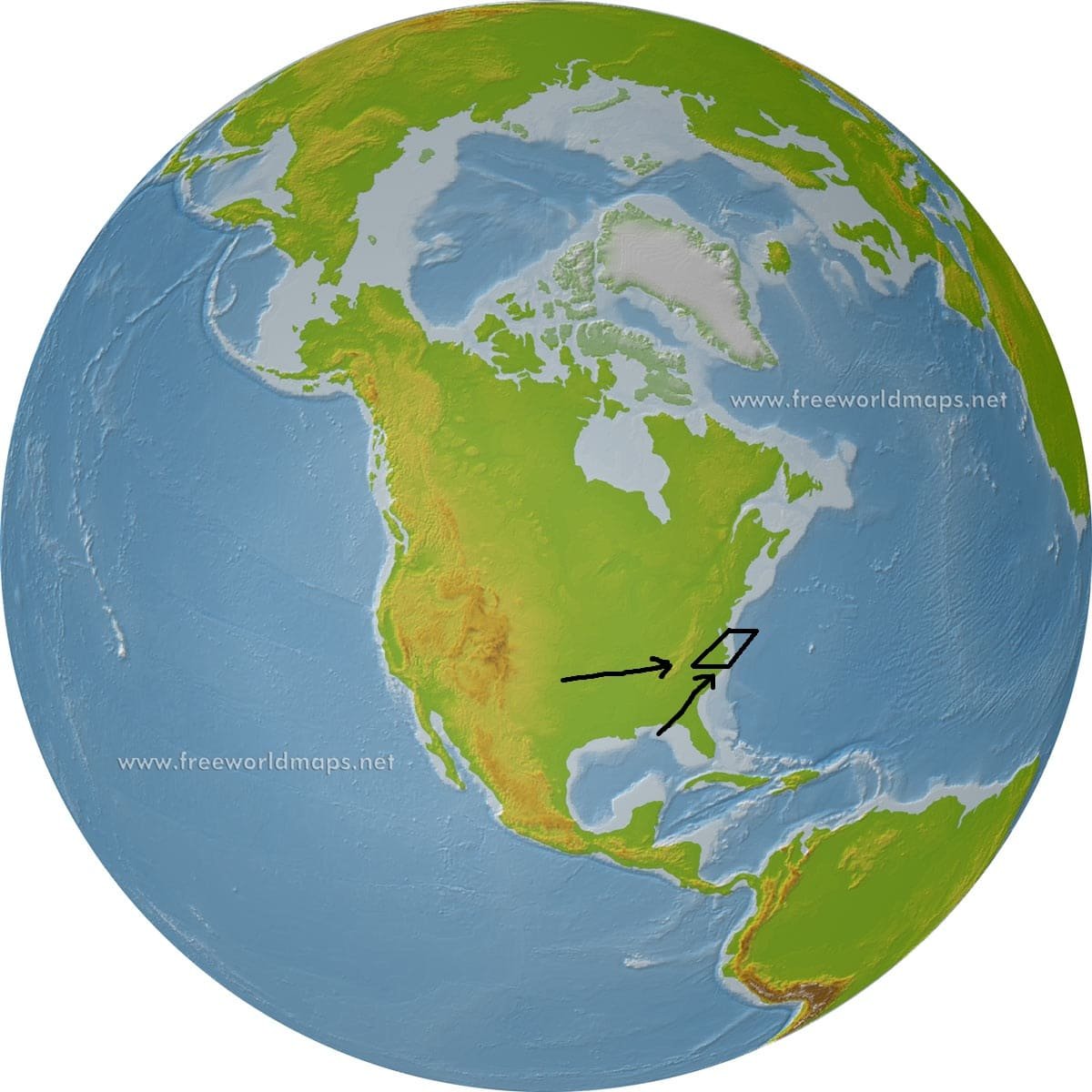
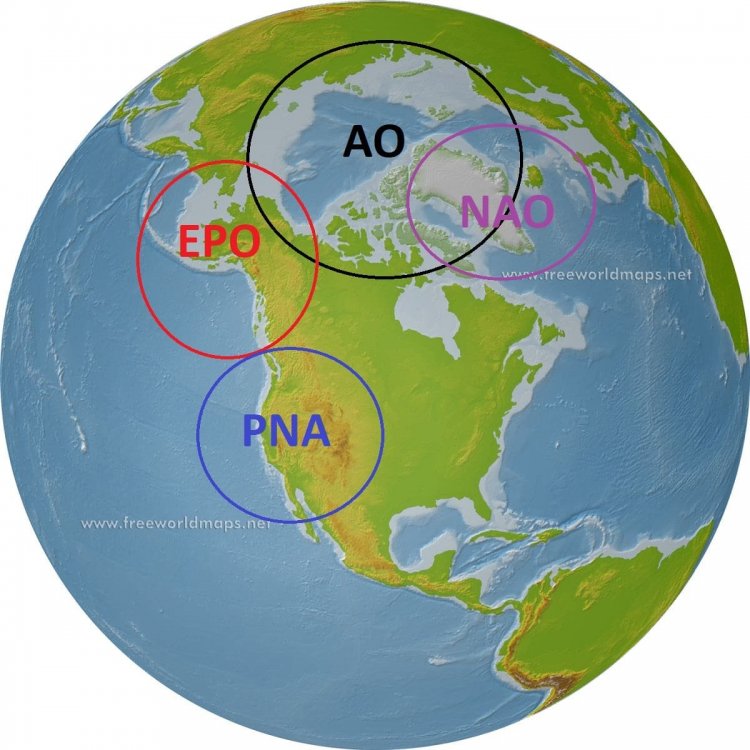
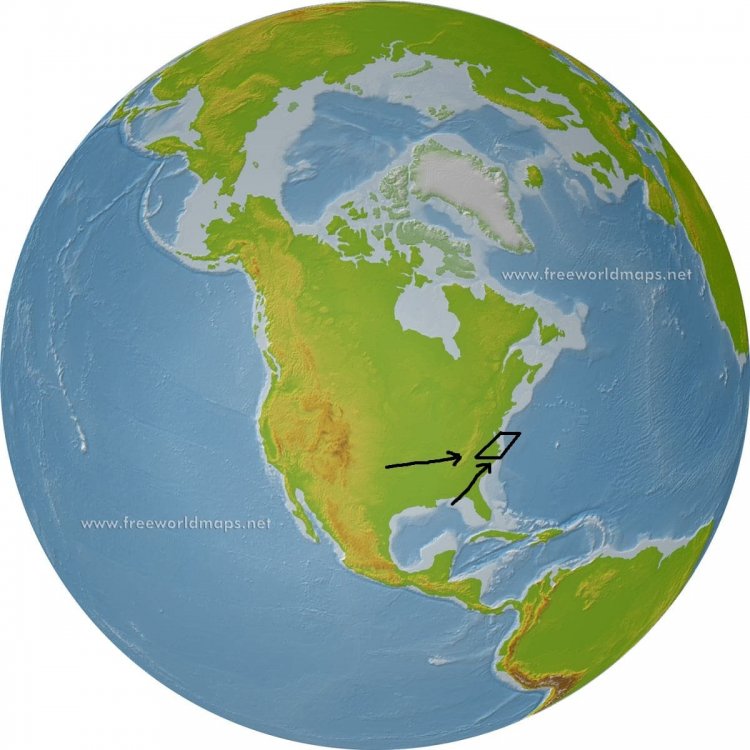
I have been seeing some of the same questions posted wrt patterns lately and been getting some PMs about it so I thought I would post some stuff I have been working on for a while wrt snow climo and patterns. Others can add to this also. I did a study of all warning level snowfall events at BWI going back to 1948 and I will post the results below but first I thought I would give some info. One disclaimer: most of this research and information is focused on warning criteria snowfalls. We can fluke our way to a minor advisory level event in almost any pattern during mid winter. It really muddies things if we include a lot of 1-3" type events. But there are clear patterns if we exclude minor events and only look at what patterns are right for 5"+ events. I am not dismissing minor snowfalls but its really hard to identify patterns for a 1-2" snowfall. Some common pattern driver indexes we reference The colder phase of these indexes are -EPO (ridge), +PNA (Ridge), -AO (weaker TPV over the pole), -NAO (ridging). But colder doesn't always equal snow. There is no one pattern for snow. The trick is getting the jet right so that we get a storm into our "box". The most common tracks to get a significant storm into that box are shown. But there are a variety of pattern combinations to get the jet wavelengths right. Changing one factor can change what we need from another. But the key is getting the jet aligned for the track of storms to end up just to out south or southeast. For example...most of us know about the idea -NAO pattern... But...a -EPO pattern can work too or a Hudson Bay Ridge I will go into specific patterns and what percentage of our warning criteria snowfalls came from those patterns in the next few posts
- 70 replies
-
- 20
-

-

-
Run flee scurry
-
Yep...it was an attempt to corral all the dumb into this one thread. ETA: just so a debate doesn't start up I know when this thread started it was dry...and it was worth noting it...but it was fairly typical variance that happens a couple times a decade and not the emergency situation worth derailing EVERY discussion in every thread one person was making it out to be.
-
it seemed like such a dire thing .. its not like typical cyclical climate variance could have solved such an emergency situation
-
When will we get a drought update?
-
You're welcome. As for deer my wife knows a trick using Irish spring soap. Seems the deer don't like the smell. She puts it up at the corners and they have not been a problem.
-
More recent pic...I need to catch up on weeding but have a 2 month old and I've been working long hours helping run a summer learning program.
-
I put a fence up around the garden. I lived the bottom foot with chicken fence to keep the smaller vermin out and then tucked the fencing underground about 6" for a foot to keep groundhogs from burrowing under. I also build a cage with bird netting for the strawberries. We haven't had an issue with the other berries. You can see in the background the strawberry cage. These are old from right after I finished laying out the garden and putting down the boxes and stone walkways. What is now the pumpkin patch is in the background.
-
Oh I know. I have a pretty large garden. Tomatoes, carrots, corn, peppers, raspberries, blueberries, watermelons, zucchini, green beans, snap peas, and 3 kinds of pumpkins. It's a pain when I have to water it all. But it's normal. There is a dry stretch almost every summer. Also sucks for my 2 acre lawn but there is nothing I can do about it. No way I am wasting that much water and overusing my well pump. Just have to hope it recovers when the rain comes again.
-
Typical cyclical patterns continue. We had a very wet spring. Now we are have a very typical summer dry spell that happens often. Some keep looking at qpf over too small timeframes to draw meaningful conclusions.
-
Don't feed the animals.
-
But that's pretty typical of a Nina winter.
-
Nina is typically dry here. We've had a two year Nina. It's ending now. We probably transition to a wetter long term pattern soon. It is typical cyclical variation. If this were to continue dry another 6-12 months then things would get serious and it would be a historically significant drought. I doubt that.
-
RIP
-
The problem with persistence based forecasting is you don't know when the pattern will break. And there can be wet periods embedded within longer term dry patterns. Some of us had over 1" qpf last week. Either way yes dry feeds back and can cause more dry but it can and will break and so all this dire saber rattling that it can't rain or snow because it's dry is overdone. Yes it's dry. No one is refuting that. But it's part of long term cyclical patterns. Dry wet it goes back and forth and will balance in the long run. This isn't anything out of the realm of normal long term variance. We have had droughts like this before and we will again. And it will end at some point.
-
Vice Regent says we're all gonna be under water. This guy thinks we're heading for scorched earth. Can we stick them in a room and let them fight it out?
-
You win. Your right. The earth is scorched. The apocalypse is upon us. It will never rain again. Fleas and ticks will rule the earth. Flee scurry run for our lives. The great dryness is upon us.
-
I am being flippant because I think he is going too far with this. Yes we are in a low level drought. And I don't mean to be rude towards farming interests and other areas where it is having an effect. But right now what we're experiencing is part of typical cyclical weather. And it's an effect not a cause when we discuss snow. The Nina pattern among other things is causing both the lack of snow and precipitation. Droughts are an effect more than a cause. If droughts caused drought then we would never get out of them. Droughts tend to persist as long as the pattern causing them persists and then it ends and so does the drought. So sorry if I came off dismissive but I'm tired of the agendas. Between the global warming and the drought and the government conspiracy and NWP arguments we can't keep anything on topic anymore.
-
Oh look a thread where we can talk about drought. Crazy. I think your taking something fairly mundane and blowing it way out of proportion. We're in a drought. We have had many like this in my lifetime and we will have many more. We also have floods. Weather goes through these cycles. It will rain/snow and balance out eventually. We're not to the point where things are dire yet. That's the take of this false prophet of populist belief.