
vortex95
-
Posts
2,206 -
Joined
Content Type
Profiles
Blogs
Forums
American Weather
Media Demo
Store
Gallery
Everything posted by vortex95
-
Tell @ineedsnow that!
-
Forget 38 cane, Nov 1950! That would be *way* worse net-net b/c of the areal coverage of the big winds. And we'd less even less prepared b/c ppl do not react as much to storms w/o a name on it or if it is not snow.
-
-
Not bad for Oct. @weatherwiz
-
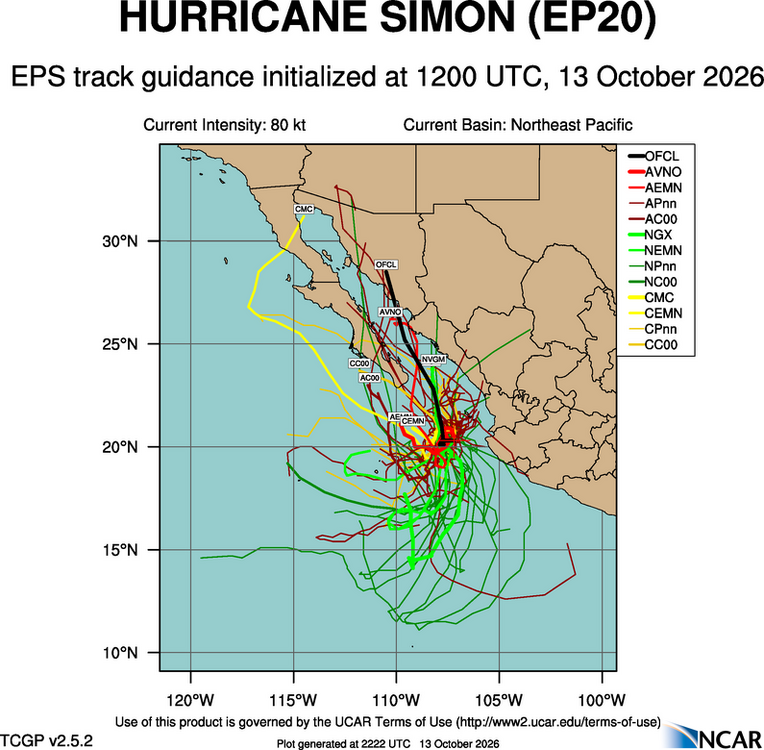
Newly formed Trudy is fcst to become quite intense. Trudy as name rang a bell for me since this was also an intense Oct hurricane (135 kt) in 1990, and hung around for two weeks. https://en.wikipedia.org/wiki/1990_Pacific_hurricane_season#Hurricane_Trudy Of the top 5 EPAC ACE prior to 2026, 1990 is #4 and that was a neutral ENSO year. In fact, of this top 5, only 2015 was very strong El Nino.
-
"Squashed spider!"
-
Yes, also recency bias - the cognitive shortcut that what has happening now or very recently has more significance/importance than what was prior. When you look at wx history and all regions of the world, you can find numerous focused regional wild periods for wx. Just for U.S. HUs? New England had 5 hurricane landfalls 1938-1960, and since 1991, none. People back then in the region would be like, "what the heck is going on?" and people now in the same region would be like "what's a hurricane?" FL is nothing new to wild periods: Hit by 5 category 4 hurricanes 1945-1950, 12 hurricanes 1941-50 w/ 6 major, and a record 13 landfalling hurricanes 1871-80. Or more general: From 1926-1969, 14 category 4/5 hurricanes had U.S. landfalls. For the period 1970-2016, only 4 category 4/5 hurricanes had U.S. landfalls. The 14 yr period 2006-19 had 3 CONUS major hurricane landfalls. This is the least for such a period since 1900. The most is 13 from 1915-28. In June 1886, 3 hurricanes made landfall in the U.S. No other June has had more than 1. The last June CONUS hurricane landfall was in 1986. This is the longest stretch w/o a June CONUS landfall on record.
-
Next two systems decent rains for NNE. I don't want hear it! And you should see your first flakes!
-
The 2020 Isaias produced the most tors from a TC that tracked along the E Coast and stayed E of the Appalachians -- 39. And DE has its longest-tracked tor on record at 36 mi. https://www.spc.noaa.gov/climo/reports/200803_rpts.html https://www.spc.noaa.gov/climo/reports/200804_rpts.html
-
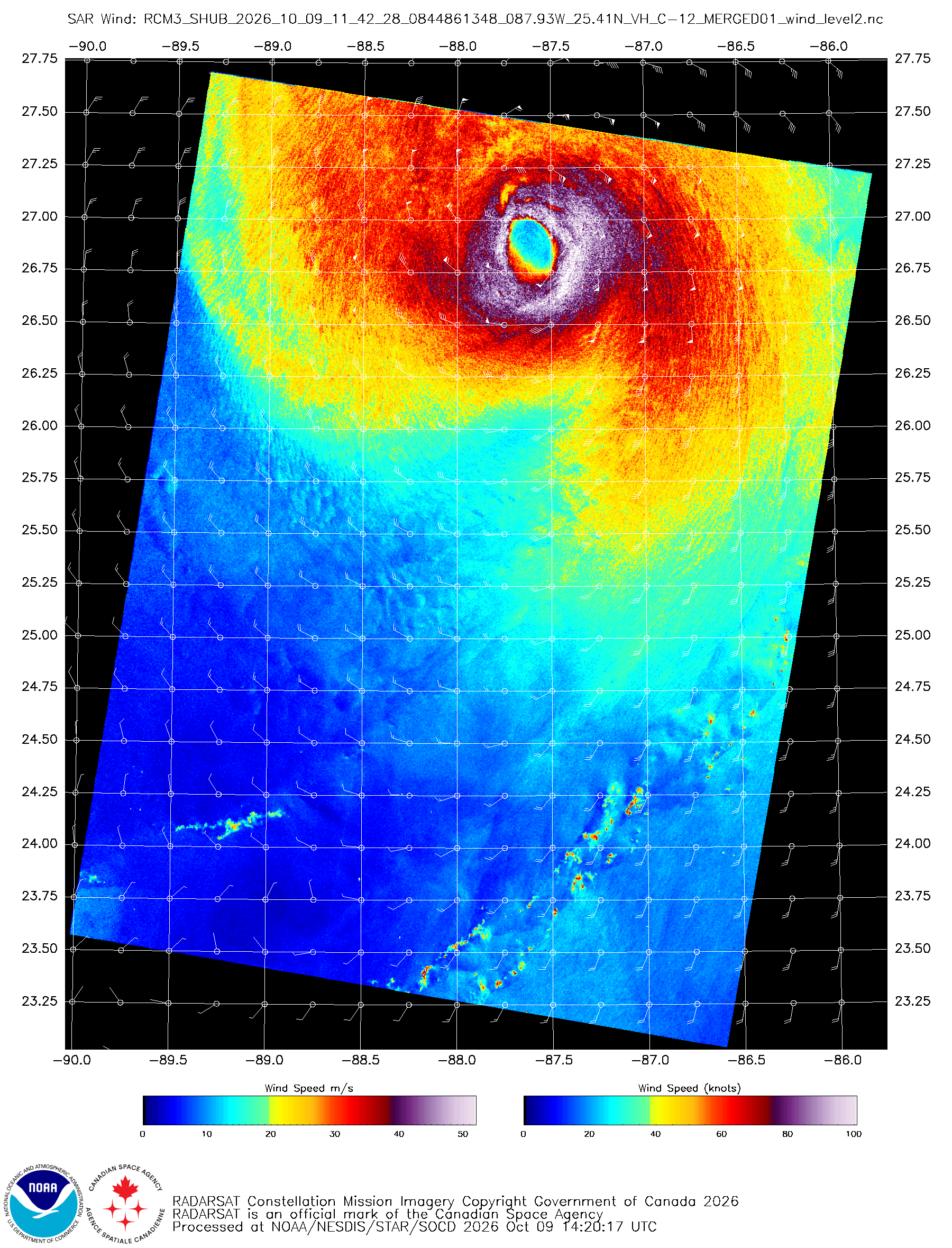
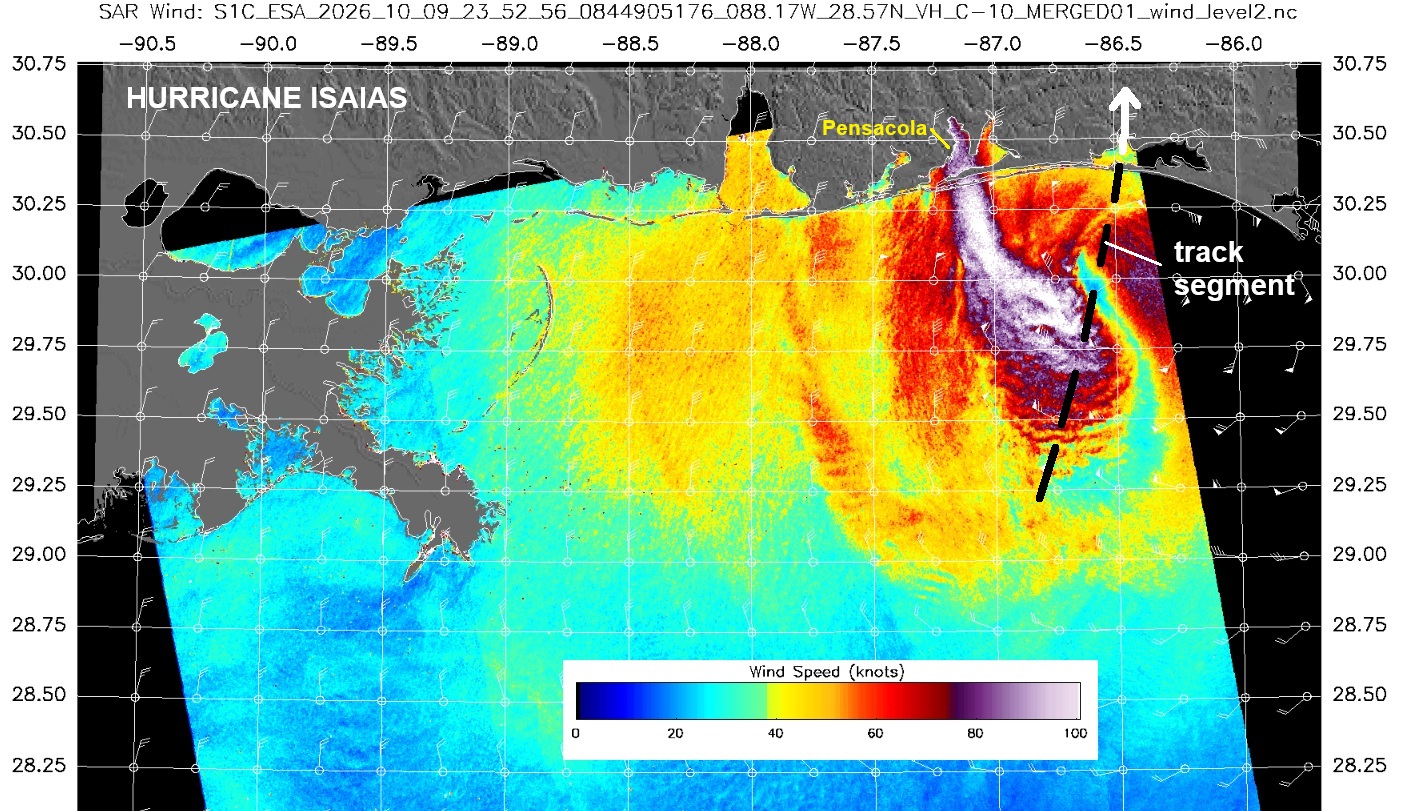
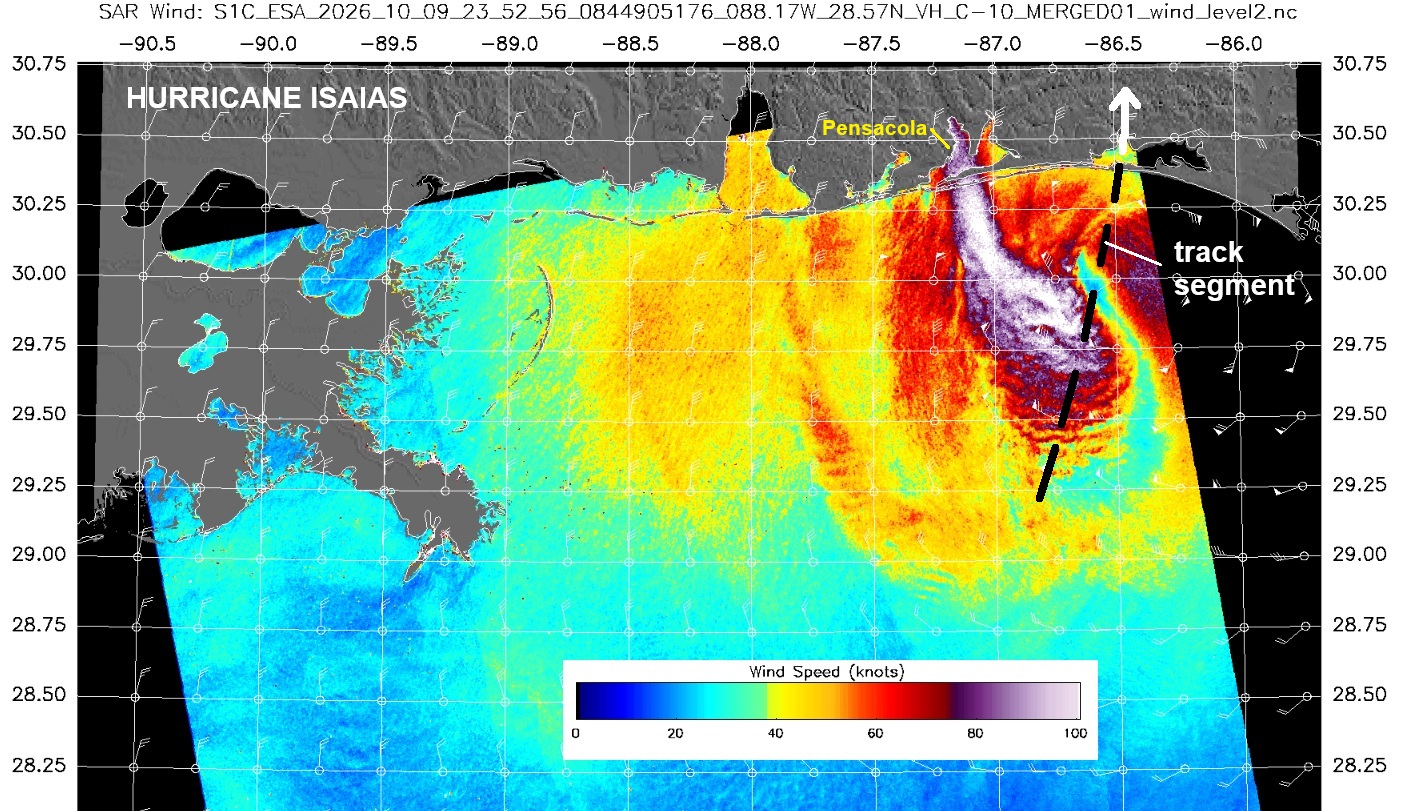
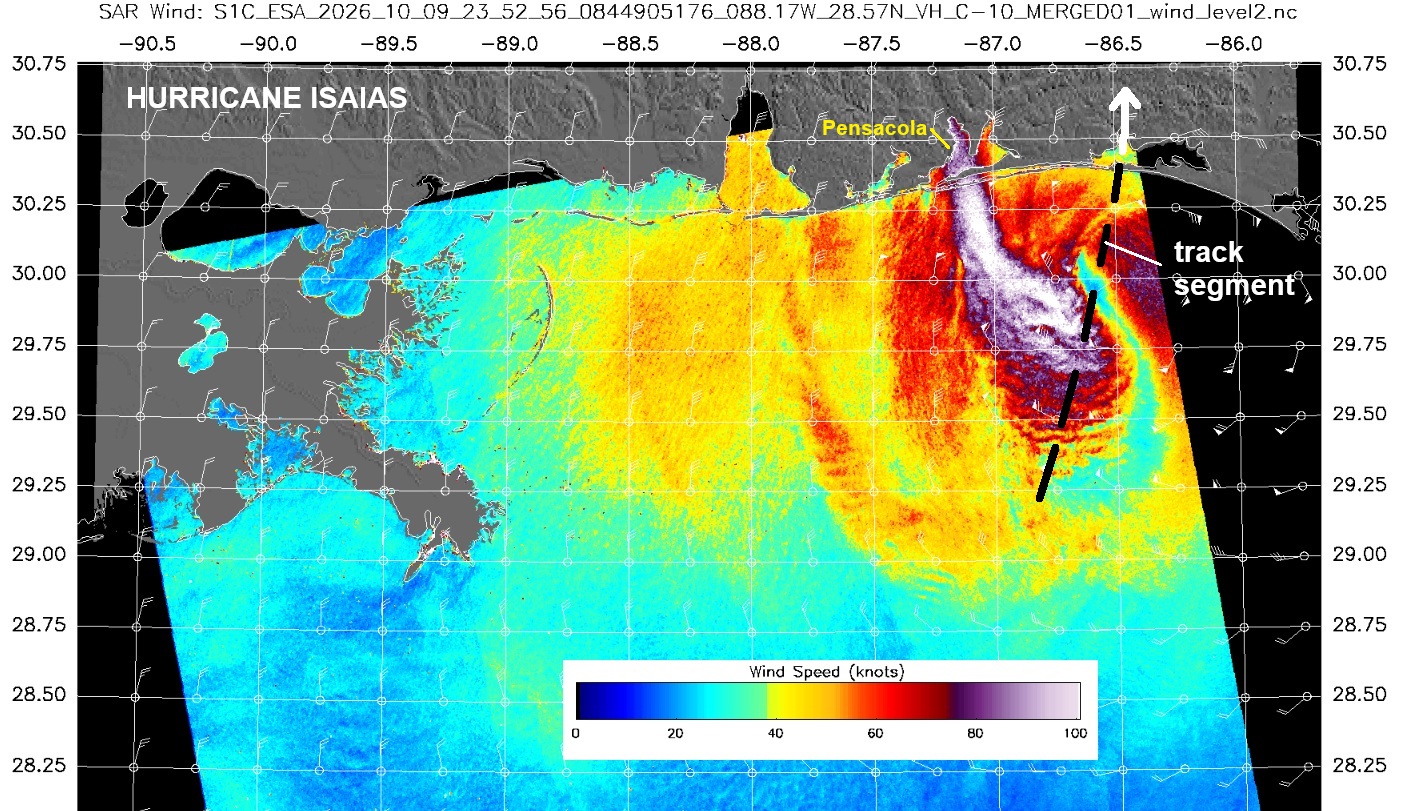
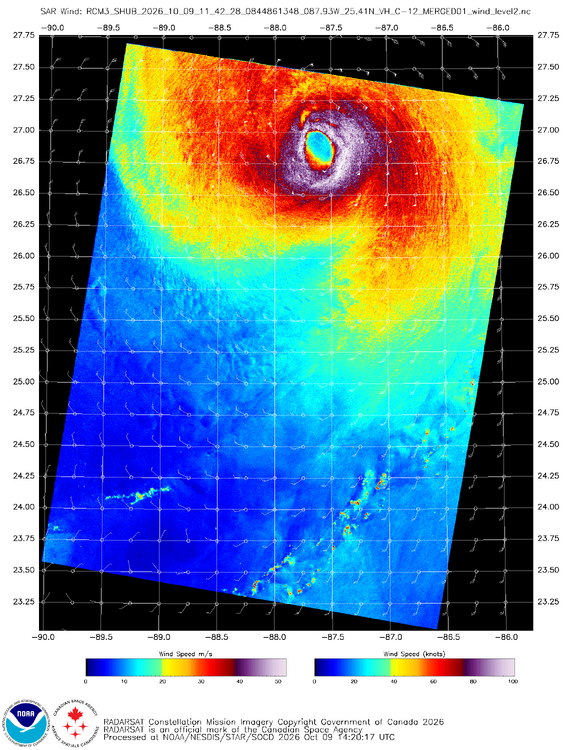
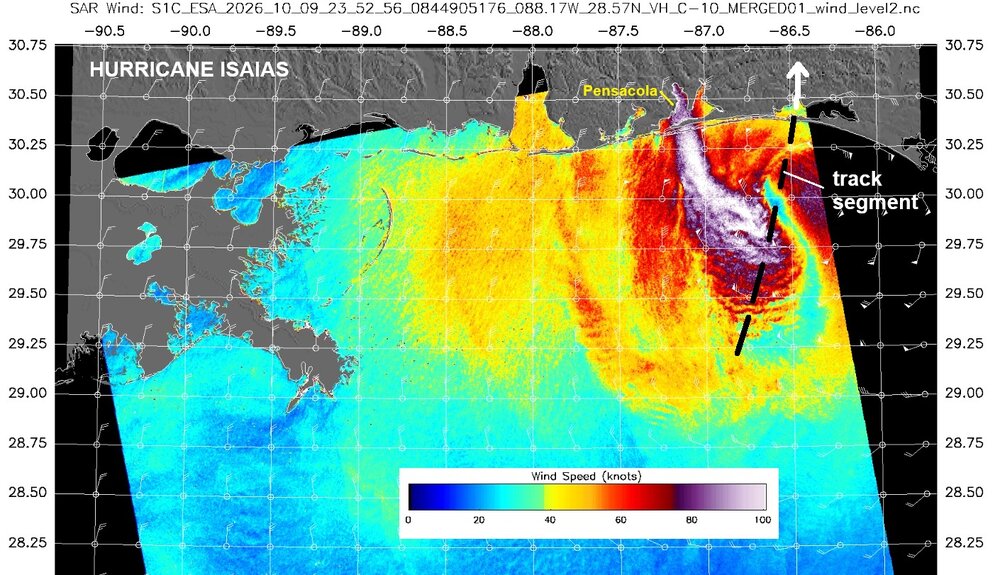
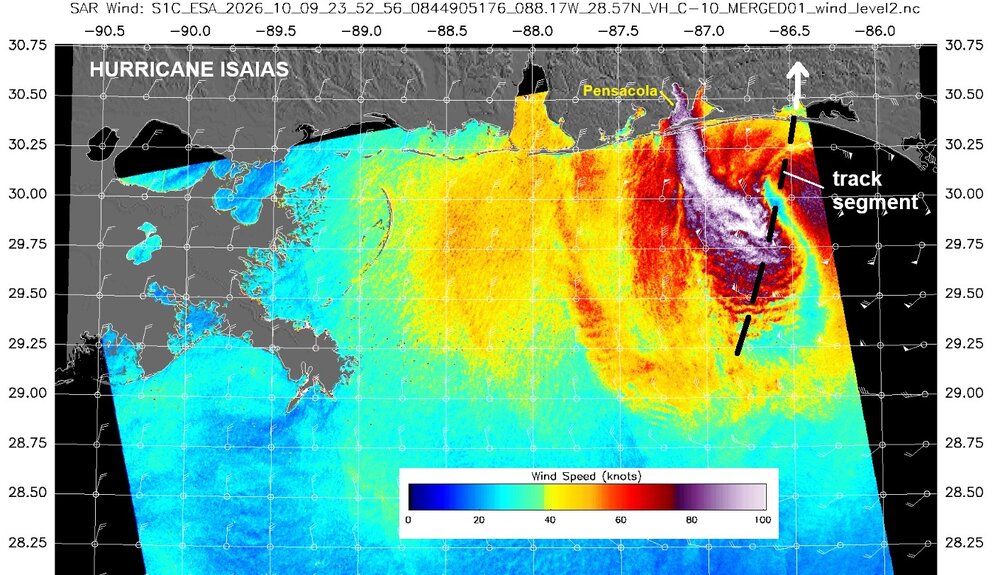
I was looking back at SAR imagery for Isaias. Look at the difference in structure only 12 hr apart!
-
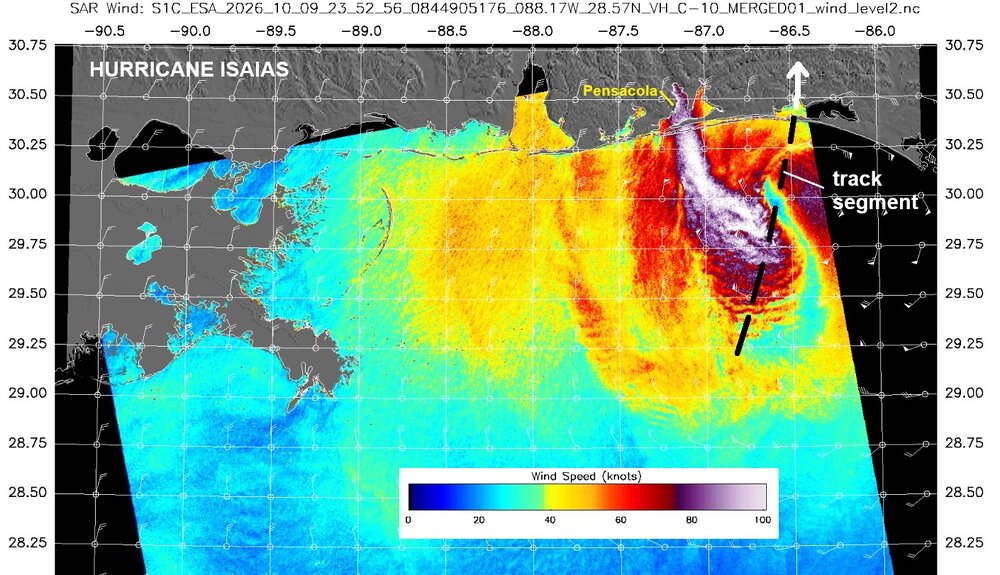
It did start its rapid weakening just before landfall. Now the sting development offset this somewhat, but a string jet is not a tropical feature. Posted this on the Tropical Forum. SAR imagery is DA BOMB! Enlightening for @CoastalWx? He proby will go, "how can I use SAR imagery to help me better for an impending or ongoing snowstorm?! Conventional GOES imagery SUX, I need something more!" ----- This SAR image clearly shows a sting jet, which is a characteristic of a PT/ET low pressure, not a TC. Also, prior to landfall, there was no coherent, focused wind center. It was quite elongated. So despite the satellite appearance w/ all the deep convection, structurally one could argue it had transitioned to more PT/ET than tropical prior to landfall. That sudden jump of pressure up 12 mb to 970 on recon when it has been holding steady 958-960 mb also indicates a rapid change structurally to away from tropical status. That suggested a distinct cool/dry air penetration into the core (front). Once that happens, a system is PT/ET. Note: SAR shows sustained winds max 110 kt. The SAR tends to have high bias. https://www.star.nesdis.noaa.gov/socd/mecb/sar/sarwinds_tropical.php?year=2026&storm=AL092026_ISAIAS I have always said when a system is transitioning like this, there should be a ramp down to subtropical status before PT/ET status. Why not? If a system can go from ET to ST to tropical, there is absolutely no reason to think it can not work the other way. This is what should have been done for Sandy for its landfall. A TC rarely goes instant PT/ET in just 6 hr. It is *process* that takes time. And I don't want to hear about the messaging issue. ST storms get names just like tropical storms, and the watches and warnings are the same ST or tropical. In fact, a few years ago, JTWC started assigning operationally ST status as systems transitioned from TC.
-
Not @CoastalWx. He would be "tea-kettle" STEAMED if that happened b/c it wasn't within 5 mi of Weymouth! GFS not by itself here. It's a quite impressive cold trough for mid-Oct, and fits the very strong El Nino pattern well. The only decent CONUS cold shots in such winters occur in the NEUS.
-
One historical item concerning sting jets. It likely that HU Edna in Sep 1954 when crossing Cape Cod in a very strong PT/ET transition (110 mph at landfall) had a sting jet. Why? BOS gusted to 101 mph out of the NW -- its highest gust on record! 10 days before HU Carol (115 mph at landfall) produced a gust to 100 mph at BOS out of the SE as the storm passed to the W, which is what you would expect for very high winds. When HUs get to New England, the PT/ET transition is almost always ongoing and the typical cooler/more stable air NW of the center along w/ rapid forward motion that will reduce winds W of the track. I always wondered how such a wind gust occurred in BOS from Edna from that direction. Once the concept of the sting jet became front and center about 20 years ago, that explained it! In the larger TC picture, Isaias in some ways is a watershed event. From strictly a conventional satellite perspective (EIR and Dvorak), that much deep convection not all sheared N and NE of the center near/at landfall, that says it was still more tropical than not, and can be called a HU at landfall. However, the SAR imagery tells a much different story! It's overall elongated wind structure, a string jet present, and the lack of a coherent inner core says it was more PT/ET. Other factors stating it was more PT/ET? That abrupt rise in center pressure in a short time before landfall (something obviously happened at the core here) and the rather cool surface conditions directly ahead of the storm. This shows it was not just a race for cooler/drier air trying to wrap in from the W and NW. This less than favorable TC atmosphere was N and NE as well, and got ingested into the core before landfall. This is an excellent example how new technology reveals things we could never quite detect, or detected/quantify at all prior. SAR gives a very detailed wind profile of a TC when it is over water. And as we know, the wind structure is paramount as to if it is a TC or not (tight or spread out?, symmetrical or asymmetrical?) And it also makes us rethink what we thought we knew well, and adjust accordingly. This is good b/c the science is always evolving. Imagine when SAR-type imagery is available on geostationary satellites? That will revolutionize analysis and modelling for the current data sparse oceans.
-
This SAR image clearly shows a sting jet, which is a characteristic of a PT/ET low pressure, not a TC. Also, prior to landfall, there was no coherent, focused wind center. It was quite elongated. So despite the satellite appearance w/ all the deep convection, structurally one could argue it had transitioned to more PT/ET than tropical prior to landfall. That sudden jump of pressure up 12 mb to 970 on recon when it has been holding steady 958-960 mb also indicates a rapid change structurally to away from tropical status. That suggested a distinct cool/dry air penetration into the core (front). Once that happens, a system is PT/ET. Note: SAR shows sustained winds max 110 kt. The SAR tends to have high bias. https://www.star.nesdis.noaa.gov/socd/mecb/sar/sarwinds_tropical.php?year=2026&storm=AL092026_ISAIAS I have always said when a system is transitioning like this, there should be a ramp down to subtropical status before PT/ET status. Why not? If a system can go from ET to ST to tropical, there is absolutely no reason to think it can not work the other way. This is what should have been done for Sandy for its landfall. A TC rarely goes instant PT/ET in just 6 hr. It is *process* that takes time. And I don't want to hear about the messaging issue. ST storms get names just like tropical storms, and the watches and warnings are the same ST or tropical. In fact, a few years ago, JTWC started assigning operationally ST status as systems transitioned from TC.
- 778 replies
-
- 10
-

-

-
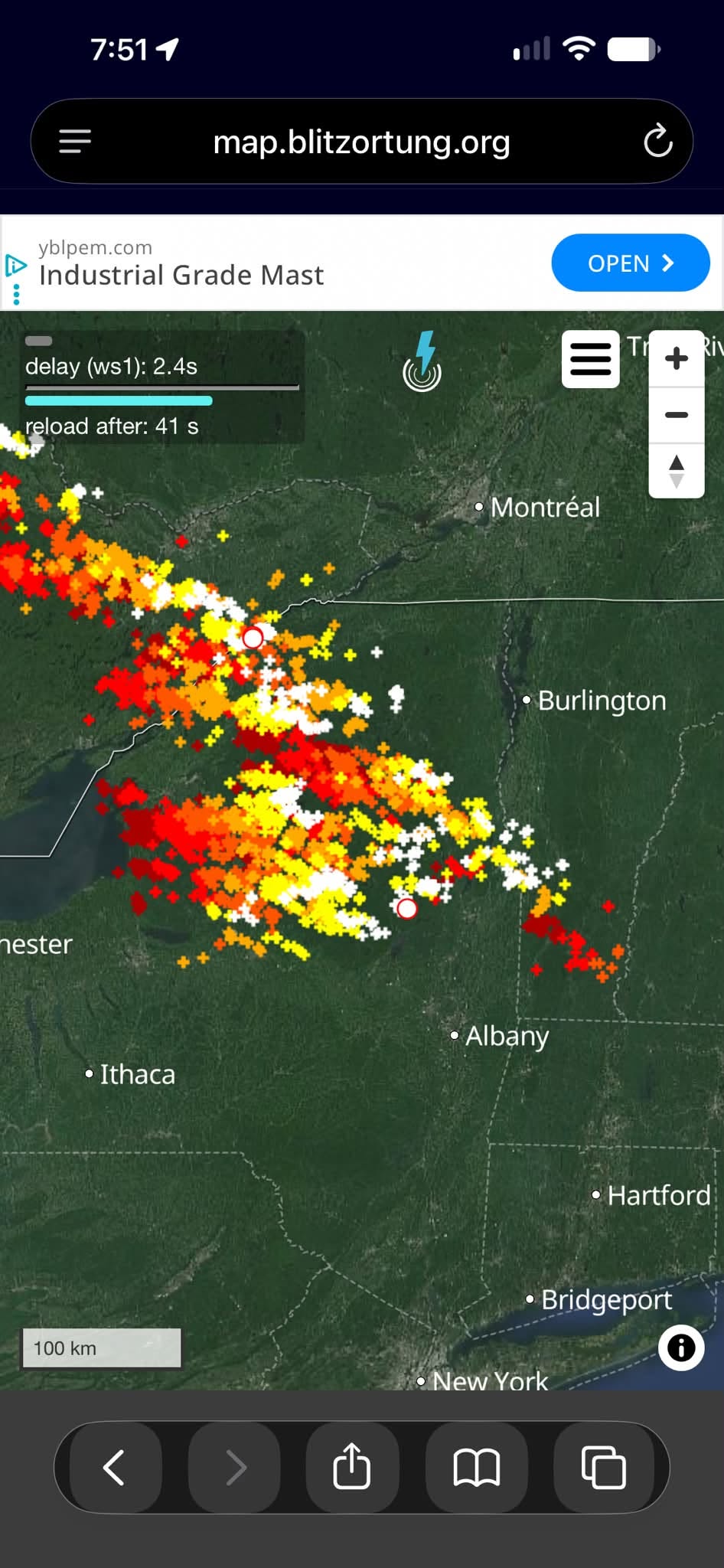
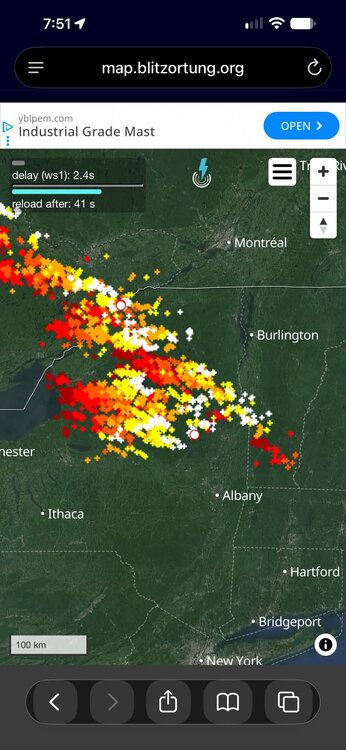
Regarding the LTG frequency, Isaias was rapidly going PT/ET, and strong baroclinic influences were present before landfall. Dry air intrusion and wind shear are going to lead to stronger updrafts b/c more CAPE present. Asymmetries in the circulation are going to result in frontal-type convergence zones, further promoting stronger updrafts Also, chasers reported it was a "cold" hurricane. Temps along the FL coast were largely below 70 prior to landfall. That's not your typical tropical environment. LTG can be frequent in eyewall in an intense HU in the deep tropics. Recons have reported this many times in strong Cat 4s and Cat 5s. What happens is that when a TC gets this intense, updrafts in the eyewall, which normally max out just below typical tstm updraft strength, cross the threshold to make it favorable for LTG.
-
In the TCR, I think NHC lowered MIlton's landfall to 115 mph. but I still think that is too high. It got severely sheared well before landfall and despite a pressure at landfall that would normally suggest 115 mph winds, when a system is heavily sheared and going PT/ET, the standard pressure/wind relationship for TC falls apart quickly.
-
As I said, we are in an active period of the AMO that favors increased HU activity in the Atlantic, so of course in the last 25 years it is more common. Why wouldn't it be? This active period started in 1995. 1970-94 was a suppressed period overall. And going back to the 1950s and 60s, technology did not allows us to detect rapid intensification as well and the true strength of many HUs (decent satellite coverage did not exist until about 1966), so that made it all appear less common then despite in an active period at that time.
-
Yes I have noticed that. When Helene's eye was completely inland about 1 hr after landfall, they still had it at 140 mph (same as landfall). No way. Friction acts immediately and bring down sustained winds quickly, and it is apparent only a few miles inland. What a HU is assigned for winds when the centroid of the eye crosses the coast is valid over water only.
-
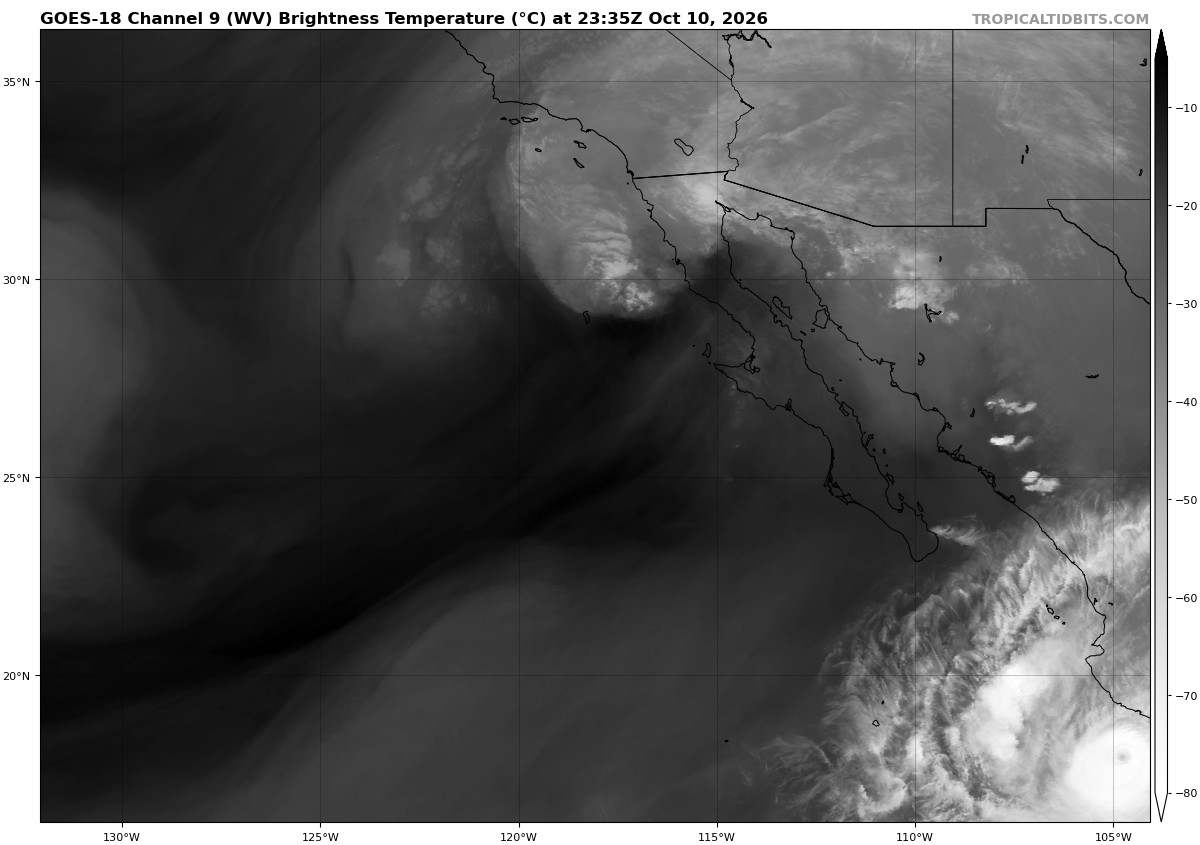
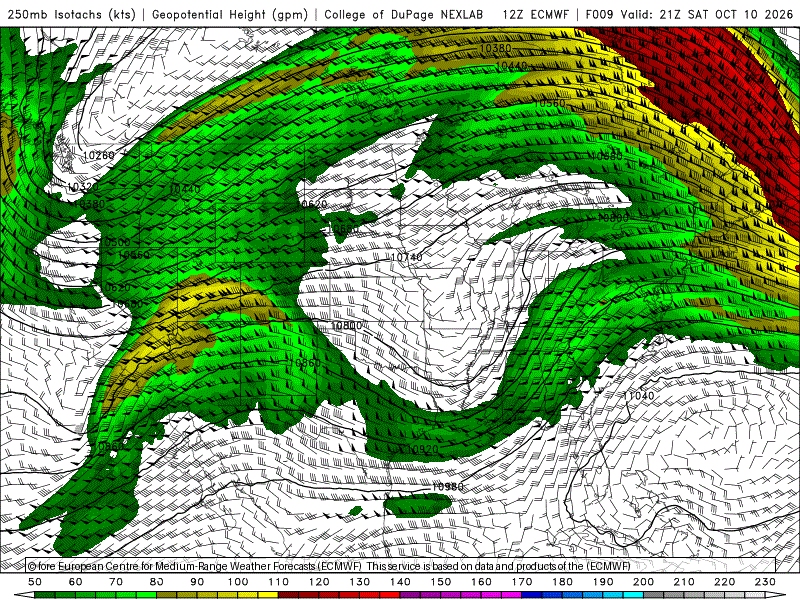
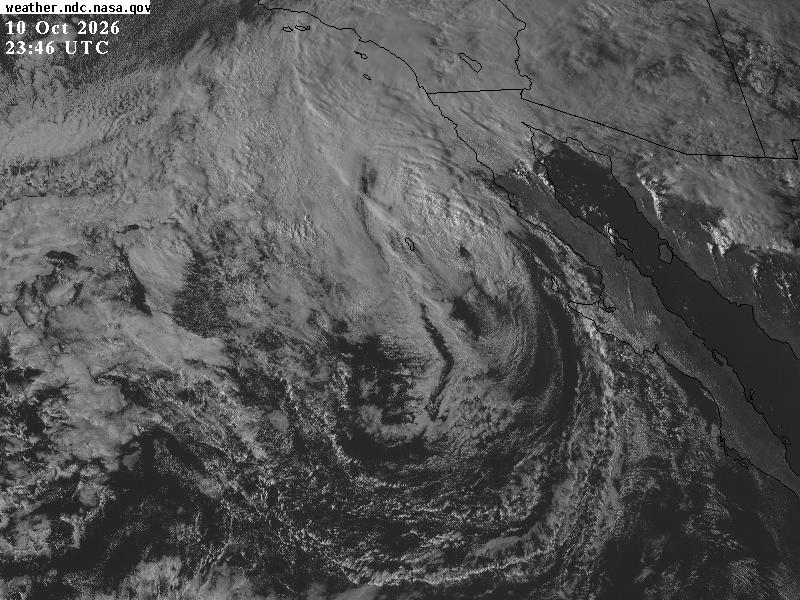
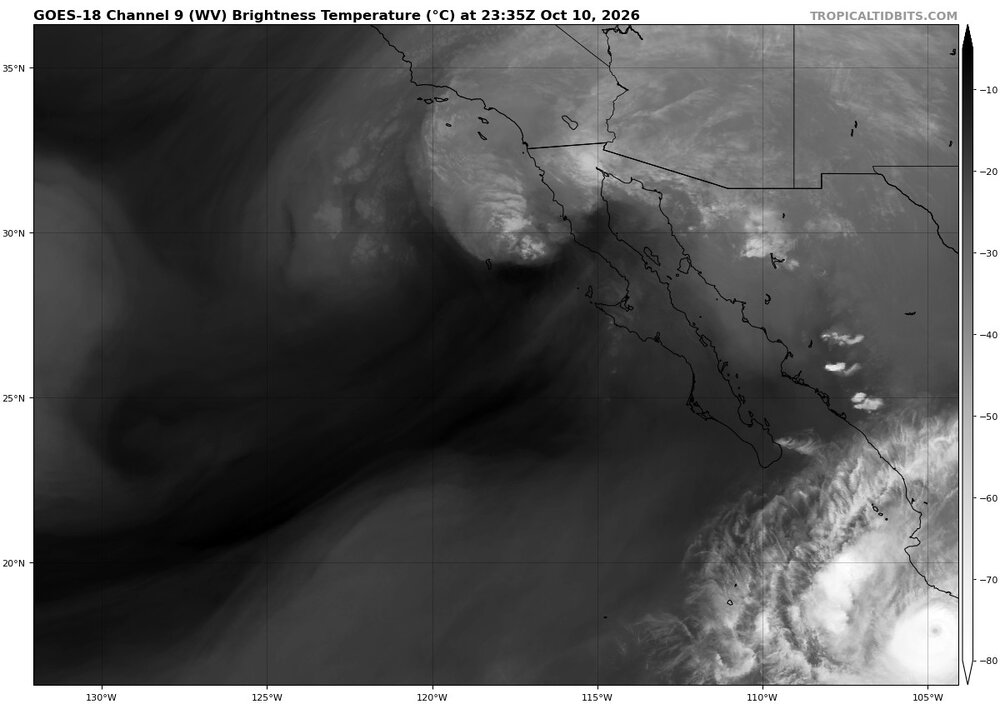
TS Rachel off Baja CA clearly post-tropical. Let me put it this way, if Rachel is still a TC, then Sandy was a TC at landfall. You can't have it both ways from an objective meteorological POV. The fact that rather strong winds and there is a TS watch up for srn CA is irrelevant as to what it is. And there are many winters where srn CA and nrn Baja get gale force winds and a lot more heavy rain than Rachel will produce here, so its not like they are not used to such conditions that are just like a TS. The evidence is solid. The intensity of the system is being driven by fast forward motion, a strong baroclinic trough interaction, and its proximity to the favorable RRQ of a 250 mb jet streak Winds over the system at 250 are 70-80 kt (ECMWF 250 forecast VT 10/21z attached) and the 10/18z SHIPS output diagnosed 700-500 RH of 36%. Frontal structure is apparent SE of the center (VIS image attached). Deep convection is lacking and the moderately cold cloud tops NE of the center are mid or upper level wave cloud ripples typically seen with turbulence from a jet streak (see WV image attached). Unlike Isaias' transition process right near landfall and its much better retention of tropical characteristics, esp. when it came to a large area of very cold cloud tops, Rachel's status now from an objective meteorological standpoint is post-tropical.
-
Do yo have an elevation of the anemometer height?
-
One SVR LSR report pet peeve of mind is "wires down." A LTG strike can do that! Just over time, it seems issuing warnings have become looser and looser as to criteria. I recall last summer, they issued a flash flood warning for the DC metro even before the line of tstms got to the metro! Given a line can quickly weaken as to rainfall rates, that is putting the wagon in front of the horse..
-
You and @CoastalWx have so much in common it sounds! Want to know how much a snow weenie he is? Last winter, when he *finally* got 6" of snow in a storm after an excruciating 4 years w/o one at his house, he goes "it looks VIOLENTLY BEAUTIFUL out there!" I never thought I'd see those two words used together!
-
Look at the disparity from sustained to gusts. In a minimal HU, NHC will say "max winds sustained 65 kt with gusts to 80 kt" Standard gust factor over water. However, over land, that difference becomes much larger!
-
Sounds like @CoastalWx response! It's not snow, so MEH!
-
It has been in ET transition for at least the last 6 hr. Once the srn part of the eyewall was gone, that was the first signal.