vortex95
-
Posts
2,209 -
Joined
Content Type
Profiles
Blogs
Forums
American Weather
Media Demo
Store
Gallery
Everything posted by vortex95
-
Augdewst 2026: Summer's Last Stand
vortex95 replied to Prismshine Productions's topic in New England
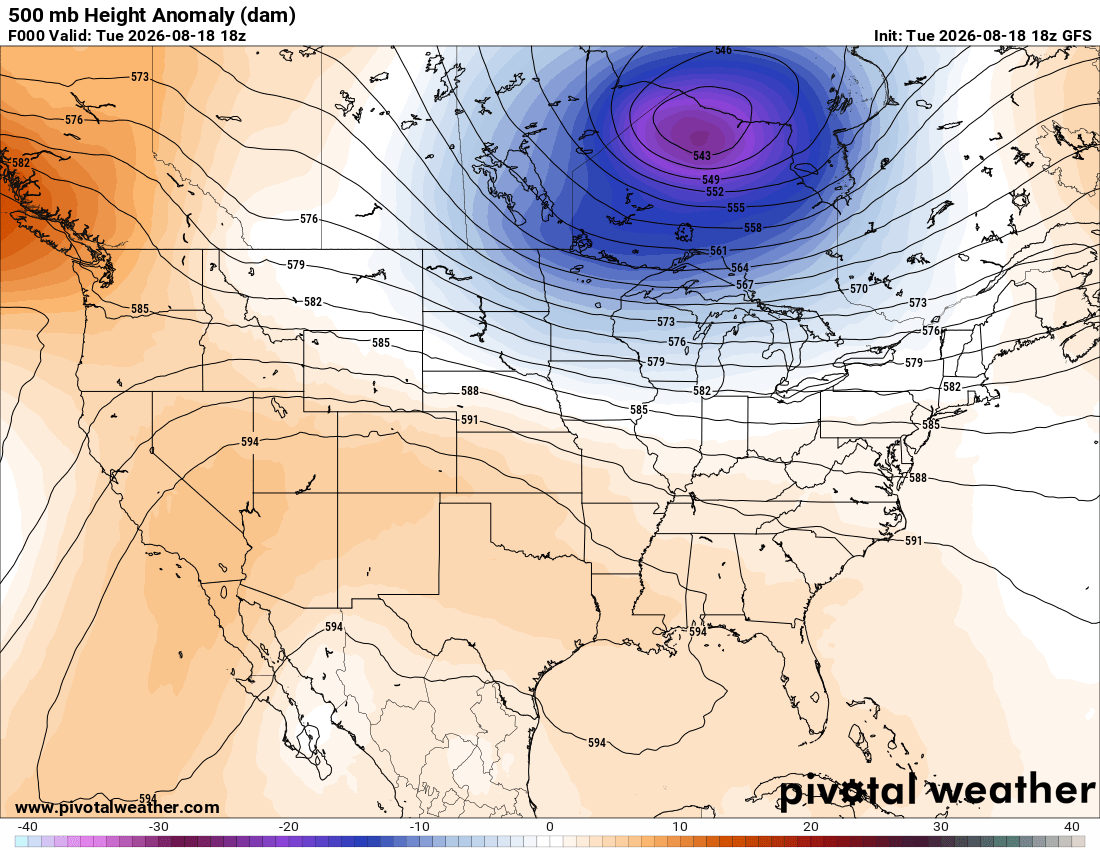
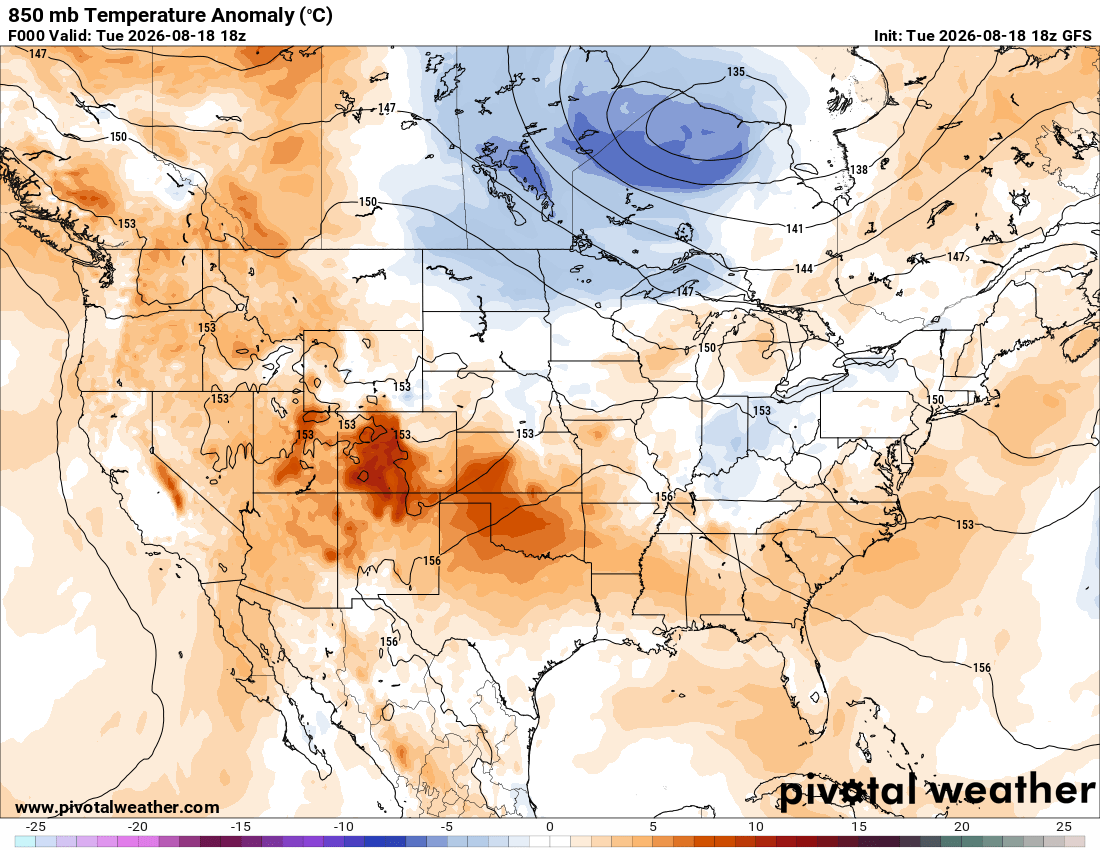
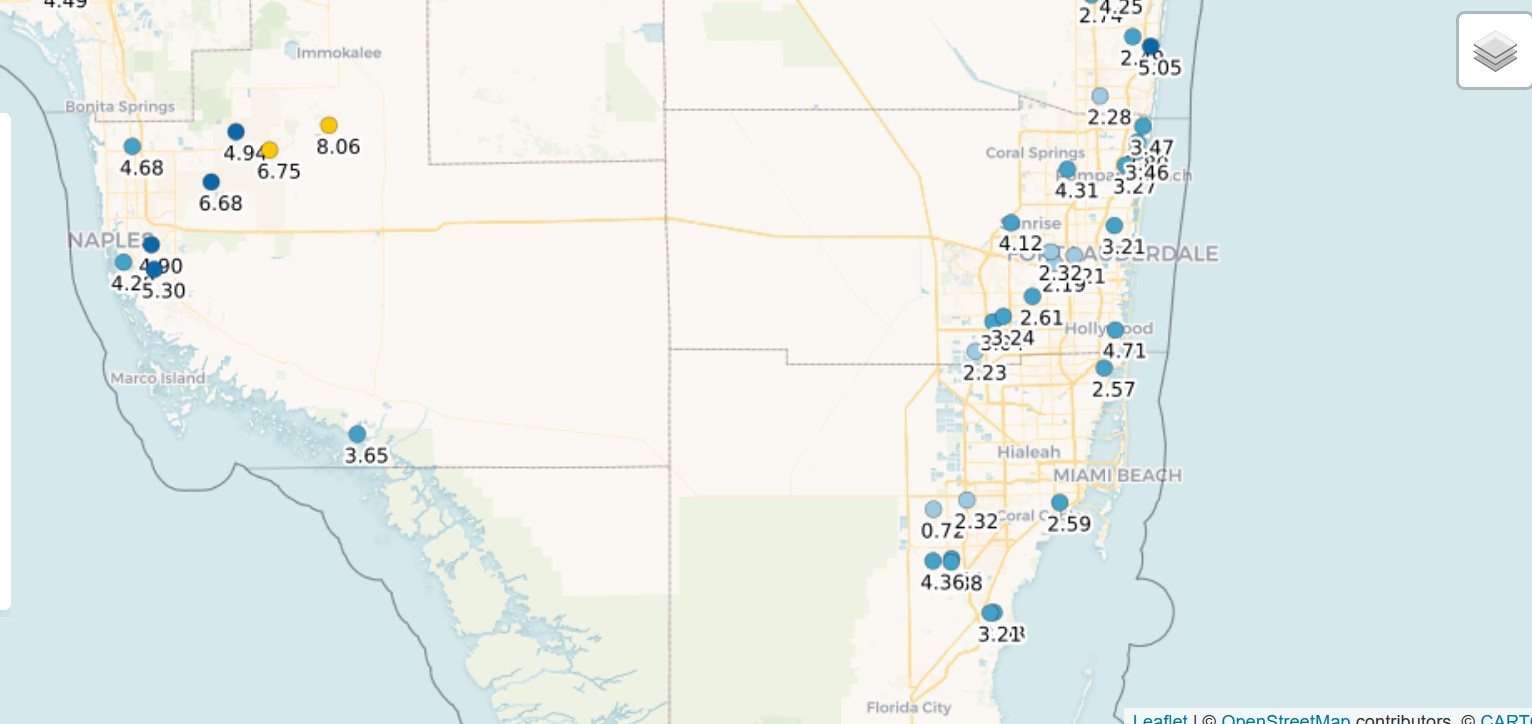
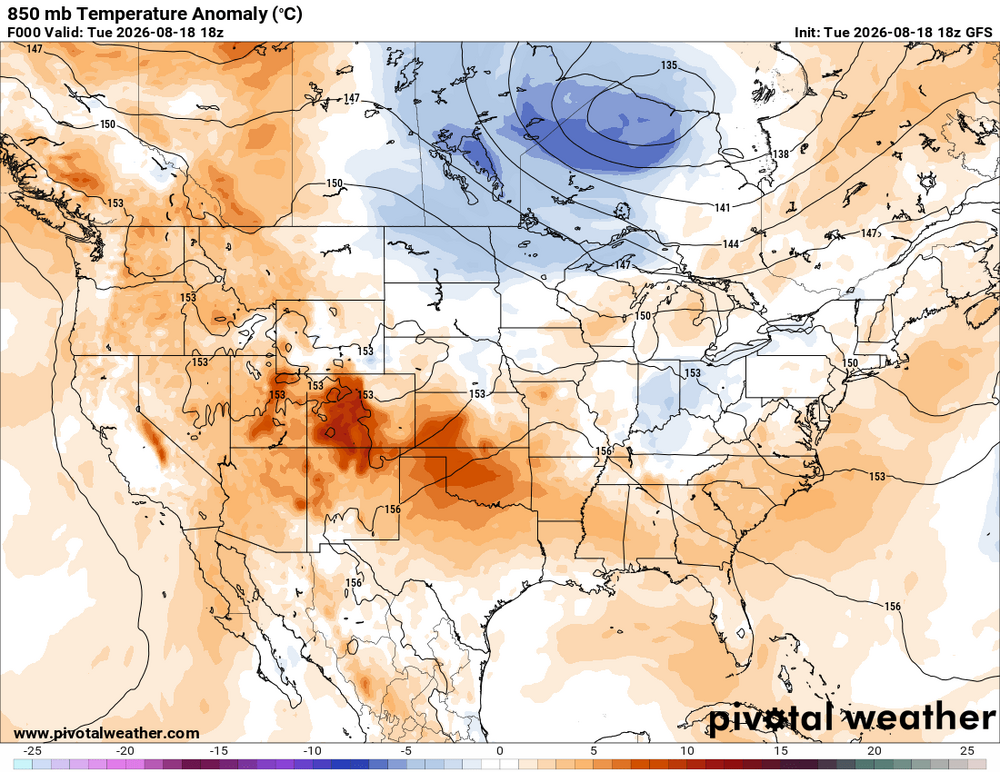
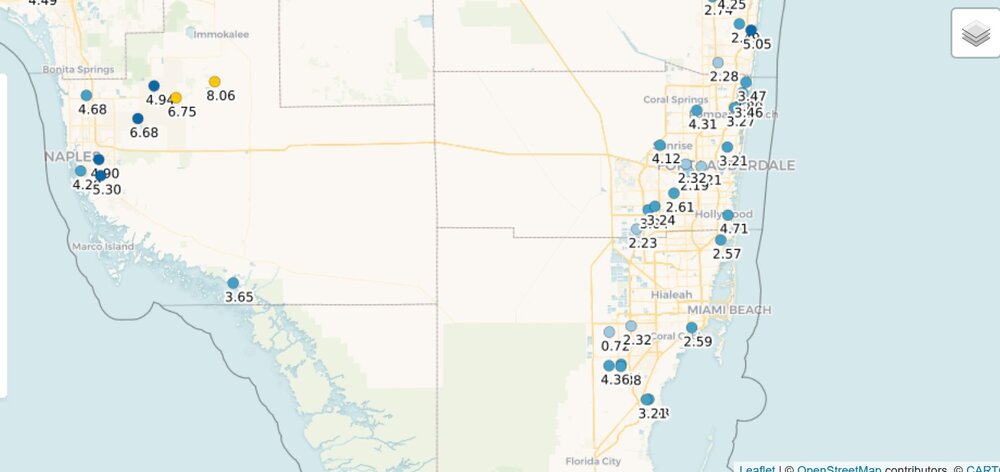
Dew point briefly dropped to 67 which is practically unheard of this time of year. Wind flipped SE and now dew point is 78. Even more amazing HST dew point dropped to 60! Must have been a localized dry pool of air. No RW/TRW in the area in the last 24 hr. It was not b/c anything atypical was going on in the pattern synoptically. GFS 500 and 850 anomalies show nothing of significance. This was a localized phenomena. 925 and 850 winds across much of FL today light NW. If you look at climo for the area, the wind, outside of convection, is rarely out of the NW at any appreciable speed in the afternoon this time of year. But not long before the 100 reading today, it was 33011G16KT. But never such details get in the way of a good story or proper perspective. The MSM will act like the wx is extreme and a big heat wave/AGW caused it. MIA is +2.0 F for the month, nothing that unusual. And yes, there are mdt-high drought conditions in S FL, but it is long-term drought. So far in August, it has been near to above normal for rainfall, so you can't say the topsoil is widespread parched that caused the low dew points (M-T-D rainfall attached). MIA also hit 100 on July 21, 1942. I'd like to see what was going on that day for comparison. And of course, the population of Miami-Dade Co. was ~350,000 in 1942. It was 2.7M in 2020. So not a level playing field for proper comparison due to UHI.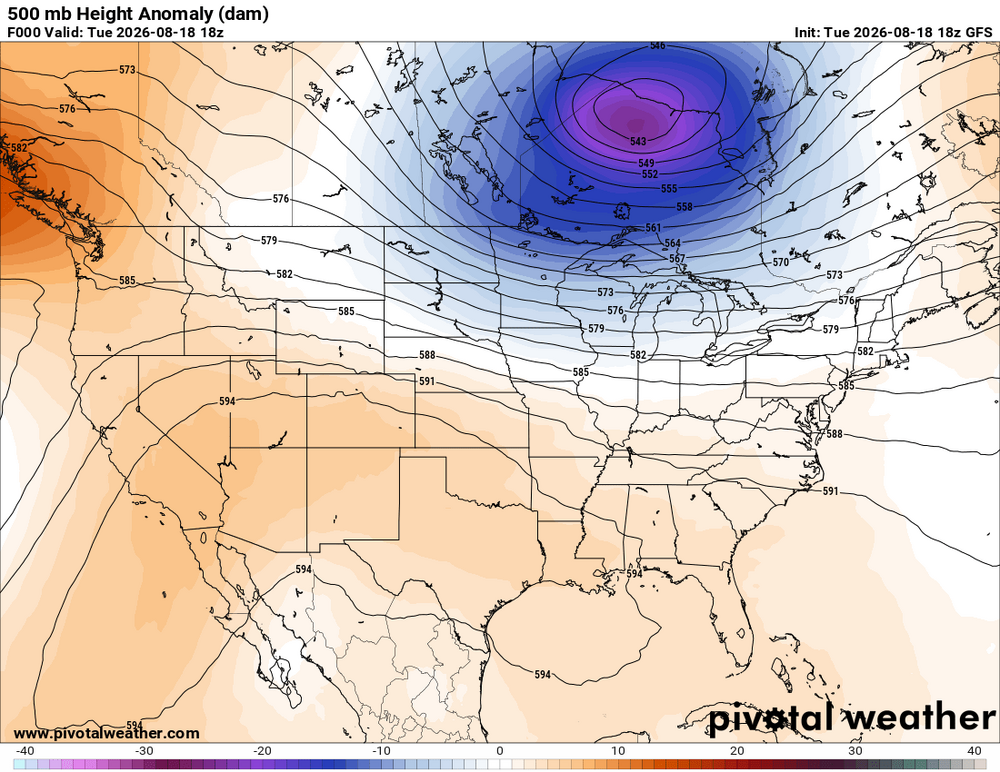
-
2026 Atlantic Hurricane Season
vortex95 replied to Stormchaserchuck1's topic in Tropical Headquarters
Several days after Andrew, Typhoon Omar made a direct hit on Guam. taking out the operation of JTWC (which was based on Guam at the time). NHC was almost taken out by Andrew, and the following month, CPHC in Honolulu narrowly adverted Iniki. The E/CPAC had 27 NS in 1992, the record for this basin. Quite a year! -
Augdewst 2026: Summer's Last Stand
vortex95 replied to Prismshine Productions's topic in New England
@CoastalWx should read this before passing summary judgement on the RRFS! RRFS_webinar_20260625.pdf -
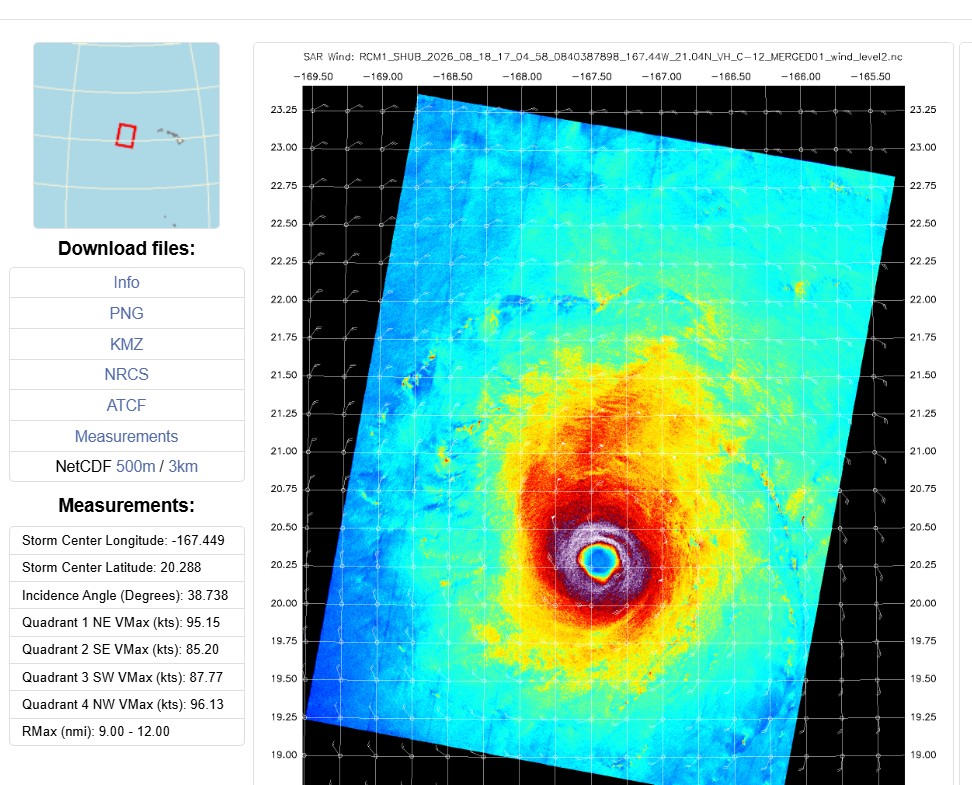
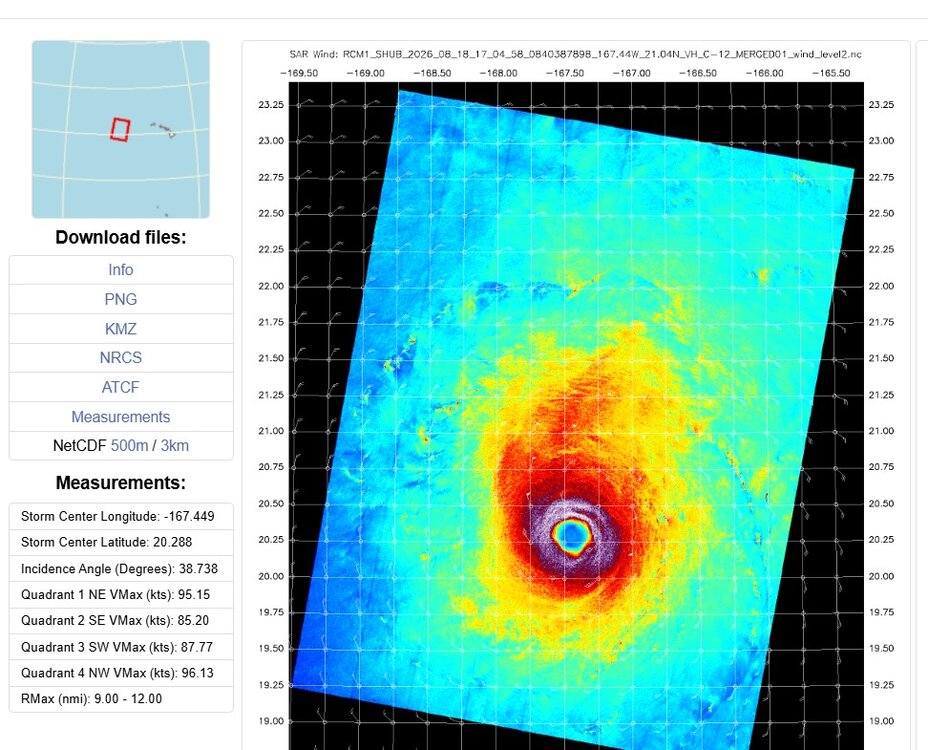
1704z SAR pass shows Lala is near MH strength. 96 kt and well-defined eye. When the day comes when SAR sensors are on geostationary satellites, that will be an immense advancement for remote TC sensing!
-
2026 Atlantic Hurricane Season
vortex95 replied to Stormchaserchuck1's topic in Tropical Headquarters
Andrew in Aug 1992 was among the "luckiest" intense hurricanes I have seen. It struggled for days N of the Caribbean due to an upper low. In fact, one could argue it actually lost its sfc circulation for a time as recon found only 1015 mb pressure! FL winds were still near hurricane-force though due to gradient from high pressure to the N, so they keep it going. But then the upper low moved away to the SW and a strong 500 mb high built due N, resulting in nearly ideal conditions, and we saw what happened. 1992 was a "quiet" hurricane season overall, but reanalysis has shown 4-5 systems that were at least of min TS strength (two hurricanes) that were never declared operationally. They will all likely get added once the reanalysis project reaches this year. -
Augdewst 2026: Summer's Last Stand
vortex95 replied to Prismshine Productions's topic in New England
I bet there is another meso model out there that has strengths of the NAM. Just we have been so used to the NAM, we have not being forced otherwise to look! So now we will be looking. @CoastalWx misses having access to the IBM GRAF! LOL. -
Augdewst 2026: Summer's Last Stand
vortex95 replied to Prismshine Productions's topic in New England
Ahh, one w/ MPAS! So @CoastalWx need to stop complaining! We have a version of the RRFS to compare and we know it is better. -
Augdewst 2026: Summer's Last Stand
vortex95 replied to Prismshine Productions's topic in New England
WHAN-bulence time! -
Augdewst 2026: Summer's Last Stand
vortex95 replied to Prismshine Productions's topic in New England
The 3km NAM is all over the place for convection, both in areal coverage and location, so I do not use it for that. Also consistent high bias for QPF, esp. orographics, so it goes really nuts w/ snowfall. And any NAM is useless for TC situations, as it never was designed for them. The model initialization is "quick and dirty" for a "first look." That's why it often does odd things beyond about 36 hr. Model initialization is key, and that why the ECMWF is often better and why it is available later b/c they take care for the model initialization. The value goes beyond the weenies that understand the above. For those hype-masters that are always looking for the model that shows "the worst," having something like the NAM just ends up promoting bad/misinformation b/c of it multiple shortcomings. Yes, all models have shortcomings, but let me put it this way, all those memes about the NAM? (the most classic meme attached). They exist for a reason! Yes, we are "used to it" for bias, but we will get used to the RRFS biases as well and its MPAS model core will be implemented in 2028. @CoastalWx needs to move on and realize you can't have it the same forever. By that logic, he would still want the LFM and NGM!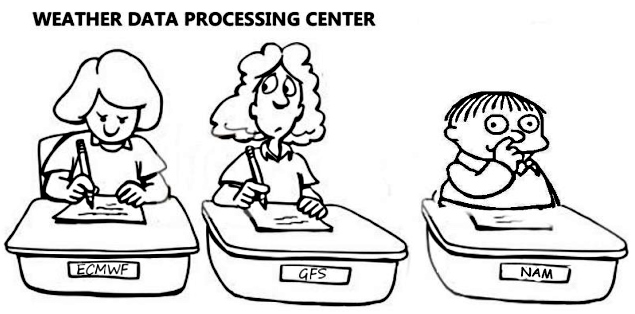
-
Augdewst 2026: Summer's Last Stand
vortex95 replied to Prismshine Productions's topic in New England
But it still better than the NAM! Geez, the 3km NAM same res as the RRFS and look at what the 3 km NAM does. Talk about overdoing convection and QPF in general. That's the "garbage model." I avoid it! RRFS can actually show mesocyclones and local low pressure from intense supercells. -
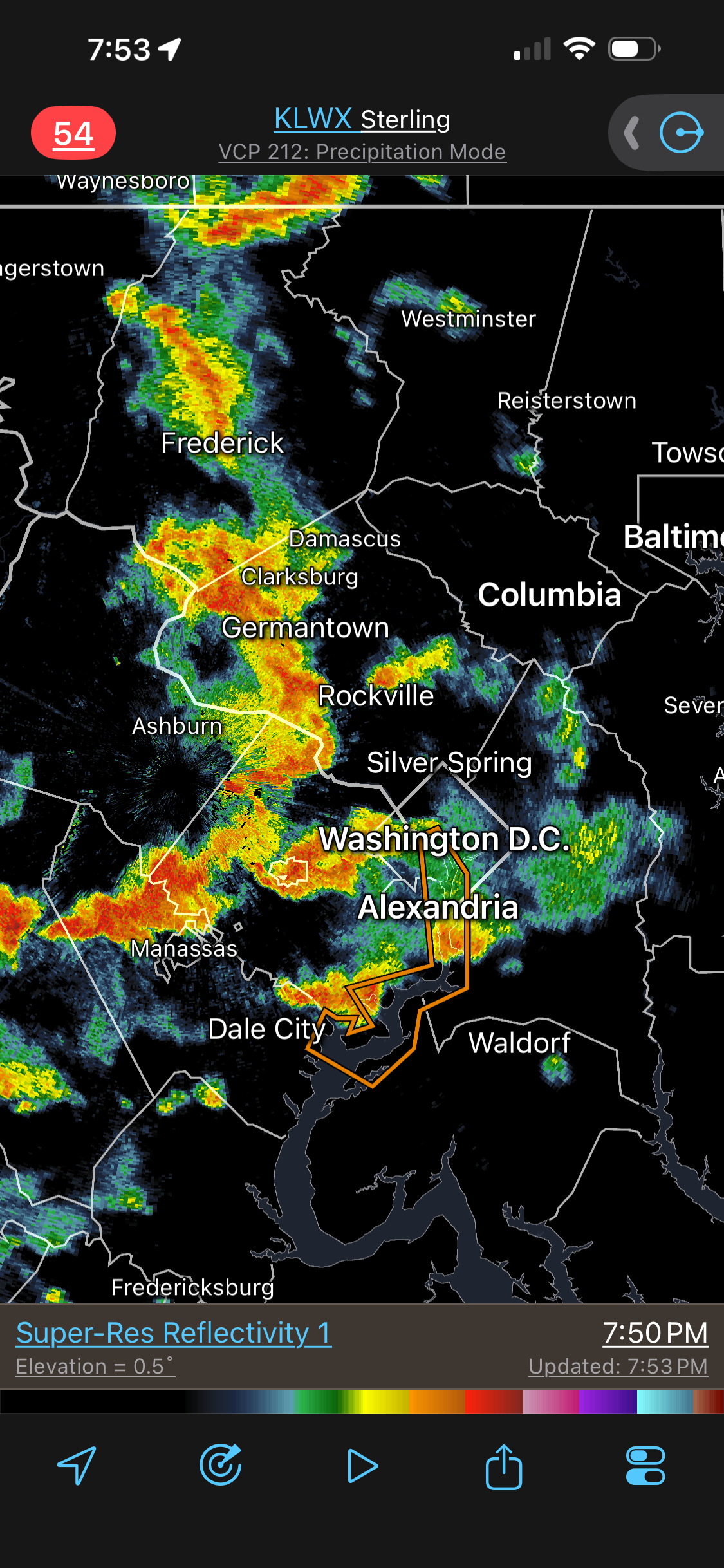
One area actually got what the RRFS was forecasting. 6.41" Midlothian VA! RRFS overdid the areal coverage. HRRR was a bit high but still 2.00" max a Franconia VA not far S of DC metro. Looking at the wind reports, it appears the Appalachians barrier for bow echoes/derechoes was a big factor here. https://www.spc.noaa.gov/climo/reports/260816_rpts.html
- 2,604 replies
-
- 1
-

-
- severe
- thunderstorms
- (and 7 more)
-
I was hoping low-level mesos from the shear could compensate here. Dir shear sfc-850 is excellent.
-
Maybe we can do ok overnight. The WV MCS looks solid. Nocturnal sometimes makes a sig difference, at least for big rains.
- 2,604 replies
-
- 2
-

-
- severe
- thunderstorms
- (and 7 more)
-
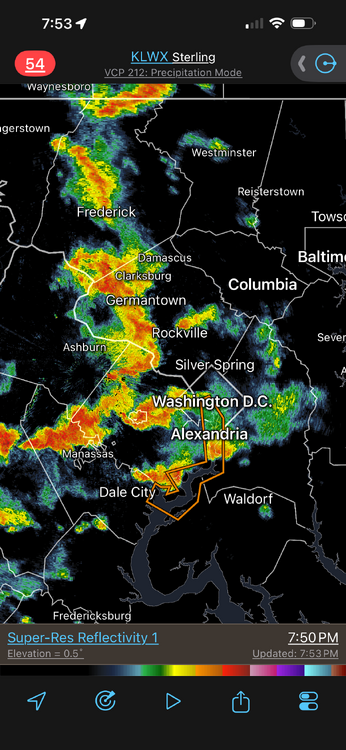
HRRR fcst radar is good, but just not getting the svr. That strong finger of CAPE just to the W of DC verified. 925 dew points and PWATs have increased over the entire area last few hr (big 2.3" PWAT now over all of DC area). DCA dew point went from 69 to 74. 35 kt 0-6 km shear. So I don't get! And it's not the DC split, its everywhere! Even the CGs are MEH!
-
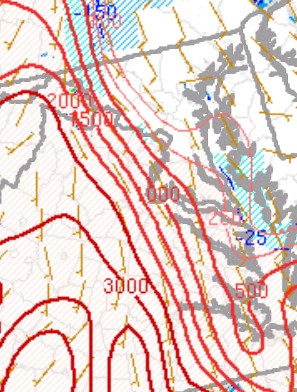
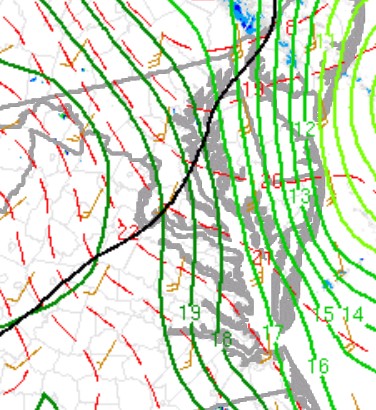
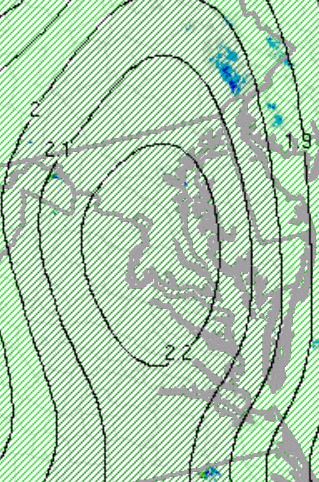
That sharp CAPE gradient (attached) the modeled show ydy has verified well. Notice IAD has 74 Td and HEF 76 Td but DCA 69. 925 mb Td gradient evident as well (also attached). No PWAT gradient though, bull's-eye 2.2+ centered right over DC metro! The cells forming ahead of the line, have to watch those when they cross this gradient as storm boundary interaction is often key for svr/tor. Also, if the gust front fans out well ahead of the line, how will that affect the Td and CAPE gradient? Bodily push it E? Bow echo often ride parallel to boundaries, but slamming into it perpendicularly? I don't know.
- 2,604 replies
-
- 6
-
-
-
- severe
- thunderstorms
- (and 7 more)
-
Wow, RRFS not as good for CAD? Given its 3 km resolution (same as NAM Nest) and the RRFS has 65 vertical layers compared to the NAMs 60, that seems odd. Lowest RRFS layer is 8 m "to better capture surface and planetary boundary layer (PBL) dynamics."
- 2,604 replies
-
- 2
-
-
-
- severe
- thunderstorms
- (and 7 more)
-
Well, since you posted it @yoda, that gives me an excuse to comment! And it is not merely a rant, it is food for thought. It is a bit odd b/c there is a SVR out now for the county, which was highly likely to begin w/. The SPS are typically reserved for non-svr storms for heavy rain and LTG risk. Also, whether the CG lightning is frequent or not is or should be irrelevant. The risk is still there regardless. So it is superfluous wording really. And "frequent" definition for lightning is questionable as it pertains to wx IMHO. In a METAR, lightning is considered frequent 1 to 6 flashes per min. Is 1-2 per min really "frequent?" And "continuous" is more than 6 flashes per minute. That not what "continuous" really means by its actual definition. It can and does get far more than 6 flashes per min (200 per min at times) enough in many parts of the county often enough that it can clearly be quantified better. How things are said/worded and their context are important. It is what IDSS is all about.
- 2,604 replies
-
- 1
-
-
- severe
- thunderstorms
- (and 7 more)
-
Augdewst 2026: Summer's Last Stand
vortex95 replied to Prismshine Productions's topic in New England
See X post attached. The Baltimore TV market is not tiny and this is a major network affiliate, not cable or independent! And owners don’t seem to understand that many ppl watch local news for the anchors! Pre-recorded segments? You can get that anywhere. But at least they have live wx still. The wxcast is the number one reason why ppl watch local news. Yes, I understand the economics and how the business is evolving but it is still not good. I have noticed since the advent of widespread AI-generated content several years ago, there is a strong backlash and stigma now in much of the population, and it is not just older generations. "AI Slop" as a term has becomes mainstream. Funny, when CGI first became big in the 90s, that did not have nearly as much pushback, probably b/c you still actually had ppl as actors and you knew they were real. Now? It has gone into "uncanny valley" territory. Ppl do not know what is real or fake now, and that fundamentally raises alert/suspicion in our minds. I think some smaller TV markets have already done this, but as noted, Baltimore is not a small TV market. Has it happened anywhere for New England markets yet?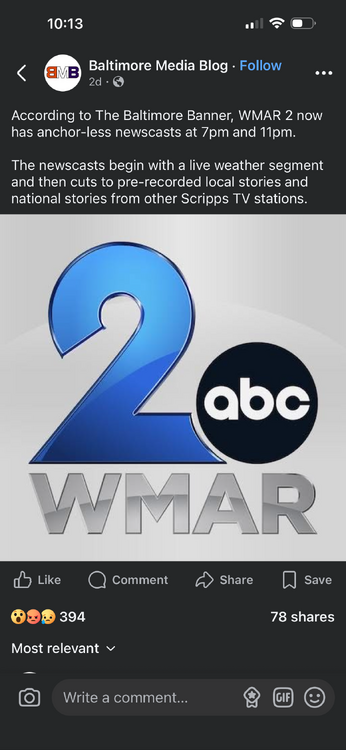
-
The line is already there in ern OH (looks like a LEWP), so the HRRR is not creating the mini-bow echo from nowhere. HRRR has a couple of cells before the bow, and then clusters after it! My kind of tstm day!
- 2,604 replies
-
- 3
-
-

-
- severe
- thunderstorms
- (and 7 more)
-
In tropical situations, it can be useful to use the virtual temp at the sfc instead of the dry bulb temp. Using it can represent CAPE better in such environments (virtual temp decreases CIN and increases CAPE). 76 dew point is nothing to shake a stick at! Don't need too much heating for things to go and go well w/ that kind of juice.
- 2,604 replies
-
- 1
-
-
- severe
- thunderstorms
- (and 7 more)
-
Yes, the NAM has some uses. It handles CAD much better than the GFS, as one example and its MOS reflects that. But the HRRR handles CAD well, so no loss there. Since it has more vertical levels than all the global models, its should handle mix zone better and we are used to that. But again, the HRRR and now RRFS should effectively replace that skill (eventually). Losing some for other gain happens. I recall NHC objected to an upgrade of the GFS some years ago b/c it was clearly shown that the upgrade made TC skill less for the EPAC basin. The upgrade was done regardless. So it's hard to please everyone!
- 2,604 replies
-
- 1
-
-
- severe
- thunderstorms
- (and 7 more)
-
Augdewst 2026: Summer's Last Stand
vortex95 replied to Prismshine Productions's topic in New England
-
Along the same lines, how does the RRFS do w/ TCs? And for that matter, the HRRR? We know the NAM (3 and 12 km) is terrible and was never designed for TCs, but the newer CAMs?
-
Augdewst 2026: Summer's Last Stand
vortex95 replied to Prismshine Productions's topic in New England
Was told this by @wxmeddler. So @CoastalWx needs to shut up about calling it a "garbage model." It's bias is known and not on purpose! As I like to say, "would he prefer keeping the NAM?" The over-convection and "big blobs" on the RRFS is a known bias or "bug" with the FV3 Dynamical Core. This was explored recently by Lou Wicker at OU (See: https://doi.org/10.1175/MWR-D-25-0230.1). In short, it can't really be fixed without significant changes to the core. OMD hasn't said it outright publicly but the original plan was to turn off the HRRR and RAP at the same time as the RRFS Operationalization. But they've scrapped that specifically because of the FV3 core issues. Now the plan is to turn off the HRRR and RAP when the RRFS transitions to the MPAS Core in ~2028. (https://www.weather.gov/media/wrn/calendar/RRFS_webinar_20260625.pdf) -
Augdewst 2026: Summer's Last Stand
vortex95 replied to Prismshine Productions's topic in New England
That's pretty good. Just thinking that in the summer, it not easy to snow in the tropics even at 14,000 ft, but even less likely when a TC is present b/c of its warm core nature, but PHTO sounding 16/00z showed it right at 0 C at this level.