Volcanic Winter
-
Posts
1,674 -
Joined
-
Last visited
Content Type
Profiles
Blogs
Forums
American Weather
Media Demo
Store
Gallery
Everything posted by Volcanic Winter
-
 Are you on LI? Still nothing here at all, but if this is a dusting for the extreme coast + LI -> SEMA only I’m probably just a bit too far inland. Radar looks well offshore and like it’s virga anyway, would’ve been cool to see a flake or two but wasn’t expecting anything.
 -
Nothing here yet, but I’m on the western border with Manchester about as far away from the coast as you can be in Toms River.
-
Mauna Kea and Mauna Loa often are frosted on top, and probably had some form of glacier during the last glacial maxima (crazy at Hawaii’s latitude). It’s a bit rarer at Haleakala and Hualalai.
-
Chance at a BN winter (DJF) on the table? Now that would be interesting.
-
Of course it is! Just not sure what that has to do with our weather / statistics, which is what Bluewave has been posting about. And the core of the cold dumping west of us absolutely has been a recurring theme. But yes, this has been quite a cold January in comparison to what we’ve had for years now! I was saying yesterday it really reminds me of the 2013-2015 winters.
-
He’s just talking in terms of statistics and verification. I’ve hit 8F or colder at least once each of the past few winters (and I think twice more already this winter), so in terms of comparison this isn’t anything “special” here. Of course it’s “cold out” and below average this January, I’m running 28.9F on the month which is pretty wild! I do agree it’s important to keep perspective on this stuff, though. But I can understand how people would take @bluewave to be downplaying; he’s just keeping it statistically ‘real’ - an important counter to media hyperbole, always. And we really have had several crazy warm winters back to back, which makes this seem even colder by direct comparison.
-
Seems I’ve bottomed out at 8F this morning.
-
Yeah, I live on the extreme northern edge. I never came to learn if the microclimate gets factored into modeling and forecasted lows here or not. I just notice sometimes we soundly beat projected lows, and sometimes are more in line with NNJ overnight temps. Can’t models predict radiative cooling? Some nights I expect it, it doesn’t happen. Other nights we’re off to the races. Already below what I was forecasted to be at for a low tonight since they adjusted the forecast up a bit from the extremes it was at several days ago. Snowcover helps too of course. It’s frigid out right now. 8F dew at 2.
-
10F already here.
-
That storm track is absolutely wild. You can see how it contours the cold air dome across the US, riding the boundary and ... giving a nice secondary jackpot to the Outer Banks . This really does seem reminiscent of the 2013-2015 winters to me, but of course with less snow. I really do feel there's reason yet to be optimistic about the rest of winter, while February is likely to average warmer than Jan, there's no guarantee it will be snowless. We may have better luck once the cold isn't so overbearing, since this year it oriented in a way that was harmful to snow here with that death vortex east of New England. Chin up though, IMO. We have snow on the ground and a nice winter feel at least for the cold this week. It could certainly be worse!
-
Thank you Walt, your efforts are very much appreciated. I was definitely paying attention for a bit of snow on snow, but yeah - modeling not looking good at the moment. We’ll see what happens.
-
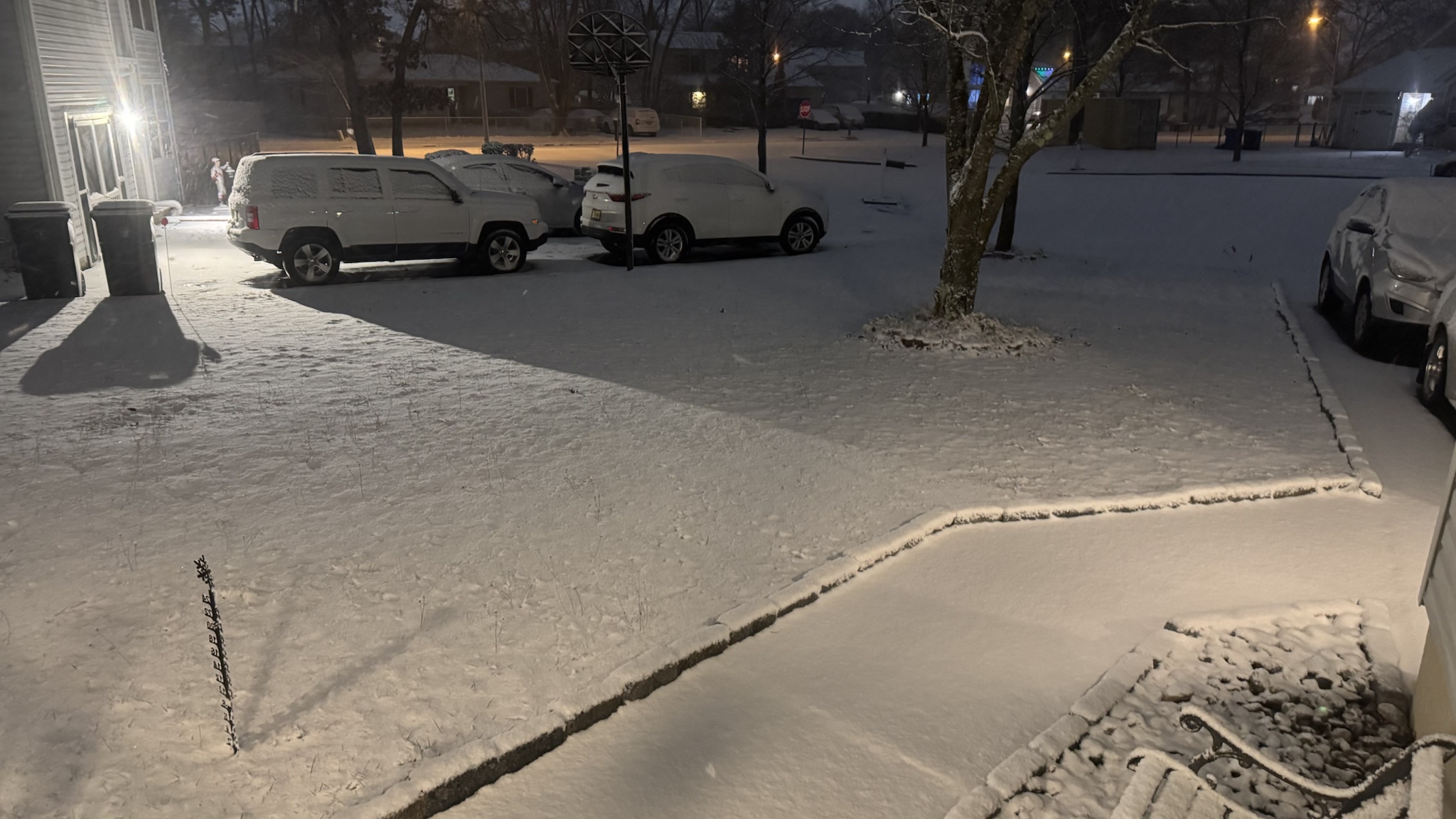
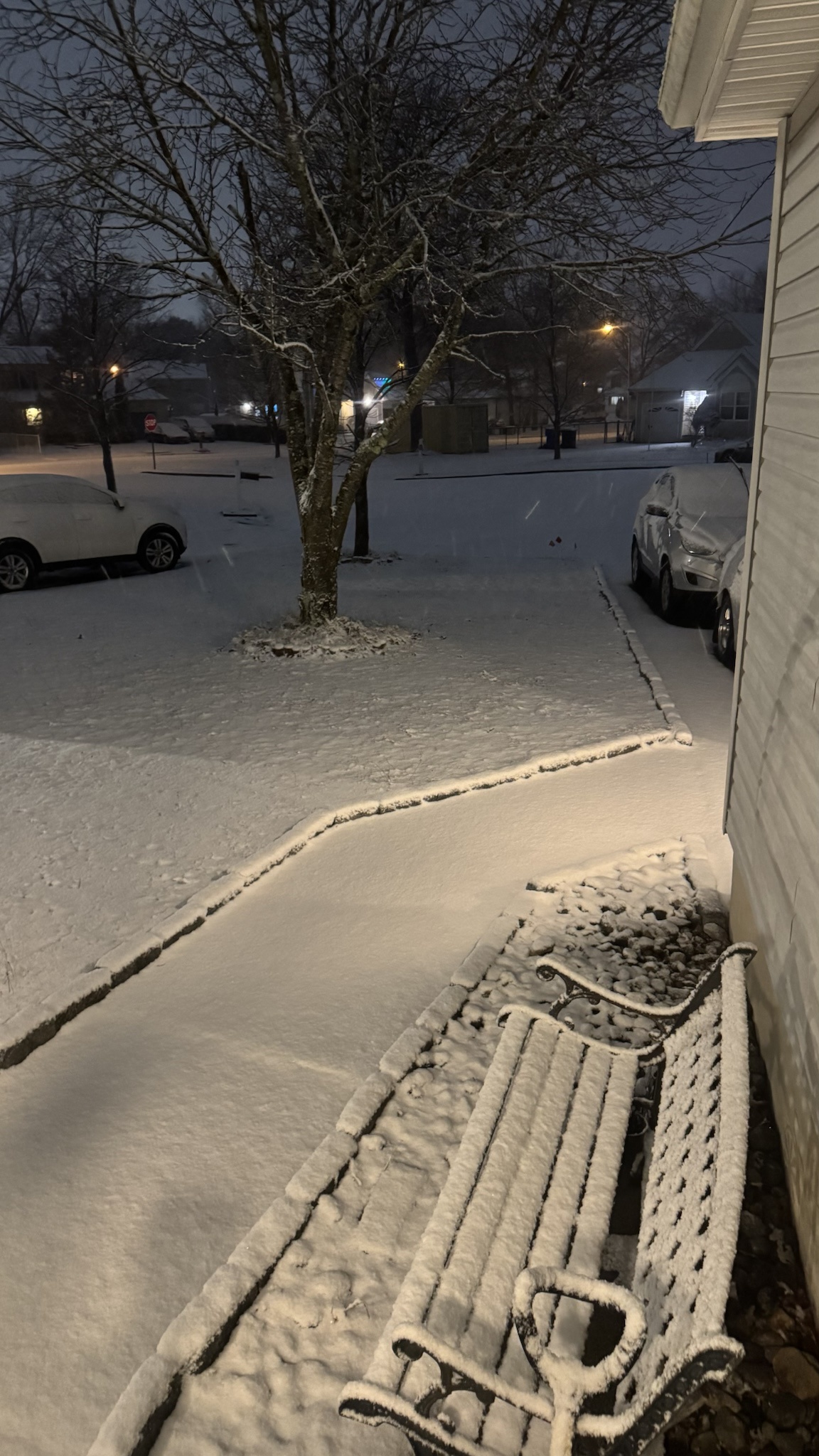
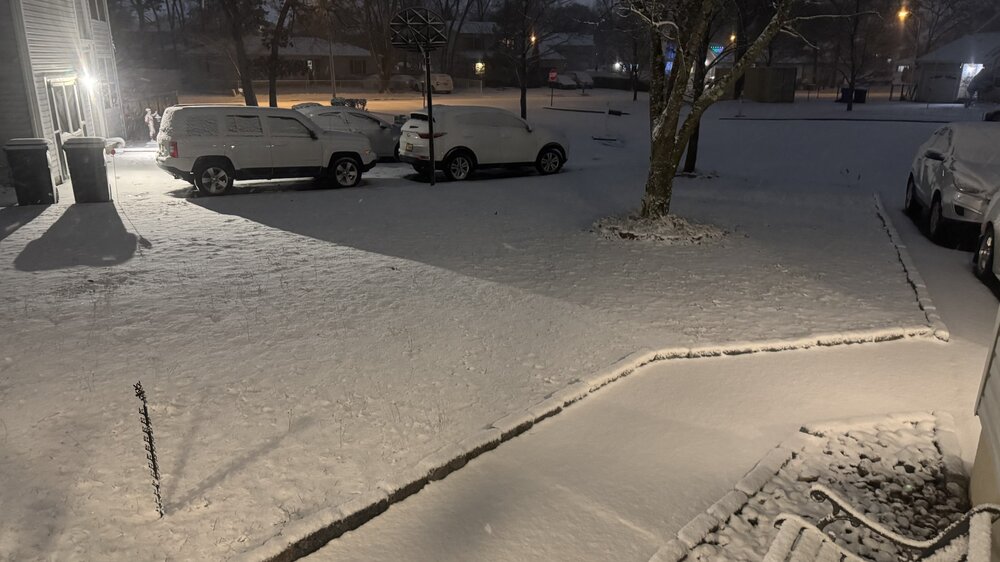
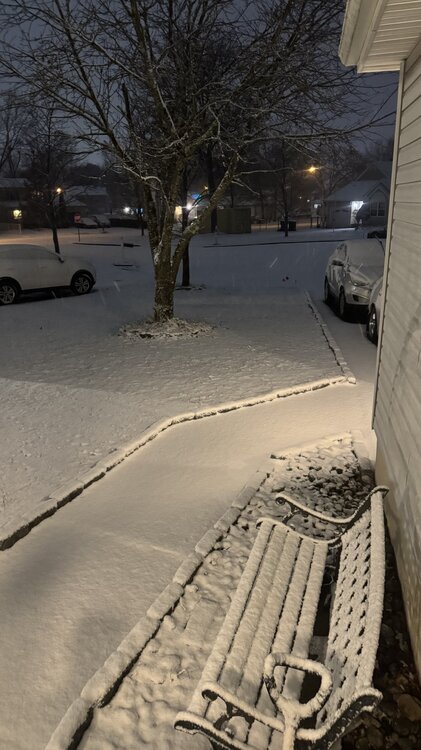
Well, that was fun. I think we all at least got a nice covering, with some of the north and west crew really cashing in? Ended up with 1.75-2 inches here on top of a thin layer of slush that is sure to turn into an actual glacier Sure beats bare ass ground going into this week. That storm had to be an enormously difficult forecast to make, for example my location which many models showed as generally all snow except Canadian guidance - there just wasn’t the precipitation to cool the column earlier on, it was actually extremely dry here until like 5pm. We had a little rain earlier in the day, but definitely paltry in terms of QPF. Then a period of very light sleet / graupel before we finally got into a main heavy band and the column instantly cooled to below freezing and put snow on the ground. Tough forecast. I think the city had similar issues, or was it just more plain temp problems there early on? The precipitation shield also really just seemed spotty and a bit shredded, certainly with some very heavy bands embedded though. Doesn’t seem like any model actually got the storm fully correct.
-
Finished up just under two at my house. About 1.75. But really nice powder on top of a layer of literal ice (already), shoveling / cleaning cars was interesting. If the early precip were snow I probably would’ve had only about 2.5” or so, there was a definite death of moisture at around 40n with this system. Regardless, I’m more than happy with the wintry vibes. I’m at about 4.25 inches on the season - Toms River / Manchester border. Be safe guys. Seeing the consistency of that icy slush under the powder I really think tomorrow AM is going to be messy in spots, so locales on a line from me to the city that started with rain / mix.
-
I’m nearing 2 inches, beautiful powder. I’ll take it.
-
The band that’s just exiting me down in Toms River was beautiful… very high rate and heavy snow. That should plaster you guys good.
-
-
The beginning of that band dropped me 2 degrees and ended the graupel / mix and absolutely started ripping snow here. That has to help the city / LI. The rates are high.
-
This current band could probably get me to 1-2 inches, and I’ll take it. Most of CNJ looks to be in the heavy stuff for a bit. And this should move NE and hopefully clobber LI. Temps really dropped in this band with the significant rate increase.
-
Ripping and sticking here now in western Toms River. Just needed the rates to pick up, which they did. Very anemic with precip to this point so far, but we’re in the goods now. 32/31
-
33/32 here with temps steadily falling. Light snow increasing in rate as we work into a better band - we’ll see what happens. Actually didn’t even have much rain here, just a little bit a few hours ago and it turned into a mix / graupel fairly quickly. I’ll be satisfied with whatever falls here as at least we know it’s not going anywhere any time soon, and will look quite a bit nicer than bare ass ground for the upcoming cold.
-
It’s interesting they don’t even have WWA in SE MA up to Boston. That seems risky with some models still mostly hanging on to all snow solutions, no? Especially with the RGEM shifting, that seems like a huge risk to the immediate Boston metro let alone Monmouth / Ocean here. Can’t recall such stubborn divergence this late in the game, maybe 1/29/22 which was also very difficult to forecast with models split down the middles on the low position and banding pretty much right up to nowcasting. edit: Looks like they did finally add a WSWatch to the immediate Boston metro, which makes sense to me. Seems official forecasting for this event is playing highly conservative. Not suggesting it’s the wrong approach, just interesting to me.
-
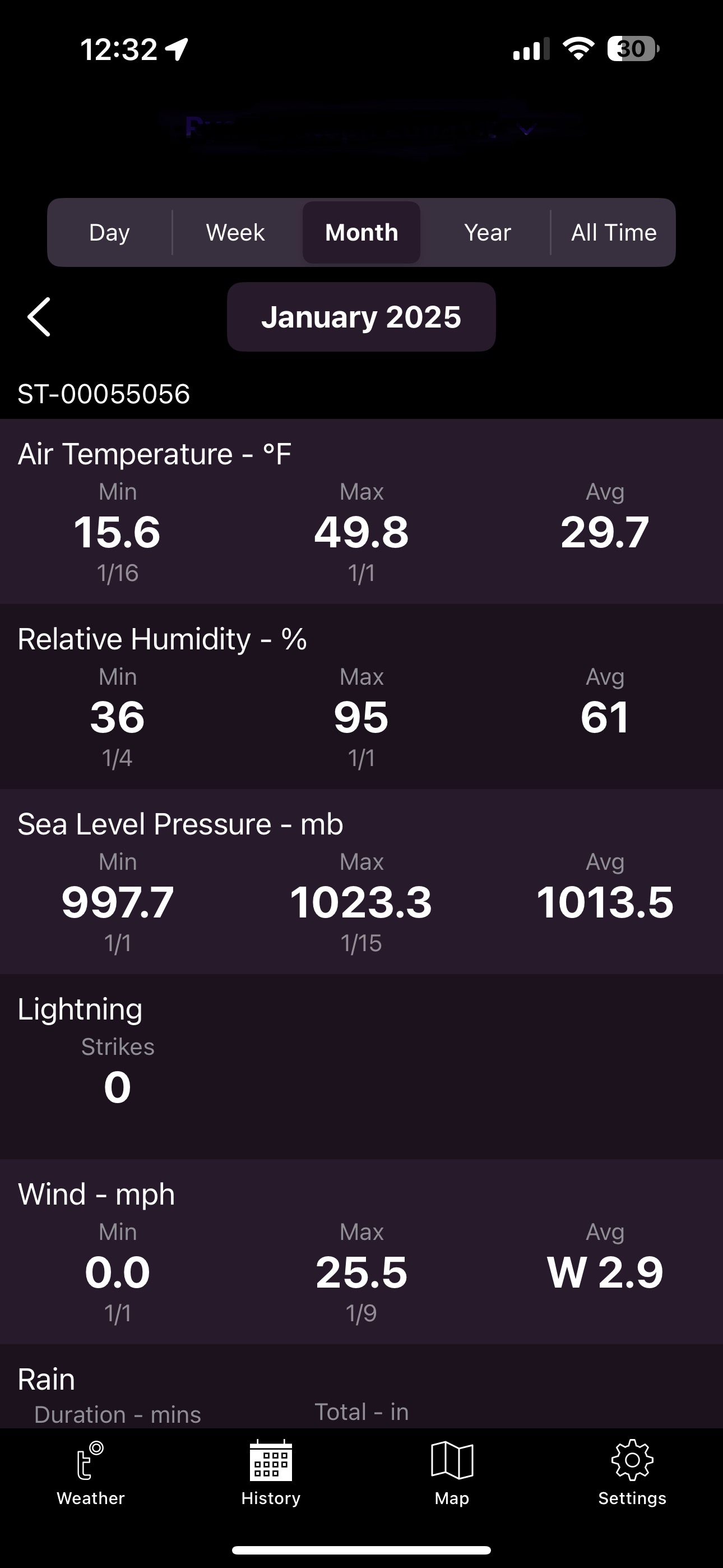
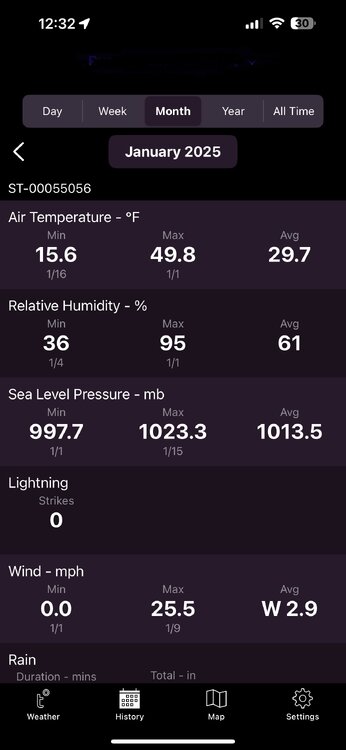
So far Jan is averaging 29.7F IMBY. Pretty wild that it’ll drop further after next week, only a brief dip into the 40’s - no signs of hitting 50 soon either which has been a lock every January lately.
-
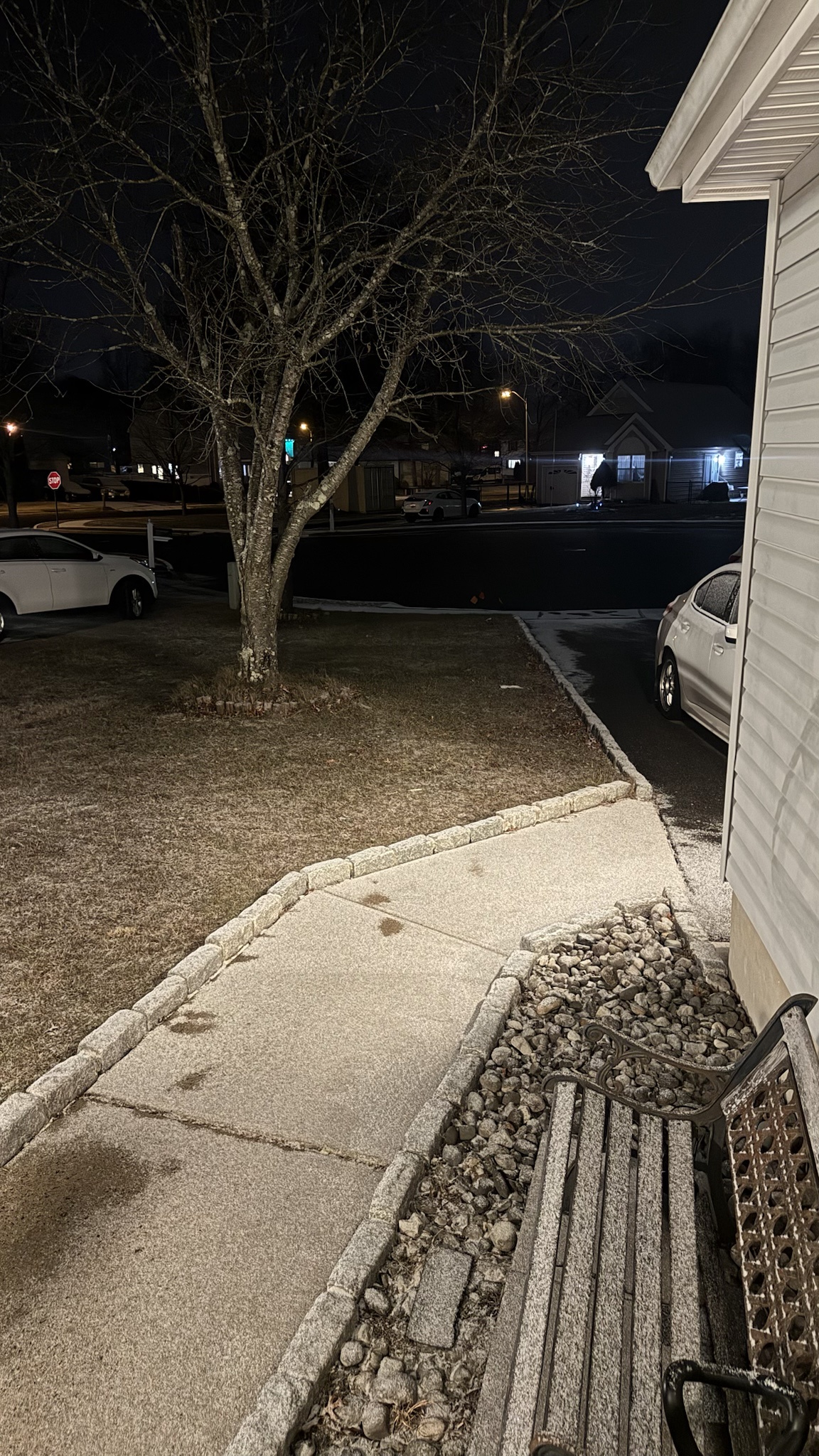
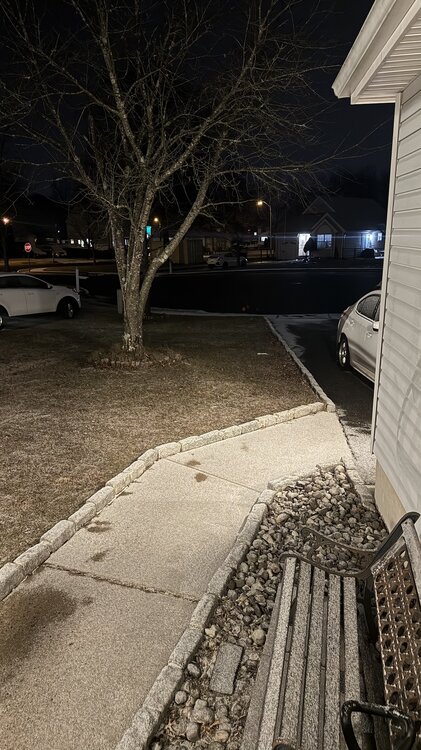
Nice semi-coating here, at least seeing some flakes flying. And the world’s smallest pile of snow is… on life support but still hanging on.
-
Been meaning to watch that one, we just finished up For All Mankind which was some of the best television sci/fi since The Expanse. I know about all the Severance hype (also Silo!), really meaning to watch it soon. Apple TV is killing it with genre shows.
-
Jan 11th-12th Super Bomb or Super Bummed?
Volcanic Winter replied to Rjay's topic in New York City Metro
Thanks. Still hanging on here.- 992 replies
-
- 2
-

-
- metsfan vs snowman
- bomb
- (and 2 more)