Brian D
-
Posts
3,330 -
Joined
-
Last visited
Content Type
Profiles
Blogs
Forums
American Weather
Media Demo
Store
Gallery
Everything posted by Brian D
-
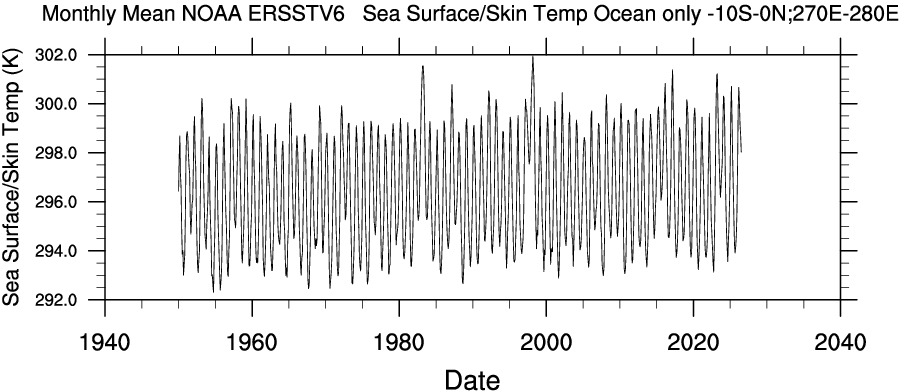
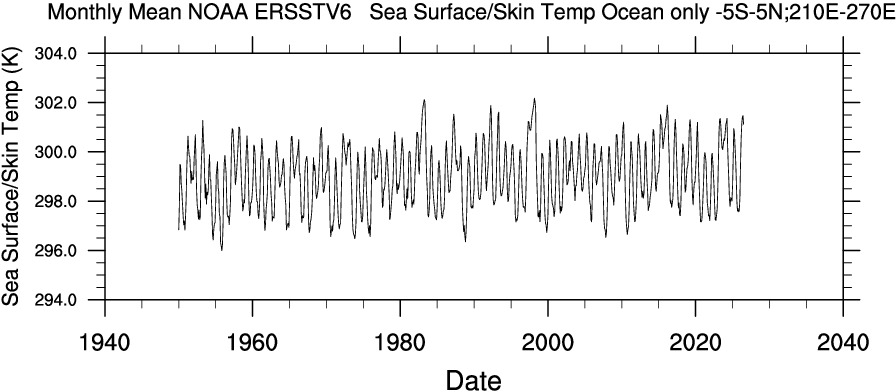
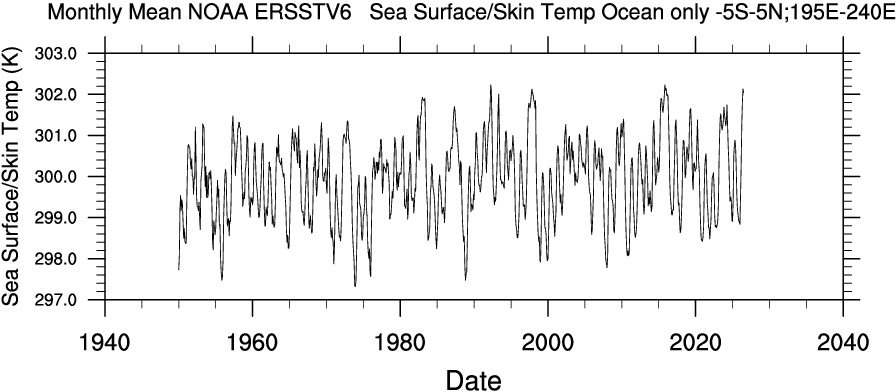
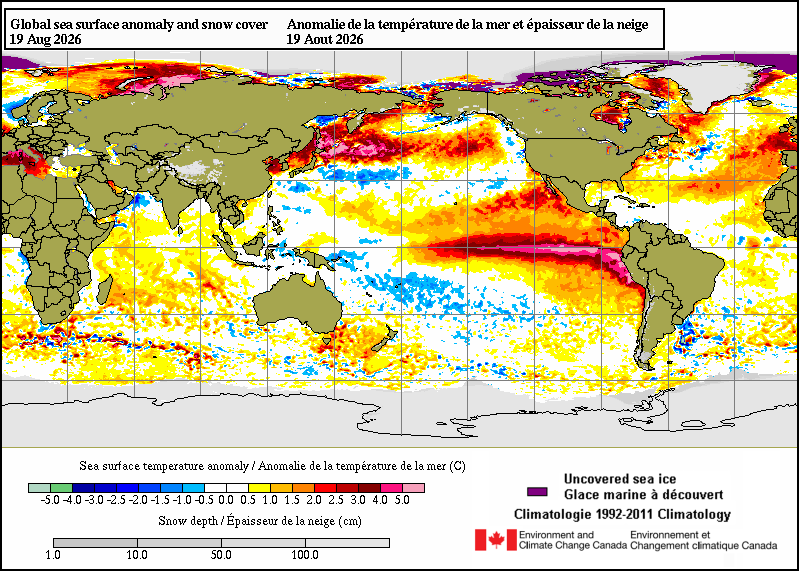
Will be interesting to see the NOAA data for Aug. She's a healthy one right now.
-
August 19 2007: Record 24-hour maximum rainfall of 15.10 inches set in Hokah, MN (Houston county). This 24-hour total contributed to the record monthly maximum rainfall of 23.86 inches that was set in Hokah during August of 2007. 1980: Strong winds at Belle Plaine severely damage five planes. For Wednesday, August 19, 2026 1788 - A small but powerful hurricane inflicted great havoc upon forests along a narrow track from New Jersey to Maine. A similar storm track today would cause extreme disaster in the now populated area. (David Ludlum) 1890 - An estimated F3 tornado hit South Wilkes-Barre, Pennsylvania. About 400 buildings were destroyed in the industrial and more impoverished residential section of town. The death toll was 16 and damage was estimated at $400,000. 1969 - 'Never say die' Camille let loose a cloudburst in Virginia resulting in flash floods and landslides which killed 151 persons and cause 140 million dollars damage. Massies Hill VA received 27 inches of rain. (David Ludlum) 1986 - The temperature at San Antonio, TX, soared to an all-time record high of 108 degrees. (Sandra and TI Richard Sanders - 1987) 1987 - Thunderstorms moving out of southeastern Nebraska spread severe weather into eastern Kansas and western Missouri during the day. Thunderstorms in Nebraska produced hail three inches in diameter at Albion, and high winds which downed a large tent at Waterloo injuring a dozen persons. Thunderstorms in Kansas produced baseball size hail northwest of Topeka, and wind gusts to 80 mph at Fulton. Ten persons were injured in a thunderstorm at Princeton KS, and damage to crops in southern Franklin County KS was estimated at 3.5 million dollars. (Storm Data) (The National Weather Summary) 1988 - Raleigh, NC, reported a record hot temperature reading of 103 degrees. Afternoon thunderstorms in Oklahoma produced wind gusts to 75 mph in southern Pittsburgh County. Thunderstorms in Indiana produced 4.50 inches of rain at Morgantown. (Storm Data) (The National Weather Summary) 1989 - Early morning thunderstorms deluged southeastern Delaware with six to ten inches of rain in four to six hours, with local reports of 13 to 20 inches of rain. Twenty-six major roads were closed or damaged, and fourteen bridges were washed out. Flooding caused nearly four million dollars damage to local businesses. (Storm Data) (The National Weather Summary) Observances: 19 Wed National Potato Day 19 Wed World Photography Day 19 Wed National Aviation Day 19 Wed World Humanitarian Day 19 Wed International Bow Day 19 Wed International Orangutan Day 19 Wed National Patient Advocacy Day 19 Wed National Photography Day 19 Wed National Soft Ice Cream Day 19 Wed Revolution Commemoration Day
-
Upper 30's/40's this morning across NE MN. Chilly start to the day. Saw a couple small flocks of geese moving yesterday aftrn. They were headed to the golf course (their fav spot).
-
Was just going to mention those sneaky buggers just offshore that find a calm spot to go full Andrew. Along with weaker waves that find there way in.
-
0.23" last night at the co-op brings me to 0.33" MTD. Got ya beat for what it's worth. Flood Bay precip observer has 0.26" for MTD of 0.46". Cyclone hole shifted N.
-
Finally got some rain last night. 0.25-0.75" around the TH area. Temps have been reaching the low 80's the last couple days with low dews. Very pleasant summer wx. Looks like 75-80 the next few days with more rain possible later this week.
-
August 18 1953: Four heifers near St. Martin were lucky; a tornado picked them up and set them back down again, unharmed. For Tuesday, August 18, 2026 1925 - During the late morning hours a severe hailstorm struck southeastern Iowa completely destroying crops along a path six to ten miles wide and 75 miles long. The hail also injured and killed poultry and livestock, and caused a total of 2.5 million dollars damage. The hailstorm flattened fields of corn to such an extent that many had to leave their farms in search of other work. It was one of the worst hailstorms of record for the nation. (The Weather Channel) 1983 - Hurricane Alicia ravaged southeastern Texas. The hurricane caused more than three billion dollars property damage, making it one of the costliest hurricanes in the history of the U.S. Just thirteen persons were killed, but 1800 others were injured. The hurricane packed winds to 130 mph as it crossed Galveston Island, and spawned twenty-two tornadoes in less than 24 hours as it made landfall. (The Weather Channel) (Storm Data) 1987 - Thirteen cities in the eastern U.S. reported record high temperatures for the date, including Orlando FL with a reading of 98 degrees, and Portland ME with a high of 94 degrees. Newark NJ reached 90 degrees for the thirty-sixth time of the year, their second highest total of record. (The National Weather Summary) 1988 - Twenty-two cities, from the Carolinas to the Upper Ohio Valley, reported record high temperatures for the date, pushing the total number of daily record highs since the first of June above the 1100 mark. Afternoon highs of 102 degrees at Greensboro NC and 105 degrees at Raleigh NC equalled all-time records. Evening thunderstorms in Montana produced wind gusts to 75 mph at Scobey. (The National Weather Summary) (Storm Data) 1989 - Thunderstorms over the Middle Atlantic Coast Region and the Upper Ohio Valley produced torrential rains in eastern Virginia during the late morning and afternoon hours. Totals ranged up to twelve inches at Yorktown. Williamsburg VA was deluged with 10.78 inches of rain between 6 AM and 10 AM, with 6.72 inches reported in just two hours. Flash flooding caused nearly twelve million dollars damage in Accomack County VA. Early evening thunderstorms in the Central High Plains Region produced walnut size hail and wind gusts to 80 mph around Casper WY. Thunderstorms produced locally heavy rains in the Yellowstone Park area, causing fifteen mudslides. (The National Weather Summary) (Storm Data) Observances: 18 Tue National Fajita Day 18 Tue National Couple's Day 18 Tue Bad Poetry Day 18 Tue National Ice Cream Pie Day 18 Tue National Mail Order Catalog Day 18 Tue Never Give Up Day 18 Tue Pinot Noir Day 18 Tue Serendipity Day 18 Tue World Breast Cancer Research Day
-
A little runway help edging the temp not out of the question, but I get it.
-
40's n 50's around the area this morning. Low 40's for some inland n upper 50's near shore, so quite the spread. Low 80's in town yesterday. Was nice sitting outside with family for my granddaughters birthday. One thing I've noticed this year is no movement of geese yet. Not uncommon to have small flocks on the move about now. The last few years, I notice a flock or two about once a week. In a couple weeks they will be moving a bit more, for sure. Summer is rapidly coming to an end, and it already has hints of Fall with it.
-
August 17 1946: A tornado kills 11 people in the Mankato area around 6:52PM. A 27-ton road grader is hurled about 100 feet. Another tornado an hour later destroys downtown Wells. For Monday, August 17, 2026 1915 - A hurricane hit Galveston, TX, with wind gusts to 120 mph and a twelve foot storm surge. The storm claimed 275 lives, including forty-two on Galveston Island, with most deaths due to drowning. Of 250 homes built outside the seawall (which was constructed after the catastrophic hurricane of 1900), just ten percent were left standing. (The Weather Channel) 1946 - An estimated F-4 tornado killed 11 people and injured 100 others in the Mankato, Minnesota area around 6:52 PM. The deaths and most of the injuries occurred in the complete destruction of the 26 cabins at the Green Gables tourist camp, 3 miles southwest of Mankato. A 27-ton road grader was reportedly hurled about 100 feet. Another tornado an hour later destroys downtown Wells, Minnesota. 1969 - Camille, the second worst hurricane in U.S. history, smashed into the Mississippi coast. Winds gusted to 172 mph at Main Pass Block LA, and to 190 mph near Bay Saint Louis MS. The hurricane claimed 256 lives, and caused 1.3 billion dollars damage. Several ocean going ships were carried over seven miles inland by the hurricane. The hurricane produced winds to 200 mph, and a storm surge of 24.6 feet. Complete destruction occurred in some coastal areas near the eye of the hurricane. (David Ludlum) (The Weather Channel) 1987 - Evening thunderstorms produced severe weather in the Northern and Central Plains Region. One thunderstorm spawned a tornado near Fairbury NE, along with baseball size hail and wind gusts to 100 mph, causing severe crop damage west of town. Ten cities in the eastern U.S. reported record high temperatures for the date. Syracuse NY hit 97 degrees for the first time in twenty-two years. (The National Weather Summary) (Storm Data) 1988 - Fifty-five cities, from the Middle Mississippi Valley to the Middle Atlantic Coast Region, reported record high temperatures for the date. Beckley WV reported an all-time record high of 96 degrees, and Baltimore MD hit 104 degrees, marking their thirteenth day of the year with 100 degree heat. Chicago IL equalled a record with 46 days of 90 degree weather for the year. Thunderstorms produced severe weather from Wisconsin to New Jersey. Thunderstorms in New Jersey produced high winds which gusted to 92 mph at Wrightstown, and blew down a circus tent at Lavallette injuring fourteen persons. (The National Weather Summary) (Storm Data) 1989 - Morning thunderstorms produced three to six inch rains in Oklahoma, and the Arkalatex area of Arkansas, Texas and Louisiana. Tom OK was soaked with 5.98 inches of rain, and Foreman AR received 5.55 inches. Evening thunderstorms produced high winds in the Wasatch Front of northern Utah. Thunderstorm winds gusted to 66 mph at Salt Lake City, and flash flooding caused up to two million dollars damage to a marina on Lake Powell. (Storm Data) (The National Weather Summary) Observances: 17 Mon National Thrift Shop Day 17 Mon National Nonprofit Day 17 Mon National Black Cat Appreciation Day 17 Mon Baby Boomers Recognition Day 17 Mon Black Cat Appreciation Day 17 Mon National I LOVE My feet Day 17 Mon National Massachusetts Day 17 Mon National Workers’ Comp Adjuster Day
-
As you mentioned in your Chicago records thread, trending would suggest a clunker year. And that seems likely with what I'm seeing down the road.
-
August 16 1981: Chilly temperatures are felt across Minnesota. Tower reports a low of 33 degrees. For Sunday, August 16, 2026 1777 - The Battle of Bennington, delayed a day by rain, was fought. The rain delayed British reinforcements, and allowed the Vermont Militia to arrive in time, enabling the Americans to win a victory by defeating two enemy forces, one at a time. (David Ludlum) 1909 - A dry spell began in San Bernardino County of southern California that lasted until the 6th of May in 1912, a stretch of 994 days! Another dry spell, lasting 767 days, then began in October of 1912. (The Weather Channel) 1916 - Altapass, NC, was deluged with 22.22 inches of rain in 24 hours to establish a state record. (The Weather Channel) 1987 - Afternoon and evening thunderstorms developing along a cold front produced severe weather from Oklahoma to Wisconsin and Lower Michigan. Thunderstorms in central Illinois produced wind gusts to 80 mph at Springfield which toppled two large beer tents at the state fair injuring 58 persons. Thunderstorms also drenched Chicago IL with 2.90 inches of rain, making August 1987 their wettest month of record. (The National Weather Summary) (Storm Data) 1988 - Thunderstorms developing along a slow moving cold front produced severe weather from North Dakota to Lower Michigan during the day. Nine tornadoes were sighted in North Dakota, and thunderstorms also produced hail three inches in diameter at Lakota ND, and wind gusts to 83 mph at Marais MI. Thirty-seven cities in the northeastern U.S. reported record high temperatures for the date, including Rockford IL with a reading of 104 degrees. (The National Weather Summary) (Storm Data) 1989 - Late afternoon and evening thunderstorms in the Central High Plains Region produced golf ball size hail at La Junta CO, Intercanyon CO, and Custer SD. Afternoon thunderstorms over South Texas drenched Brownsville with 2.60 inches of rain. Fair skies allowed viewing of the late evening full lunar eclipse from the Great Lakes Region to the Northern and Central Plains Region, and across much of the western third of the country. (The National Weather Summary) (Storm Data) 1992 - One of the most destructive United States hurricanes of record started modestly as a tropical wave that emerged from the west coast of Africa on August 14. The wave spawned a tropical depression on August 16, which became Tropical Storm Andrew the next day. Observances: 16 Sun Tell a Joke Day 16 Sun National Rum Day 16 Sun National Bratwurst Day 16 Sun National Airborne Day 16 Sun Bennington Battle Day 16 Sun National Roller Coaster Day 16 Sun National Backflow Prevention Day 16 Sun National Authenticity Day 16 Sun National Energy Multiplier Day 16 Sun National Independent Worker Day 16 Sun National Tell A Joke Day 16 Sun National Work From Home for Wellness Day 16 Sun St. Roch’s Day
-
August 15 1936: St. Paul swelters with a high of 108. For Saturday, August 15, 2026 1787 - Tornadoes were reported in Connecticut, Rhode Island, Massachusetts, and New Hampshire. Wethersfield CT was hard hit by the tornado outbreak. (David Ludlum) 1946 - Saint Louis, MO, was deluged with a record 8.78 inches of rain in 24 hours. (The Weather Channel) 1967 - The Sundance fire in northern Idaho was started by lightning. Winds of 50 mph carried firebrands as much as ten miles in advance to ignite new fires, and as a result, the forest fire spread twenty miles across the Selkirk Mountains in just twelve hours, burning 56,000 acres. The heat of the fire produced whirlwinds of flame with winds up to 300 mph which flung giant trees about like matchsticks. (David Ludlum) (Note: WOW, EF5++ firenados) 1983 - Hurricane Alicia formed on this day and was the costliest tropical cyclone in the Atlantic since Hurricane Agnes in 1972. It struck Galveston and Houston, Texas directly, causing $2.6 billion (1983 USD) in damage and killing 21 people. This storm was the worst Texas hurricane since Hurricane Carla in 1961. Also, Alicia was the first billion-dollar tropical cyclone in Texas history. 1987 - Thunderstorms developing ahead of a sharp cold front produced severe weather in the Upper Midwest during the afternoon and evening hours, with Minnesota and eastern South Dakota hardest hit. A thunderstorm in west central Minnesota spawned a tornado at Eagle Lake which killed one person and injured eight others. A thunderstorm in eastern South Dakota produced softball size hail at Warner. (The National Weather Summary) (Storm Data) 1988 - Thirty five cities in twenty states in the north central and northeastern U.S. reported record high temperatures for the date, including Lamoni IA and Baltimore MD, where the mercury hit 105 degrees. Temperatures 100 degrees or above were reported in twenty-two states. Pierre SD was the hot spot in the nation with a high of 114 degrees. Bluefield WV reported eight straight days of record heat. (The National Weather Summary) 1989 - Evening thunderstorms in eastern New Mexico produced wind gusts to 66 mph at Clovis. Evening thunderstorms in West Texas produced baseball size hail around Hereford, Dimmitt, Ware and Dalhart. (The National Weather Summary) (Storm Data) Observances: 15 Sat National Relaxation Day 15 Sat National Back To School Prep Day 15 Sat International Geocaching Day 15 Sat International Homeless Animals Day 15 Sat Assumption of Mary 15 Sat Chant at the Moon Day 15 Sat Check the Chip Day 15 Sat Feast of the Assumption 15 Sat National Leathercraft Day 15 Sat National Lemon Meringue Pie Day 15 Sat National Shoe Donation Day 15 Sat St Mary's Day 15 Sat World Greatness Day 15 Sat National No Sponge Bob Day
-
August 14 1978: The Boundary Waters area is hit by a strong tornado. Some of the damage could still be seen 10 years later. For Friday, August 14, 2026 1898 - A deadly, estimated F4 tornado moved southeast from 12 miles northwest of Clear Lake, South Dakota, passing 7 miles north of town and ending about 4 miles west of Gary. Deaths occurred on two farms. One man was killed when the kitchen of his farm house was torn off. Five members of one family were killed along with two labors on another farm as every building was swept away. Buildings suffered massive damage on eight farms. This tornado was one of the earliest, estimated F4 tornadoes on record for South Dakota. 1936 - Temperatures across much of eastern Kansas soared above 110 degrees. Kansas City MO hit an all-time record high of 113 degrees. It was one of sixteen consecutive days of 100 degree heat for Kansas City. During that summer there were a record 53 days of 100 degree heat, and during the three summer months Kansas City received just 1.12 inches of rain. (The Kansas City Weather Almanac) 1953 - Hurricane Barbara hits North Carolina as a Category 2 hurricane. Damage from the storm was relatively minor, totaling around $1.3 million (1953 USD). Most of it occurred in North Carolina and Virginia from crop damage. The hurricane left several injuries, some traffic accidents, as well as seven fatalities in the eastern United States; at least two were due to electrocution from downed power lines. Offshore Atlantic Canada, a small boat sunk, killing its crew of two. 1987 - Slow moving thunderstorms deluged northern and western suburbs of Chicago IL with torrential rains. O'Hare Airport reported 9.35 inches in 18 hours, easily exceeding the previous 24 hour record of 6.24 inches. Flooding over a five day period resulted in 221 million dollars damage. It was Chicago's worst flash flood event, particularly for northern and western sections of the city. Kennedy Expressway became a footpath for thousands of travelers to O'Hare Airport as roads were closed. The heavy rains swelled the Des Plaines River above flood stage, and many persons had to be rescued from stalled vehicles on flooded roads. (13th- 14th) (The National Weather Summary) (Storm Data) (The Weather Channel) 1988 - Eighteen cities in the northeastern U.S. reported record high temperatures for the date, and the water temperature at Lake Erie reached a record 80 degrees. Portland ME reported a record fourteen straight days of 80 degree weather. Milwaukee WI reported a record 34 days of 90 degree heat for the year. Afternoon and evening thunderstorms resulted in about fifty reports of severe weather in the northeastern U.S. One person was killed at Stockbridge MI when a tornado knocked a tree onto their camper. (The National Weather Summary) (Storm Data) 1989 - Afternoon thunderstorms in Illinois soaked the town of Battendorf with 2.10 inches of rain in thirty minutes. Evening thunderstorms in Montana produced wind gusts to 66 mph at Hobson. (The National Weather Summary) (Storm Data) Observances: 14 Fri World Lizard Day 14 Fri Social Security Act 14 Fri National Financial Awareness Day 14 Fri National Creamsicle Day 14 Fri National Spirit of ’45 Day 14 Fri National Tattoo Removal Day 14 Fri Navajo Code Talkers Day 14 Fri Vigil of Assumption Day
-
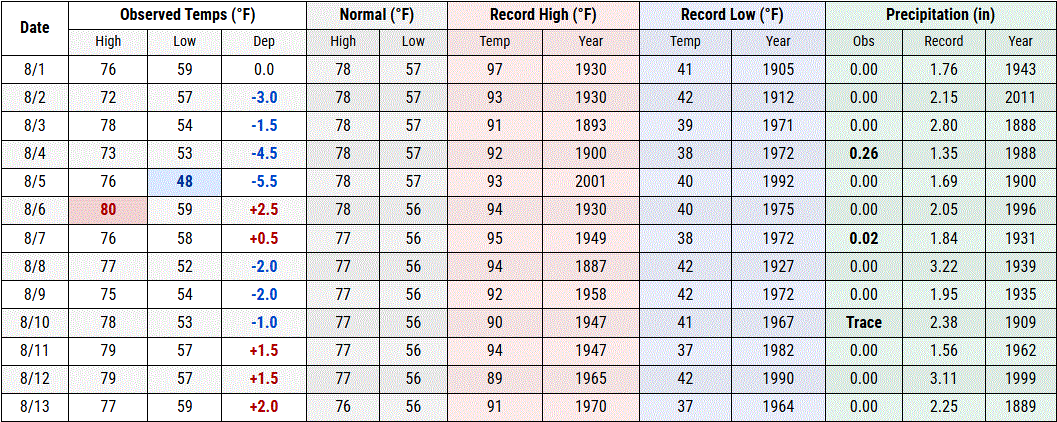
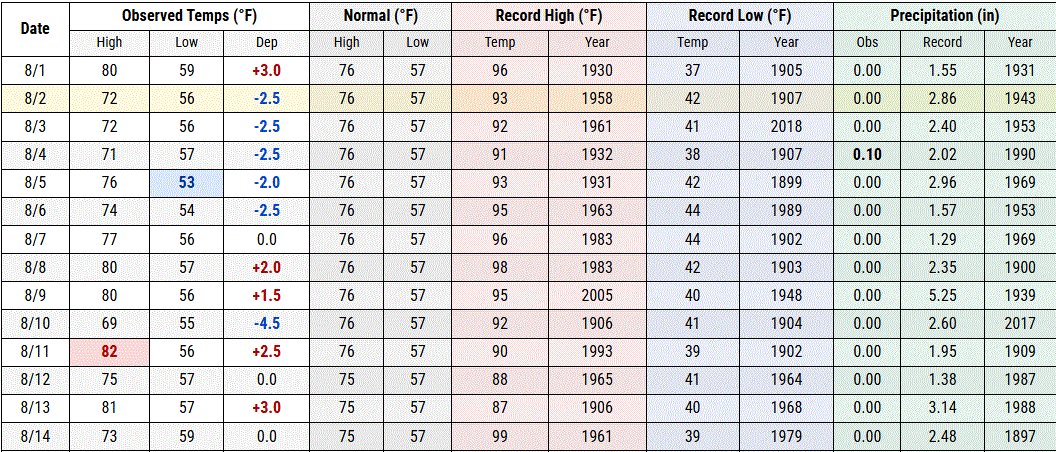
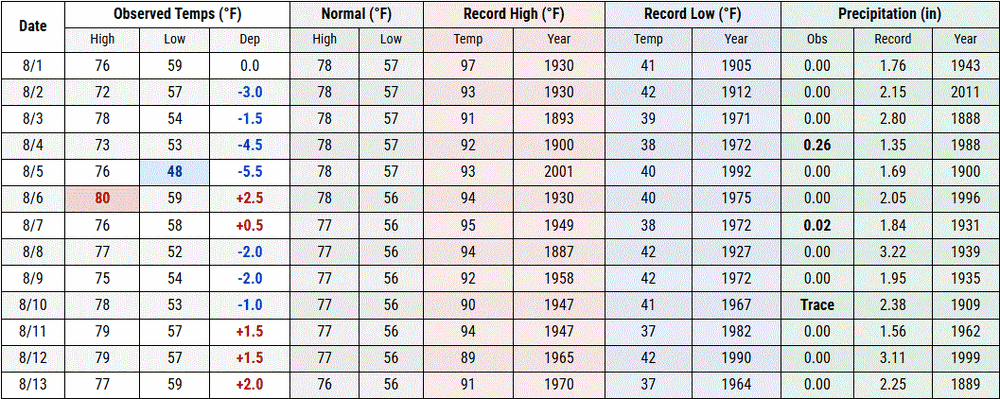
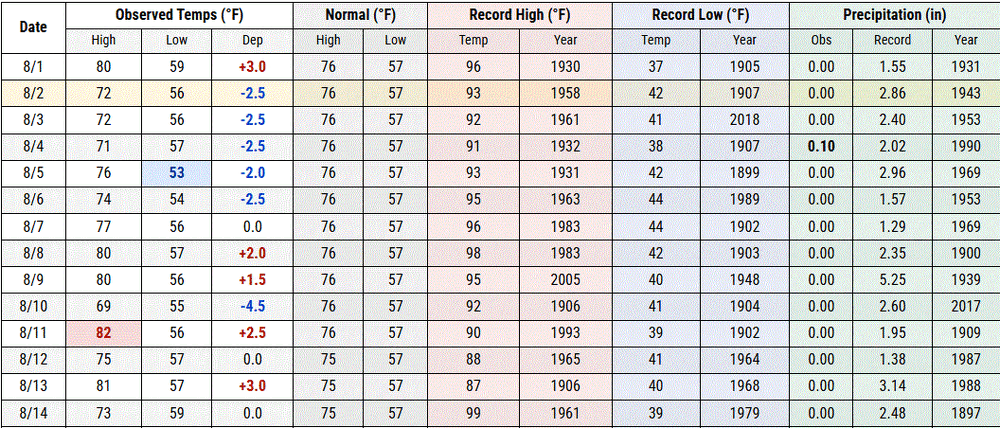
Seasonable Aug so far, but dry. Avg's on the downturn. DLH TH
-
Lows in the 40's with some 50's this morning. Cool, but we are heading into early Fall. In a couple weeks, the threat of widespread frost looms.
-
August 13 1964: Minnesota receives a taste of fall, with lows of 26 in Bigfork and 30 in Campbell. For Thursday, August 13, 2026 1831 - The Great Barbados Hurricane was an intense Category 4 hurricane that left cataclysmic damage across the Caribbean and Louisiana in 1831. From August 11 through the 13, Bermudians were amazed to see the sun with a decidedly blue appearance, giving off an eerie blue light when it shone into rooms and other enclosed places. Ships at sea as far west as Cape Hatteras reported that "their white sails appeared a light blue colour." A month later it was learned that the astounding blue sunlight had coincided with a terrible hurricane that caused 1,477 people to lose their lives. It was assumed that the hurricane was intensive enough to cause an unusual disturbance in the higher atmospheric strata, and refraction, diffraction or absorption of light rays, to produce the blue reflection. Because the sun appeared bluish-green, Nat Turner took this as the final signal and began a slave rebellion a week later on August 21. 1919 - High winds and heavy rain struck the Middle Atlantic Coast Region. In New Jersey, winds gusted to 60 mph at Atlantic City, and nine inches of rain fell at Tuckerton. The wind and rain leveled crops and stripped trees of fruit causing several million dollars damage. (David Ludlum) 1980 - The afternoon high at New York City was just 89 degrees. But there were fifteen days of 90 degree heat during the month, their hottest August of record. (The Weather Channel) 1985 - Hail larger than golf balls, driven by 70 mph winds, moved down crops, stripped trees, and broke windows, near Logan KS. Road graders cleared three foot drifts of hail on Kansas Highway 9 east of Logan. (The Weather Channel) 1987 - Thunderstorms deluged the Central Gulf Coast States with torrential rains. Thunderstorms in Mississippi drenched Marion County with up to 15 inches of rain during the morning hours, with 12.2 inches reported at Columbia. Floodwaters swept cars away in the Lakeview subdivision of Columbia when the the Lakeview Dam broke. Flash flooding caused more than three million dollars damage in Marion County. (The National Weather Summary) (Storm Data) 1988 - A dozen cities in the northeastern U.S. reported record high temperatures for the date. Lansing MI reported a record 35 days of 90 degree weather for the year, Detroit MI reported a record 37 days of 90 degree heat for the year, and Williamsport PA reported a record 38 days of 90 degree weather for the year. (The National Weather Summary) 1989 - Thunderstorms developing in a tropical airmass over the northeastern U.S. soaked Connecticut and Massachusetts with four to eight inches of rain over the weekend, between the 11th and 13th of the month. Hartford CT received 7.70 inches of rain. (The National Weather Summary) (Storm Data) 1991 - Stockton, California received 0.05 inch of rainfall on this day. Since 1949, this is the only measured rainfall in Stockton on August 13th. 2014 - An official, New York State 24 hour precipitation record was set at Islip, NY on August 12-13 when 13.57" of rain fell. Observances: 13 Thu Left-Handers Day 13 Thu National Filet Mignon Day 13 Thu National Prosecco Day 13 Thu Women's and Family Day
-
You reminded me of something. Whenever I was far away from home when I was younger, when I drove back, the first thing I noticed was the change in the smell of the air. Literally could smell the freshness of the Lakes the closer you got. You take that for granted living next to them all the time.
-
Interesting tidbit concerning are warmer winters for our sub, and also how they panned with 2.0+ ENSO index. Strong El Nino 's (2.0+) with DJF anoms for our sub. Index starts 1950. 1965/66: 3.916/-2.95/0.602 (0.523) 1972/73: -1.79/2.231/0.517 (0.319) 1982/83: 3.654/2.22/ 3.322 (3.065) 1991/92: 1.032/2.588/3.181 (2.267) 1997/98: 2.367/3.004/6.436 (3.936) 2015/16: 6.008/1.142/2.196 (3.115) Top 10 winters with index (if known). 2023/24 (4.902): 5.682/2.796/6.229 (1.4) 1877/78 (4.689): 6.14/3.006/4.92 (unknown but probably a strong El Nino from NOAA SST data) 1931/32 (4.282): 4.771/5.141/2.935 (unknown but probably neutral conditions from NOAA SST data) 1997/98 (3.936): 2.367/3.004/6.436 (2.3) 2001/02 (3.920): 3.974/4.306/3.479 (-0.3) 2011/12 (3.404): 2.882/3.288/4.043 (-1.0) 1881/82 (3.151): 3.666/1.095/4.692 (unknown but probably neutral conditions from NOAA SST data) 2015/16 (3.115): 6.008/1.142/2.196 (2.3) 1918/19 (3.068): 3.724/3.617/1.864 (unknown but probably a moderate El Nino from NOAA SST data) 1982/83 (3.065): 3.654/2.22/3.322 (2.4)
-
August 12 2000: Record-setting dew points develop in Minnesota. The Twin Cities have a dew point of 76, with a rare dew point of 80 at Faribault. 1821: An eight-day heat wave ends at Ft. Snelling. Temperatures were in the 90's each day. For Wednesday, August 12, 2026 1752 - The following is from the Journals of the Rev. Thomas Smith, and the Rev. Samuel Deane, published in 1849. “In the evening there was dismal thunder and lightning, and abundance of rain, and such a hurricane as was never the like in these parts of the world.” This hurricane struck Portland, Maine. 1778 - A Rhode Island hurricane prevented an impending British-French sea battle, and caused extensive damage over southeast New England. (David Ludlum) 1933 - The temperature at Greenland Ranch in Death Valley, CA, hit 127 degrees to establish a U.S. record for the month of August. (The Weather Channel) 1936 - The temperature at Seymour, TX, hit 120 degrees to establish a state record. (The Weather Channel) 1955 - During the second week of August hurricanes Connie and Diane produced as much as 19 inches of rain in the northeastern U.S. forcing rivers from Virginia to Massachusetts into a high flood. Westfield MA was deluged with 18.15 inches of rain in 24 hours, and at Woonsocket RI the Blackstone River swelled from seventy feet in width to a mile and a half. Connecticut and the Delaware Valley were hardest hit. Total damage in New England was 800 million dollars, and flooding claimed 187 lives. (David Ludlum) 1987 - Early afternoon thunderstorms in Arizona produced 3.90 inches of rain in ninety minutes at Walnut National Monument (located east of Flagstaff), along with three inches of pea size hail, which had to be plowed off the roads. (The National Weather Summary) (Storm Data) 1988 - Fifteen cities in the northeastern U.S. reported record high temperatures for the date. Youngstown OH reported twenty-six days of 90 degree weather for the year, a total equal to that for the entire decade of the 1970s. (The National Weather Summary) 1989 - Thunderstorms were scattered across nearly every state in the Union by late in the day. Thunderstorms produced wind gusts to 75 mph at Fergus Falls MN, and golf ball size hail and wind gusts to 60 mph at Black Creek WI. In the Chicago area, seven persons at a forest preserve in North Riverside were injured by lightning. (The National Weather Summary) (Storm Data) 2004 - Hurricane Charley was the third named storm and the second hurricane of the 2004 Atlantic hurricane season. Charley lasted from August 9 to August 15, and at its peak intensity, it attained 150 mph winds, making it a strong Category 4 hurricane on the Saffir-Simpson Hurricane Scale. It made landfall in southwestern Florida at maximum strength, making it the most powerful hurricane to hit the United States since Hurricane Andrew struck Florida in 1992. 2005 - A tornado strikes Wright, Wyoming, a coal-mining community, killing two and destroying 91 homes and damaging about 30 more in around the town. Observances: 12 Wed National Vinyl Record Day 12 Wed International Youth Day 12 Wed Middle Child Day 12 Wed World Elephant Day 12 Wed IBM PC Day 12 Wed Milkman Day 12 Wed National Gooey Butter Cake Day 12 Wed National Julienne Fries Day
-
-
Ok guys, totally jealous here.
-
August 11 1945: Nearly 8 inches of rain fall from a downpour over Red Wing. 1899: A lightning bolt from 'clear skies' destroys a storefront in Fisher, Polk County. It is possible for lightning bolts to extend outward from nearby storms, striking locations that appear safe under blue skies. For Tuesday, August 11, 2026 1940 - A Category 2 hurricane struck the Georgia and South Carolina coast. A 13-foot storm tide was measured along the South Carolina coast, while over 15 inches of rain fell across northern North Carolina. Significant flooding, the worst since 1607, and landslides struck Georgia, North Carolina, Tennessee, and Virginia during the system's slow trek as a weakening tropical storm, and then as an extratropical cyclone, through the Southeast. The landslides which struck North Carolina were considered a once in a century event. Damages relating to the storm totaled $13 million (1940 USD), and 50 people perished. 1944 - The temperature at Burlington, VT, soared to an all-time record high of 101 degrees. (The Weather Channel) The Dog Days officially come to an end on this date, having begun the third day in July. Superstition has it that dogs tend to become mad during that time of the year. (The Weather Channel) 1980 - Clouds and moisture from Hurricane Allen provided a brief break from the torrid Texas heatwave, with daily highs mostly in the 70s to lower 90s. (The Weather Channel) 1987 - An early evening thunderstorm in Wyoming produced hail up to two inches in diameter from Alva to Hulett. Snow plows had to be used to clear Highway 24 south of Hulett, where hail formed drifts two feet deep. (The National Weather Summary) 1988 - Moisture from what remained of Tropical Storm Beryl resulted in torrential rains across eastern Texas. Twelve and a half inches of rain deluged Enterprise TX, which was more than the amount received there during the previous eight months. Philadelphia PA reported a record forty-four days of 90 degree weather for the year. Baltimore MD and Newark NJ reported a record fourteen straight days of 90 degree heat. (The National Weather Summary) 1989 - One of the most severe convective outbreaks of record came to a climax in southern California after four days. Thunderstorms deluged Benton CA with six inches of rain two days in a row, and the flooding which resulted caused more than a million dollars damage to homes and highways. Thunderstorms around Yellowstone Park WY produced four inches of rain in twenty minutes resulting in fifteen mudslides. Thunderstorms over Long Island NY drenched Suffolk County with 8 to 10 inches of rain. Twenty-three cities in the southeastern U.S. reported record low temperatures for the date. It was, for some cities, the fourth straight morning of record cold temperatures. (The National Weather Summary) (Storm Data) 1999 - An F2 tornado touched down in the metropolitan area of Salt Lake City. The tornado lasted ten minutes and killed one person, injured more than 80 people, and caused more than $170 million in damages. It was the most destructive tornado in Utah's history and awakened the entire state's population to the fact that the Beehive State does experience tornadoes. Observances: 11 Sun National Human Trafficking Awareness Day 11 Sun Heritage Treasures Day 11 Sun International Parity at Work Day 11 Sun International Thank You Day 11 Sun Kosrae Constitution Day 11 Sun Learn Your Name in Morse Code Day 11 Sun National Arkansas Day 11 Sun National Girl Hug Boy Day 11 Sun National Hot Toddy Day 11 Sun National Sunday Supper Day 11 Sun Secret Pal Day 11 Sun Step in a Puddle and Splash Your Friends Day 11 Sun Unknown Citizens’ Day 11 Sun World Sketchnote Day 11 Sun National Milk Day 11 Sun Cigarettes are Hazardous to Your Health Day 11 Sun National Joel Day 11 Sun National Tara Day 11 Sun No Longer New Year's Day 11 Sun Paget’s Awareness Day
-
^Here's some much needed advice from the members of this sub^ EDIT: And just like that...POOF...gone
-
85 with 55-60 dews. Same lovely Aug wx here too.