Ginx snewx
-
Posts
105,913 -
Joined
-
Last visited
Content Type
Profiles
Blogs
Forums
American Weather
Media Demo
Store
Gallery
Everything posted by Ginx snewx
-
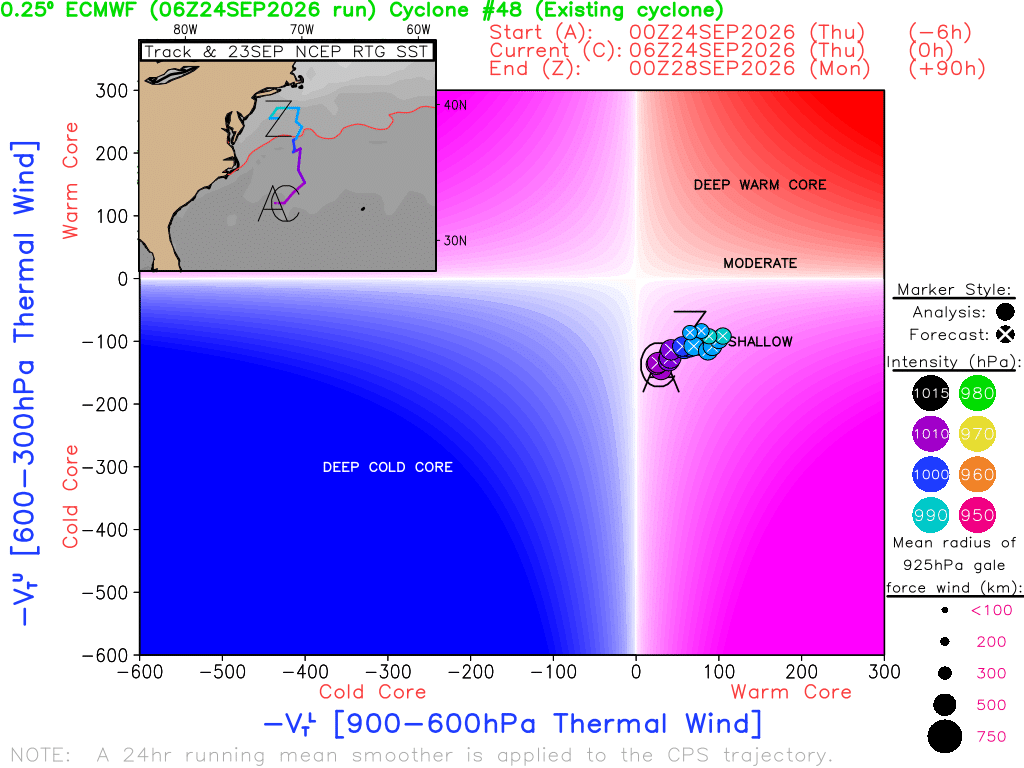
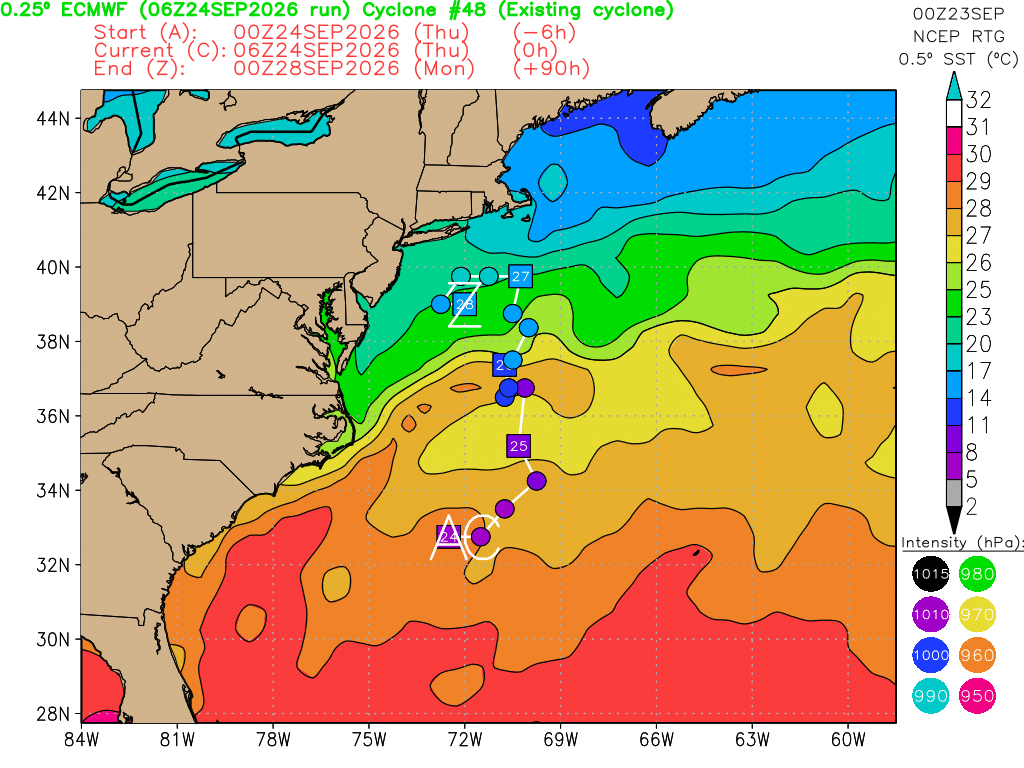
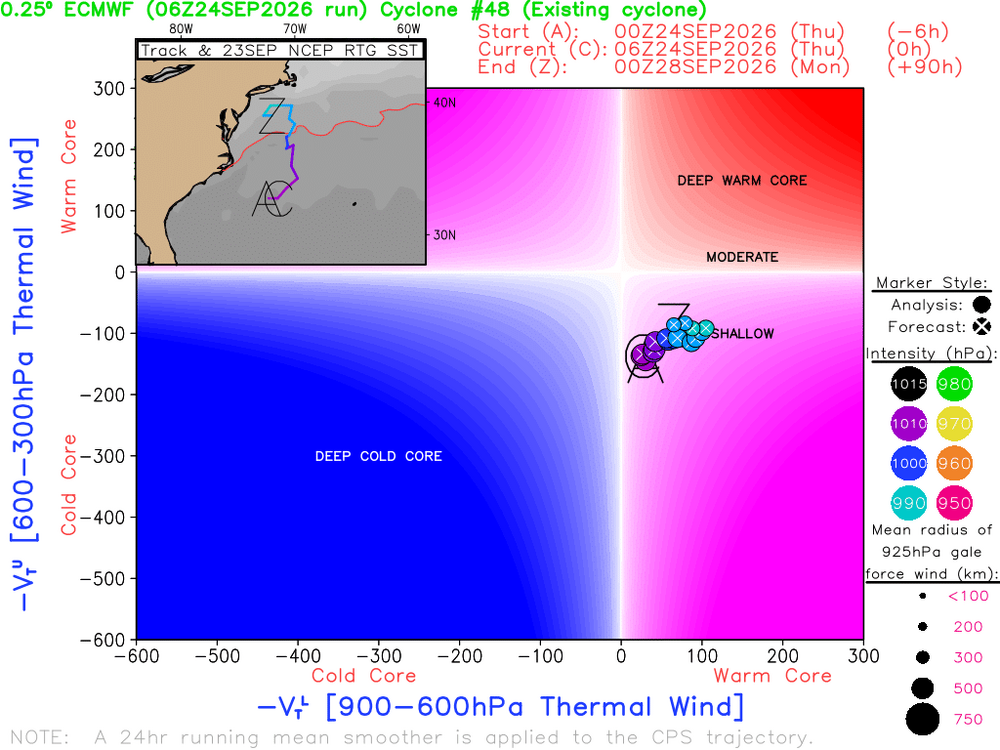
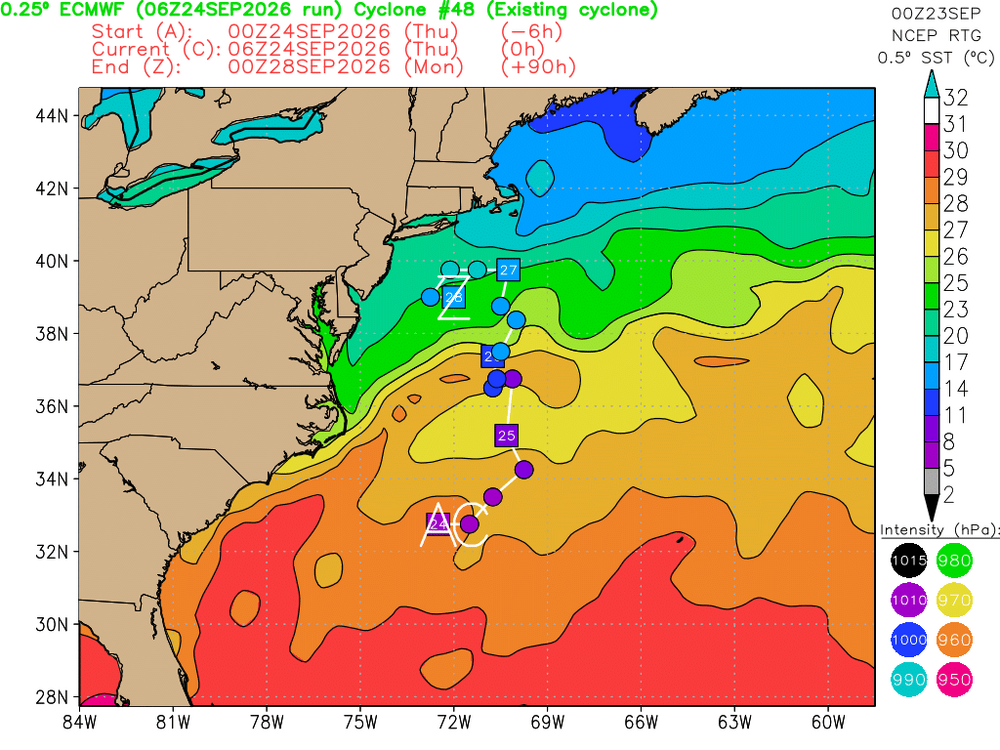
Notice how it gets deeper warm core at Z. That's the transition that is unusual. Something to watch
-
-
When are people going to acknowledge and accept that the Euro suite handles the really big coastals better than any other. GFS is garbage. Ryan's station downplaying rain has me wondering if they are missing something
-
I have some data on my page. No graphics
-
Hammer forgets the far eastern part of the state every big storm that misses HFD
-
TMEH oh man
-
Just booked
-
Gracias
-
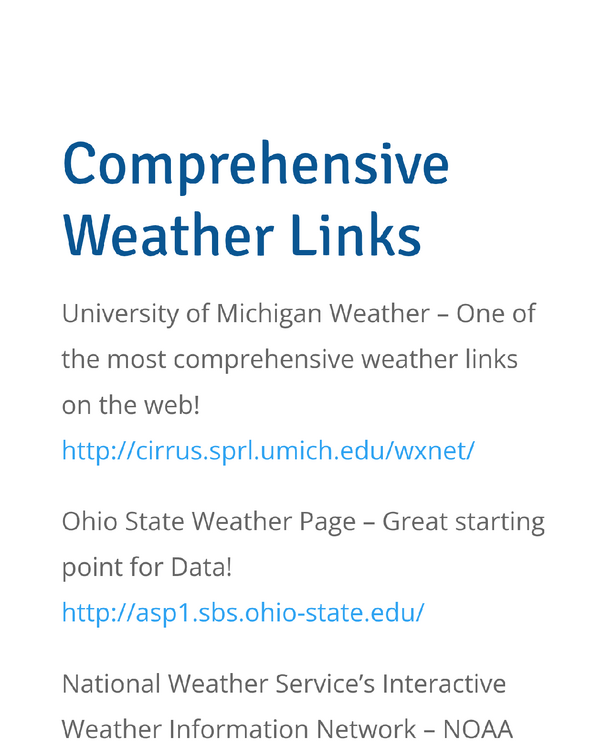
Yep from UMICH.. probably over 500 over the years. Thank God for predictive search shows previously visited.
-
Did you expect anything different? Full moon goon.
-
Tides at high are 10.5 ft not bad but days and days of ENE wind gonna pile water. Good link to watch. FYI I lost 35 years of bookmarks in Chrome on an upgrade. Sick about it. https://tidesandcurrents.noaa.gov/waterconditions.html
-
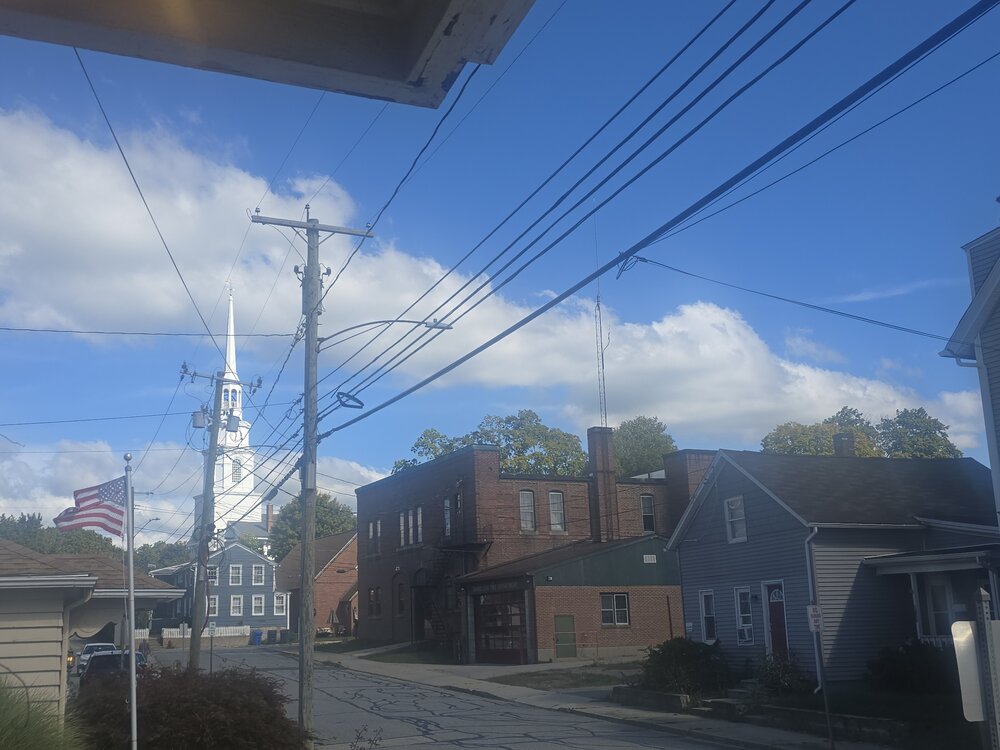
Holy wind and nice streamers from the ocean. Here at work streamers galore. NB
-
5H is sick. Man give us this late January
-
Guess you are throwing out the Euro again.
-
Septorcher 2026 Discussion - Endless Summer
Ginx snewx replied to Damage In Tolland's topic in New England
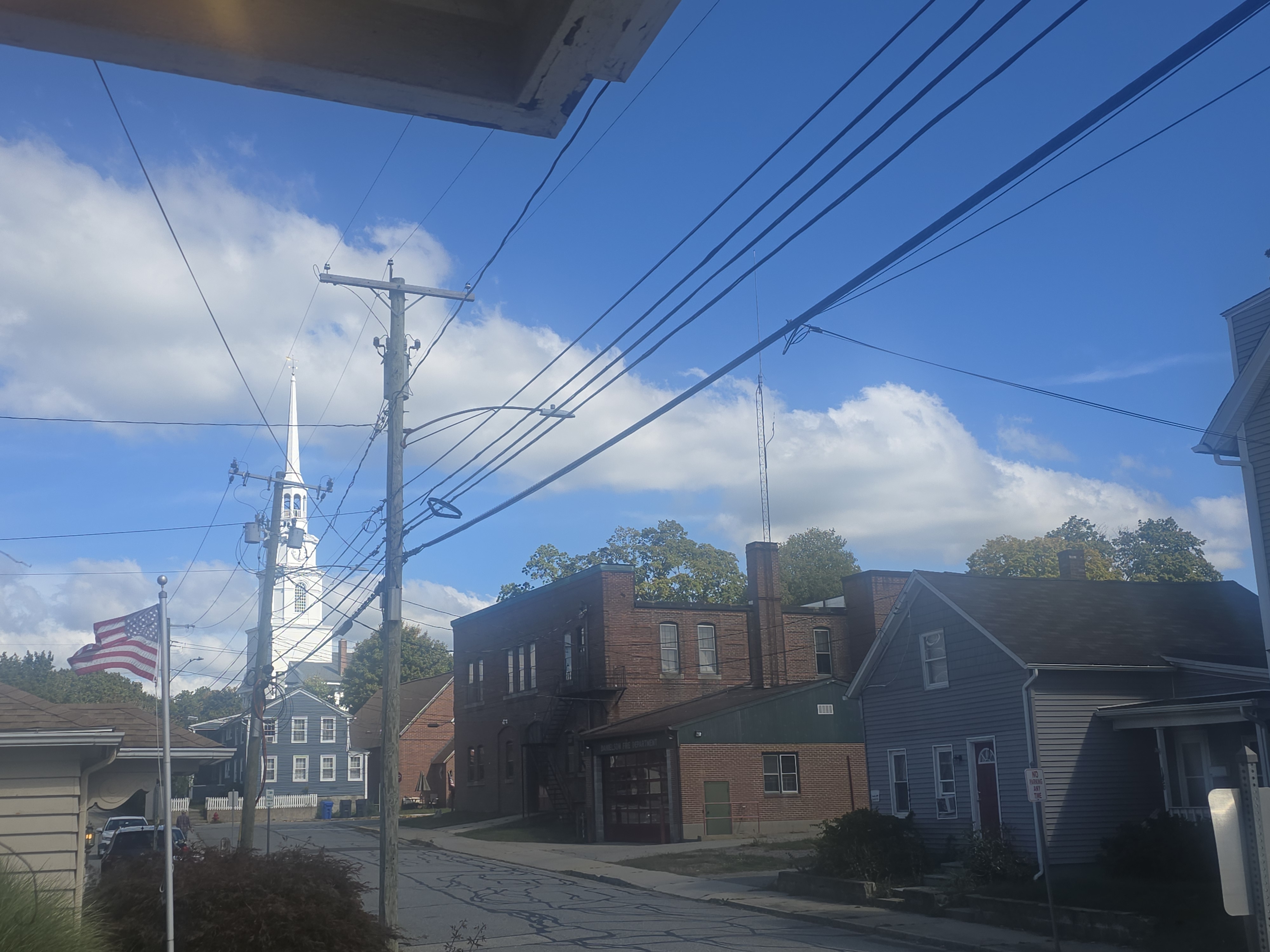
Haven't seen mid low clouds screaming in from the east like today since before the January blizzard -
Septorcher 2026 Discussion - Endless Summer
Ginx snewx replied to Damage In Tolland's topic in New England
https://www.facebook.com/share/1DprMJDHLj/ Sundayriver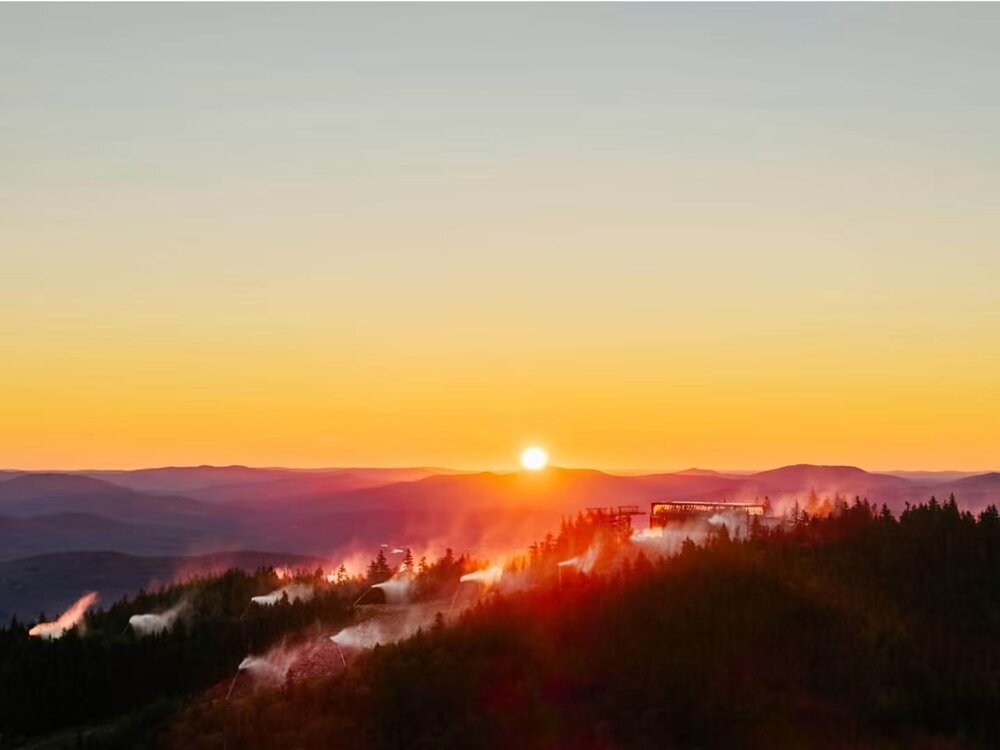
-
Septorcher 2026 Discussion - Endless Summer
Ginx snewx replied to Damage In Tolland's topic in New England
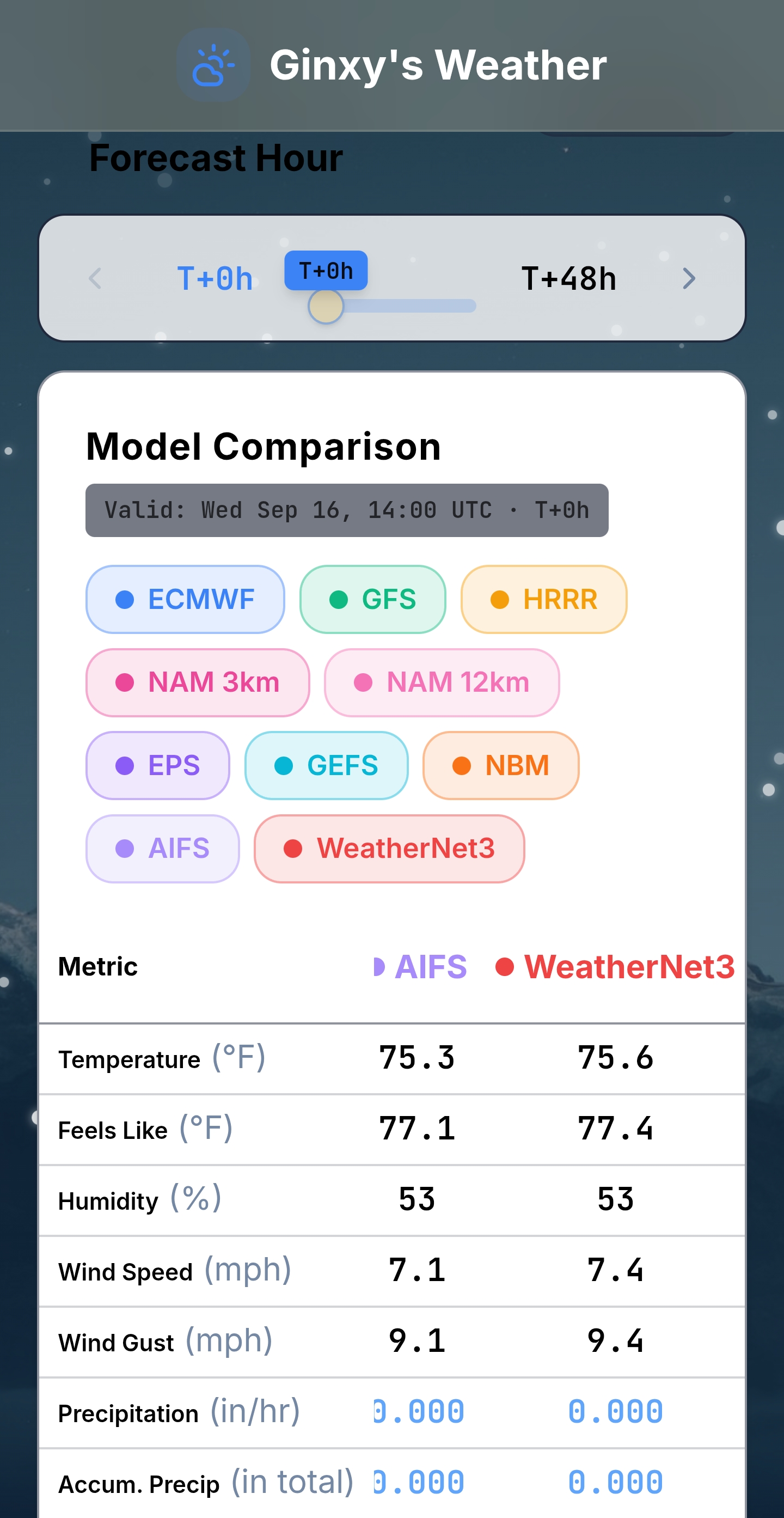
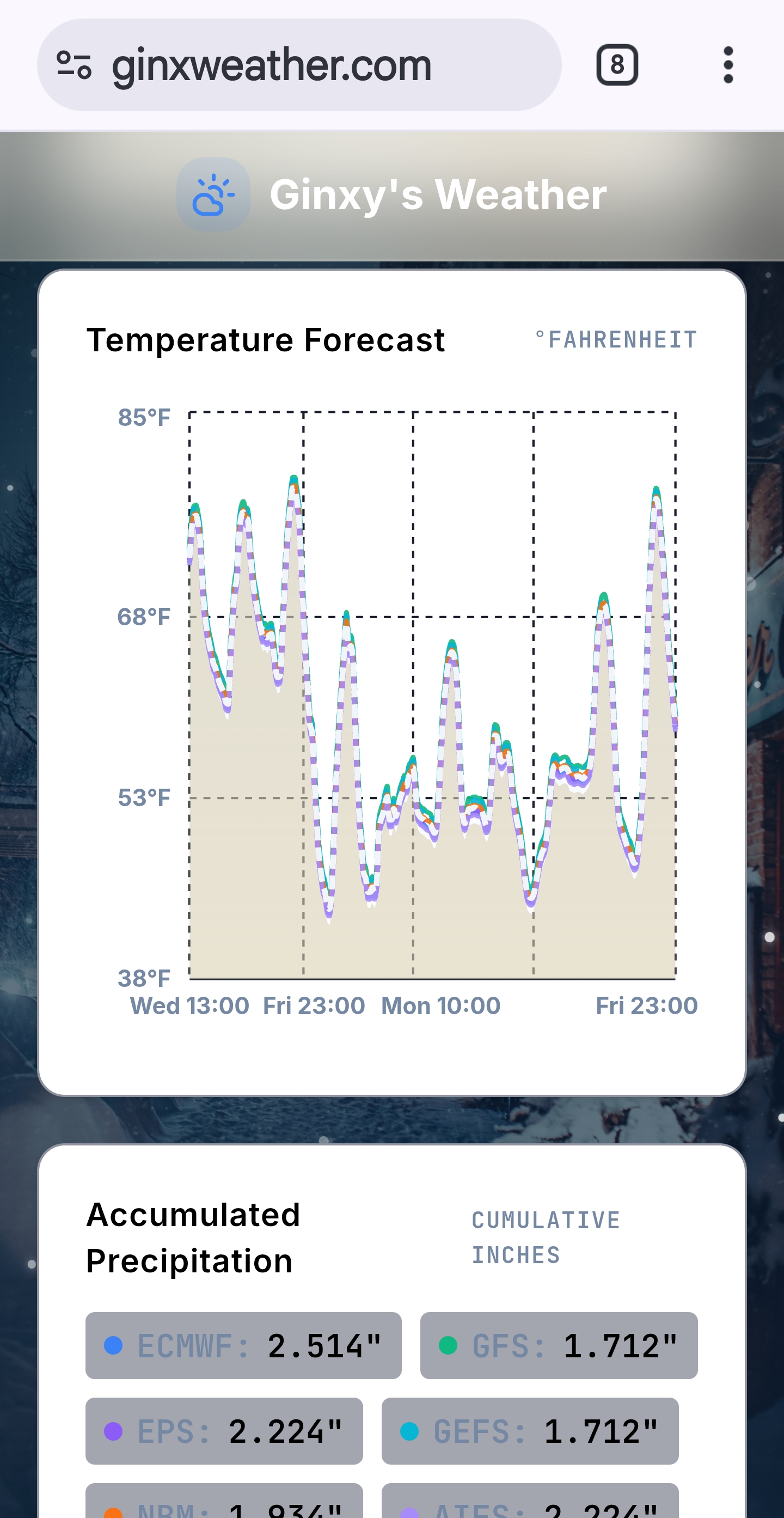
I have weathernet3 data available on my ginxweather.com website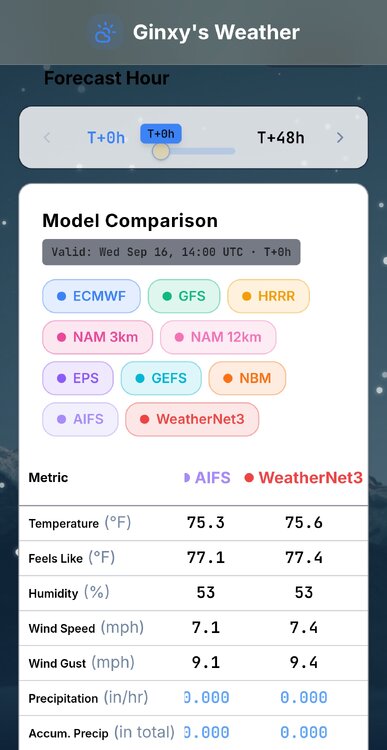
-
Septorcher 2026 Discussion - Endless Summer
Ginx snewx replied to Damage In Tolland's topic in New England
Endless summer fail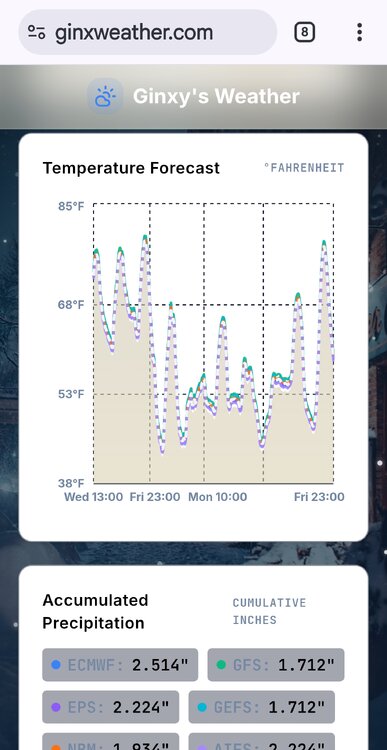
-
He trolls. Fully expect at least 1 KU. Could be the busiest season with extremely tough forecasts.
-
Was at URI 92 to 94 walking around was brutal. The wind and cold in 93 was constant
-
Septorcher 2026 Discussion - Endless Summer
Ginx snewx replied to Damage In Tolland's topic in New England
Nah we always have that 1 October day -
I Lol great comeback Tony. Wet seems a lock white well it is winter.
-
Septorcher 2026 Discussion - Endless Summer
Ginx snewx replied to Damage In Tolland's topic in New England
COC -
Septorcher 2026 Discussion - Endless Summer
Ginx snewx replied to Damage In Tolland's topic in New England
Link to yours? -
Septorcher 2026 Discussion - Endless Summer
Ginx snewx replied to Damage In Tolland's topic in New England
At least we have weather stations.