LakePaste25
-
Posts
1,351 -
Joined
-
Last visited
Content Type
Profiles
Blogs
Forums
American Weather
Media Demo
Store
Gallery
Everything posted by LakePaste25
-
2026-2027 Record-breaking El Nino
LakePaste25 replied to Stormchaserchuck1's topic in Weather Forecasting and Discussion
The plains drought forcing the pattern is Eric’s theory as well. -
2026-2027 Record-breaking El Nino
LakePaste25 replied to Stormchaserchuck1's topic in Weather Forecasting and Discussion
-
2026-2027 Record-breaking El Nino
LakePaste25 replied to Stormchaserchuck1's topic in Weather Forecasting and Discussion
+PDO tends to be more indicative that the Pacific was in more of a nino state during the past 5-10 years and vice versa so that makes sense. Weak ENSO is going to have high variability. -
2026-2027 Record-breaking El Nino
LakePaste25 replied to Stormchaserchuck1's topic in Weather Forecasting and Discussion
If this event doesn’t strongly couple then we need to start making PDO threads rather than ENSO threads. -
2026-2027 Record-breaking El Nino
LakePaste25 replied to Stormchaserchuck1's topic in Weather Forecasting and Discussion
I hope not. I prefer both hot and wet in the summer like during 2021 because it’s tropical-like. Had 90s and severe storms multiple times per week with lows in the 70s. That was an S tier summer. -
2026-2027 Record-breaking El Nino
LakePaste25 replied to Stormchaserchuck1's topic in Weather Forecasting and Discussion
Starting to think that maybe it’s the hyperactive pac basin that’s pushing all these high heights into the northern latitudes. -
2026-2027 Record-breaking El Nino
LakePaste25 replied to Stormchaserchuck1's topic in Weather Forecasting and Discussion
I would have 0 complaints if that happened, would be a needed reset of the W pacific warm pool that a few of us have been talking about here for awhile now -
2026-2027 Record-breaking El Nino
LakePaste25 replied to Stormchaserchuck1's topic in Weather Forecasting and Discussion
Yes. For record keeping purposes I will use absolute ONI however since that is always consistent with the 30 year mean, and RONI is too inconsistent in how it’s calculated between agencies and organizations. For atmospheric coupling purposes I will use RONI. 23-24 and 26-27 will likely get adjusted downward anyway until they become centered on their 30 year climate period. -
2026-2027 Record-breaking El Nino
LakePaste25 replied to Stormchaserchuck1's topic in Weather Forecasting and Discussion
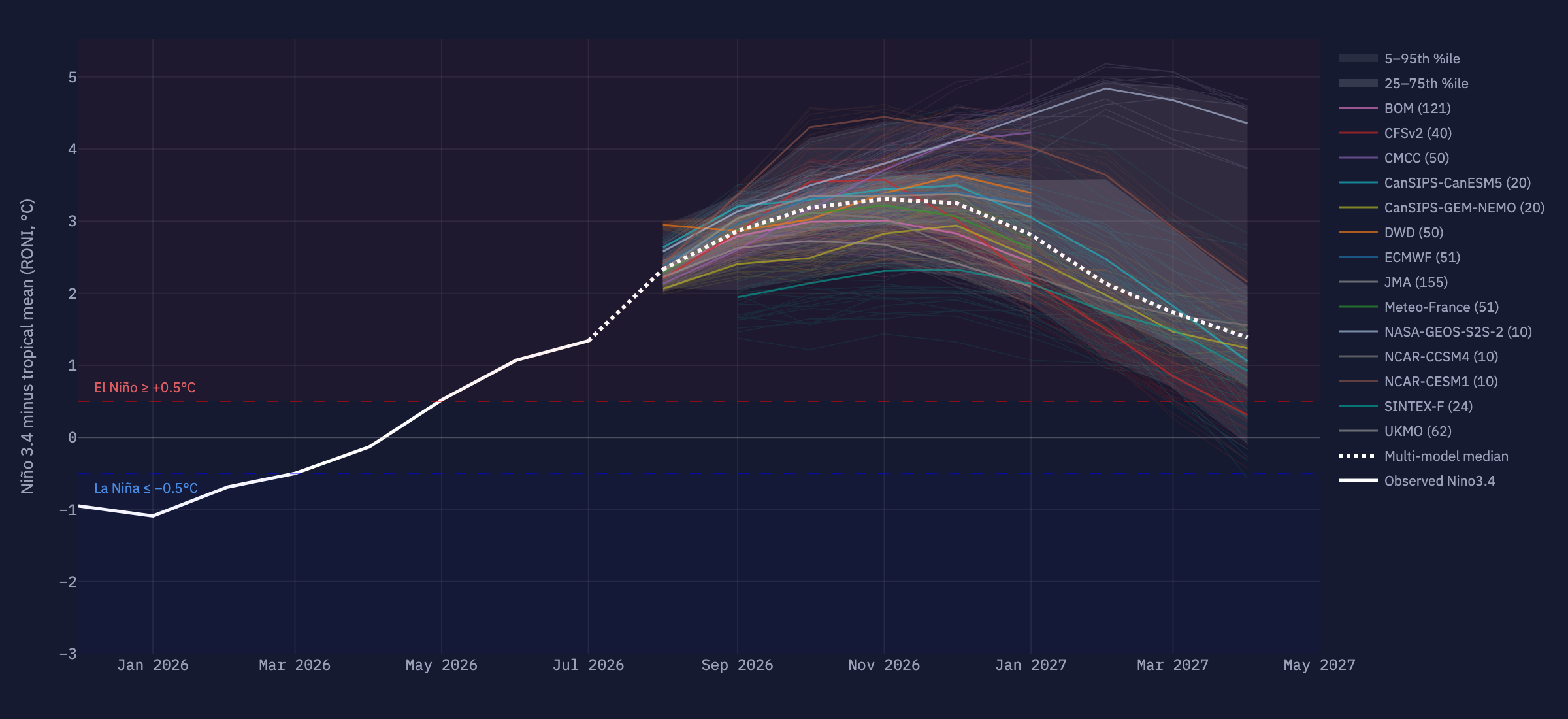
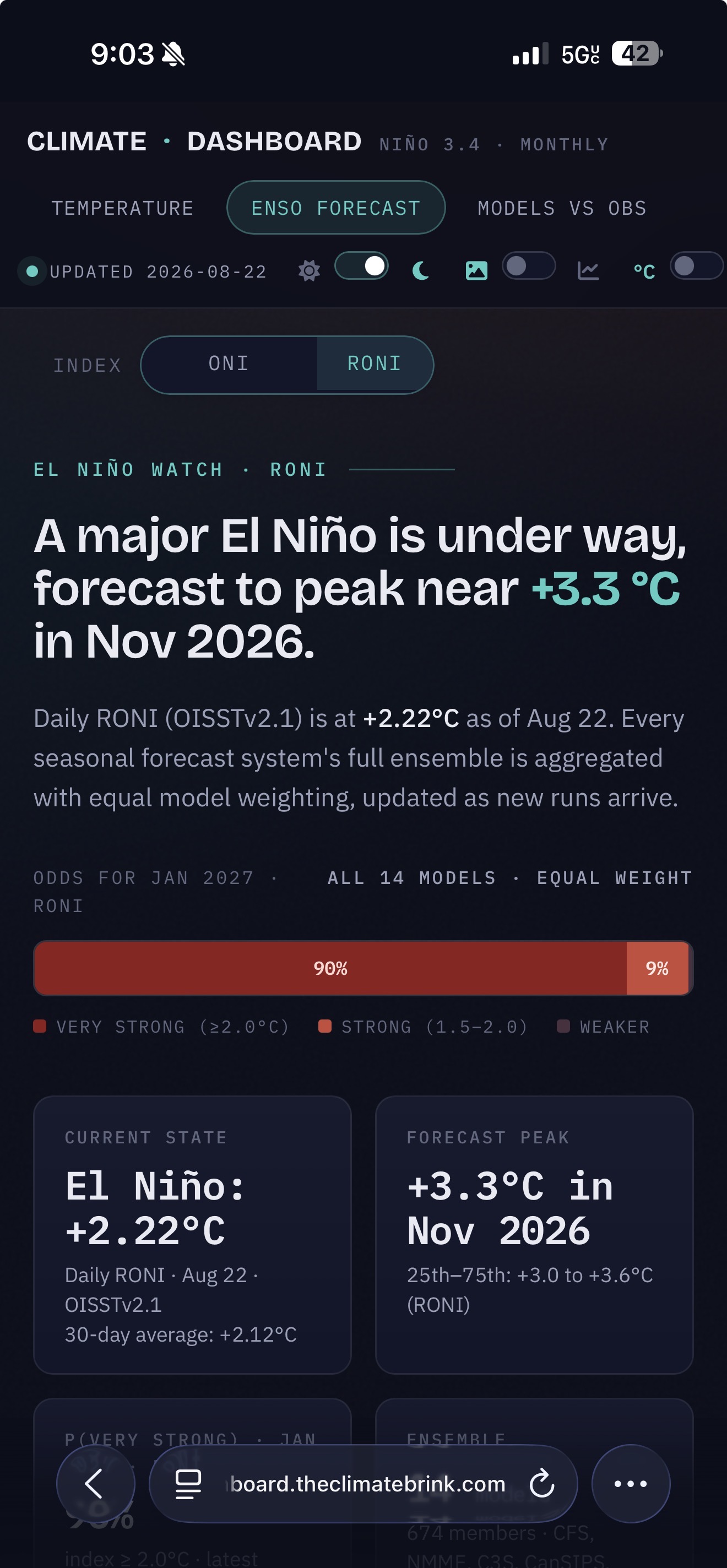
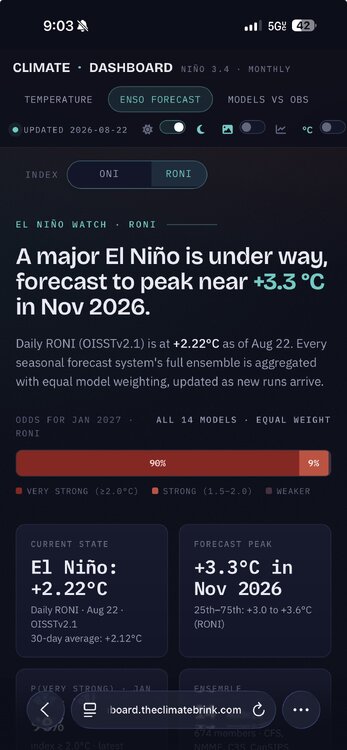
Climate dashboard is still going with a +3.3 RONI peak. This would be a daily peak and not trimonthly.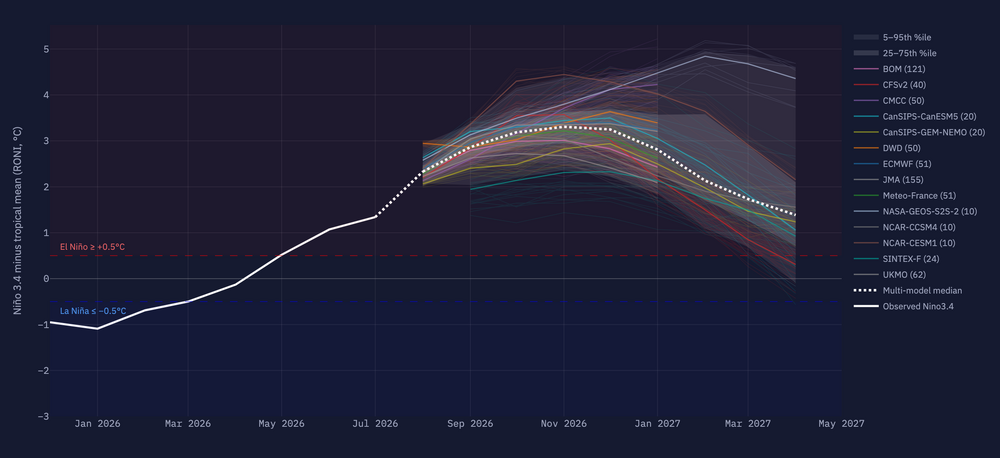
-
2026-2027 Record-breaking El Nino
LakePaste25 replied to Stormchaserchuck1's topic in Weather Forecasting and Discussion
Mid latitudes in the northern hemisphere, that is. It is coupling fine in the southern hemisphere. -
super el nino banter thread
LakePaste25 replied to forkyfork's topic in Weather Forecasting and Discussion
^ good place to grow Alfalfa while giving the farmers free water lmao -
super el nino banter thread
LakePaste25 replied to forkyfork's topic in Weather Forecasting and Discussion
yup, the budget for the insurance company I work for got wiped out from Helene. they were over leveraged there because that was supposed to be a “climate change haven.” -
2026-2027 Record-breaking El Nino
LakePaste25 replied to Stormchaserchuck1's topic in Weather Forecasting and Discussion
W Pac has really been cooling down.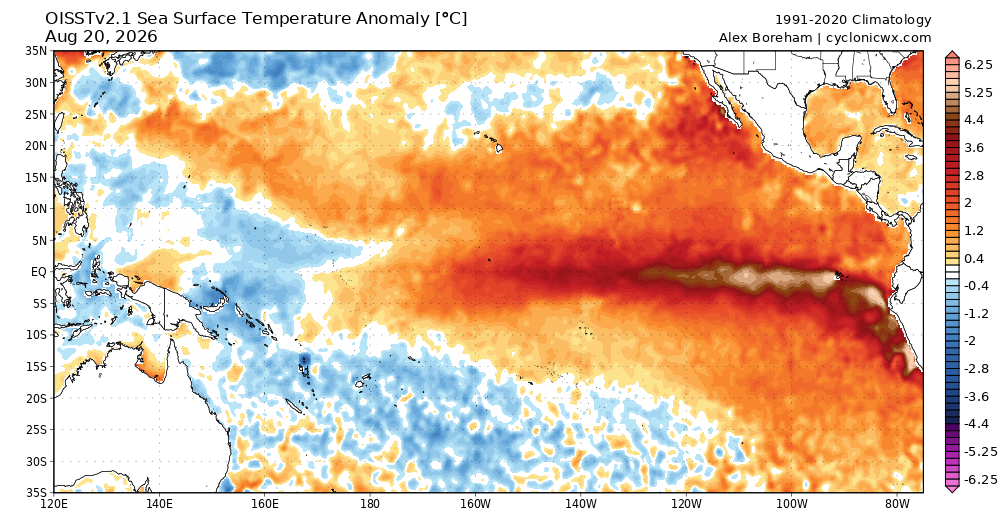
-
2026-2027 Record-breaking El Nino
LakePaste25 replied to Stormchaserchuck1's topic in Weather Forecasting and Discussion
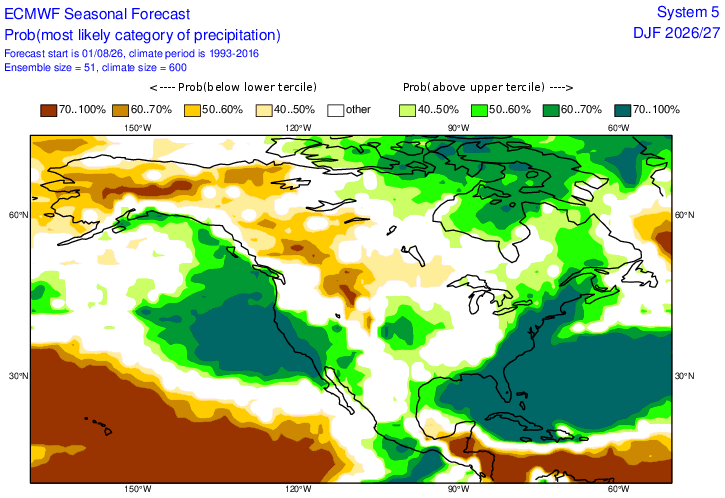
Are we really using recency bias for the CPC maps? This will be a +3C or higher Nino. 100% likelihood we see the typical super nino temp distribution regardless if the CPC was off the last winter. -
2026-2027 Record-breaking El Nino
LakePaste25 replied to Stormchaserchuck1's topic in Weather Forecasting and Discussion
It already feels like we’re heading that direction on a very small scale. The weak La Nina’s we had the last 2 years have exhibited extended Modoki-like patterns at least prior to February. -
2026-2027 Record-breaking El Nino
LakePaste25 replied to Stormchaserchuck1's topic in Weather Forecasting and Discussion
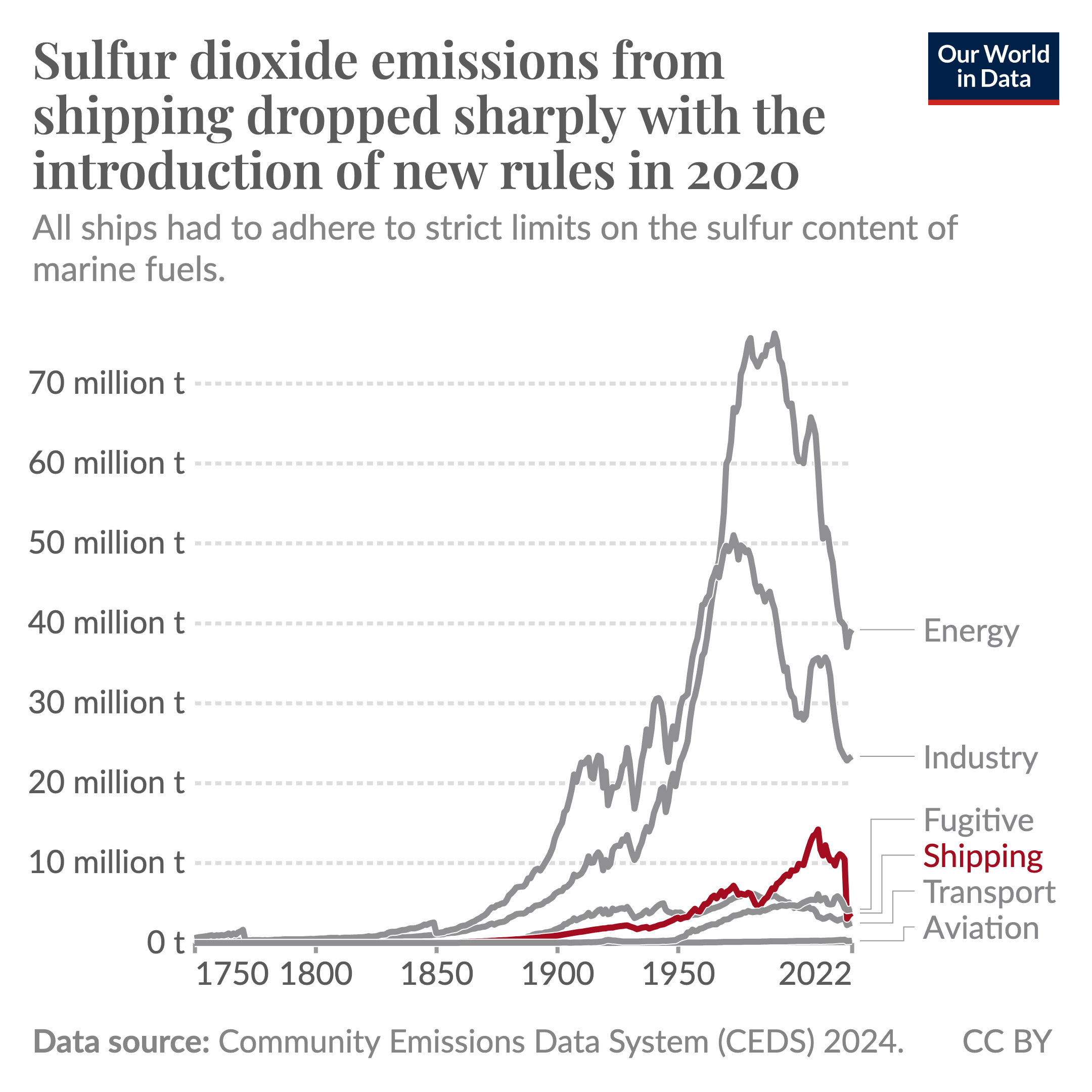
yeah mid 20th century lull came from sulfur which blocks solar radiation.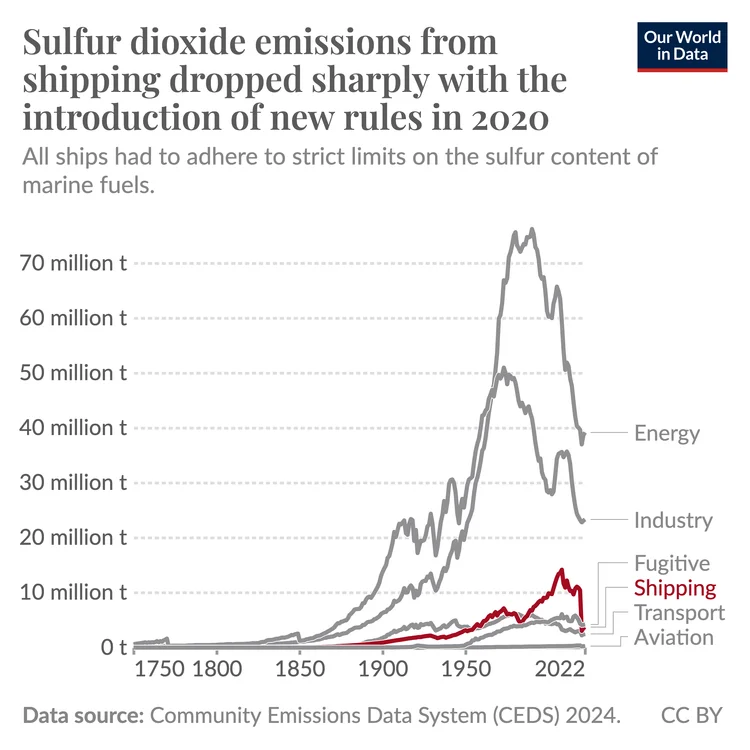
-
2026-2027 Record-breaking El Nino
LakePaste25 replied to Stormchaserchuck1's topic in Weather Forecasting and Discussion
Preliminarily this is where I’m leaning (locally): December +7 to +10 January +5 to +8 February -1 to +2 I will revise this later on. This is for the lower Great Lakes (Erie, Cleveland, Buffalo, Rochester). Of the 3 months, there’s little chance I’ll revise December. Might even go higher. -
2026-2027 Record-breaking El Nino
LakePaste25 replied to Stormchaserchuck1's topic in Weather Forecasting and Discussion
that’s why super ninos all have below normal snow here. Every month is usually greater than +3. No room for week+ long lake snow blitz’s to save the season. -
2026-2027 Record-breaking El Nino
LakePaste25 replied to Stormchaserchuck1's topic in Weather Forecasting and Discussion
Here as well, at least on a daily basis. +3 or +4 in the monthly is probably the upper limit here where I can get a week of big lake snows while the rest of the month is a torch. Higher than +4, we’re getting into “the whole month is shot outside of a some minor/medium snowfalls” territory. -
2026-2027 Record-breaking El Nino
LakePaste25 replied to Stormchaserchuck1's topic in Weather Forecasting and Discussion
Carryover Ninos/ENSO neutral are usually a gold mine for E US winters. Another reason I want this El Niño to be as strong as possible. -
2026-2027 Record-breaking El Nino
LakePaste25 replied to Stormchaserchuck1's topic in Weather Forecasting and Discussion
It worked in 09-10 but that’s because there was a TPV anchored near James Bay that could phase with these pacific systems. Without that, we’re just relying on dynamic cooling which tends to only favor snow for the mountains. Pacific jet is also usually too strong to allow a TPV to anchor up there. -
2026-2027 Record-breaking El Nino
LakePaste25 replied to Stormchaserchuck1's topic in Weather Forecasting and Discussion
I’m similar. While i enjoy snow the most, I do like a good great lakes cutter bomb with high winds. I also enjoy severe storms in the summer. -
2026-2027 Record-breaking El Nino
LakePaste25 replied to Stormchaserchuck1's topic in Weather Forecasting and Discussion
-
2026-2027 Record-breaking El Nino
LakePaste25 replied to Stormchaserchuck1's topic in Weather Forecasting and Discussion
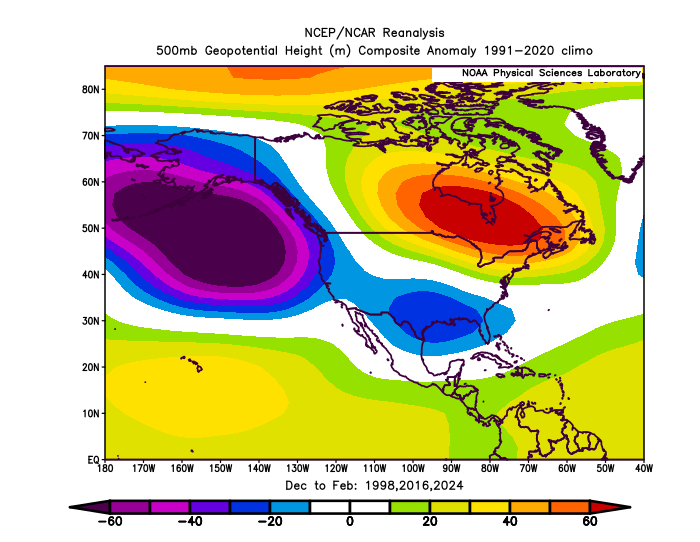
The main difference with 77-78 and modern El Niño events, is that the 77-78 warmth was confined to the upper midwest. Departures in NYC, DC, and Boston were not that impressive. In fact, NYC in Jan 1878 had a mean temperature below 30 degrees. Modern El Niño events, the upper midwest ridge is not only displaced eastward, but it’s likely more expansive, so places like NYC see major positive departures such as what occurred in December 2015.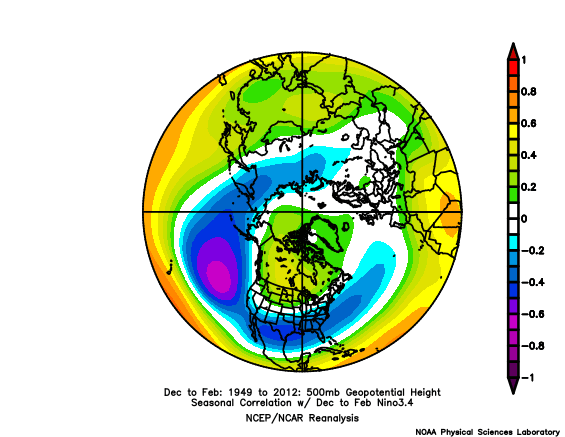
-
super el nino banter thread
LakePaste25 replied to forkyfork's topic in Weather Forecasting and Discussion
if i play the lottery more often, i have a higher chance of winning