All Activity
- Past hour
-
BWI: 0.3” DCA: 0.3” IAD: 0.7” RIC: 0.1” SBY: 0.2” Precip won’t be the issue, timing it with cold will.
-
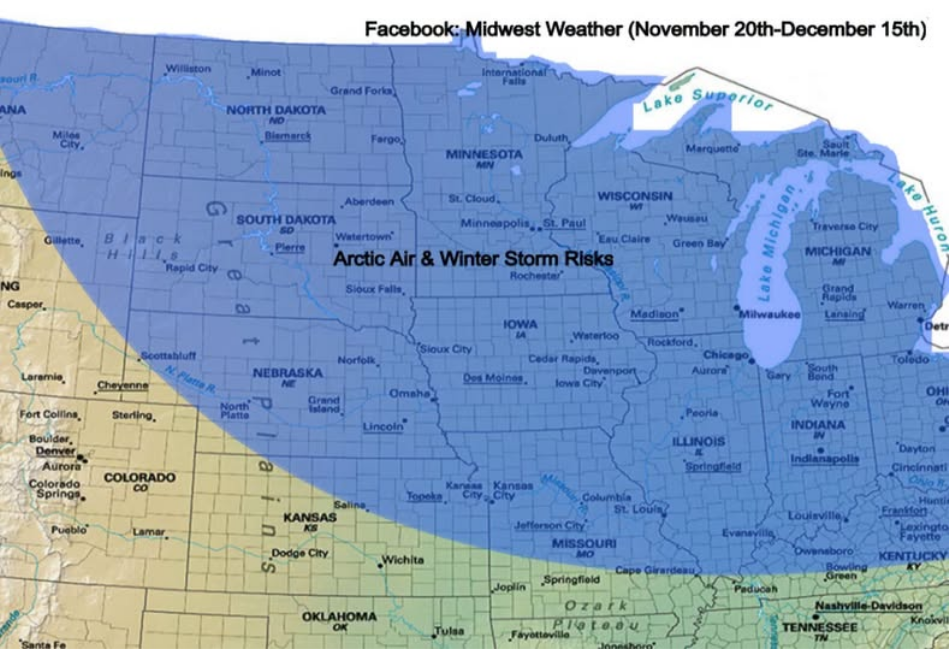
No way... you're telling me there could be cold air or even snow sometime in the winter in the midwest? what a bold call!
-
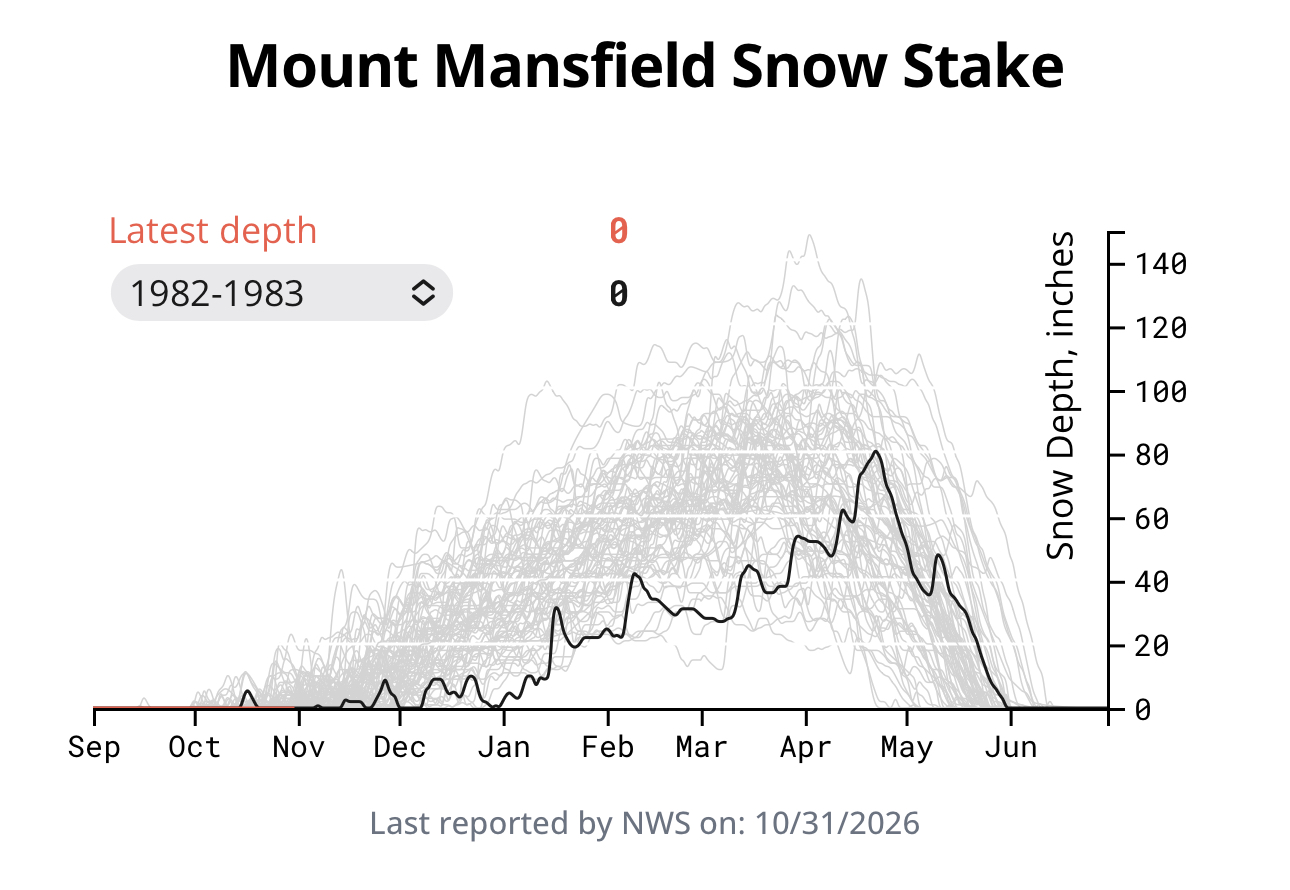
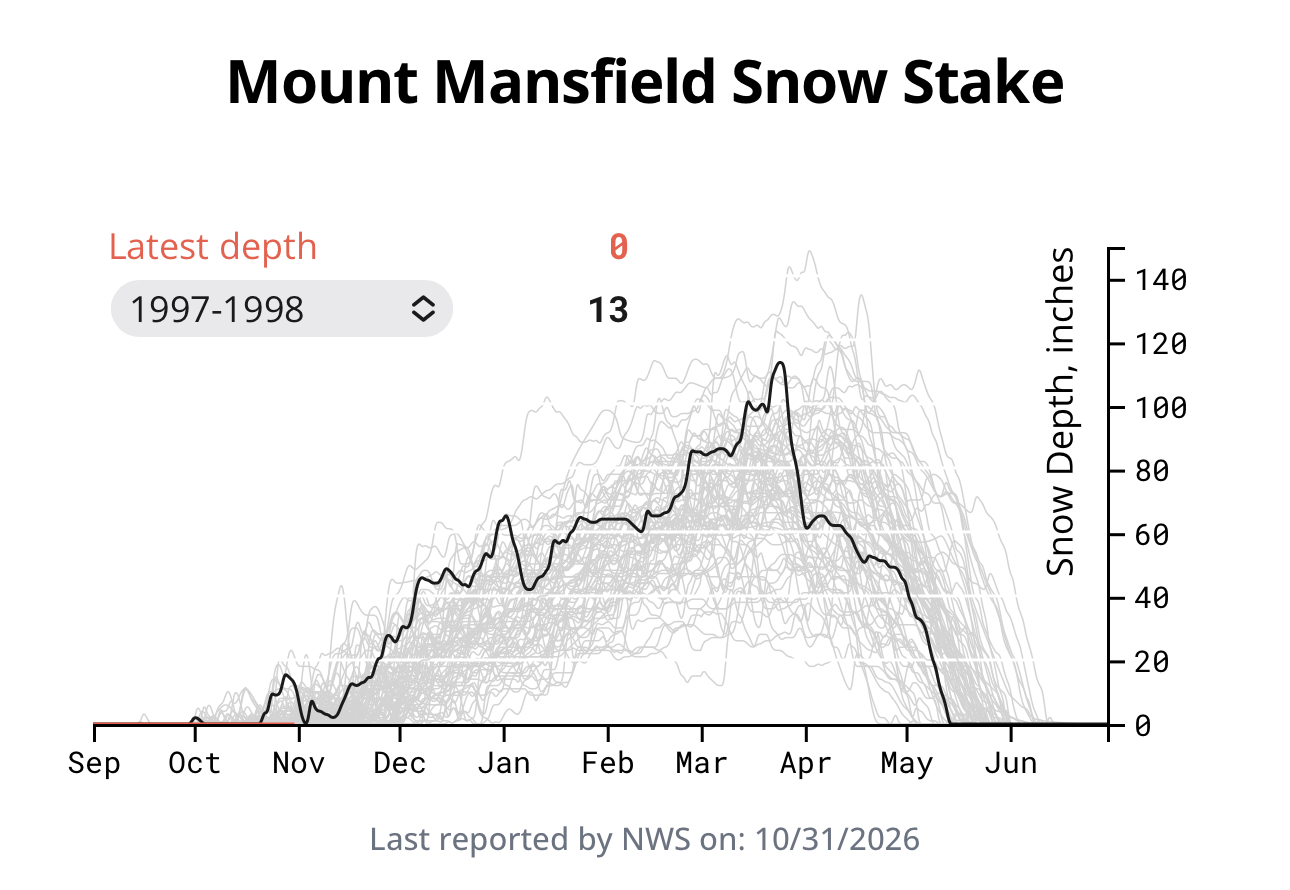
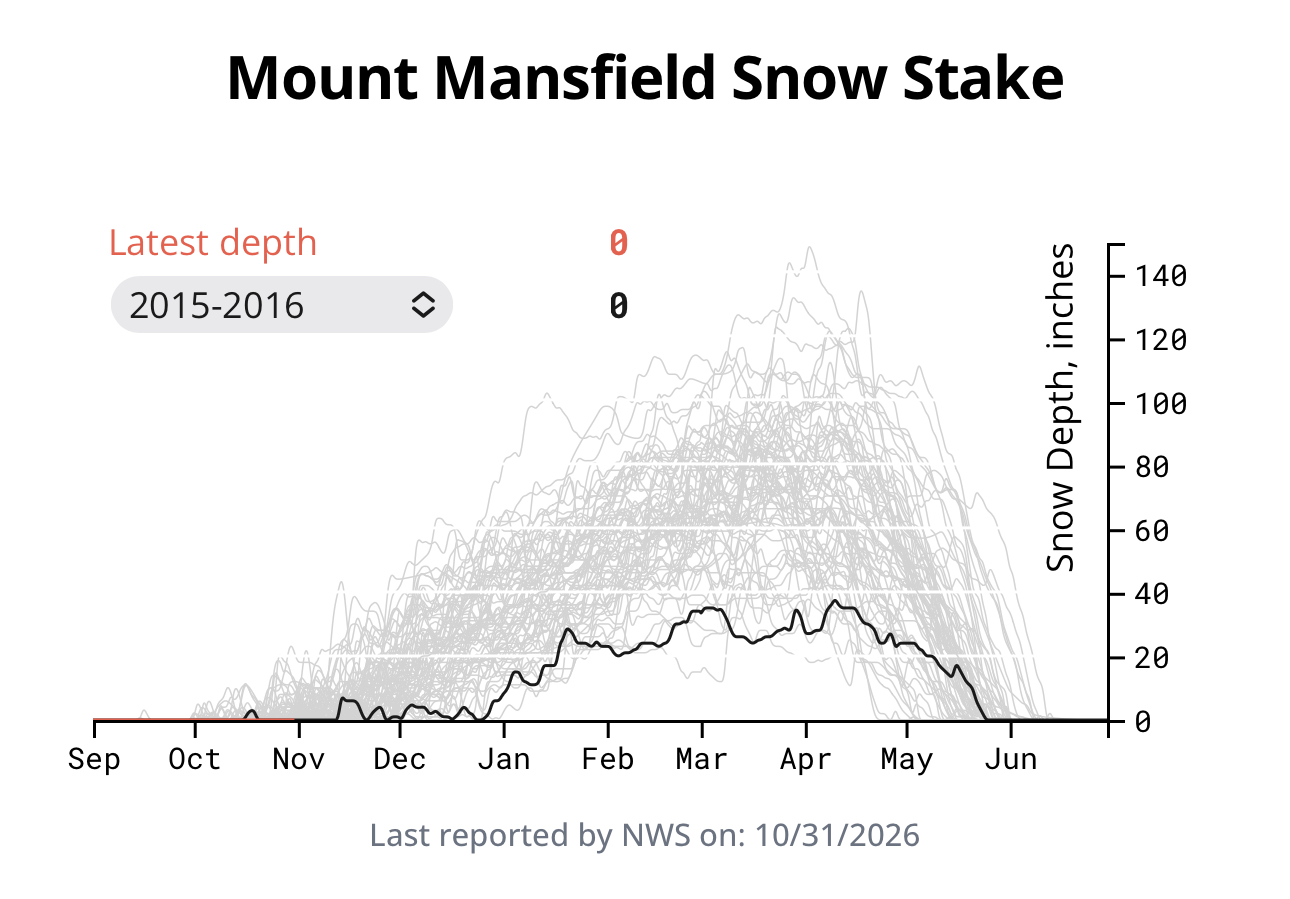
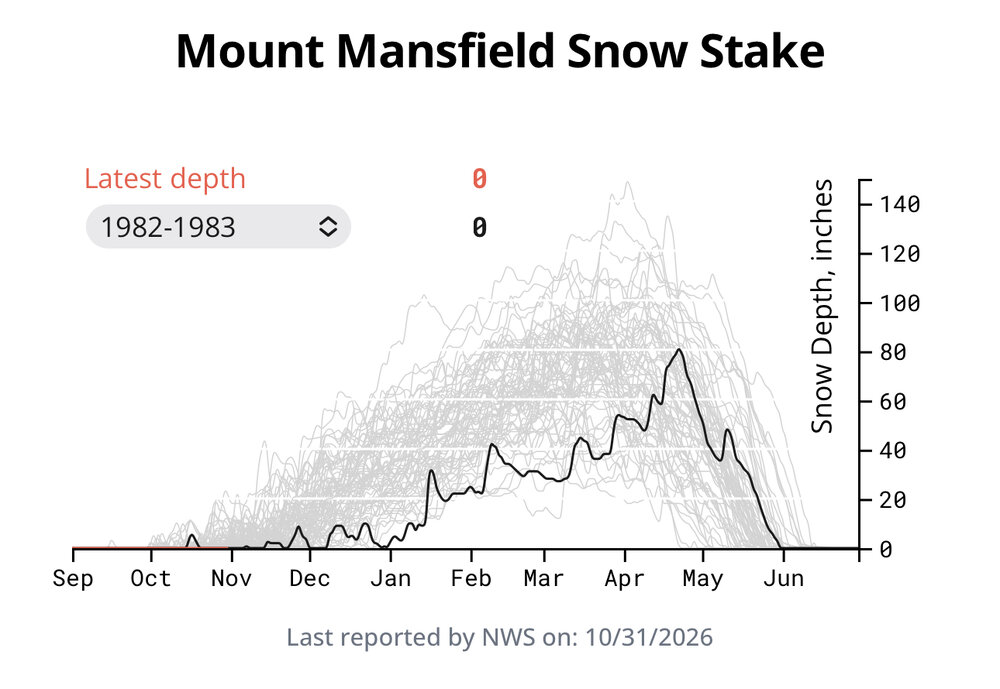
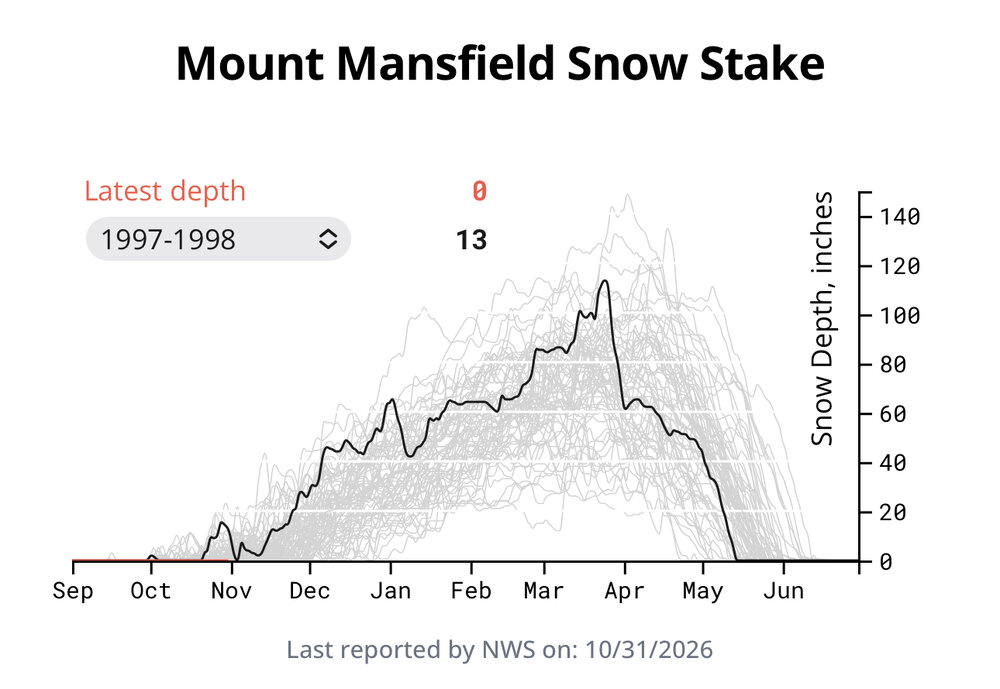
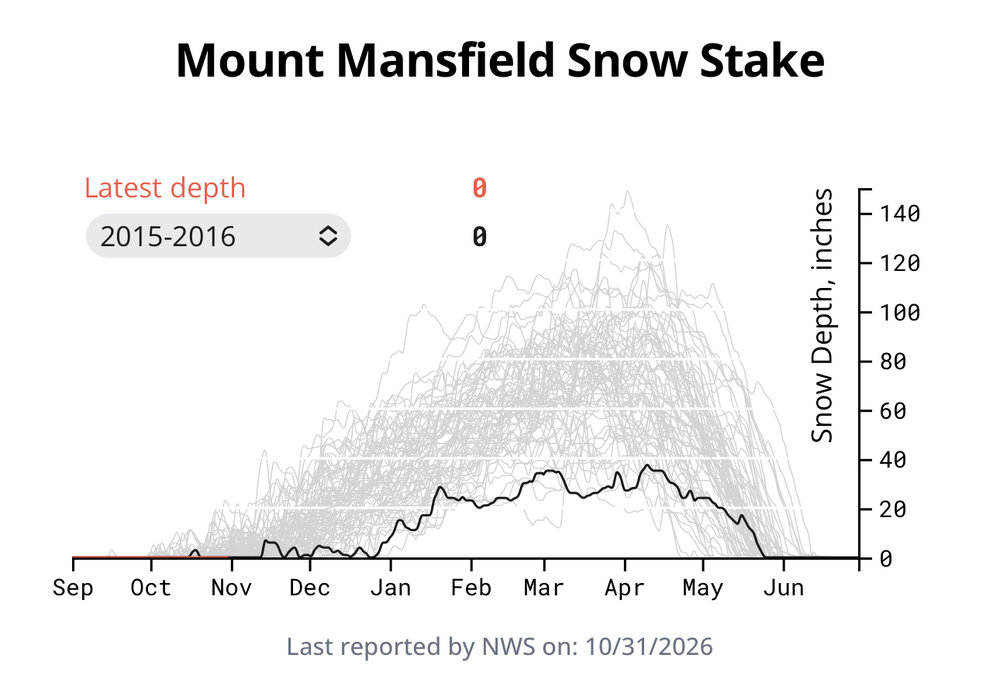
Snowfall and depth not great, though 1997-98 was ok at the summit. Numerous events were just cold enough for elevation snows. It was not good down low. 15-16, disaster, 82-83 disaster.
-
 antibiotics: buy zithromax antibiotic - antibiotics
-
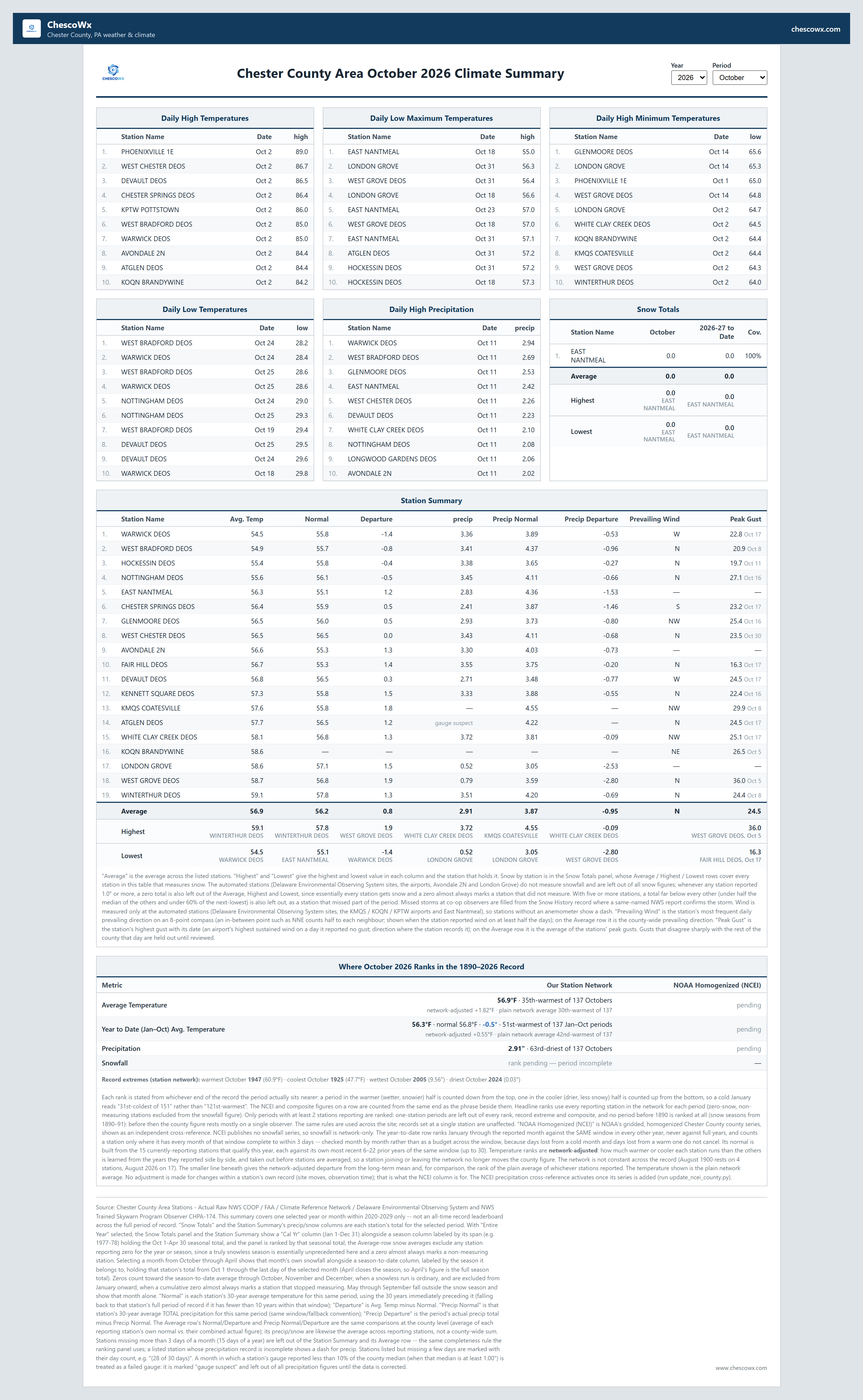
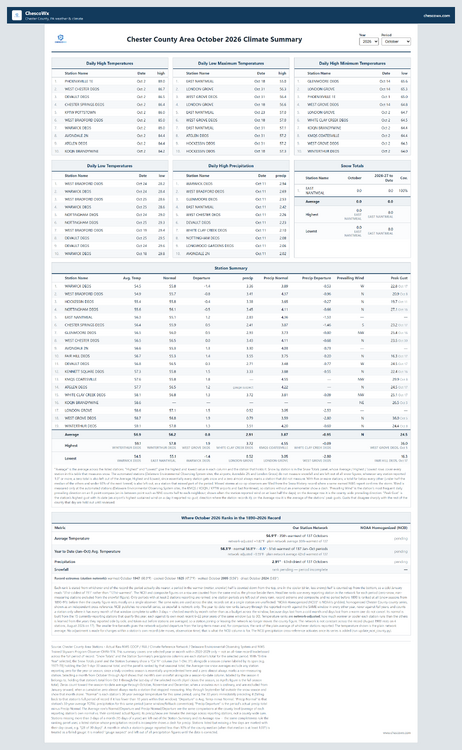
October Climate Summary - Chester County Area. See details and overall rankings since 1890 below. We were slightly warmer than normal +0.8 and about average regarding precipitation. Through the 1st 10 months of the year we are running at 0.5 degrees below normal temperatures.
-

E PA/NJ/DE Autumn 2026 Obs/Discussion
ChescoWx replied to PhiEaglesfan712's topic in Philadelphia Region
October Climate Summary - Chester County Area. See details and overall rankings since 1890 below. We were slightly warmer than normal +0.8 and about average regarding precipitation. Through the 1st 10 months of the year we are running at 0.5 degrees below normal temperatures.
-
Balmy morning with humidity out there!! at 11am I am 60 degrees!
-
You wonder if it ever opens or is shut wire to wire ?Certainly a possibility management is discussing
-
Snowfall/depth
-
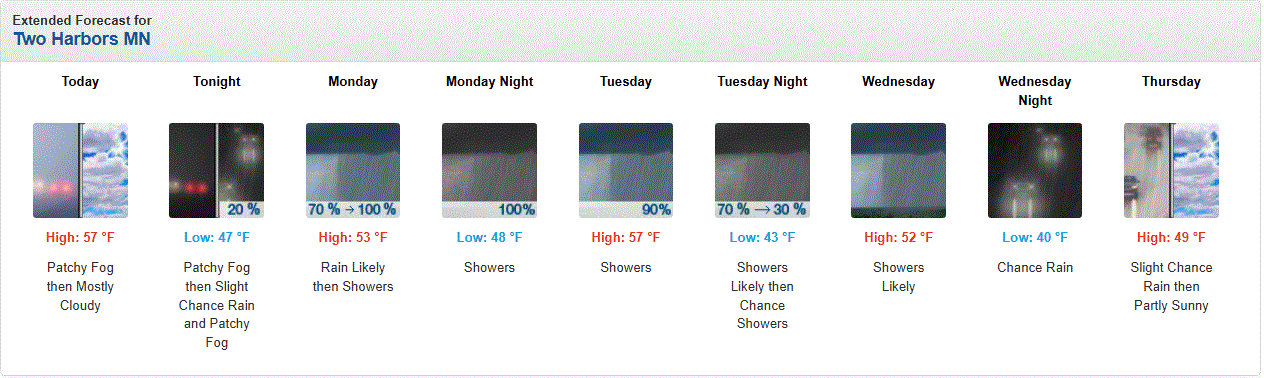
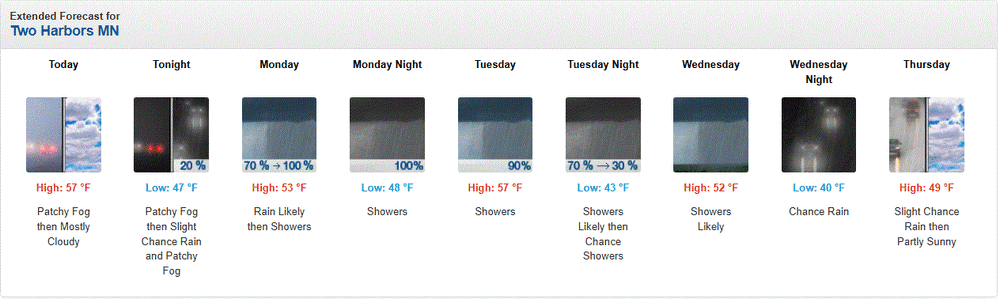
Mild n wet for the start of Nov. Foggy with light rain currently, and plenty more on tap. Good to see.
-
In terms of snow depth or temps?
-
Days and days above freezing up here

-
Waiting on the October number
-
60s and 70s into mid nov on the gfs
-
Do you know offhand what the Mansfield super Nino climo is?
-
DLH Oct mean of 49.5 tied 9th warmest of 92 unique temps. Midpoint temp is 44.6. PWS near old wx bureau site in downtown DLH recorded 51.3. Precip of 1.90" was tied 80th wettest (tied 56th driest). Midpoint amount is 2.29". TH co-op Oct mean of 49.8 tied 12th warmest of 73 unique temps. Midpoint temp is 46.4. Precip of 2.16" was 61st wettest of 121 unique amounts. Midpoint amount is 2.16". Old wx bureau-PWS/DLH arpt mean temps 10/48 48.1/45.2 10/49 47.1/45.2 10/50 46.5/45.8 10/51 41.9/42.0 10/52 39.8/38.7 10/53 49.8/50.3 10/54 42.2/41.7 10/55 45.2/45.1 10/56 48.8/49.3 10/57 43.9/43.2 10/58 45.3/45.2 **** 10/23 47.4/45.6 10/24 52.0/50.1 * 10/26 51.3/49.5
-
Yeah, I’m not either but like you’ve seen, we can fall behind pretty fast and if the bread and butter snows are off, it’s very hard to make it up synoptically. We can’t have Canada be mild and advent in moderated air masses after each low or front. The cold is really the wildcard. And one or two off events just don’t cut it. If two weeks of every month is sort of moderate, it’s enough to keep every month below average snow.
-

13th Annual Mid-Atlantic Snowfall Contest
NorthArlington101 replied to RodneyS's topic in Mid Atlantic
Leaning negative but I'll give myself plenty of time to change my mind. Assuming we get a more classic N/W storm in there and sneak in a relatively minor suppression mix, but otherwise we're mostly rain for the big storms. BWI: 4.3” DCA: 1.5” IAD: 7.1” RIC: 3.2” SBY: 1.4" -
BWI: 1.7" DCA: 0.8" IAD: 4.4" RIC: 0.2" SBY: T Will be happy to be wrong.. or completely adjust this in a few weeks.
-
http://antibiofastdirect.com/# get antibiotics quickly
-
November can be explosive too, but we need to get a big push of cold to produce. Expectations are in check for sure. Unlike SNE, the daily stuff seems to be the bread and butter rather than siggy events so we can't afford weeks of nothing. If our cold source is under a Chinook this winter we're cooked. Literally lol. I'm just not convinced yet that we fully blowtorch.
- Today
-
-
‘15-‘16 but without the ‘16
-
Highs: EWR: 85 (1950) NYC: 84 (1950) LGA: 83 (1950) JFK: 77 (1982) Lows: EWR: 31 (1954) NYC: 30 (1885) LGA: 37 (1976) JFK: 36 (1983) Historical: 1846: 87 pioneers were trapped by early snows in the Sierra Nevada that piled up to 5 feet deep with 30 to 40 foot drifts. Only 47 survivors lived to tell of the 'Donner Pass Tragedy'. (Ref. Wilson Wx. History) 1848: When Joseph Henry came to the Smithsonian, one of his priorities was to set up a meteorological program. In 1847, while outlining his plan for the new institution, Henry called for "a system of extended meteorological observations for solving American storms." On November 1st, 1848, Joseph Henry and Navy meteorologist James Espy wrote a letter urging anyone interested in becoming a weather observer to signify their willingness to do so. By 1849, he had budgeted $1,000 for the Smithsonian meteorological project and established a network of some 150 volunteer weather observers. A decade later, the project had more than 600 volunteer observers, including people in Canada, Mexico, Latin America, and the Caribbean. Its cost in 1860 was $4,400, or thirty percent of the Smithsonian's research and publication budget. 1861 - A hurricane near Cape Hatteras, NC, battered a Union fleet of ships attacking Carolina ports, and produced high tides and high winds in New York State and New England. (David Ludlum) 1870: United States Army Signal Corps observers at 24 sites around the country simultaneously made weather reports and transmitted them to Washington, where a national weather map would be drawn. These simultaneous reports also started the process of sending out weather reports by telegraph to metropolitan newspapers. This would be the beginning of our present-day National Weather Service. 1950: The highest temperature ever recorded in Richmond, VA in November was 86 °F that occurred on three dates. Two of these dates on November 1st in 1950 and 1974. (Ref. Richmond Weather Records KRIC ) Strong high pressure across the southeast ridged from the southern Plains to the Great Lakes and East Coast bringing record highs. Locations reporting all-time November record highs included: Baltimore, MD: 86°, Newark, NJ 85 ; Philadelphia, PA: 84°, New York (Central Park), NY: 84°, Allentown, PA: 81°. Other daily record highs included: Richmond, VA: 86°, Charleston, SC: 85°, Norfolk, VA: 85°, Washington, DC: 85°, Wilmington, DE: 85°, Charlotte, NC: 84°, Asheville, NC: 83°, Lynchburg, VA: 83°, Roanoke, VA: 83°, Chicago, IL: 81°, Atlanta, GA: 81°, Pittsburgh, PA: 80°, Dayton, OH: 79°, Bristol, TN: 79°, -Tied, Elkins, WV: 77°-Tied, Buffalo, NY: 76°. (Ref. Wilson Wx. History) 1966 - Santa Anna winds fanned fires, and brought record November heat to parts of coastal California. November records included 86 degrees at San Francisco, 97 degrees at San Diego, and 101 degrees at the International airport in Los Angeles. Fires claimed the lives of at least sixteen firefighters. (The Weather Channel) 1968 - A tornado touched down west of Winslow, AZ, but did little damage in an uninhabited area. (The Weather Channel) 1974: The highest temperature ever recorded in Richmond, VA in November was 86 °F that occurred on three dates. Two of these dates on November 1st in 1974 and 1950. (Ref. Richmond Weather Records KRIC ) 1982: This date began a five day heat wave across much of the east as high pressure anchored off the Carolina coast bringing a south to southwesterly flow. Record highs for the date included: Corpus Christi, TX: 88°-Tied, Meridian, MS: 86°, Sterling (Dulles Airport), VA: 84°, Huntsville, AL: 83°-Tied, Cincinnati, OH: 80°, Wallops Island, VA: 79°, New York (Kennedy Airport), NY: 77°, Milton, MA: 74°-Tied and Worcester, MA: 72°. (Ref. Wilson Wx. History) 1987 - Early morning thunderstorms in central Arizona produced hail an inch in diameter at Williams and Gila Bend, and drenched Payson with 1.86 inches of rain. Hannagan Meadows AZ, meanwhile, was blanketed with three inches of snow. Unseasonably warm weather prevailed across the Ohio Valley. Afternoon highs of 76 degrees at Beckley WV, 77 degrees at Bluefield WV, and 83 degrees at Lexington KY were records for the month of November. (Storm Data) (The National Weather Summary) 1988 - Low pressure brought gales and locally heavy rain to the northeastern U.S. The rainfall total of 1.46 inches at Newark NJ was a record for the date. New York City was soaked with more than two inches of rain. (The National Weather Summary) (Storm Data) 1989 - A strong cold front ushered snow and arctic air into the north central U.S. Snow whitened North Dakota and the Central High Plains Region. Up to five inches of snow blanketed Denver CO. Yellowstone Park WY was the cold spot in the nation with a morning low of 4 degrees below zero. (The National Weather Summary) (Storm Data) 1991: The great ocean storm that had battered the East Coast of the U.S. for the past 2 days underwent a remarkable transformation. Convection grew and wrapped tightly around the center and on satellite imagery an eye formed. An Air Force reckon plane found a rather small but intense circulation near 39.5N/66.5W with a central pressure of 981 millibars or 28.97 inches mercury and sustained winds of 75 mph. Just a couple of days before, the large extratropical cyclone which contained former Hurricane Grace created havoc along the east coast. This type of evolution from a large extratropical low pressure to a small hurricane is rare but not unprecedented. The storm was never named, but it was the basis for the book and movie “The Perfect Storm”. (Ref. Wilson Wx. History) (Ref. AccWeather Weather History) 1993: A series of low pressure areas associated with the deep upper level trough which had been responsible for the record cold across the southern and central U.S. Over the past few days dumped big early season snows over the Ohio Valley and the Northeast. 3-day totals included 19.5 inches at Ellenburg Depot, NY, 19 inches at Mount Mansfield, VT and Sabinsville, PA, and 18.5 inches at Stillwater Reservoir, NY. The 10.3 inches that fell at Mansfield, OH and 9 inches at Burlington, VT were the greatest snowfalls ever for so early in the season. (Ref. Wilson Wx. History) (Ref. AccWeather Weather History) 2000: As road crews cleared snow from highways in western North Dakota, at least 3 tornadoes touched down 125 miles away in Bismarck, ND. The F1 twisters struck without warning in the early afternoon damaging 42 homes. Tornado watches and winter storm warnings were in effect for some locations in the Dakotas at the same time on this unusual weather day. 31.9 inches of snow fell at Lead, SD to establish a new 1-day snowfall record for November. (Ref. Wilson Wx. History) heavy and persistent rains across the eastern half or the windward side of the "Big Island" of Hawaii dumped 27.24 inches of rain at the Hilo Airport in 24-hours, breaking the previous 24-hour rainfall record. (Ref. Wilson Wx. History) 2014: Interstate 40 has reopened along the Tennessee-North Carolina state line after being closed due to weather conditions earlier today. 22 inches of snow have been recorded at Mount LeConte, 15 at Newfound Gap and 12 in Hartford,TN in an early season snowstorm. A hiker has been seriously injured by a falling tree in the Greenbrier area of the Great Smoky Mountain National Park as a winter storm dumped heavy snow in the mountains. The park service said it would take some time to evacuate the "seriously injured" hiker due to weather conditions. (Ref.News Sentinel staff 7:23 AM, Nov 1, 2014) 2014: Up to 6 inches of snow fell in Gilbert, South Carolina.
-
are you the same guy that predicted we’d be walking around in shorts and T-shirts for Halloween? Or was that somebody else?