

radarman
-
Posts
14,575 -
Joined
-
Last visited
Content Type
Profiles
Blogs
Forums
American Weather
Media Demo
Store
Gallery
Posts posted by radarman
-
-
7 minutes ago, HoarfrostHubb said:
This is decent
plenty of time to tick tick tick back toward the usual Mitch jackpot
-
 4
4
-
-
Let me know the next big storm where a sucker hole wasn't showing up here. We sucker hole our way to mid 50s annually though. Just have to accept it.
-
Super premium soft cord on Competition at the Beast this morning. Get em on edge, way on edge.
-
2
-
-
15 hours ago, bch2014 said:
Ironically, never been to my childhood state U’s stadium (UMass).
You don't know what you're missing

-
Valley floor ponds in typically warmer spots are primo black ice right now. Get it before the snow flies tomorrow.
-
1
-
-
Might as well change the name now before selling hats and t shirts.
I'm gonna have to get rid of all my Squaw Valley gear, which is ample.
-
13 minutes ago, HIPPYVALLEY said:
I am always amazed at how less than an inch of snow can create disaster roads.
Was dumping fluffy cottonballs at Berkshire east. Nice little topping for the surfaces.
1.5" at the house in Btown.
And yeah... saw 4 accidents on the ride home.
-
1
-
-
12/25/02 was absolutely pounding white out snow on 128 until flipping to heavy rain somewhere near the stupid 93 intersection where you're going north south east and west at the same time.
-
1
-
 1
1
-
-
Fairly chilly day here. 26/16 OVC.
-
1
-
-
9 hours ago, radarman said:
Yeah I was gonna do my first examination of elevated, shallow ponds today. We're getting close.
Ice in Petersham was plenty safe. 4-5". Several skaters although the surfaces were partially snowcovered and a bit less than ideal. Some warm rain would help. Ice fishermen on some of the bigger ponds.
Gorgeous afternoon up at Stone Cow too.
-
47 minutes ago, HoarfrostHubb said:
I did see people ice fishing and playing pond hockey in Rutland and Spencer. That’s ballsy
Yeah I was gonna do my first examination of elevated, shallow ponds today. We're getting close.
-
Back half of a nina isn't generally promising for the MA, hopefully they can score an event or two here in the next few weeks. And climo is favorable enough locally to slowly build the icepack even with boring, slightly AN temps. Light winds too. Reason for cautious optimism from the models last night. Hounds may be starting to stir.
-
20 hours ago, GCWarrior said:
What a glorious winter that was! Freshmen year at UNH, massive piles of snow everywhere in Durham.
The best
-
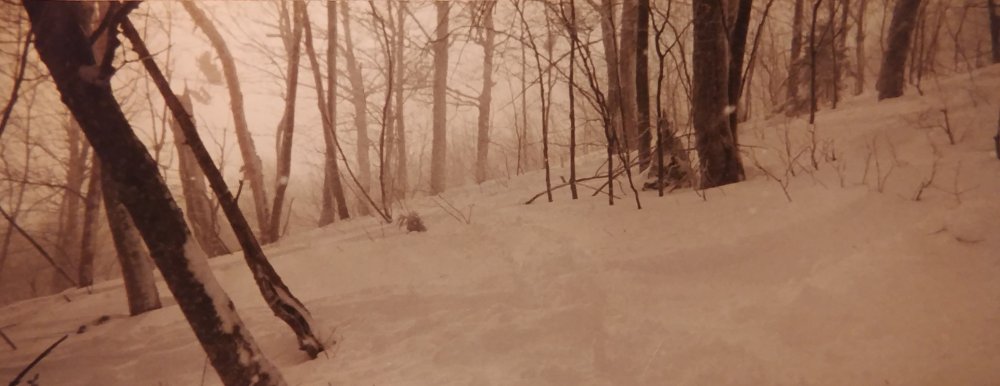
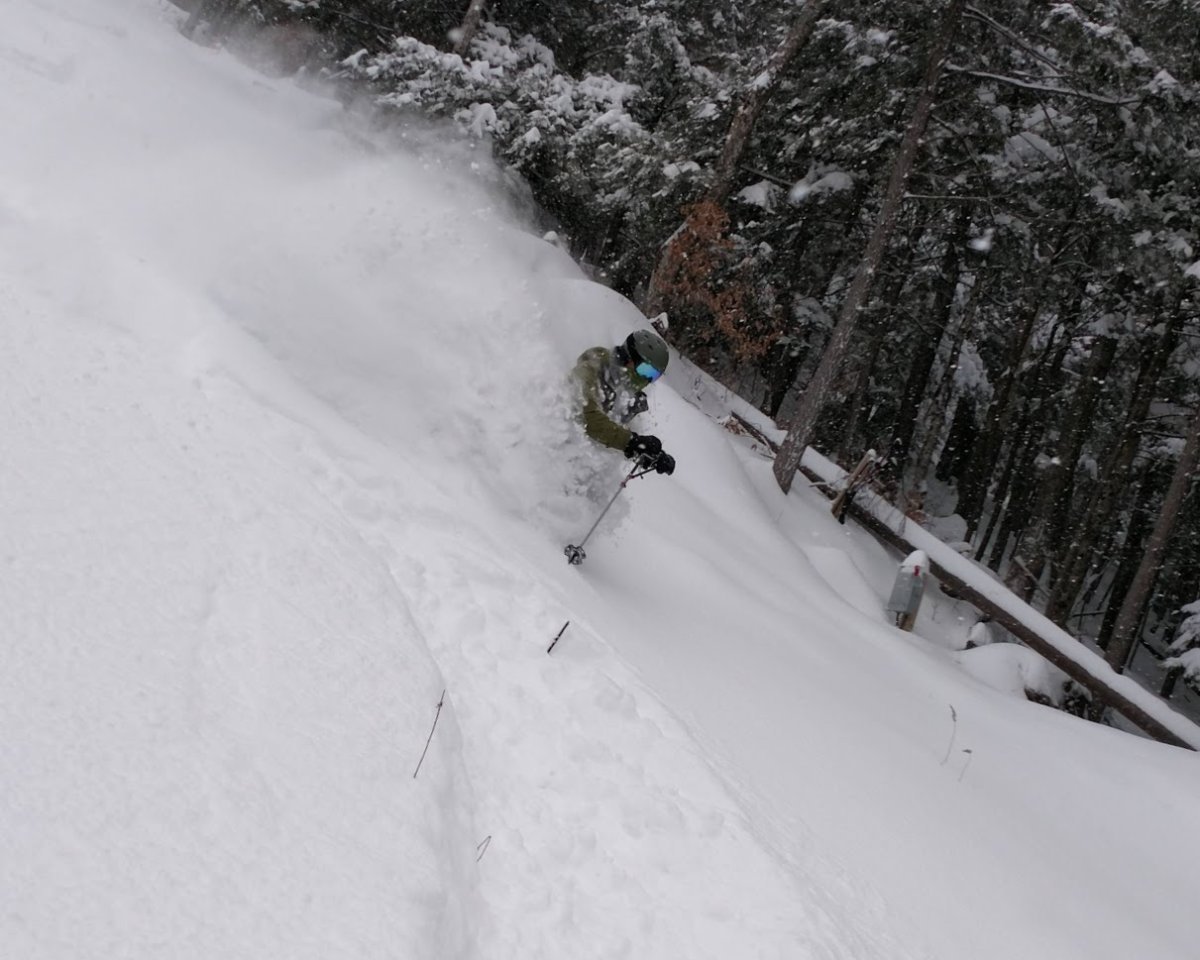
Took this pic 20 years ago. 18-24" fresh on 12/31/00 @ Stratton on a disposable panoramic camera. Hell of a way to close out the millenium.
-
3
-
-
19 hours ago, MJO812 said:
Wow the west will be a winter wonderland with the roaring jet

JanuBURIED part deux?
-
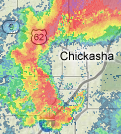
I posted this in the New England thread, but let me show an example of what I'm talking about above...
https://emmy7.casa.umass.edu/umaxx/nexrad.html
This is just BOX and ENX data and granted I am not generating large composites or all the dual pol products, but from a pure browser speed perspective, note the difference between generating/overlaying full PPIs vs tiling on the weather service page. You don't have to have 'map move' event listeners, nor handle tons of tiling queries.
-
2
-
-
Color maps and user interface aside, the biggest single issue is that the tiling service is slow af. And the thing about it is for single radar stuff, there is almost no reason you need to have a tiling service these days. Modern browsers, normal connection speeds ( even on mobile), do just fine handling the full images overlaid on a map. The single quickest way to get the popcorn gallery to simmer down at least a little bit would be to toss that and just generate the full radar images.
-
December 2011 might have been pretty awful up there, I don't really recall however. Was certainly awful down here. Maybe they scored some upslope or something.
edit- Dec 2015 too maybe?
-
On 12/22/2020 at 8:59 AM, PowderBeard said:
Right? They haven't even opened the Flyer or any woods this year. MRG has only had the Practice Slope open. No Castlerock at Sugarbush or Madonna at Smuggs. When is the last time that happened in a December? Wildcat is essentially one way down from the summit. They all typically get close to 100% open for a weekend or two before a melt-down at the end of the month.
Not sure if it's happened since, but definitely was the case in Dec 06. And really nothing changed until Mid Jan, just got worse in fact.
-
FWIW, I'm seeing some friends post pics of Ragged today, and it looks absolutely spectacular. That may be the place to be right now. There or Magic.

-
21 minutes ago, PowderBeard said:
Got it, thanks.
Did you get to Catamount? Kind of curious about those new trails. I remember Off Stage being a pretty fun little bump run to finish off your legs.
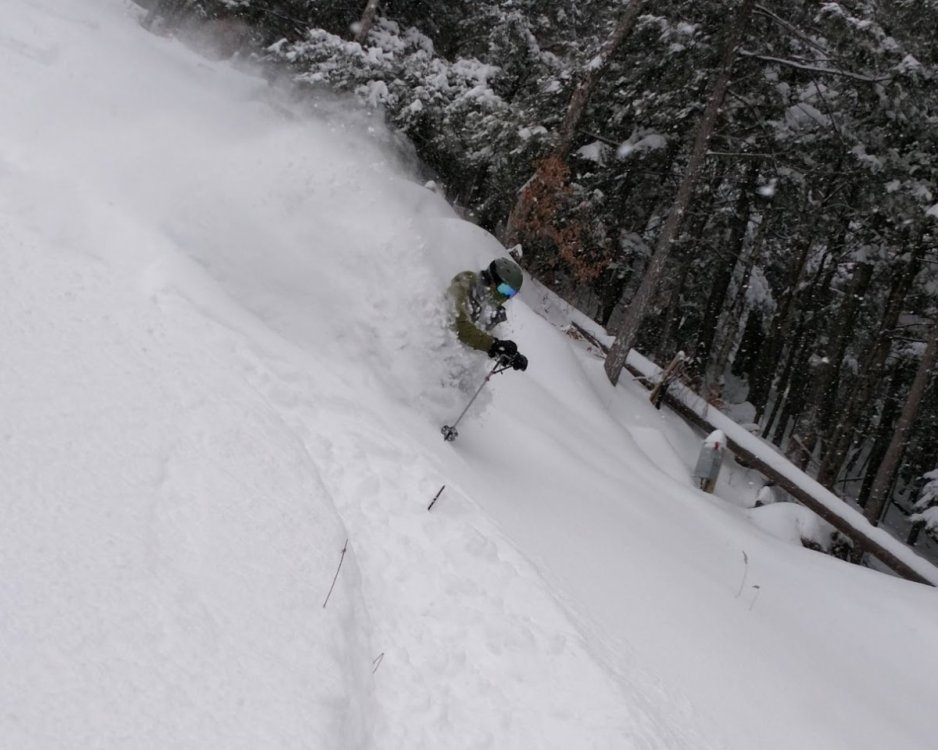
Reminded me of these. I was probably 12 in these pics, was after a 2-3' dump in the early 2000s. Some amazing memories with @MBRI
Off Stage

In the process of sliding 100' down Catapult and ending at the old fence that was at the top of Catamount Chair.

LOL nice
Catamount is known to be a little stricter about sign enforcement, although TBD I guess with the new general manager. And with not much officially open, we decided to pass. We'll definitely head on over there later winter. The new trails are straight down the fall line, maybe the steepest cut trails in MA. Just needs snow.
-
10 minutes ago, PowderBeard said:
Is this the back past the zip lines? Did that once before. Was unaware of the walk back down E and East Hawley Rds.
The big zip lines are a little further ahead in that picture, but yes. It's actually the Roundabout trail. The woods on the right are all pretty darn good, but as you mention you have to walk/ski down the road to where you can cut back into the resort. Later in the winter when there are some old snowbanks from plowing you can pretty often find a ski track on top to keep sliding rather than hoof it.
-
Berkshire East was very busy, so we decided to forego the lift and skin up the Wilderness side , which was quiet and beautiful. Perfect temps, no wind and light snow. But afterward we rode the lift a few times and found that the handful of groomers were chalky PP and really super good, somewhat to our surprise.

-
3
-
-
Some things never change
-
7
-


Watching closely .. February 1-3rd for moderate to major coastal event
in New England
Posted
I can see you all now crying in your beer with 7.5" when you were expecting a foot while we're fist bumping when an advy verifies. It's all upside.