SnowenOutThere
-
Posts
5,776 -
Joined
-
Last visited
Content Type
Profiles
Blogs
Forums
American Weather
Media Demo
Store
Gallery
Everything posted by SnowenOutThere
-
Guess it makes sense that if you keep increasing poleward heat fluxes you'll start to mess with the polar vortex more. No clue how that plays onto the rest of winter but I'll ask my climatology professor about it tomorrow.
-
Are people unable to take their "heads out of their own arse" to blame when our society tells us to enjoy the smell of our shit? I have the upmost respect for you as both a winter weather posters and someone who doesn't back down when some posters poke the climate change conversation. But, anyone on "our" side who sees the conservative base as the enemies are looking through distorted glass as well. To place blame at the feet of those who bought into what our society tells them is taking the easy way out at best and malpractice at worst. We are all trying to make our one go around the sun worth it, nobody believes themselves to be using their one life to hurt others - but when our system is based on ruthless competition and a fight over every resource we all will wind up hurting someone for something we don't need. To reemphasize my point, to do so is not stupidity or a deliberative attempt to hurt one another but to go along with the natural forces that act upon us both sociologically and psychologically. A quote sums up my thoughts perfectly here: "I don't know why you did what you did. But it's hard to be mad when you're just as stuck as I am" My response to the claim of "there are too many stupid people who will always be easy to manipulate by powerful people with nefarious motives" is that we've (the left) won before. All the positive parts of the world we inhabit is because someone, somewhere in the past, cared and burnt their present to create the future we now hold. To reject the notion that change can come is to embrace the same song that those on the right sing, albeit with a different and arguably sadder melody. I don't know what the answer is. Frankly, if I get to live to your age I might agree with you, but I have to believe you are wrong. The most radical thing any person can do is to have empathy for one another, no matter how much "they" fight you. I know what I say is idealistic, that it is an opinion that will get me hurt, one that will leave me disappointed time and time again, and one that may never come true in my lifetime. However, the people believed, perhaps delusionally, that we deserve better than what we are told is possible have won before, and they will win again. Don't surrender to the ease of giving up hope in your fellow humans; that is exactly what those in power want the most.
-
Not sure how applicable this sample is considering it uses 26 different el nino winters. Besides, I'm always skeptical of anything posted to social media which puts the highest above average snowfall along the most populous stretches of the northeast.
-
Thank you, I try to share what I learn in my courses with the forum to pass it forward. Also, it's nice that you're learning all that stuff. If you ever have questions about the global climate response piece I can help you with that (carbon cycle wise I've lost most of that knowledge post AP environmental science in Junior year). While learning the concepts might not (but hopefully does) feel interesting they lay the groundwork for understanding the atmosphere as a dynamic system. I don't know what you plan to major in (you have a lot of years to figure that out, if you want to go to college that is) but if it's related to atmospheric science/environmental science you will thank yourself for paying attention now. I understand your feeling on this but I truly believe that most everyone in this subforum is capable of understanding the math behind our climate; after all, it's a mix of algebra and the most basics of calculus alongside understanding some concepts (those being the solar constant, albedo effect, and greenhouse gas effect). However, some very influential people have a strong vested interest in creating a reality where that equation is wrong. I do not blame the people for believing in that reality - no one wants to be wrong after all. That said, if there is one thing that my social psychology class has taught me it is that attitude change requires the ability to admit you're wrong which is a very difficult thing for people to do. The people who don't believe in climate change aren't stupid, they aren't evil, and they aren't backwards. They are humans. Yes, humans who are wrong on the issue, and yes humans who actions cause real harm, but you aren't ever going to change their minds by pretending they are somehow below you. If you truly care about changing other peoples minds then you need to put aside malice and extend empathy towards them with how you explain the concept. Ultimately, we are all extremely susceptible creatures to outside influences and the only way we can really understand one another is through seeing people as people and not a walking conglomeration of ideas. If you are one of the posters who disagree with me on climate change I want to say two things directly to you. 1. Thank you for reading this far. 2. Think about who benefits from a world where climate change doesn't exist. Think about how much political power and influence those groups have to loose if climate action occurs. Think about if those groups truly have your best intentions at heart of if they are trying to use you as a voting block to hold onto their power. Just think about it for a minute or two the next time year hear/read an anti-climate change ad or paper - and think about where the money for that ad came from. If you can't tell this moral goes beyond climate change for me.
-
I'm not sure a favorable Atlantic side would even save us with flow off the Pacific like that. Even if we got a strong -NAO pattern what would our cold air source be? I suppose you could try to get homegrown air from Canada but with an active STJ I wonder if you could ever reduce heat fluxes from the south enough to allow a real buildup of cold air.
-
West Virginia color was pretty good when I was out there in early October. Driving through Monetary area last weekend after my snow hike and the colors were in peak and looked pretty. Then again, areas further west and south of NOVA were spared from the drought, and so far colors around Charlottesville haven’t been great.
-
It's basic climatology driving this. The oceans have so far acted as the heat sink for the increased radiation that the strengthened greenhouse effect back-radiates to Earth. This is because their heat capacity is so much larger than air, and they release this heat in the form of latent/sensible heat flux when cold airmasses move over them in fall/winter. If you keep warming up the oceans it takes longer for them to cool off in fall and therefore you get increased temperatures from the latent/sensible heat flux off them. Our December warming is an exam question becoming reality.
-
Might be the shortest AFD I've read put out by LWX this morning Area Forecast Discussion National Weather Service Baltimore MD/Washington DC 931 AM EDT Wed Oct 21 2026 .WHAT HAS CHANGED... Coastal Flood Advisories issued through Thursday afternoon for an extended period of minor tidal flooding. && .KEY MESSAGES... - 1) Dry conditions and seasonable temperatures are expected through early next week. && .DISCUSSION... KEY MESSAGE 1...Dry conditions and seasonable temperatures are expected through early next week. Surface high pressure continues to build north of the forecast area through the end of the week, yielding dry conditions, seasonal temperatures, and limited cloud cover. High temperatures will be in the 60s to near 70s each day with overnight lows in the 30s to mid 40s. High pressure will build southward out of southeastern Canada and eastern Great Lakes region Saturday through Tuesday. Dry conditions are expected each day. There could be some areas of frost Saturday morning. Temperatures will start out chilly Saturday with highs 5 to 7 degrees below average and highs generally in the upper 50s to lower 60s. By Sunday, temperatures will be more seasonable. Monday will encounter highs approaching or reaching the 70 degree mark. By Tuesday, temperatures may be knocked down to seasonable once again. Highs in the middle 60s.
-
Funny how “worst of winter” and “big snowstorms” seems to follow a population density map of the US every year in these online forecasts. Must be a coincidence
-
This is most likely an ignorant question but do we know if the seasonal models are advertising a permanent low or transient lows in that area?
-
Don't have your same skillset but that sounds reasonable. Would need NAO help to get a favorable storm track and to trap in cold air to have a shot. Otherwise I agree that it'll be hard forcing storms to either not cut or to have any cold air in place. Will probably get a lot of warm versions of last January's big sleet storm but with a further west track. Hopefully we get things to line up enough for the mountains to get some major storms with all the precip - but that's a question I don't know the answer to.
-
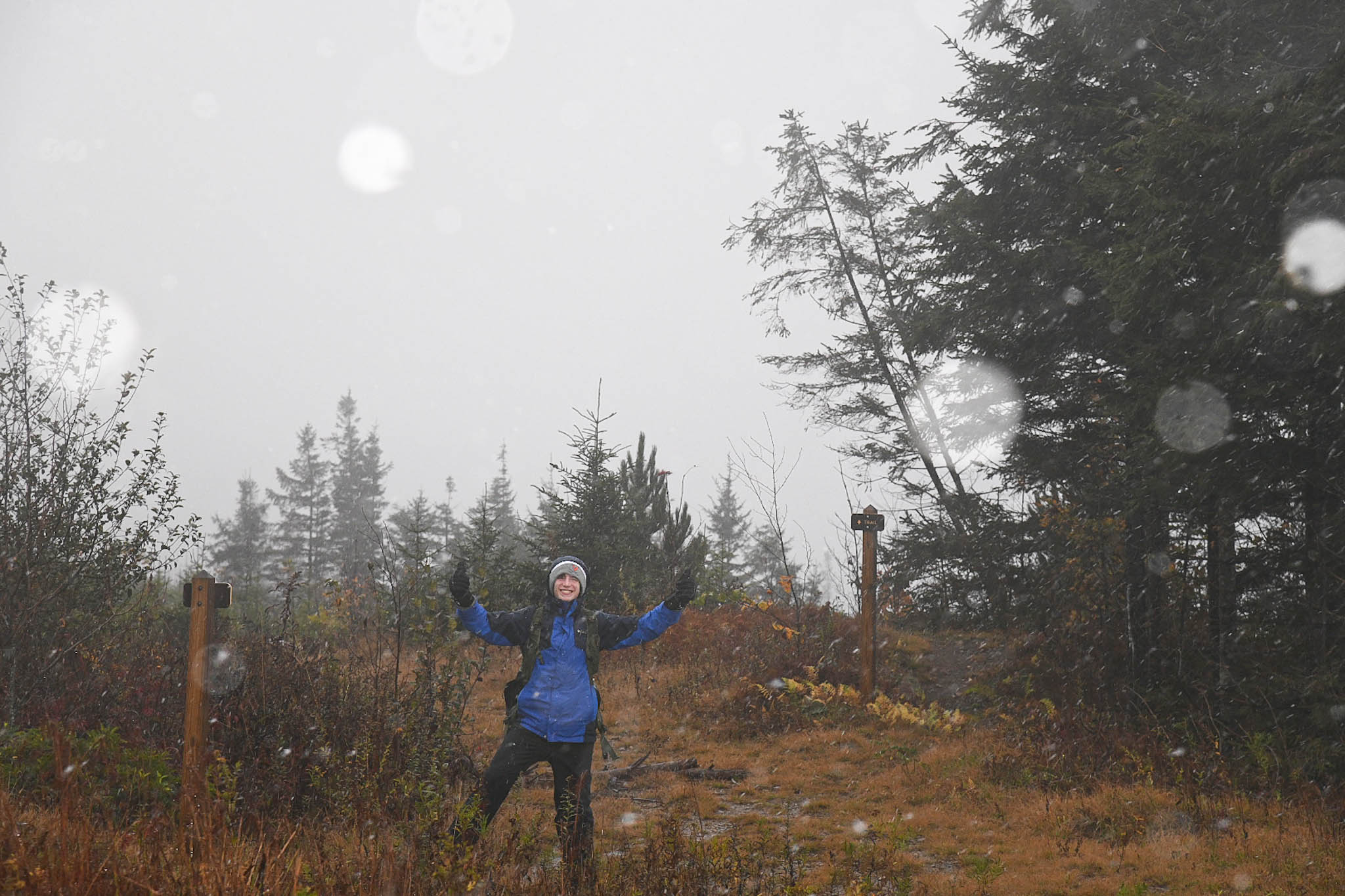
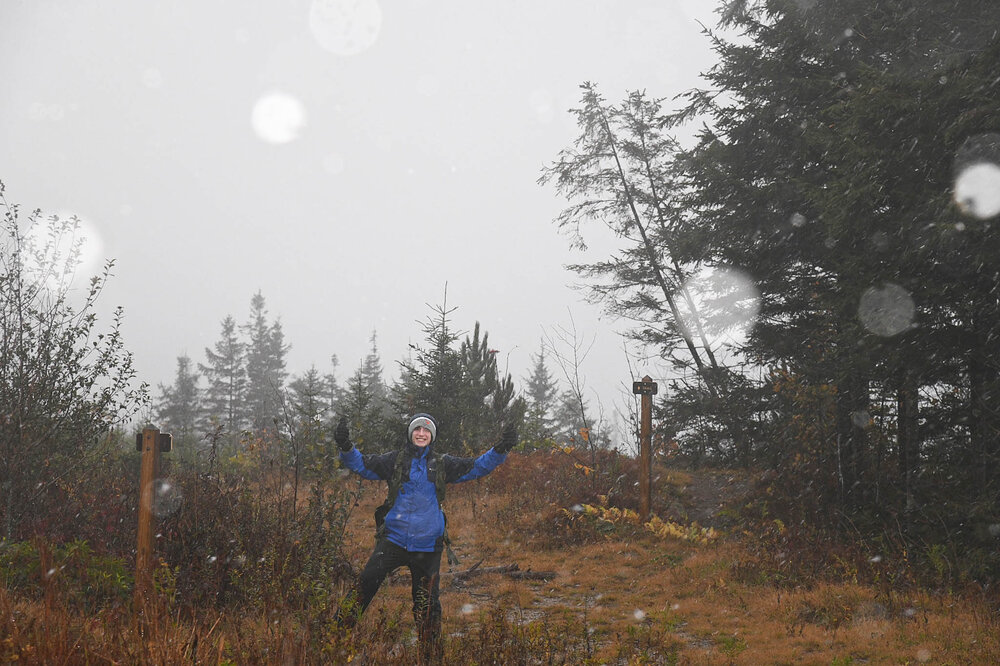
It’s snowing! Still on the mountain (some cell service) and it’s alternating between bursts of dendrites and sleety rain. Moss is a bit white. Totally worth the trip.
- 439 replies
-
- 23
-

-

-
Believe snowshoe top of mountain has their first flakes of the season https://www.snowshoemtn.com/media-room/skidder-slope-live-cam. Think I'll head out to the mountains and try to catch the jet streak induced precip.
-
2026 Mid-Atlantic Severe Storm General Discussion
SnowenOutThere replied to Kmlwx's topic in Mid Atlantic
Sun is out in Charlottesville! -
2026 Mid-Atlantic Severe Storm General Discussion
SnowenOutThere replied to Kmlwx's topic in Mid Atlantic
Love when we get a wedge like this, makes for some easy and great photography if you're willing to wake with the sun.- 2,604 replies
-
- 1
-
-
- severe
- thunderstorms
- (and 7 more)
-
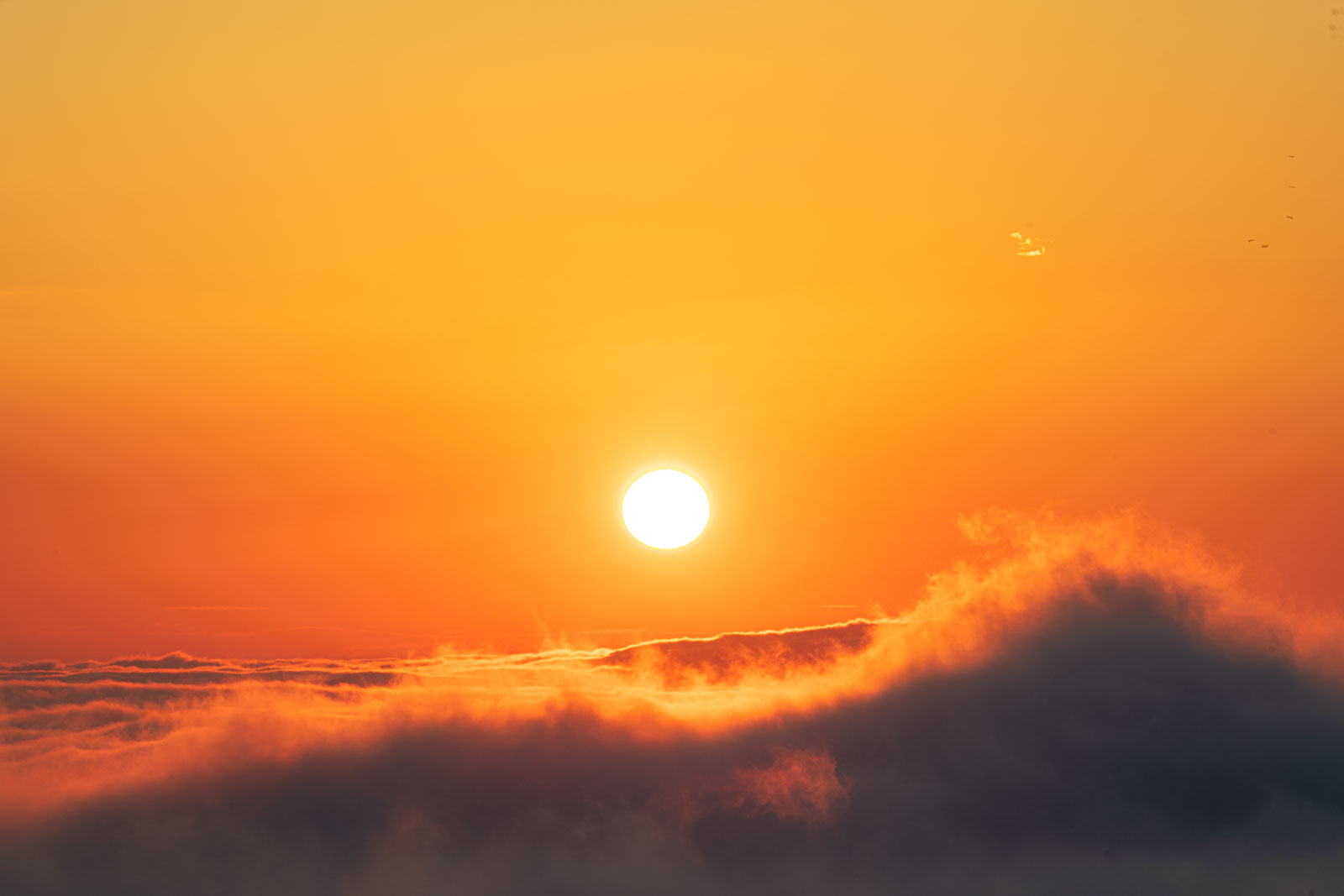
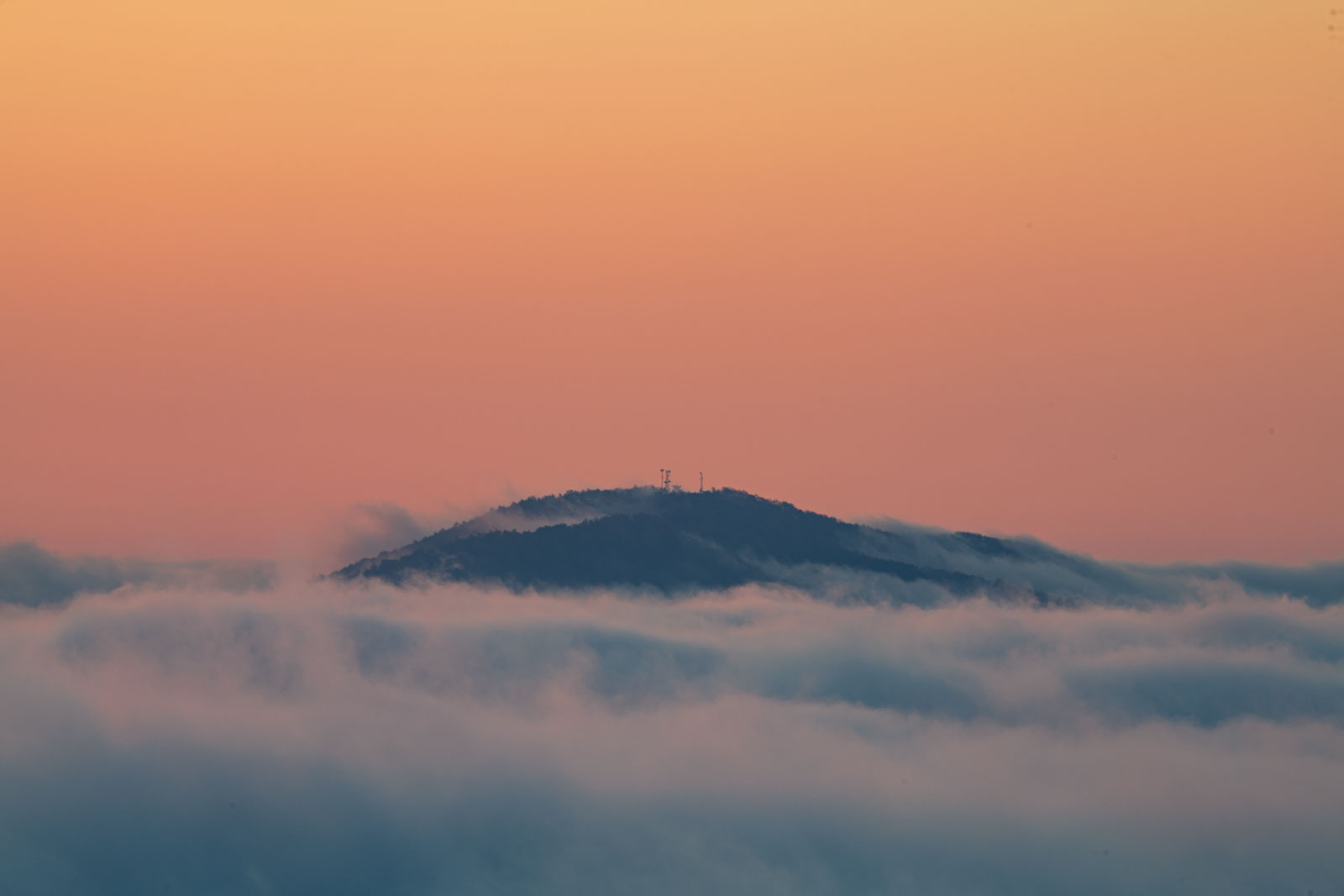
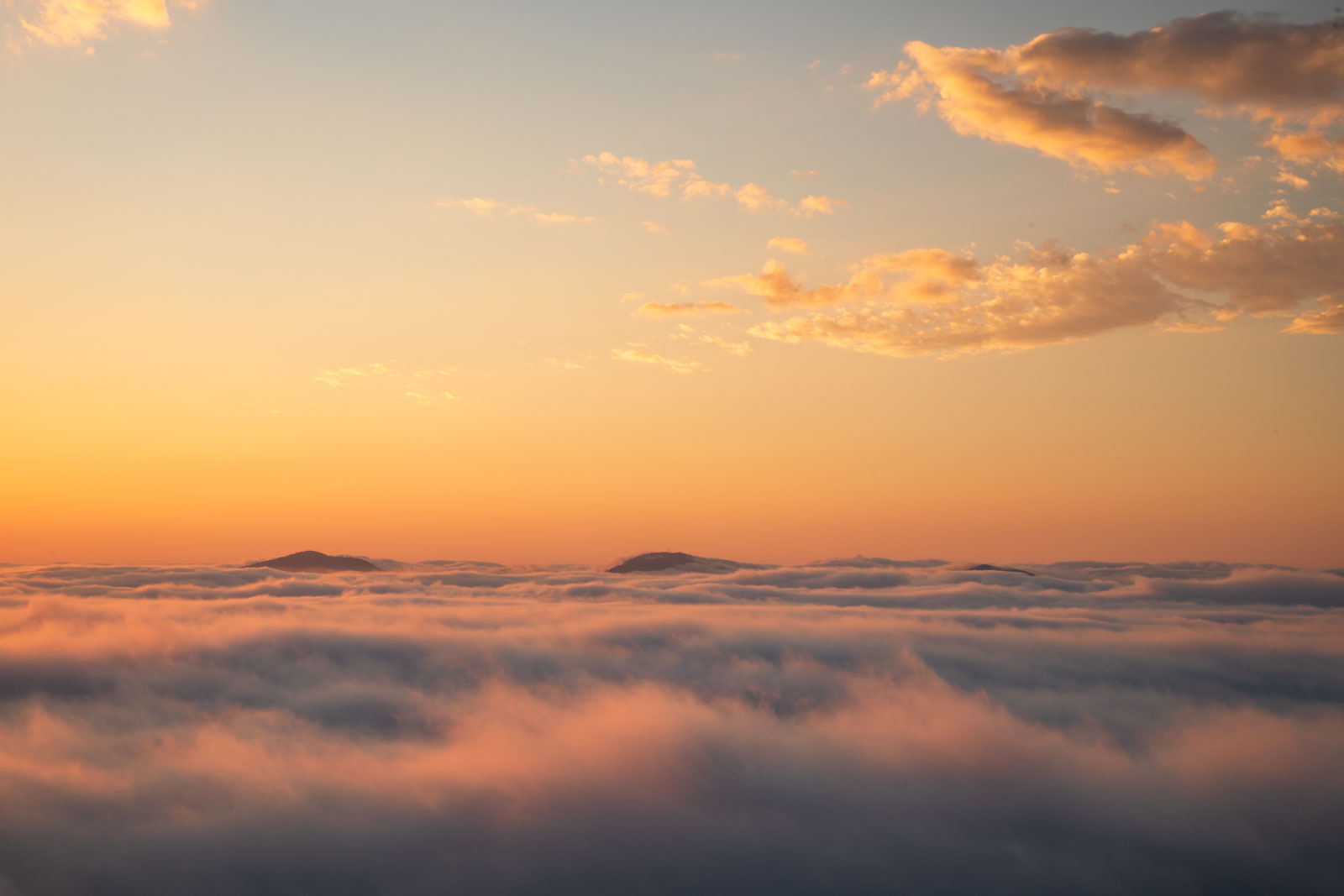
Also, went out and drove 30 minutes to the Rockfish Valley Overlook off the blue ridge parkway! Got an amazing sunrise knowing the valley's would be in the cloud deck.
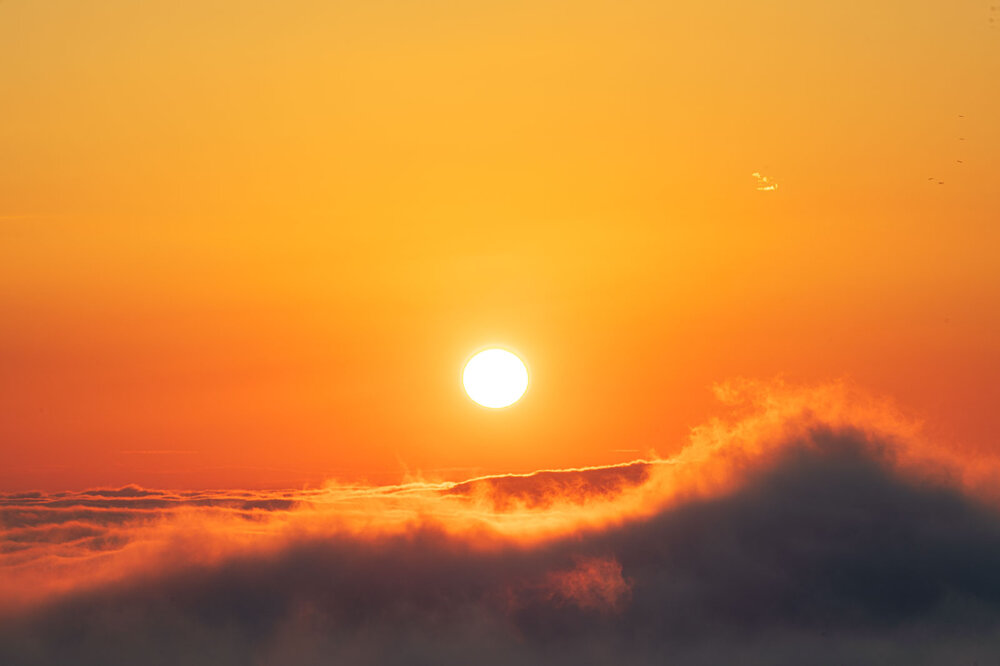
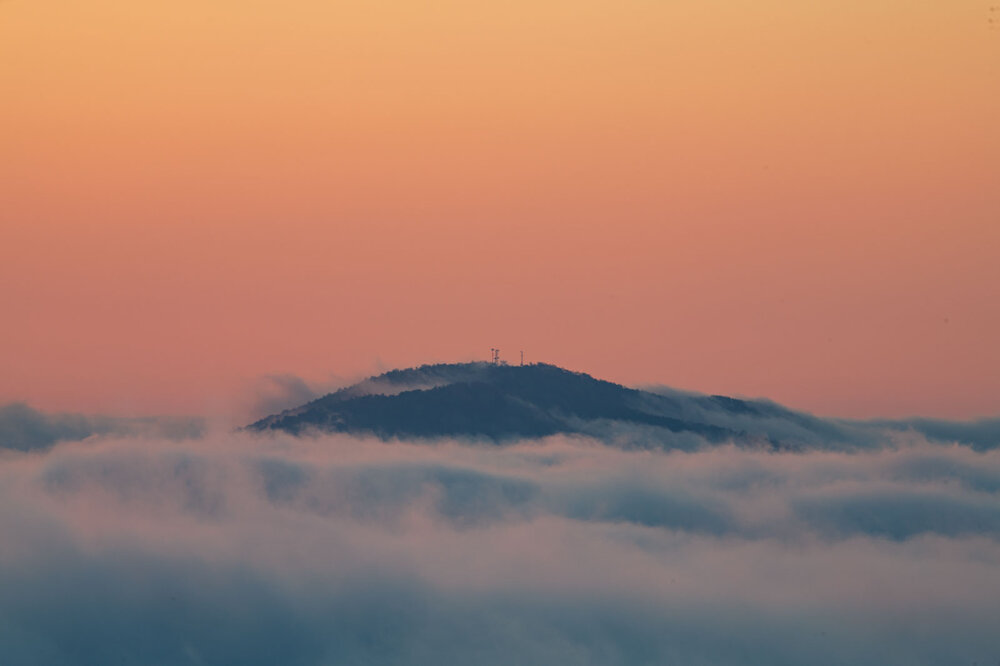
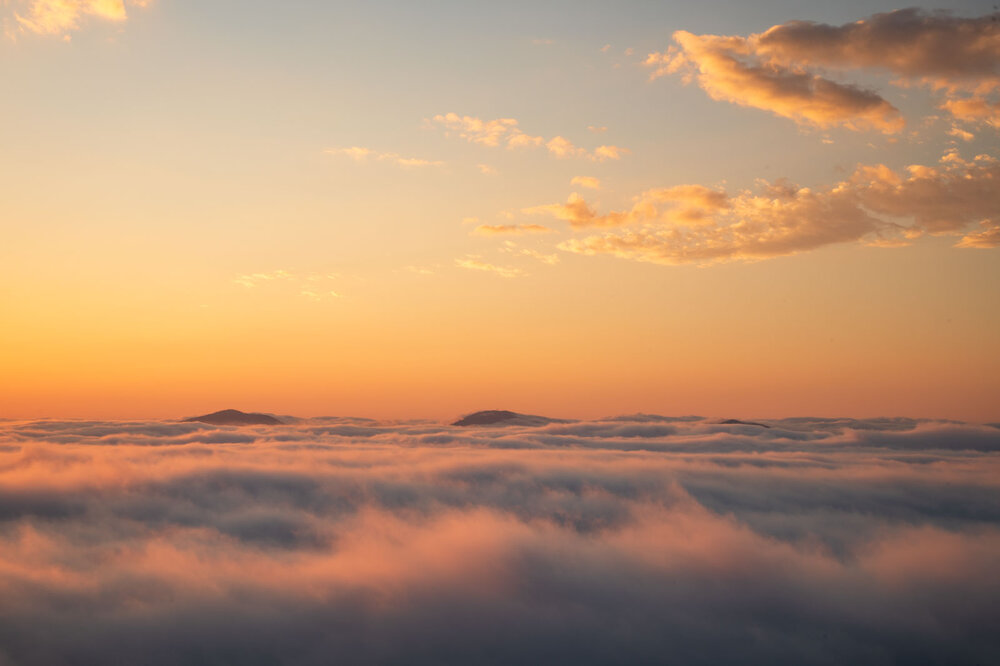
- 439 replies
-
- 28
-
-
Thank you all. Agree that the 6z run really didn't go the right way... but, the 12z runs are interesting. They manage get a band of precip with lift from a deeper H5 trough and saturate the DGZ. Will need to monitor and if the 18z and 0z runs show it then I think it might be worth it. Wouldn't really be upslope, but just orthographic cooling of a band of precip which feels less risky to chase.
-
Both HRRR and NAM show first snows for the mountains this Saturday morning. Considering a hike out there but the soundings seem fishy. Would there even be enough of a layer for precipitation to occur? If so, would any snowflakes even form or would I get to hike in cloudy drizzle? Don't know the answers would love some help from our mets @WxUSAF @MillvilleWx @Eskimo Joe I plan to head out and try and hike early Saturday morning at the Cheat Mountain range at 4200-4400 feet and would love to make sure I don't drive 3 hours to hike in a cold, windy, freezing rain fog.
-
Winter 2026-2027 Digital Snow Thread
SnowenOutThere replied to SnowenOutThere's topic in Mid Atlantic
It actually gives us three separate snow storms that run starting October 25th. -
Had a nice late sunset with a moon over the South Lawn tonight.

-
Winter 2026-2027 Digital Snow Thread
SnowenOutThere replied to SnowenOutThere's topic in Mid Atlantic
It's an insane meteorological solution. The low I've been discussing in the long range thread somehow cuts off and generates its own cold air. No way its right but was funny to see. I'll miss the NAM. -
2026 C and E Pacific tropical activity
SnowenOutThere replied to GaWx's topic in Tropical Headquarters
Currently it has one of the weirdest look's I've seen a hurricane take on. -
NAM'ED (might be one of our last ones)
-
Alright, enough time has passed to throw this solution out the window. So what's figure out what went wrong as an exercise for this winter. So, our setup relied on a branch of the NS detaching and creating an unusually deep trough over the east coast in order to bring both cold air and the correct wind flow (NNW) to catch moisture from the lakes. Now, what initially would cause this NS trough? Turns out it was an interaction with a SW wave helping to pull it down (GFS run from when it was snowy) Compare that to it's current run. Though we still have our two main players it's interesting how different the circumstance is. Firstly, the interaction is occurring further east, which obviously hurts us. However, what is most interesting is that blob of vorticity over central Mexico as its a Hurricane ejecting it's energy eastward and thus pulling the pattern to be progressive. On the old runs the GFS brought it out to sea instead. Look at the knock on effects it has! On the old run you have a near textbook PNA ridge Now, you can see how there is more energy getting held underneath the ridge (the Hurricane's remains are now in there) which causes a flatter, and thus less blocky, ridge. Some other things you can notice is the previously detached low upstream of our trough has now morphed with it, which reduces the blocking pattern, and that the Artic in general is less amplified than before. All in all, pretty much everything went the wrong way for the mountains to pick up a significant snowstorm. Now, the reason I did this is 1. I'm bored and just took a climatology exam 2. To warmup for winter 3. To see how the models did. As mentioned in my first post nearly all models but the operational Euro had a pattern conducive to accumulating snow, and the reason the Euro didn't is because even back over the weekend it was correctly modeling the tropical impact over Mexico. This should be a lesson against trusting the AI models, as even they were wrong. Furthermore, the hurricane change was within 5 days from this weekend, and it was a dramatic miss, which should call into question any forecast beyond day 4 for synoptics (assuming our current funding for NOAA's soundings and data collection stays the same). Frankly, I wonder if our bad miss on the ice/snow line for last January's storm would've happened if we weren't cutting their data intake as it was a huge miss by our modeling for the storm track and impacts even at day 3. The bottom line of this post is we need to be extremely cautious in trusting the models come this winter. They simply are not preforming as well as in years past when it comes to what matters for us. I personally would not even trust the general synoptic pattern outside of day 3. Mets, or anyone else, please let me know how I did or if my reasoning was solid!
-
Around 3.1 according to nearby gauges in Charlottesville, probably had some upslope enhancement, and there are still puddles on the side streets. Home gauge in NOVA shows a respectable 2.9 inches of rain as well. Do wonder if this storm bears as a forewarning of what we might expect this winter if we get more inland storm tracks due to a warmer baroclinic boundary pushing inland.