

MegaMike
-
Posts
566 -
Joined
-
Last visited
Content Type
Profiles
Blogs
Forums
American Weather
Media Demo
Store
Gallery
Everything posted by MegaMike
-
'A' for me in Wrentham, MA. If we got significant snow one month earlier, or if it was a little snowier, it'd be an A+. It was a little dry when I prefer snow the most. Otherwise, can't complain about two 18"+ snowstorms w/lots of cold.
-
Glad to help @The 4 Seasons! You could vectorize those images using QGIS (free software). It'd be incredibly tedious though. You'd have to geo-reference the images, then trace the contours. I think it'd be worth it
-
It'd be awesome if you could calculate return rates/quartiles/means with all your interpolations, @The 4 Seasons. Are your products still images, or are they vectorized/rasters? Random, but a colleague sent me an image of your 1888 interpolation yesterday
-
"Don’t do it" 2026 Blizzard obs, updates and pictures.
MegaMike replied to Ginx snewx's topic in New England
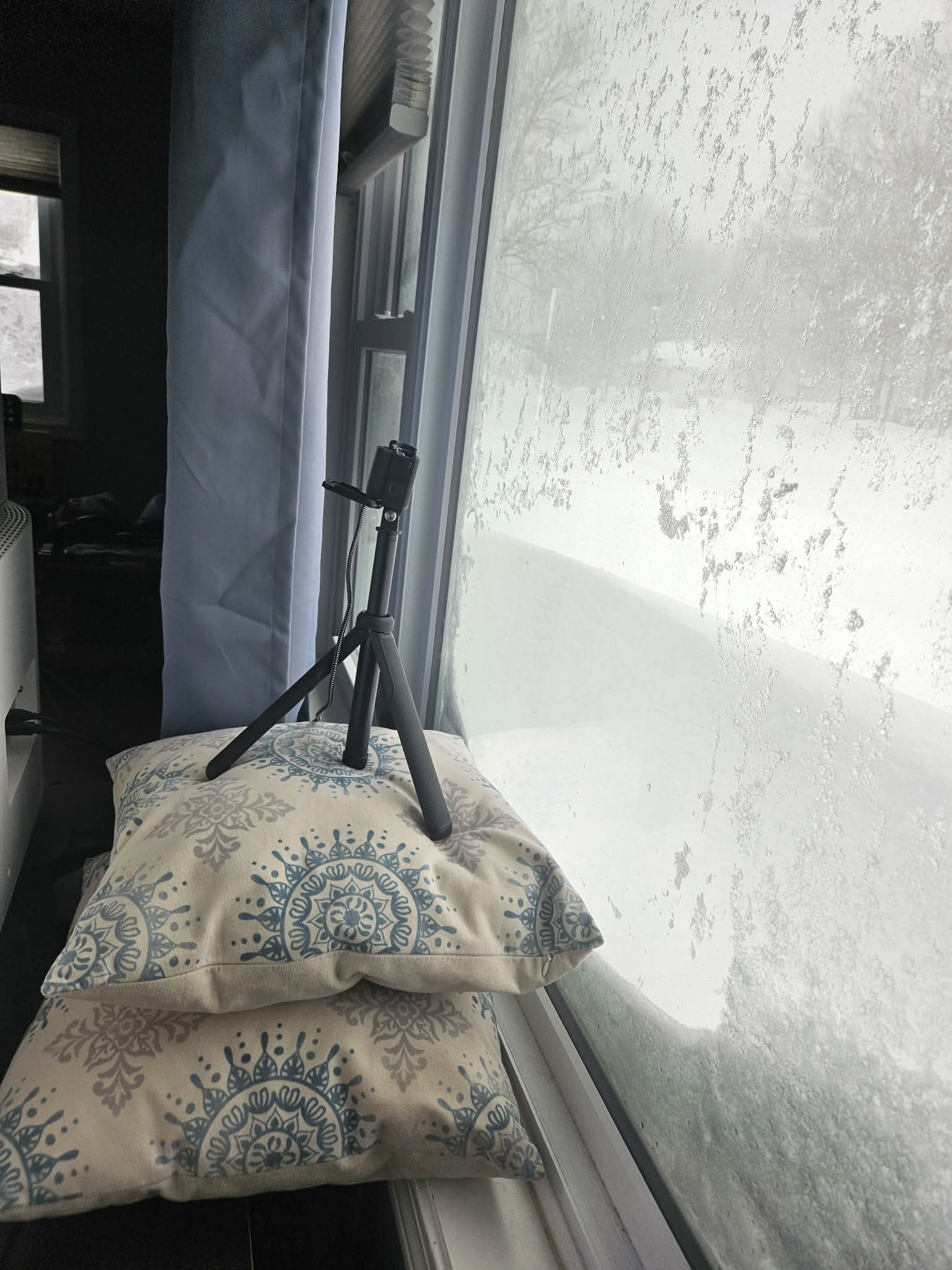
Was finally able to edit my time lapse out of Norton, MA. It's not my place (brother's), but man... I wish I was there. His kids finally returned to school today (all <4th grade). -
"Don’t do it" 2026 Blizzard obs, updates and pictures.
MegaMike replied to Ginx snewx's topic in New England
Still accumulating nicely here... ~0.5"/hr, it looks like. Total of ~20" -
"Don’t do it" 2026 Blizzard obs, updates and pictures.
MegaMike replied to Ginx snewx's topic in New England
HRRR has an additional 2-5" for most locations east of 190 for E MA, far W CT, and all of RI. More (4/5") towards SE MA. -
"Don’t do it" 2026 Blizzard obs, updates and pictures.
MegaMike replied to Ginx snewx's topic in New England
Oh, for sure! Looking at photos/accumulations, the Norton, Taunton, and Raynham area will break 30" if they haven't already. -
"Don’t do it" 2026 Blizzard obs, updates and pictures.
MegaMike replied to Ginx snewx's topic in New England
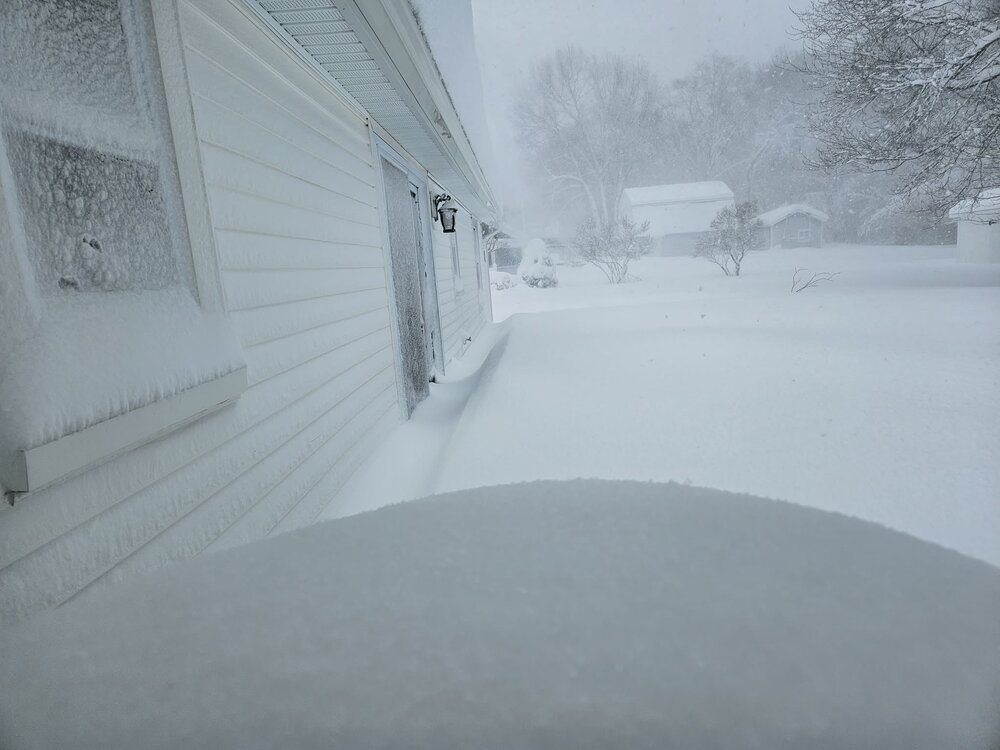
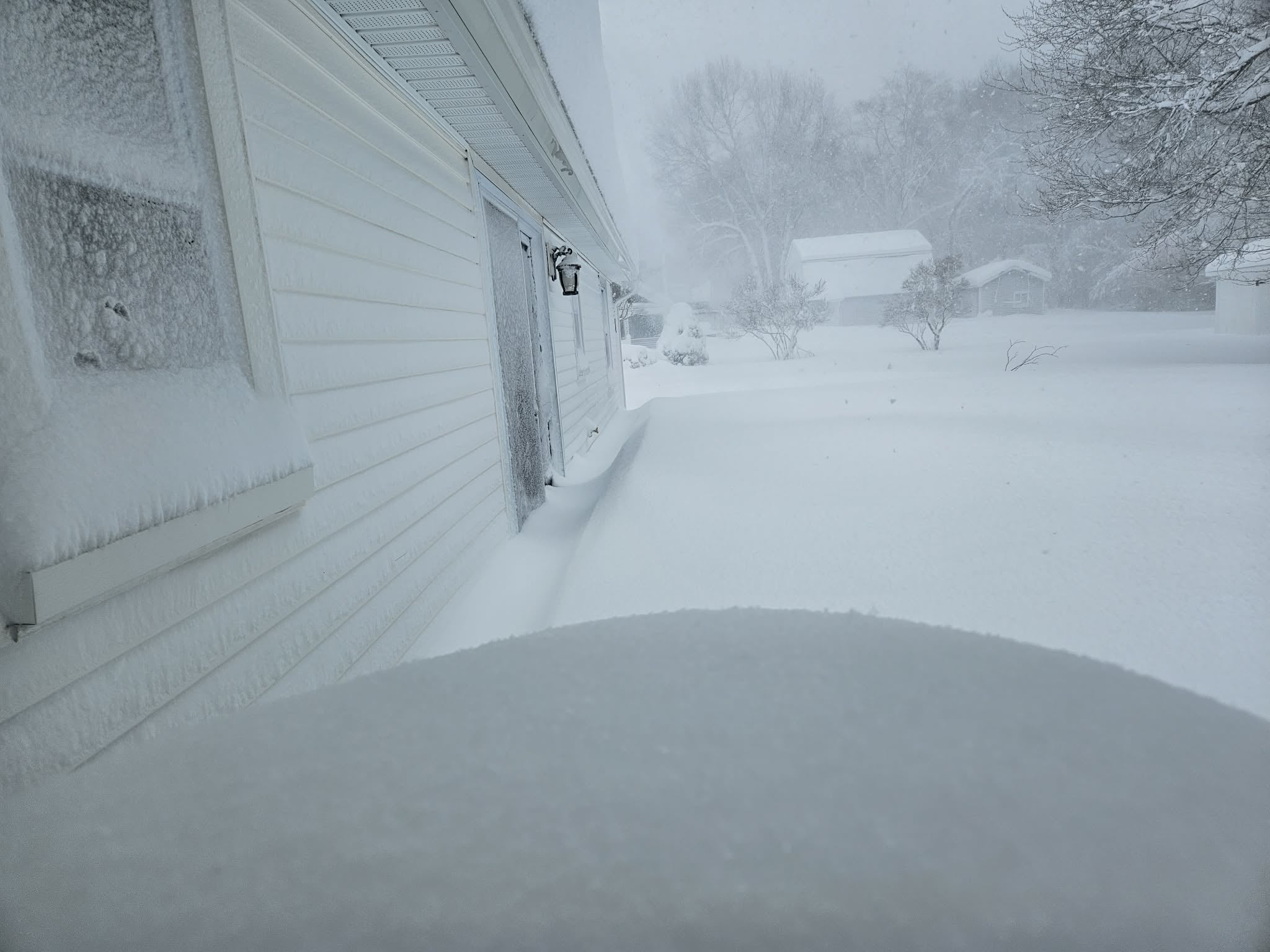
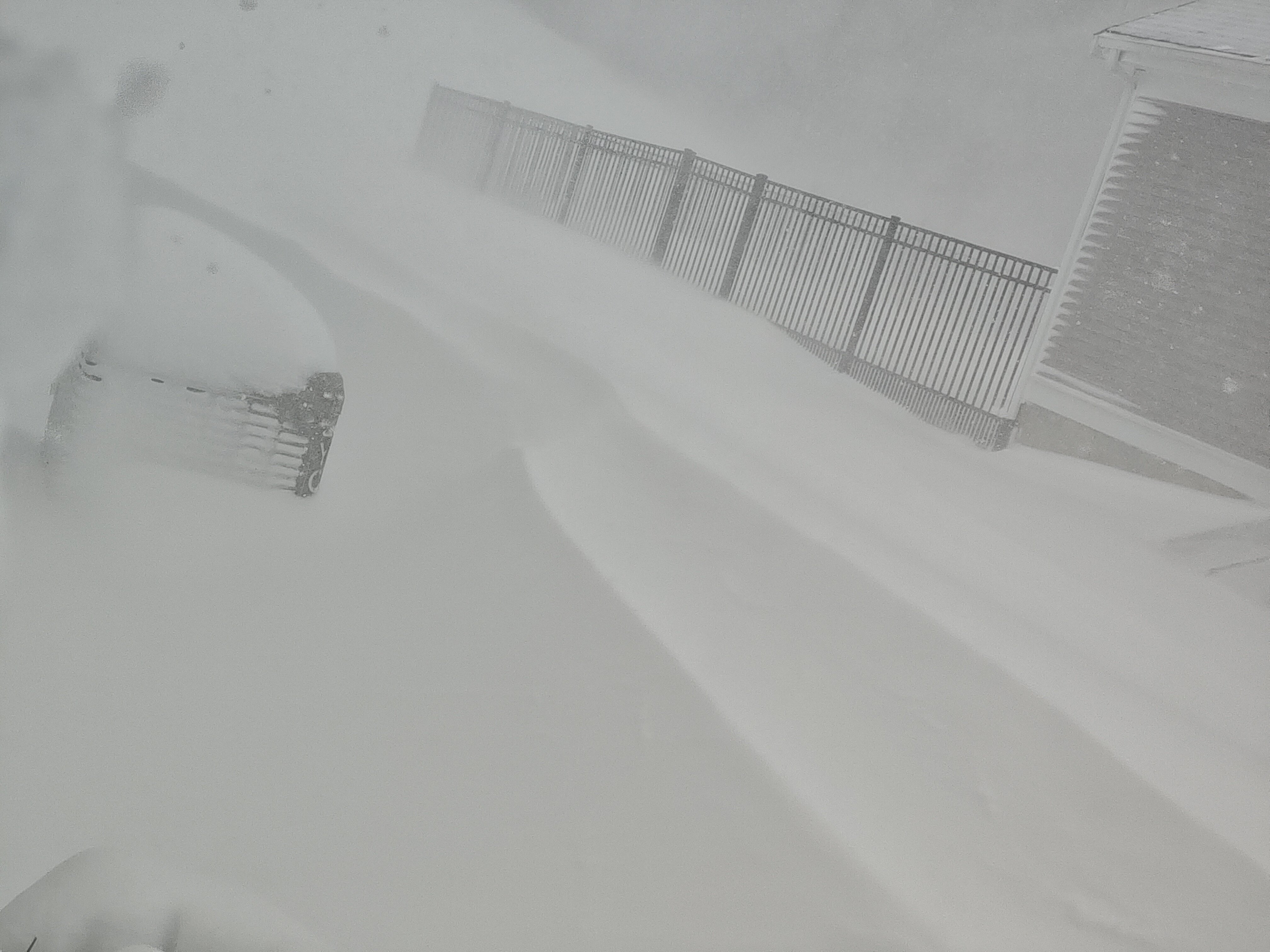
Drift got too high in Norton. Had to adapt.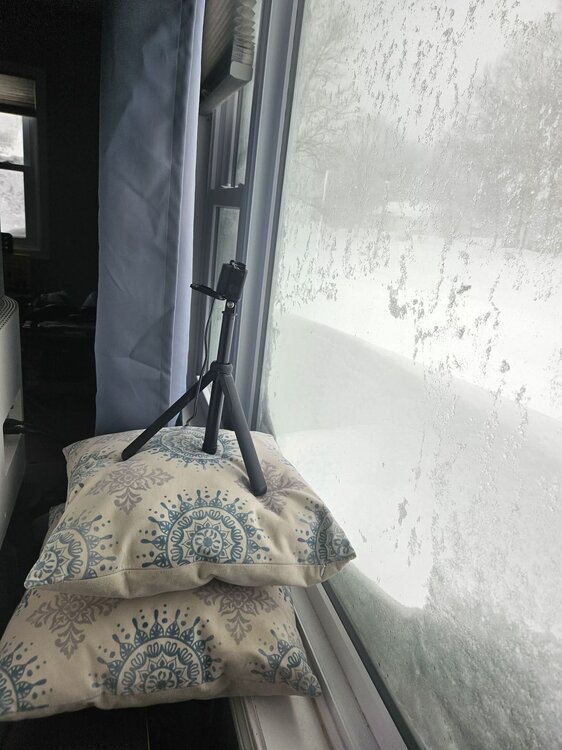
-
"Don’t do it" 2026 Blizzard obs, updates and pictures.
MegaMike replied to Ginx snewx's topic in New England
Awesome! Sounds like amounts may surpass 05' for Attleboro. That's my #1 all time. -
"Don’t do it" 2026 Blizzard obs, updates and pictures.
MegaMike replied to Ginx snewx's topic in New England
The gusts have been impressive! Not sure how credible it is, but a station in Wellfleet, MA (F3885) gusted to 98mph.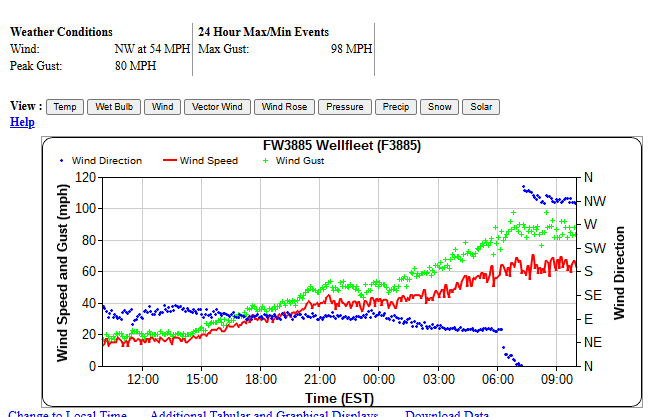
-
"Don’t do it" 2026 Blizzard obs, updates and pictures.
MegaMike replied to Ginx snewx's topic in New England
HRRR maxes out gusts over the next hour across SNE (followed by a slow decline). Brace yourself... I think I may have just gusted close to 50mph a little while ago. -
"Don’t do it" 2026 Blizzard obs, updates and pictures.
MegaMike replied to Ginx snewx's topic in New England
It'd be wild if they break 30". It never happened in the city. -
"Don’t do it" 2026 Blizzard obs, updates and pictures.
MegaMike replied to Ginx snewx's topic in New England
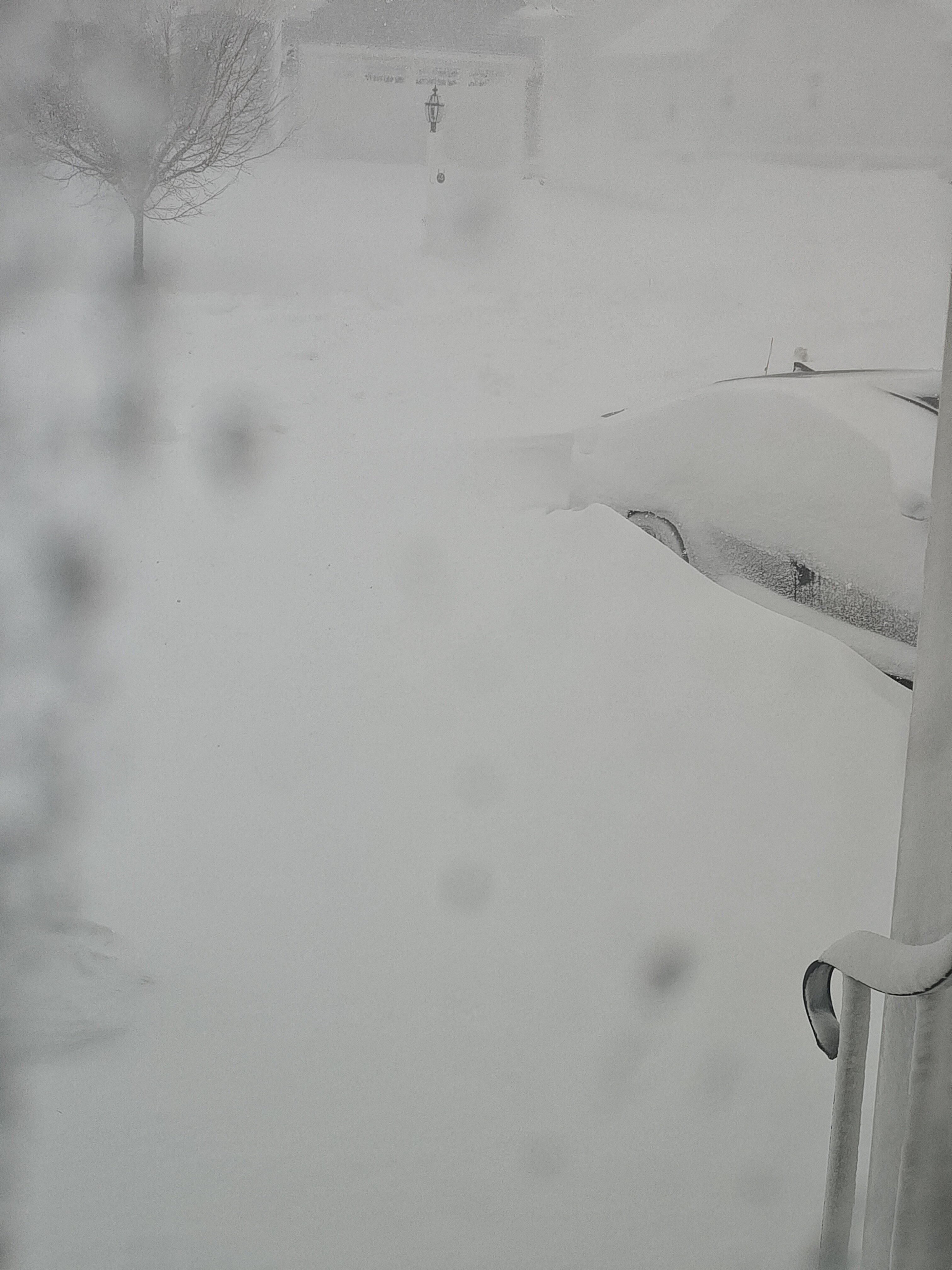
Still heavy snow with lots of drifting in Wrentham. I'm thinking ~16". Drift approaching 3-4'.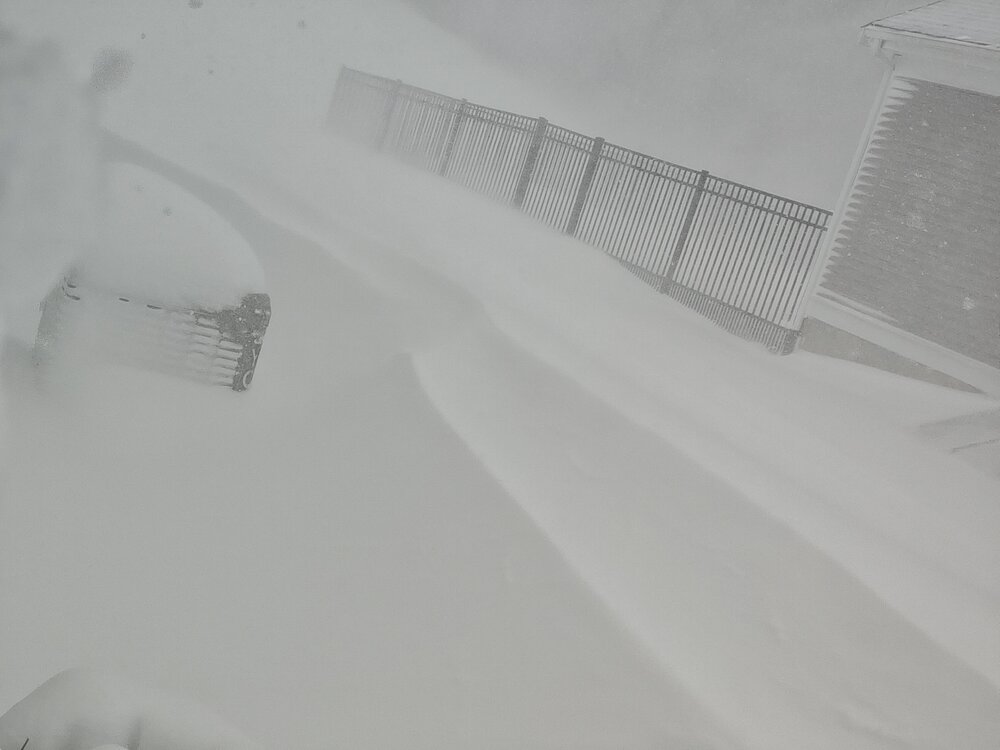
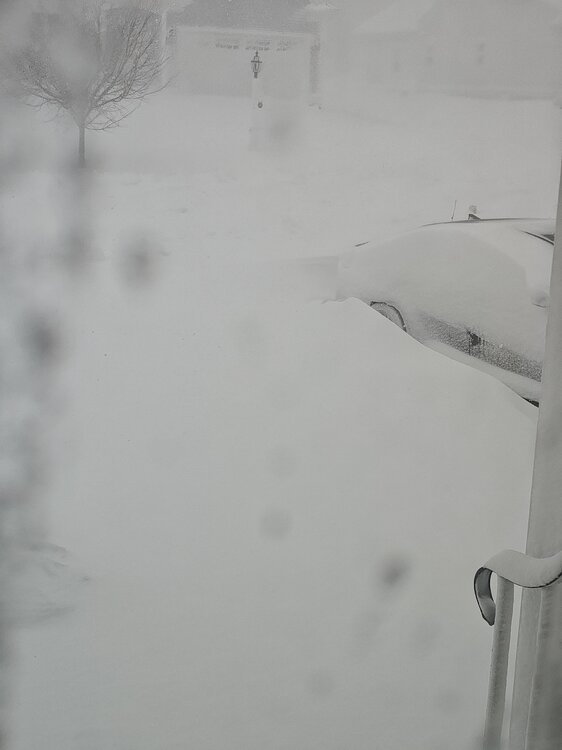
-
"Don’t do it" 2026 Blizzard obs, updates and pictures.
MegaMike replied to Ginx snewx's topic in New England
That's about what I expected. My brother in Norton looks to have ~16" with drifts approaching 3'. Good to see Providence and Attlehole doing well. -
"Don’t do it" 2026 Blizzard obs, updates and pictures.
MegaMike replied to Ginx snewx's topic in New England
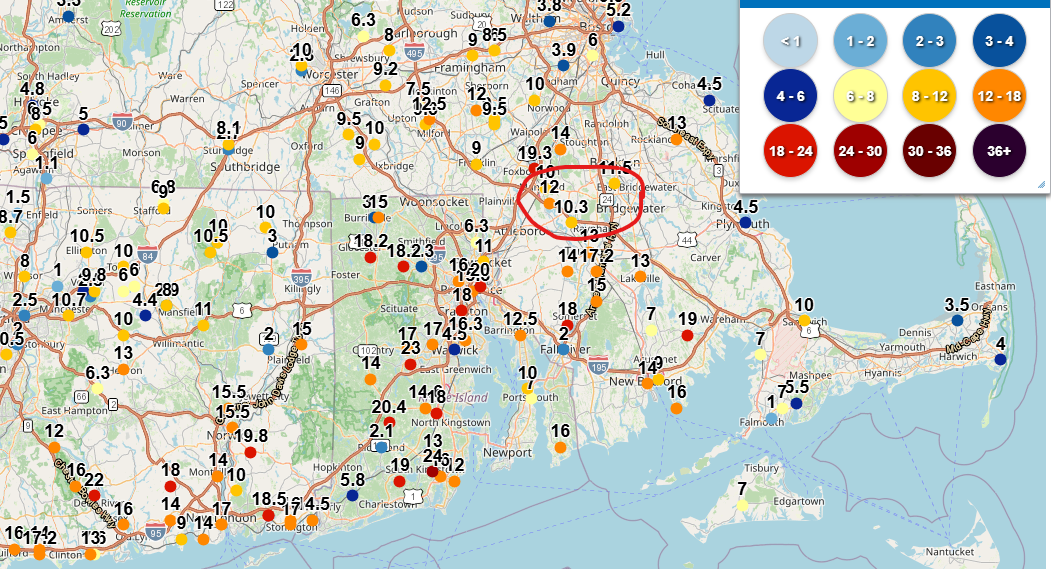
There are two observations in Foxboro of 19.3" (~9am) and 16" (8am). That checks out. Not directed to you, but the Taunton/Norton/Mansfield observations (circled below) need to be updated. They must be approaching 16+" by now. E. Providence w/a 20" observation now too. Good for them!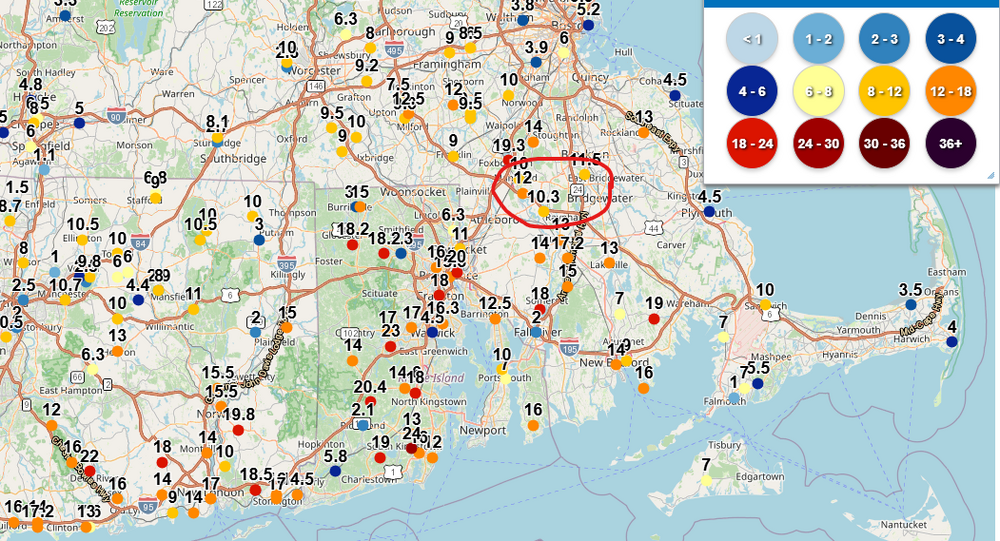
-
"Don’t do it" 2026 Blizzard obs, updates and pictures.
MegaMike replied to Ginx snewx's topic in New England
This is incredible. Pretty consistent whiteout. -
"Don’t do it" 2026 Blizzard obs, updates and pictures.
MegaMike replied to Ginx snewx's topic in New England
Haven't seen wind/snow like this since 05'. This feels like a true blizzard. Lights are flickering here too. I would like no work today (remotely), but I also need power to film a time lapse. I have two going: One in Wrenthan and one in Norton. Both should look great assuming snow doesn't coat the windows :waves fist: -
"Don’t do it" 2026 Blizzard obs, updates and pictures.
MegaMike replied to Ginx snewx's topic in New England
Must be wild to my SE. Even where I am, it's basically a whiteout. Got woken by the wind, now I probably won't be able to get back to sleep. -
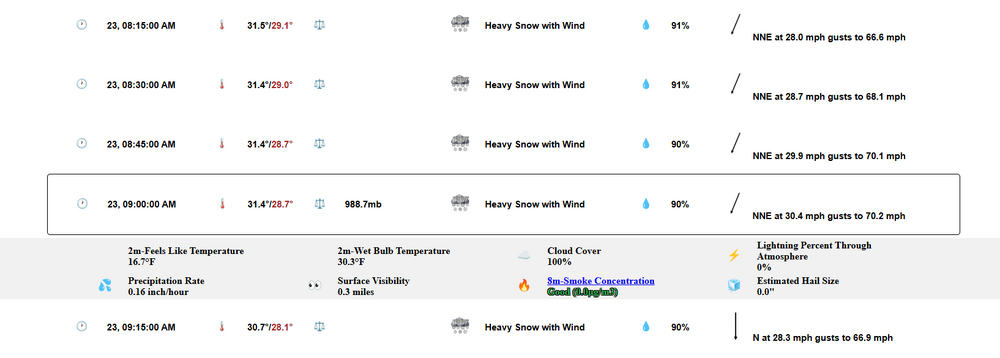
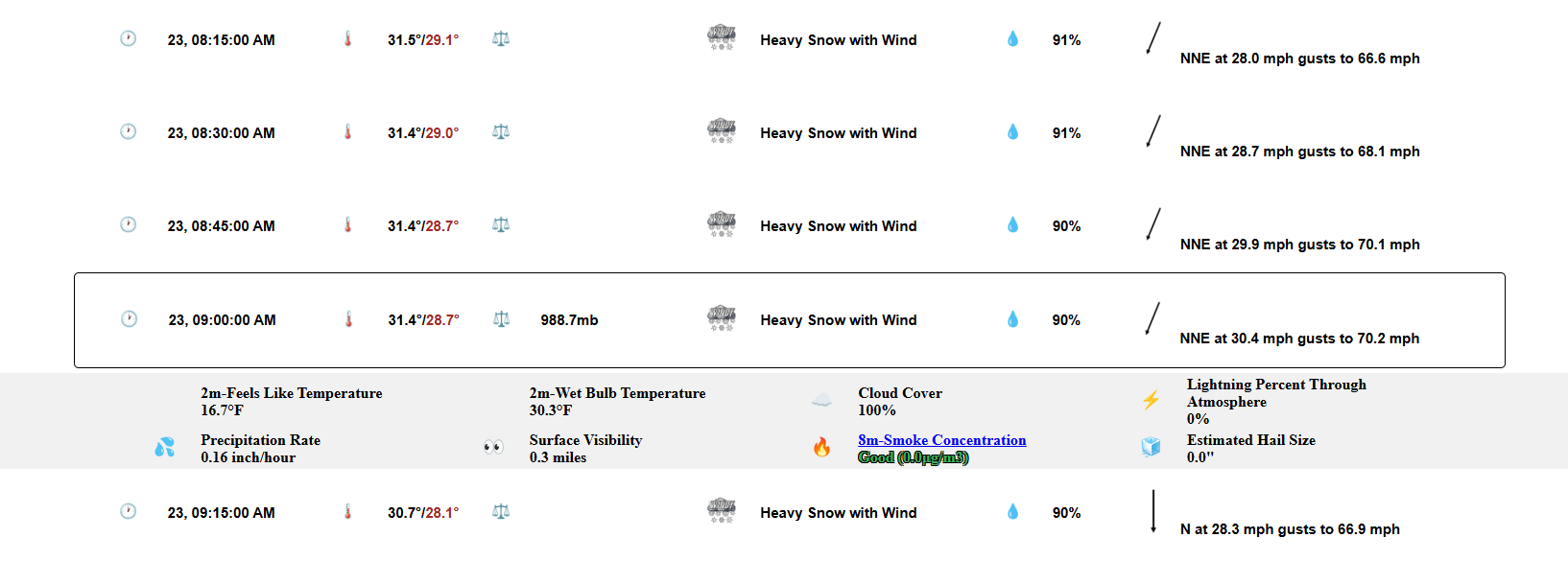
Now, wind gust parameterizations perform terribly (usually overestimated), but the (edit: 18z) HRRR has gusts approaching 70mph for Norton, MA around 9am tomorrow morning.
-
I'd love a real-time mesoscale ensemble (updates every hour with ~10 members on one, unison domain)... It's a shame the RRFS isn't performing well.
-
No problem, my dewd'! At the moment, I agree that more weight should be placed on real-time analysis/mesos. I don't think global models will do well with this latent heat bomb this close to an event without being able to spin up for 12-24 hours (I know most models are initialized hot and it shouldn't matter too much)... Regardless, I wouldn't completely ignore their trends either. My weights (as Dendrite said, our opinions vary): 60% mesos. 20% regionals 10% globals
-
For the record, the Thompson microphysics scheme is currently widely used in research (WRF). The RAP + HRRR have it. I don't think this would matter too much unless a scheme diagnosis only a few moments (ie... just snow and liquid water). For funzies: https://www2.mmm.ucar.edu/wrf/users/wrf_users_guide/build/html/physics.html
-
It'd be a combination of things, but at 3km, the microphysics scheme is the most important. No need for convective parameterization since the resolution will resolve it explicitly. The NAM uses the 'Ferrier-Aligo' which is pretty old (2001), but that's just part of the story. It's performance w/forcing is important too... Looking real quick, it overpredicts specific humidity below 850mb (+ bias). I think that's probably a bigger culprit. I'm sure there are some articles about this somewhere. You'd really need to do a thorough investigation.
-
I've been looking at the evaluation webpage again. This time, for precipitation (at fcst 24hr for 12z cycles) thresholds. Anywho, for frequency bias, an ideal prediction is 1.0. Negative values indicates underprediction (doesn't predict the occurrence as much as it should), and + values indicate overprediction (predicts the occurrence too often). Note: The NAM 3km consistency overpredicts for all thresholds and is outperformed by the other mesos. For equitable threat score (removes outliers), an ideal prediction is 1.0 (0.0 indicating no skill). Based on this metric, HRRR performs best for all thresholds over the past 90 days: Seeing some of the globals trend unfavorably will only bother me if the mesos follow.
-
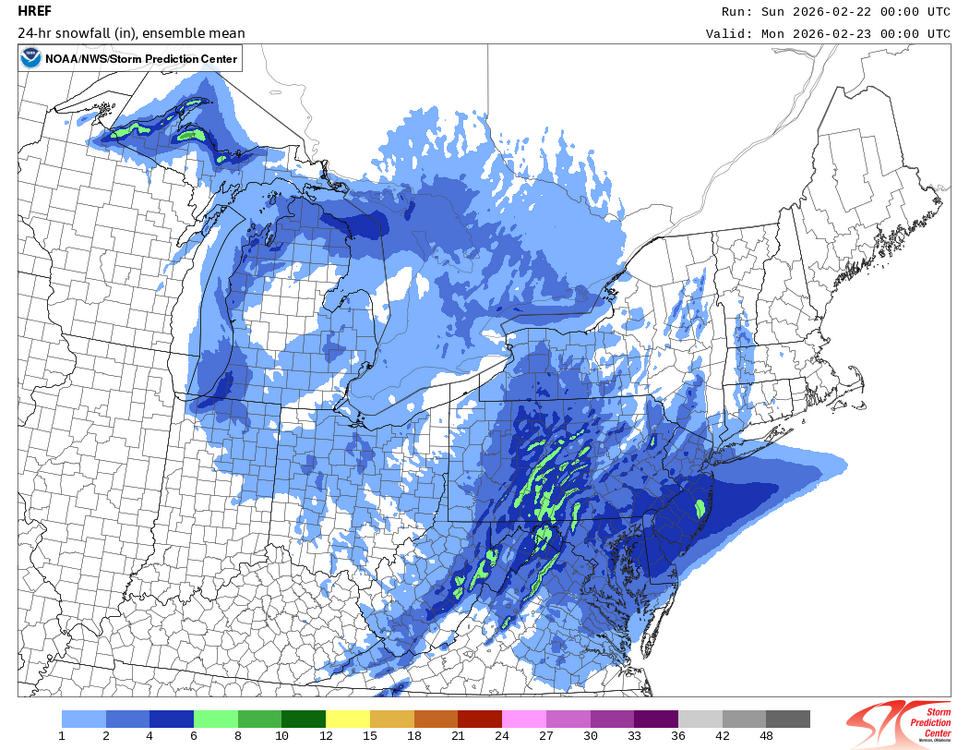
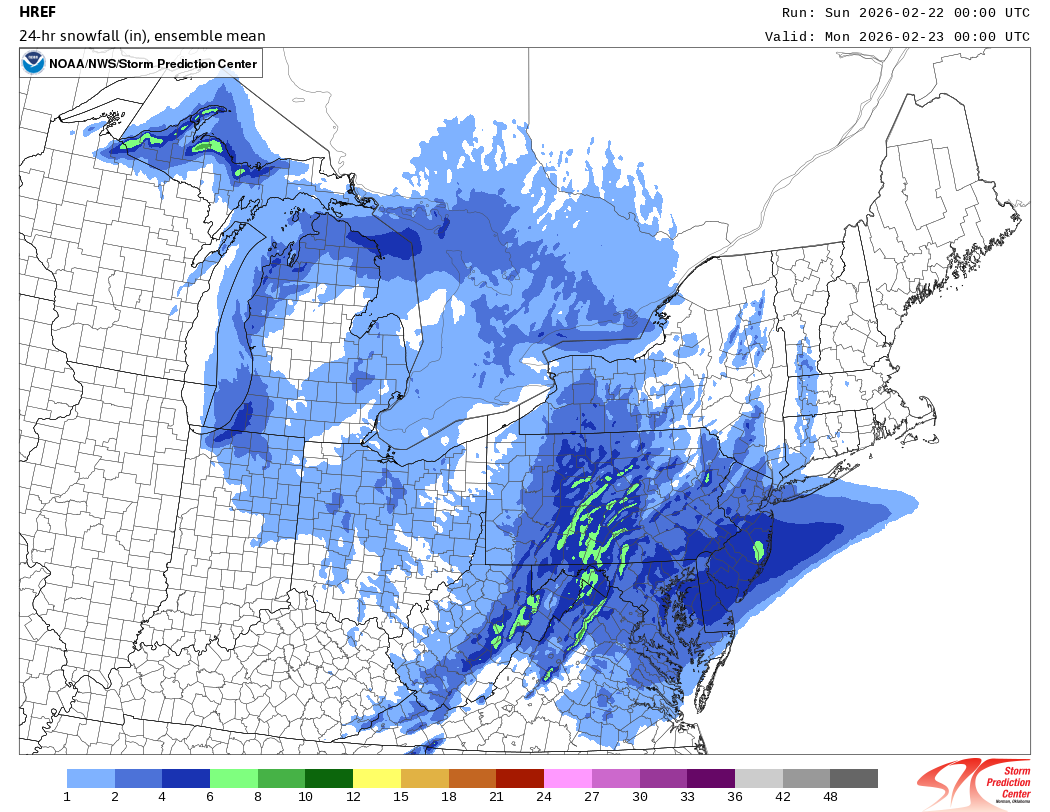
It composes of the current (no lag like the NBM) cycles of the HRRR, WRF-NSSL, WRF-ARW, FV3, and NAM 3km models (00z cycles)... So only the high-resolution stuff.
.thumb.png.ef711a7ce6b8dc64b26dc5b71329cad9.png)



.png.124f821fc887cef02615abafde16bb69.png)