


SACRUS
-
Posts
16,604 -
Joined
-
Last visited
Content Type
Profiles
Blogs
Forums
American Weather
Media Demo
Store
Gallery
Posts posted by SACRUS
-
-
40 / 24 off a low of 33. The next few weeks looks like a swing11/17 - 11/29 : Overall warmer than normal ridging into the east - mainly dry, a few days much above normal 11/20-21 , 11/26-29 period
11/30 - beyond: change turning much colder - trough into the east - colder nationwide - first storms/snow of the season
-
 1
1
-
-
Gusting to 38 - 41 NW winds
-
-
Records:
Highs:
EWR: 74 (2005)
NYC: 72 (1928)
LGA: 72 (1990)
JFK: 72 (2001)
Lows:
EWR: 15 (1933)
NYC: 17 (1933)
LGA: 22 (1967)
JFK: 20 (1967)
Historical:
1933: Cold wave 19° at DCA and 17° on 17th The low temperature of 10 °F is the lowest ever recorded in Richmond, VA in November and occurred also on November 29th 1930. (Ref. Richmond Weather Records KRIC)1958 - More than six inches of snow fell at Tucson, AZ. (David Ludlum) (The Weather Channel)
1959 - The most severe November cold wave in U.S. history was in progress. A weather observing station located 14 miles northeast of Lincoln MT reported a reading of 53 degrees below zero, which established an all-time record low temperature for the nation for the month of November. Their high that day was one degree above zero. (David Ludlum) (The Weather Channel)
1987 - High winds and heavy snow created blizzard conditions across parts of eastern Colorado. Wind gusts reached 68 mph at Pueblo, and snowfall totals ranged up to 37 inches at Echo Lake. In Wyoming, the temperature dipped to 14 degrees below zero at Laramie. Strong thunderstorms in Louisiana drenched Alexandria with 16.65 inches of rain in thirty hours, with an unofficial total of 21.21 inches north of Olla. Flash flooding in Louisiana caused five to six million dollars damage. (15th-16th) (Storm Data) (The National Weather Summary)
1988 - A powerful low pressure system in the north central U.S. produced high winds across the Great Lakes Region, with wind gusts to 60 mph reported at Chicago IL. Heavy snow blanketed much of Minnesota, with eleven inches reported at International Falls. (The National Weather Summary) (Storm Data)
1989 - Snow and gusty winds invaded the north central U.S. Winds gusting to 40 mph produced wind chill readings as cold as 25 degrees below zero, and blizzard conditions were reported in Nebraska during the late morning hours. High winds around a powerful low pressure system produced squalls in the Great Lakes Region. Winds gusted to 63 mph at Whitefish Point MI, and snowfall totals in Michigan ranged up to 19 inches at Hart, north of Muskegon. (15th-16th) (The National Weather Summary) (Storm Data)
2006 - An F-3 tornado strikes Riegelwood, NC causing eight deaths and twenty injuries
-
56 / 43 partly cloudy and had 0.09 of rain - heavier showers/storms to the north. Warm / windy then 36 hours of cooler Mon - Tue before an overall warm - vert warm vs normal setup beyond there. Warmest looks to be 2 days later this week 21 - 23 and again around the 25-27th.
-
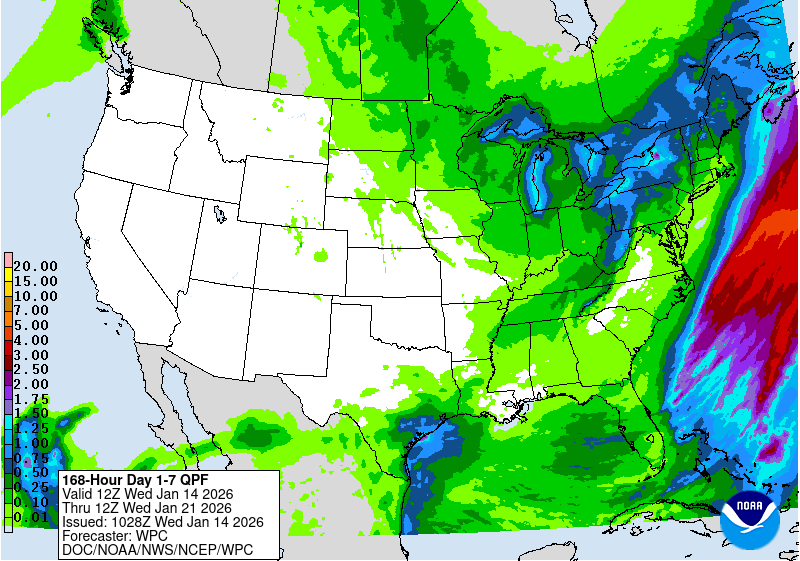
It doesnt rain in southern California
-
 1
1
-
-
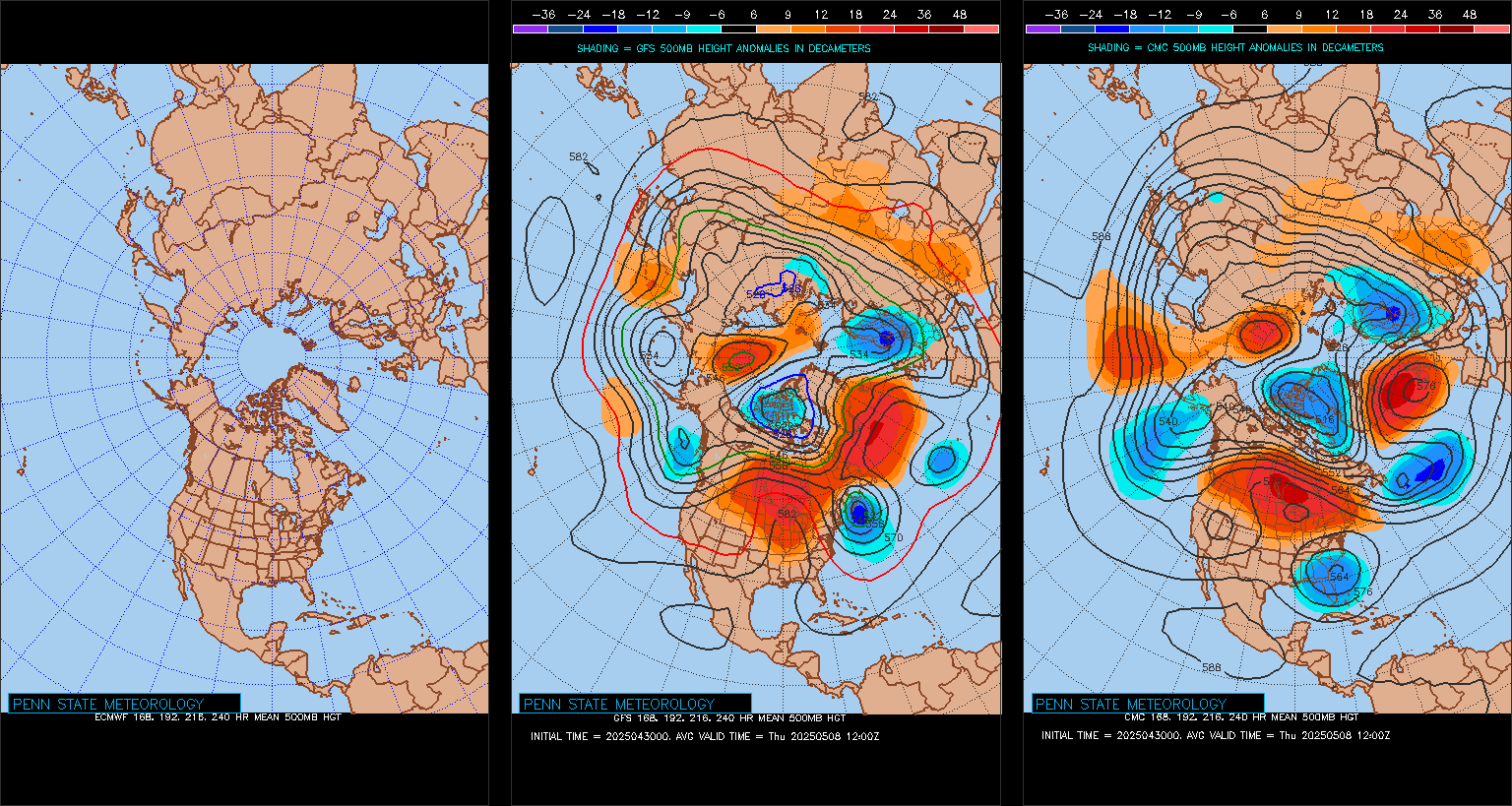
Nov 19 - 27th looks warm / very warm vs normal with perhaps a drastic change by the start or early into next month
-
1
-
 1
1
-
-
Records:
Highs:
EWR: 80 (1993) - latest 80 degree reading in EWR
NYC: 80 (1993) - latest 80 degree reading at NYC
LGA: 80 (1993) - latest 80 degree reading in LGA
JFK: 77 (1993)
Lows:
EWR: 18 (1933)
NYC: 20 (1967)
LGA: 22 (1967)
JFK: 20 (1967)
Historical:1900: A record lake-effect snowstorm at Watertown, NY produced 45 inches in 24 hours. The storm total was 49 inches. (14th-15th) (David Ludlum) (The Weather Channel)
1959: Cheyenne, WY recorded their greatest daily temperature change. After a high of 56°, a powerful cold front passed and by midnight that night the temperature had plummeted to -5°, a change of 61 degrees. (Ref. Wilson Wx. History)
1961: Between the 13th and 15th occurred the earliest heavy snow recorded to fall in western Texas. A general 4 to 20 inches of snowfall whitened the area; 20 inches fell in Hartley, 16 inches in Romero and 70 mile an hour winds were reported in El Paso. In El Paso, a six year old girl was hurt when a 5 inch piece of glass (splinter from a broken window) was blown through her body. (Weather Guide Calendar with Phenomenal Weather Events 2007 Accord Publishing, USA)1964 - With the help of a fresh three inch cover of snow, the temperature at Ely, NV, dipped to 15 degrees below zero to establish an all-time record low for the month of November. That record of -15 degrees was later equalled on the 19th of November in 1985. (The Weather Channel)
1967: A surprise snow and ice coating paralyzed Boston during the evening rush hour. New England had 1 foot of snow in north central and northeastern Massachusetts. (David Ludlum) (Ref. NOAA Boston Weather Events)
1974 - A storm produced 15 inches of snow at the Buffalo, NY, airport, and 30 inches on the south shore of Lake Erie. (David Ludlum)
1986 - An early season cold wave set more than 200 records from the northwestern U.S. to the east coast over a seven day period. For some places it proved to be the coldest weather of the winter season. (Sandra and TI Richard Sanders - 1987)
1987 - The first major snowstorm of the season hit the Southern and Central Rockies, producing 12 inches at the Brian Head ski resort in Utah overnight. Strong and gusty winds associated with the storm reached 52 mph at Ruidoso NM. In the eastern U.S., the temperature at Washington D.C. soared to 68 degrees, just three days after being buried under more than a foot of snow. (The National Weather Summary) (Storm Data)
1987: On November 15 and 16, intense thunderstorms rumbled through the South-Central US producing 49 tornadoes in Oklahoma, Texas, Louisiana, and Mississippi during a 34 hour period. Of the 49 tornadoes, four were F3, 12 were F2, 27 were F1, and 6 were F0. These severe storms caused 11 deaths and 303 injuries. This storm system also brought heavy rain to central Louisiana where five stations recorded over 10 inches in 24 hours. The highest amount was 14.22 inches at Olla on the 16.
1988 - A massive storm produced snow and gusty winds in the western U.S., with heavy snow in some of the higher elevations. Winds gusted to 66 mph at Show Low AZ, and Donner Summit, located in the Sierra Nevada Range of California, was buried under 23 inches of snow. Heavy rain soaked parts of California, with 3.19 inches reported at Blue Canyon. (The National Weather Summary) (Storm Data)
1989 - Unseasonably warm weather prevailed east of the Rockies. Temperatures reached 70 degrees as far north as New England, and readings in the 80s were reported across the southeast quarter of the nation. Nineteen cities reported record high temperatures for the date. For the second time in the month Dallas/Fort Worth TX equalled their record for November with an afternoon high of 89 degrees. The high of 91 degrees at Waco TX was their warmest of record for so late in the season. Heavy snow blanketed parts of Wyoming overnight, with a foot of snow reported at Cody, and ten inches at Yellowstone Park. (The National Weather Summary) (Storm Data)
1993: A heat wave gave a 83° reading at National Airport and was the latest >80° reading ever recorded in November. (Ref. Weather Records KDCA ) The highest temperature ever recorded in Richmond, VA in November was 86 °F that occurred on three dates. The other two of these dates were on November 1st in 1974 and 1950. (Ref. Richmond Weather Records KRIC)
1994: After a serpentine track through the Caribbean Sea, Tropical Storm Gordon began affecting south Florida while located off the northeast coast of Cuba. Gordon moved slowly west-northwest, reaching the lower Florida Keys late on the 15th. On the 16th, Gordon turned northeast and accelerated, moving inland near Fort Myers in the morning and exiting into the Atlantic just north of Vero Beach in the late afternoon. After becoming a hurricane off the coast of North Carolina, then weakening to a tropical depression and moving south and west, Gordon moved ashore a second time just north of Melbourne on the 21st. The maximum sustained wind was 53 mph at Virginia Key in east Dade County, and the minimum central pressure was 995 millibars shortly after initial landfall near Fort Myers. Gordon directly caused 8 fatalities and 43 injuries. Gordon's total damage is estimated around $400 million. (Ref. Wilson Wx. History)1996: An intense, lake effect snow event came to an end over western New York, northeastern Ohio, and northwest Pennsylvania. Chardon, Ohio was buried under 68.9 of snow over a six-day period. Edinboro, Pennsylvania checked in with 54.8 inches. 18.5 inches blanketed Cleveland, Ohio and 42 inches fell at Sherman, New York
1996: One of the longest and most intense early season lake effect snow squall events came to an end over western New York, northeastern Ohio, and northwest Pennsylvania. Chardon, OH was buried under 68.9 of snow over a six day period. Edinboro, PA checked in with 54.8 inches. 18.5 inches blanketed Cleveland, OH and 42 inches fell at Sherman, NY. (Ref. Wilson Wx. History)
2001: A week of torrential rains brought serious flooding to parts of Texas. 13 inches of rain fell across parts of south Texas, breaking records in Austin and San Antonio. A resourceful woman in Travis County, Texas drove long nails into a tree to create steps for her to climb into the upper parts of the tree, escaping the floodwaters. 8.66 inches of rain fell in 24 hours at Austin, TX. (Ref. Wilson Wx. History)
2004: Texas on the 15th through the 18th: Several days of heavy rainfall in the Texas Hill Country dumps 5 to 10 inches, producing widespread flooding. (Ref. WxDoctor)
2005: Severe thunderstorms produced over 30 tornadoes in 6 states, resulting in one fatality and at least 35 injuries (Associated Press). Some of the worst damage occurred in Henry county, Tennessee, where numerous homes and businesses were damaged or destroyed. (Ref. AccWeather Weather History)
2006: Strong winds cause severe damage at a skating rink in Montgomery, Alabama where more than 30 preschoolers were playing. Two children suffered injuries but there were no fatalities. (Ref. AccWeather Weather History)2008: Santa Ana winds blew from this day through the 19th bringing record highs. Winds gusted over 70 mph in the Santa Ana Mountains and over 60 mph in the northern Inland Empire. The Freeway Complex Fire burned from Corona through Chino Hills and Yorba Linda. This fire destroyed or damaged over 300 homes and four businesses. More than 30,000 acres burned and more than 40,000 evacuated. (Ref. Wilson Wx. History)
-
40 / 31 mostly cloudy. Cooler today, Warmer sunday ahead of the front before cooling down Mon/Tue. By Wed (11/19) ridge builds in and warmer overall the next 7 - 10 days beyond there with the warmest stretches 2 days 11/21-11/22 , 11/24-11/25. Still see the cold building to the north ahead of the month close and could setup a much colder open to next month for a period. Nov loks to finish solidly above normal as a whole for the month +2 or more.
-
1
-
-
Records:
Highs:
EWR: 73 (1993)
NYC; 72 (1993)
LGA: 72 (1993)
JFK: 68 (2005)
Lows:
EWR: 21 (1986)
NYC: 20 (1905)
LGA: 24 (1986)
JFK: 24 (2019)
Historical:
1842: Mild conditions in the Midwest were misleading as a major change to colder conditions was coming. Within 36 hours, the Mississippi River at Galena, IL completely froze over and navigation would not be possible on the river there for over 5 months; not until April 15th of the following year. (Ref. Wilson Wx. History)
1914: Atlanta, Georgia: The day's HIGH temperature of 28 degrees marks their earliest daily high below the freezing mark in Atlanta (Ref. WxDoctor)
1920 It was 19 °F in Washington, DC the earliest minimum temperature in history less than 20° at WBO. (Ref. The Washington Weather Records - KDCA)1921: During the afternoon hours, thunderstorms brought severe hail to portions of Alabama. The hailstones ranged from about the size of buckshot to as large as a baseball. The largest stoned weighed as much as a pound.
1959: Canadian high pressure brought extremely early season winter cold to parts of the Plains and Great Lakes. Sioux Falls, SD & Sioux City, IA tied their November record for the coldest for so early in the season with -17° and -9° respectively. Valentine, NE set a November record low with -22°. Rapid City, SD not only set their low temperature record for November but their coldest for so early in the season with -19°. Other daily record lows included: Huron, SD: -18°, Aberdeen, SD: -15°, International Falls, MN: -14°, Norfolk, NE: -12°: Tied, Duluth, MN: -3°: Tied, Des Moines, IA: -1°, Madison, WI: 2°, Rockford, IL: 4°, Milwaukee, WI: 7°. (Ref. Wilson Wx. History)1964: With the help of a fresh three-inch cover of snow, the temperature at Ely, NV dipped to 15 degrees below zero to establish an all-time record low for the month of November. That record of -15 degrees was later equaled on the 19th of November in 1985. (The Weather Channel)
1964 - With the help of a fresh three inch cover of snow, the temperature at Ely, NV, dipped to 15 degrees below zero to establish an all-time record low for the month of November. That record of -15 degrees was later equalled on the 19th of November in 1985. (The Weather Channel)
1969: Apollo 12 was launched into a threatening gray sky with ominous cumulus clouds. Pete Conrad's words 43 seconds after liftoff, electrified everyone in the Control Center: "We had a whole bunch of buses drops out," followed by "Where are we going?" and "I just lost the platform." Lightning had stricken the spacecraft. Warning lights were illuminated, and the spacecraft guidance system lost its attitude reference. Boston, Massachusetts had 12 days consecutive days with measurable precipitation from the 3rd to the 14th the longest period for November. (Ref. NOAA Boston Weather Events)
1972: Heavy snow fell in parts of New England as a major coastal storm moved up the coast. 18 inches of wet snow fell in Vermont and New Hampshire. Power lines toppled and communication was disrupted. (Ref. AccWeather Weather History)1974 - A storm produced 15 inches of snow at the Buffalo, NY, airport, and 30 inches on the south shore of Lake Erie. (David Ludlum)
1986 - An early season cold wave set more than 200 records from the northwestern U.S. to the east coast over a seven day period. For some places it proved to be the coldest weather of the winter season. (Sandra and TI Richard Sanders - 1987)
1987 - The first major snowstorm of the season hit the Southern and Central Rockies, producing 12 inches at the Brian Head ski resort in Utah overnight. Strong and gusty winds associated with the storm reached 52 mph at Ruidoso NM. In the eastern U.S., the temperature at Washington D.C. soared to 68 degrees, just three days after being buried under more than a foot of snow. (The National Weather Summary) (Storm Data)
1988 - A massive storm produced snow and gusty winds in the western U.S., with heavy snow in some of the higher elevations. Winds gusted to 66 mph at Show Low AZ, and Donner Summit, located in the Sierra Nevada Range of California, was buried under 23 inches of snow. Heavy rain soaked parts of California, with 3.19 inches reported at Blue Canyon. (The National Weather Summary) (Storm Data)
1989 - Unseasonably warm weather prevailed east of the Rockies. Temperatures reached 70 degrees as far north as New England, and readings in the 80s were reported across the southeast quarter of the nation. Nineteen cities reported record high temperatures for the date. For the second time in the month Dallas/Fort Worth TX equalled their record for November with an afternoon high of 89 degrees. The high of 91 degrees at Waco TX was their warmest of record for so late in the season. Heavy snow blanketed parts of Wyoming overnight, with a foot of snow reported at Cody, and ten inches at Yellowstone Park. (The National Weather Summary) (Storm Data)
1993: A ridge along the east coast provided unseasonably warm weather across the East. Locations reporting record high temperatures for the date included: Charleston, WV: 85° (broke previous record by 10 degrees), Augusta, GA: 85°, New Orleans, LA: 84°, Huntington, WV: 82°, Wilmington, NC: 82°, Roanoke, VA: 82°, Charleston, SC: 82°, Bristol, TN: 81°, Richmond, VA: 81°, Norfolk, VA: 80°-Tied, Elkins, WV: 79°, Beckley, WV: 78°, Lynchburg, VA: 78°, Salisbury, MD: 77°. (Ref. Wilson Wx. History)
1995: An early season snowstorm dropped 20-30 inches of snow in parts of Maryland, West Virginia, Pennsylvania and New York. Some totals included 32 inches at Somerset County, PA, 28 inches at Garrett County, MD, and 21 inches at Coudersport, PA. (Ref. AccWeather Weather History)
1999: For the 8th straight day, record high temperatures were set across a large area of the nation. Over 300 record daily highs were set during the week, including over 3 dozen new records for November. Daily record highs included: Palm Springs, CA: 92°, Phoenix, AZ: 91°, Tucson, AZ: 90°, Raleigh, NC: 81°-Tied, Oklahoma City, OK: 80°, Lynchburg, VA: 79°, Asheville, NC: 76°, Great Falls, MT: 71°, Cheyenne, WY: 71°, Billings, MT: 70°, Cut Bank, MT: 68°, Casper, WY: 68°-Tied, Burns, OR: 66°. (Ref. AccWeather Weather History)
2005: A winter storm spread of heavy snow across parts of the Rockies; especially in Colorado where some areas picked up over a foot. Some totals included: Aspen Springs: 14 inches and near Nederland: 12 inches. Part of I-70 was closed for a time due to blowing and drifting. Winds gusted over 60 mph in some areas. Some gusts included: Sugarloaf Mountain west of Boulder: 91 mph, Georgetown: 89 mph and at the Denver International Airport: 61 mph. (Ref. Wilson Wx. History) -
49 / 30 sunshine. FInally a mostly cloudy forecast hasnt verified yet today. Overall near to slightly above normal through the 18th before turning much warmer the 19th - 26th perhaps beyond with ridging into the east , potentially strong ridging. Back to colder as we close the month and open next.
-
1
-
-
Hopefully get into some clearing here and sunshine
-
20 hours ago, SACRUS said:
The cool departures
EWR:
11/11 : 42/ 33 (-10)
11/ 2: 51 / 39 (-3)
NYC:
11/11: 41 / 22 (-12)
11/12: 50 / 38 (-5)
LGA:
11/11: 43 / 34 (-13)
11/12: 51 / 39 (-5)
JFK:
11/11: 42 / 33 (-10)
11/12: 51 / 39 (-3)
TTN:
11/11: 42 / 30 (-10)
11/12: 51 / 36 (-2) -
Records:
Highs:
EWR: 74 (1931)
NYC: 73 (1931)
LGA: 70 (1964)
JFK: 71 (1964)
Lows:
EWR: 22 (2019)
NYC: 23 (2019)
LGA: 24 (2019)
JFK: 23 (2019)
Historical:1833: In 1833, observers were familiar with the Leonid meteor shower, but the event that year was very intense and leads to the first formulation of a theory on the origin of meteors. By some estimates, the 1833 Leonid meteor shower had 240,000 meteors in a nine-hour period.
1879: Nov. heat wave hits DC with second latest 80° reading ever to this date. (Ref. Washington Weather Records - KDCA)
1881: Hailstones from a tremendous storm that hit Georgia on the 8th were still visible nearly a week later at Dry Pond, GA. (Ref. AccWeather Weather History)
1904: This hurricane moved north to near Cape Hatteras. As the system became nontropical, cold air on the west side of the circulation set up an early snowstorm across North Carolina. A twenty-four hour rainfall record was set for November at Farmville (3.17"). Richmond, VA had 1.65 inches precipitation and 1.8 inches of snow from this storm. A Late East Coast Storms (Ref. Richmond Weather Records.)1933 - The first dust storm of the great dust bowl era of the 1930s occurred. The dust storm, which had spread from Montana to the Ohio Valley the day before, prevailed from Georgia to Maine resulting in a black rain over New York and a brown snow in Vermont. Parts of South Dakota, Minnesota and Iowa reported zero visibility on the 12th. On the 13th, dust reduced the visibility to half a mile in Tennessee. (David Ludlum) (The Weather Channel)
1938: Snowstorm across Northern Minnesota. Barometer falls to 29.31 in Duluth,MN. (Ref. AccWeather Weather History)
1946 - General Electric scientists produced snow in the Massachusetts Berkshires in the first modern day cloud seeding experiment. (The Weather Channel)
1946: General Electric scientists produced snow in the Massachusetts Berkshires in the first modern-day cloud seeding experiment. Scientist Vincent Schaefer dropped six pounds of dry ice pellets into a cloud over Pittsfield, MA. The cloud seeding experiment produced snowfall, as a 4-mile long cloud was converted into snow flurries. The success of the experiment became the basis of many weather modification projects.
1953 - Strong southeasterly winds associated with a Pacific cold front reached 70 mph at Sacramento CA to equal their all-time record. The previous record had been established in a similar weather pattern on December 12th of the previous year. (The Weather Channel)
1981 - A powerful cyclone brought high winds to Washington State and Oregon. The cyclone, which formed about 1000 miles west of San Francisco, intensified rapidly as it approached the Oregon coast with the central pressure reaching 28.22 inches (956 millibars). A wind trace from the Whiskey Run Turbine Site, about 12 miles south of Coos Bay in Oregon, showed peak gusts to 97 mph fifty feet above ground level. The wind caused widespread damage in Washington and Oregon, with 12 deaths reported. As much as four feet of snow fell in the Sierra Nevada Range of northern California. (Storm Data)
1986: High temperatures are held in the upper teens to lower 20s as arctic air pours into Lower Michigan. The high of 19° at Grand Rapids, MI is a record for the date and the coldest high temperature for so early in the season. Widespread record lows were set from the Plains to the Southeast including: International Falls, MN: -12°, Duluth, MN: -7°, North Platte, NE: -7°, Marquette, MI: -5°, Sioux City, IA: -4°, Rochester, MN: -4°, Omaha, NE: -2°, Waterloo, IA: -1°, Minneapolis, MN: 0°, Dubuque, IA: 1°, Green Bay, WI: 2°, La Crosse, WI: 2°, Madison, WI: 2°, Concordia, KS: 2°, Kansas City, MO: 3°, Rockford, IL: 3°, Ste. St. Marie, MI: 4°, Topeka, KS: 4°, Springfield, MO: 5°, Milwaukee, WI: 5°, Moline, IL: 5°, Chicago, IL: 6°, Columbia, MO: 7°, Springfield, IL: 7°, St. Louis, MO: 10°, Indianapolis, IN: 10°, Grand Rapids, MI: 10°, Paducah, KY: 10° (broke previous record by 10 degrees), Beckley, WV: 12°, Dayton, OH: 13°, Bristol, TN: 19°. (Ref. Wilson Wx. History)1987 - A storm moving off the Pacific Ocean produced rain and gale force winds along the northern and central Pacific coast, and heavy snow in the Cascade Mountains. Cold weather prevailed in the southeastern U.S. Five cities reported record low temperatures for the date, including Asheville NC with a reading of 21 degrees. (The National Weather Summary) (Storm Data)
1988 - Low pressure brought rain and snow and gusty winds to the northeastern U.S. A thunderstorm drenched Agawam MA with 1.25 inches of rain in fifteen minutes. Winds gusted to 58 mph at Nantucket MA. (The National Weather Summary) (Storm Data)
1989 - Thirty-two cities in the central and eastern U.S. reported record high temperatures for the date as readings warmed into the 70s as far north as Michigan and Pennsylvania. Afternoon highs in the 80s were reported from the Southern Plains to the southern Atlantic coast. Columbia SC reported a record high of 86 degrees, and the high of 71 degrees at Flint MI was their warmest of record for so late in the season. (The National Weather Summary)
1999: Over 135 daily record highs were established across the western and central United States as an unseasonable 588 decameter heat ridge dominated. Lincoln and Omaha, NE set their all-time November high temperature records with 85° and 83° respectively. Lincoln broke their previous record by 11 degrees. Springfield, MO tied their all-time November record with 81° as did Idyllwild, CA with 80°. (Ref. AccWeather Weather History)
-
48 / 34 clouds moved in. Perhaps some breaks in the clouds as winds pick up today and get gusty this afternoon and evening. Warmer Fri - Sun with clouds lingering through Saturday, may finally see a sunny day return Sunday. back and forth cooler Mon / Tue before moderating back to and / above normal. Euro with a pronounced strong ridge into the east towards the week 22nd with a warmer week. Beyond there could be back down to close the month and open next.-
1
-
-
The cool departures
EWR:
11/11 : 42/ 33 (-10)
NYC:
11/11: 41 / 22 (-12)
LGA:
11/11: 43 / 34 (-13)
JFK:
11/11: 42 / 33 (-10)
TTN:
11/11: 42 / 30 (-10)-
2
-
-
Records:
Highs:
EWR: 74 (2022)
NYC: 76 (1879)
LGA: 69 (2022)
JFK: 72 (2022)
Lows:
EWR: 25 (2019)
NYC: 25 (2019)
LGA: 27 (2019)
JFK: 25 (2019)
Historical:1906 - The mercury soared to 106 degrees at Craftonville, CA, a November record for the U.S. (The Weather Channel)
1959 - Between Noon on the 11th and Noon on the 12th, a winter storm buried Helena, MT, under 21.5 inches of snow, which surpassed their previous 24 hour record by seven inches. (The Weather Channel)
1968 - A severe coastal storm produced high winds and record early snows from Georgia to Maine. Winds reached 90 mph in Massachusetts, and ten inches of snow blanketed interior Maine. (David Ludlum)
1974 - A great Alaska storm in the Bering Sea caused the worst coastal flooding of memory at Nome AK with a tide of 13.2 feet. The flooding caused 12 million dollars damage, however no lives are lost. (David Ludlum)
1987 - Heavy snow spread across much of New England. Totals in Massachusetts ranged up to 14 inches in Plymouth County. The seven inch total at the Logan Airport in Boston was their highest of record for so early in the season, and the 9.7 inch total at Providence RI was a record for November. Roads were clogged with traffic and made impassable as snowplow operators were caught unprepared for the early season snowstorm. (Storm Data) (The National Weather Summary)
1988 - Thunderstorms developing ahead of a cold front produced severe weather in the Lower Mississippi Valley during the afternoon and early evening hours. Thunderstorms produced wind gusts to 80 mph at Bovina MS. Morning thunderstorms drenched Atlanta TX with more than four inches of rain. (The National Weather Summary) (Storm Data)
1989 - Thirty-three cities reported record high temperatures for the date as readings soared into the 70s and 80s from the Southern and Central Plains to the Southern and Middle Atlantic Coast Region. The afternoon high of 80 degrees at Scottsbluff NE was a record for November, and highs of 76 degrees at Rapid City SD and 81 degrees at Chattanooga TN were the warmest of record for so late in the season. (The National Weather Summary) (Storm Data)
1993 A winter storm moved through the area on November 12th and 13th. A wintry mix of precipitation in the form of freezing rain, sleet, and snow began during the afternoon on the 12th in western portions of Minnesota, while heavy snow fell in a swath from southwest South Dakota through central and northeast parts of the state, with generally four to eight inches reported. Freezing rain also preceded the snow in south-central South Dakota. Significant accumulation of ice occurred within about a 70-mile wide area from west central Minnesota into the Arrowhead region. Up to five inches of snow fell on top of the ice, making travel extremely hazardous. In South Dakota, locally heavier snowfall amounts included 12 inches at Midland and 10 inches central Hughes County. Several schools and other community events were closed due to the ice and snow. In south central South Dakota, trees were damaged by heavy ice, some of which fell on power lines, causing an outage. Other snowfall amounts include; 8.0 inches in Blunt; 7.0 inches in Murdo and near Victor; and 6.0 inches near Onida, Faulkton, Highmore, and Leola.
2003 - Thunderstorms developed in southern California and produced torrential downpours across parts of the Los Angeles area. More than 5 inches of rain fell in just 2 hours in southern Los Angeles, producing severe urban flooding. Small hail also accompanied the storms, accumulating several inches deep in some areas of the city. Nearly 115,000 electrical customers lost power as the storms affected the area (Associated Press).
-
44 / 28 clouds holding tight. Warmer tomorrow and then a bit back and forth towards / after mid month overall near / warmer than normal.
-
Dep through the 1/3 of Nov (10th)
EWR: +3
JFK: +2.2
NYC: +2.2
LGA: + 1.9
-
Snow showers / flurries mainly into NNJ/NYC
-
1
-
-
1987: The Veterans Day Snowstorm -- On the weekend preceding the storm, November 7th through the eighth, the region experienced beautiful 70 degree Fahrenheit weather. The snow began during the early morning of November 11th with a quick burst of snow that produced 1 to 2 inches across Washington, DC. But snowfall quickly ended, leading many to believe the storm was over. For a few hours in the morning no snow fell and people headed off to work, school and shopping. A second low system quickly intensified. By noon, a very heavy, nearly stationary, band of snow had set up through the eastern half of the area. Localized within this band, snow fell at a whiteout rate of 3 to 4 inches per hour for several hours, accompanied by lightning and thunder. This was the earliest snowstorm ever to hit the Washington area. The 11.5 inches of snow that fell at National Airport easily broke an old November record of only 6.9 inches that fell on November 30, 1967. The next earliest date for a snowstorm of that magnitude occurred well into the month of December when 12 inches of snow fell on December 17, 1932. National Airport was in the heavy snow band that reached its maximum of 14 to 16 inches in western Prince George's County. Snowfall amounts were much less to the Northwest with Gaithersburg reporting only 3 to 4 inches of snow. Both Boston and Providence received 10 inches of snow early also setting new season records. On November 12th, a high temperature 48 degrees F allowed for a quick return to normal road conditions for the area.
(p. 92-93 Washington Weather Book 2002 by Ambrose, Henry, Weiss) (Ref. Wilson Weather History) Veterans Day snowstorm-record 11.5 ins. at DCA after a high of 72° on 9th---- A deepening low-pressure system brought heavy snow to the east central U.S. The Veteran's Day storm produced up to 17 inches of snow in the Washington, DC area snarling traffic and closing schools and airports. Afternoon thunderstorms produced five inches of snow in three hours. Gale force winds lashed the Middle and Northern Atlantic Coast. Norfolk VA reported their earliest measurable snow in 99 years of records.
(Ref. Storm Data) (The National Weather Summary) -
Records:
Highs:
EWR: 75 (1949)
NYC: 74 (1949)
LGA: 74 (1949)
JFK: 69 (1949)
Lows:
EWR: 24 (2017)
NYC: 24 (2017)
LGA: 26 (2017)
JFK: 24 (2017)
Historical:
1911 - The central U.S. experienced perhaps its most dramatic cold wave of record. During the early morning temperatures across the Central Plains ranged from 68 degrees at Kansas City to 4 above North Platte NE. In Kansas City, the temperature warmed to a record 76 degrees by late morning before the arctic front moved in from the northwest. Skies become overcast, winds shifted to the northwest, and the mercury began to plummet. By early afternoon it was cold enough to snow, and by midnight the temperature had dipped to a record cold reading of 11 degrees above zero. Oklahoma City also established a record high of 83 degrees and record low of 17 degrees that same day. In southeastern Kansas, the temperature at Independence plunged from 83 degrees to 33 degrees in just one hour. The arctic cold front produced severe thunderstorms and tornadoes in the Mississippi Valley, a blizzard in the Ohio Va
1911: A powerful cold front, known as the Great Blue Norther of 1911, produced some of the most extreme temperature changes to the Nation's midsection. Ahead of the cold front, a warm and moist environment caused a severe weather outbreak with several strong tornadoes reported in Iowa, Illinois, Indiana, Wisconsin, and Michigan. An estimated F4 tornado occurred from Janesville to Milton, Wisconsin, and caused extensive damage to several farms and killed nine people. The citizens of Janesville, Wisconsin, reported blizzard conditions with a temperature near zero within an hour of the tornado.
1940 - An Armistice Day storm raged across the Great Lakes Region and the Upper Midwest. A blizzard left 49 dead in Minnesota, and gales on Lake Michigan caused ship wrecks resulting in another 59 deaths. Up to seventeen inches of snow fell in Iowa, and at Duluth MN the barometric pressure reached 28.66 inches. The blizzard claimed a total of 154 lives, and killed thousands of cattle in Iowa. Whole towns were isolated by huge snowdrifts. (David Ludlum)
1940: An Armistice Day storm raged across the Great Lakes Region and the Upper Midwest. A blizzard left 49 dead in Minnesota, and gales on Lake Michigan caused shipwrecks resulting in 59 deaths. Up to seventeen inches of snow fell in Iowa, and at Duluth MN, the barometric pressure reached 28.66 inches. The blizzard claimed a total of 154 lives and killed thousands of cattle in Iowa. Huge snowdrifts isolated whole towns.
1955 - An early arctic outbreak set many November temperature records across Oregon and Washington. The severe cold damaged shrubs and fruit trees. Readings plunged to near zero in western Washington, and dipped to 19 degrees below zero in the eastern part of the state. (David Ludlum)
1980: On this date through the 12th, More than 23 inches of rain fell on Key West. This is their greatest 24-hour amount ever recorded. Widespread flooding caused heavy damage to about 300 cars and 500 homes and businesses. Five waterspouts were sighted during the next afternoon. (Ref. Wilson Weather History)1987 - A deepening low pressure system brought heavy snow to the east central U.S. The Veteran's Day storm produced up to 17 inches of snow in the Washington D.C. area snarling traffic and closing schools and airports. Afternoon thunderstorms produced five inches of snow in three hours. Gale force winds lashed the Middle and Northern Atlantic Coast. Norfolk VA reported their earliest measurable snow in 99 years of records. (Storm Data) (The National Weather Summary)
1988 - Low pressure brought snow to parts of the Rocky Mountain Region. Totals in the San Juan Mountains of southwestern Colorado ranged up to 10 inches at Summitville. Evening thunderstorms produced large hail in central Oklahoma and north central Texas. (The National Weather Summary) (Storm Data)
1989 - Veteran's Day was an unseasonably warm one across much of the nation east of the Rockies. Temperatures warmed into the 70s and 80s from the Southern and Central Plains to the southern half of the Atlantic coast. Thirty-four cities reported record high temperatures for the date, including Saint Louis MO with a reading of 85 degrees. Calico AR and Gilbert AR reported record highs of 87 degrees. (Storm Data) (The National Weather Summary)
1991: Unseasonable severe thunderstorms brought large hail up to golf ball size in parts of Connecticut during the pre-dawn hours. (Ref. AccWeather Weather History)
1995 : Strong downslope winds gusted to 124 mph at the National Center for Atmospheric Research on the mesa in Boulder, CO. Utility poles and power lines were downed leaving several hundred homes without power in Boulder, where windows were also blown out of cars. Other reports of strong wind gusts included: 104 mph atop Squaw Mountain, west of Denver, 99 mph in Golden Gate Canyon, 85 mph on Rocky Flats, and 69 mph at the Jefferson County Airport. (Ref. Wilson Weather History)
1996: Heavy snows fell across the Great Lakes. Cleveland, OH, Erie, PA and Syracuse, NY were blanketed under incredible snowfall. Three-day storm totals included 68.9 inches at Chardon, OH, 54.8 inches at Edinboro, PA and 50 inches at Shaker Heights, OH. 41 inches fell in downtown Erie, PA with 27 inches at the Erie Airport and 20.8 inches fell at Cleveland, OH. (Ref. AccWeather Weather History)
2002: Tennessee and Ohio Valley Region on the 10th & 11th of November: A late-season, major outbreak of tornadoes causes damage in 13 states. A total of 75 tornadoes touch down on Sunday (10th), resulting in at least 36 deaths. (Ref. WxDoctor) -
36 / 21 in the between the clouds and sunny here for a bit coldest today / Wed. Windy / cold snow showers and flurries. Moderating by Friday and into the weekend. Overall near / slightly above normal into mid month and beyond - back and forth but above normal. -
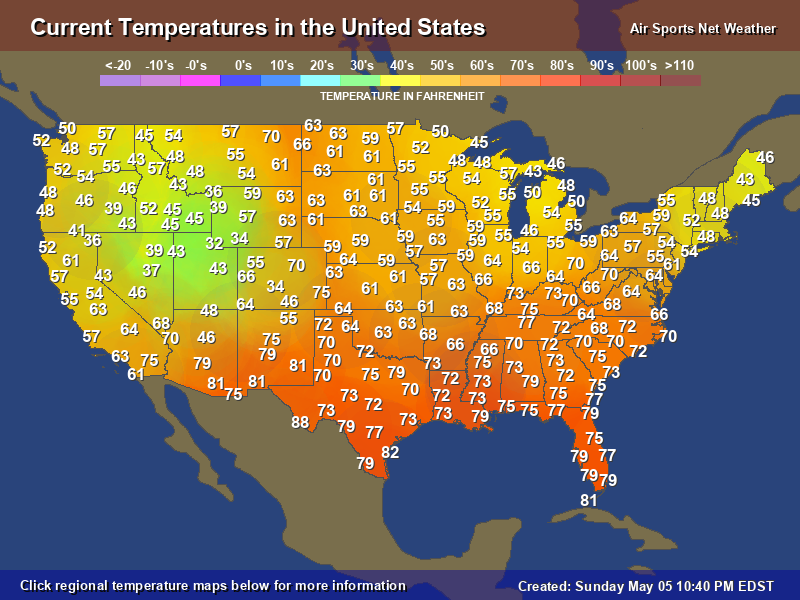
Coldest since April 9 or Mar 9th
-
1
-
November 2025 OBS Discussion
in New York City Metro
Posted
Records:
Highs:
EWR: 71 (1953)
NYC: 71 (1953)
LGA: 72 (1953)
JFK: 64 (2006)
Lows:
EWR: 18 (1933)
NYC: 19 (1933)
LGA: 27 (1959)
JFK: 26 (1959)
Historical:
1869 - Southwest winds of hurricane force swept the Berkshire and Green Mountains of New England causing extensive forest and structural damage. (David Ludlum)
1894: The temperature at Oklahoma City, OK fell to 9°, establishing their coldest reading for so early in the season. (Ref. Wilson Wx. History)
1927 - A tornado cut a seventeen mile path across Alexandria and southeastern Washington, DC, injuring 31 persons. The tornado struck the Naval Air Station where a wind gust of 93 mph was recorded. A waterspout was seen over the Potomac River ninety minutes later. (David Ludlum) (The Weather Channel)
1927: A tornado (at times to 260 yards wide) cut a seventeen-mile path through Alexandria, Virginia across the District of Columbia from the Navy yard to Benning Rd. & 19th St. NE and Northeast to East Riverdale, Maryland. This storm injured 31 people. The tornado struck the Naval Air Station where a wind gust of 93 mph was recorded.
1933: A cold wave dropped the minimum temperature to 17 °F in Washington, DC. (Ref. Washington Weather Records - KDCA)
1953 - The temperature at Minneapolis, MN, reached 71 degrees, their warmest reading of record for so late in the autumn. (The Weather Channel)
1955: An early season cold snap finally came to an end throughout Montana. Helena, MT experienced 138 consecutive hours of subzero temperatures, including a record low of -16°. Other locations from the Northwest to the southern Plains reporting record lows for the date included: Havre, MT: -26°, Sheridan, WY: -13°, Rapid City, SD: -5°, Billings, MT: -6°, Denver, CO: 5°, Spokane, WA: 9°, TX: 23°-Tied, Dallas (DFW), TX: 26°, Dallas, TX: 29°-Tied. (Ref. Wilson Wx. History)
1958: A deep upper level trough covered most of the west bringing record low temperatures. Bishop, CA recorded a low temperature of 5° which is the coldest November reading ever. This also broke their previous record by 11°. It was 10° in Idyllwild, CA tying their lowest temperature on record for November. Other record low temperatures for the date included: Alamosa, CO: -10°, Casper, WY: -9°, Flagstaff, AZ: -8°, Reno, NV: 1°, Burns, OR: 4°, Tucson, AZ: 24°. (Ref. Wilson Wx. History)
1959: The most severe November cold wave in U.S. history was in progress. Many locations from the Plains to the Appalachians reported record low temperatures: Williston, ND: -10°, Rapid City, SD: -9°, Duluth, MN: -9°, Aberdeen, SD: -8°, Sioux Falls, SD: -7°, St. Cloud, MN: -6°, Sioux City, IA: -4°, Rochester, MN: -4°, Waterloo, IA: -3°, Grand Island, NE: -2°, Scottsbluff, NE: -2°, Des Moines, IA: -2°, Madison, WI: -1°, Marquette, MI: -1°, Green Bay, WI: 0°, La Crosse, WI: 0°, Rockford, IL: 0°, Milwaukee, WI: 1°, Houghton Lake, MI: 1°, Chicago, IL: 3°, Peoria, IL: 3°, Columbia, MO: 4°, Springfield, MO: 4°, Springfield, IL: 4°, Indianapolis, IN: 4°, South Bend, IN: 4°, Ste. St. Marie, MI: 4°, Lincoln, NE: 5°, Topeka, KS: 5°, St. Louis, MO: 6°, Fort Wayne, IN: 6°, Kansas City, MO: 7°, Lansing, MI: 7°, Wichita, KS: 8°, Grand Rapids, MI: 9°, Dayton, OH: 9°, Lubbock, TX: 10°, Evansville, IN: 10°, Cincinnati, OH: 10°, Toledo, OH: 10°, Tulsa, OK: 11°, Pittsburgh, PA: 11°, Lexington, KY: 12°, Paducah, KY: 12°, Detroit, MI: 13°, Columbus, OH: 13°, Louisville, KY: 13°, Buffalo, NY: 13° ,Cleveland, OH: 14° , Wichita Falls, TX: 15°, Rochester, NY: 15° -Tied, Charleston, WV: 16°, Huntington, WV: 16° -Tied, Abilene, TX: 17°, Nashville, TN: 18°, Dallas (DFW), TX: 20°, San Angelo, TX: 20°, Bristol, TN: 20°, Dallas, TX: 21°, Oak Ridge, TN: 24°, Waco, TX: 25°, Austin, TX: 28°, San Antonio, TX: 30°. (Ref. Wilson Wx. History)
1987 - A storm in the Rockies produced 21 inches of snow at the Monarch ski resort in Colorado, with 14 inches reported at Steamboat Springs CO. Early morning thunderstorms in the southeastern U.S. drenched Mary Esther FL with 4.43 inches of rain. Gale force winds over the Great Lakes Region gusted to 49 mph at Johnstown PA. (The National Weather Summary) (Storm Data)
1988 - Another in a series of storms brought heavy snow to the mountains of the western U.S. Totals ranged up to 17 inches at Bob Scott Summit in Nevada. Winds around Reno NV gusted to 80 mph. The Alta and Sundance ski resorts in Utah received 14 inches of snow. (The National Weather Summary) (Storm Data)
1989 - Freezing temperatures overspread the southeastern U.S. in the wake of the severe weather outbreak of the previous two days. Eight cities reported record low temperatures for the date, including Gilbert AR with a reading of 8 degrees. A fast moving storm blanketed the Great Lakes Region and Upper Ohio Valley with snow during the night. Totals ranged up to 12 inches at Pellston MI and Little Valley NY. (The National Weather Summary) (Storm Data)
2008: Santa Ana winds blew across southern California courtesy of high pressure across the Great Basin. Winds gusted over 70 mph in the Santa Ana Mountains and over 60 mph in the northern Inland Empire. The Freeway Complex Fire burned from Corona through Chino Hills and Yorba Linda. This fire destroyed or damaged over 300 homes and four businesses. More than 30,000 acres burned and more than 40,000 evacuated. The ridge was responsible for record high temperatures including: Downtown Los Angeles, CA: 91°, Phoenix, AZ: 87°, Tucson, AZ: 87°, Bakersfield, CA: 84°, Hanford, CA: 82°, Merced, CA: 82°, Fresno, CA: 81°, Las Vegas,NV: 81°, Madera, CA: 80°, Bishop, CA: 77°, San Francisco, VA: 73°-Tied, Eugene, OR: 70°-Tied, Ely, NV: 69°-Tied and Quillayute, WA: 60°. (Ref. Wilson Wx. History)
2013: An unusually powerful storm system spun up five dozen tornadoes from the Great Lakes to the Tennessee Valley. Two EF4 twisters struck Illinois, hitting the communities of Washington and New Minden.
2014: As of the midday hours on Tuesday Nov. 18th, an unofficial snowfall measurement of 60 inches has been recorded in the past 24 hours in Lackawanna, New York, just south of Buffalo. However, snowfall of 4 feet or more has been observed in some of the south towns. Depending on the investigation of snowfall measurement activities, and if the intense snow continues through the evening Tuesday, there is a chance the 24-hour United States snowfall record may fall. That official record belongs to Silver Lake, Colorado, with 76 inches, spanning April 14-15, 1921. A report of snowfall of 77 inches in 24 hours at Montague, New York, was thrown out by officials from January 1997. Snowfall measurement of 60 inches just south of Buffalo, NY