Brewbeer
-
Posts
12,009 -
Joined
-
Last visited









-
29/28, another frosty one
-
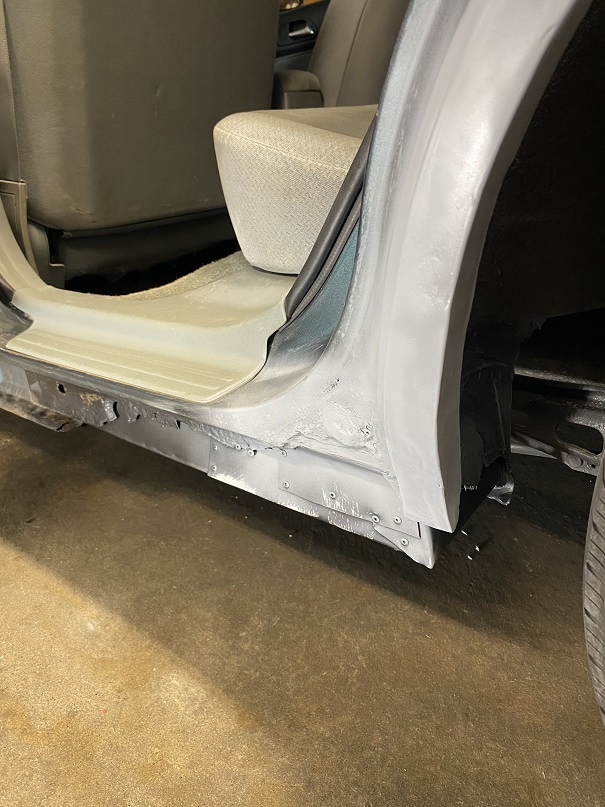
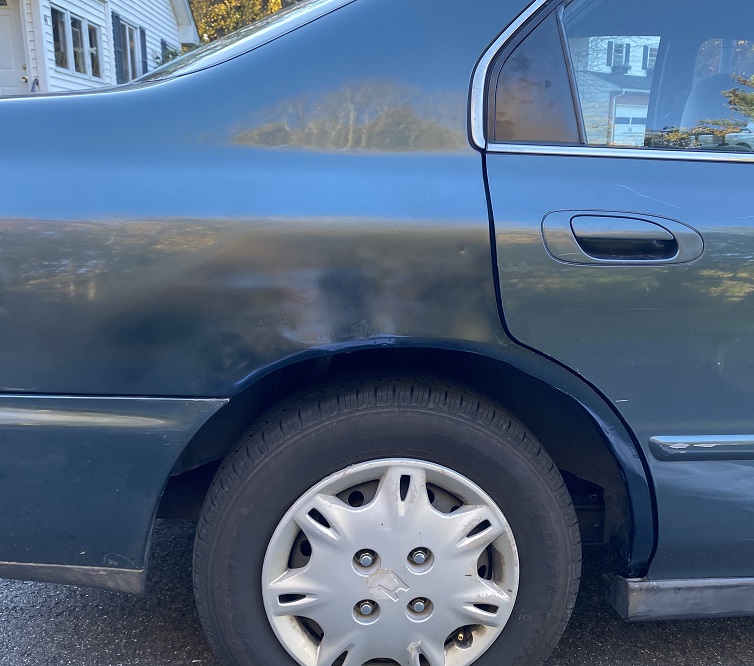
sun is going down and so is the temp, 59/39 antique honda is back in the garage, here are the money shots: it's a touch darker than the original, there's some orange peel and some of the new-to-old-transitions are visible but all-in-all not bad for bondo
-
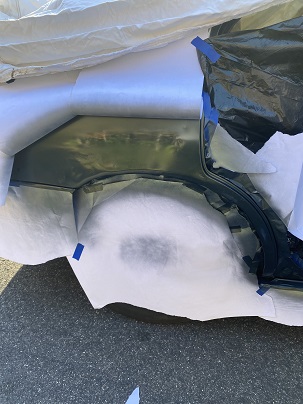
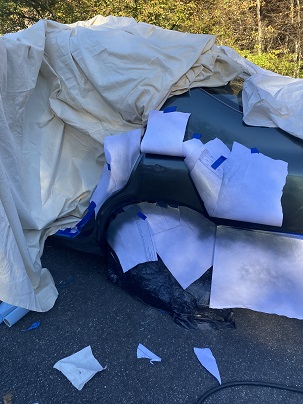
65/35, good spray painting weather progress report: base coats are on and drying, clear coat is next !
-
27/26, another frosty morning
-
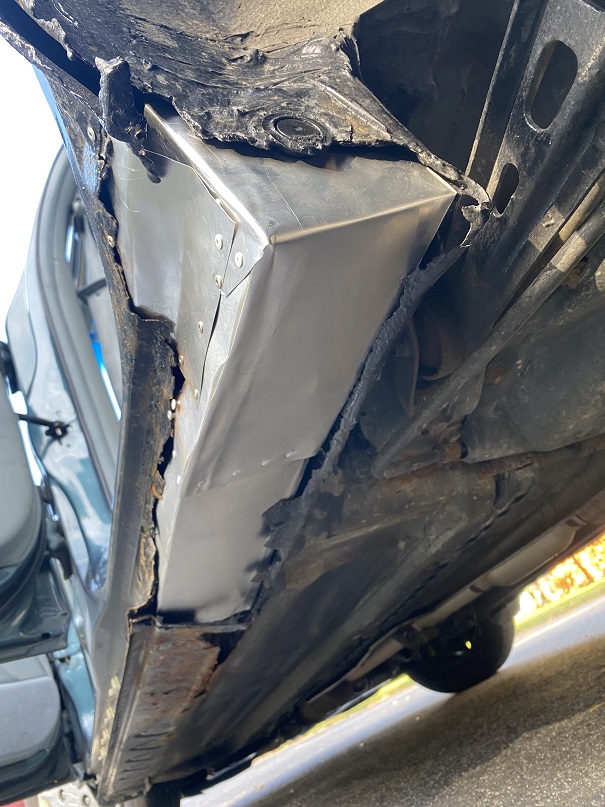
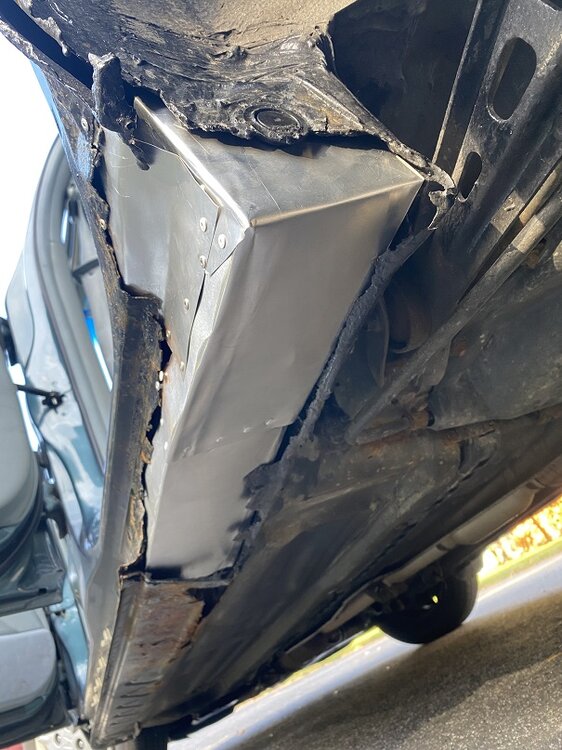
New England is hard on vehicles, living on the ocean makes it even worse, you can see the rust on the underside of the 97 Accord, my 02 Ranger (86K miles) is rusting too; and that is the next auto project, for next year the internet has lots of good things to say about applying a spray-on undercarriage protectorant like Fluidfilm; I'm going to treat the vehicles before winter. I was a bit heartbroken to see how much rust the antique honda actually had when I started working on it. had I known is was as bad as it was, I would have gone after it much sooner than I did
-
lots of reasons, the biggest is no payment on a car you own other reasons include they have cameras inside that watch you, they report your driving data to the manufacturer, the insurance is unreal if you have junior operator kids (2 here), they aren't repairable by the local shop until out of warranty, they are full of plastic and computers, etc. 5 cars and 2 kids in college both junior operators but honestly, new cars just don't have value vs. cost compared to the older models. the peak of north american automotive engineering from a reliability, repairability and value perspective, was about 20-25 years ago. both my accords have car-play aftermarket radios with remote mic and back up cameras; navigation from your phone and a great stereo are the only tech I really want out of my wheels
-
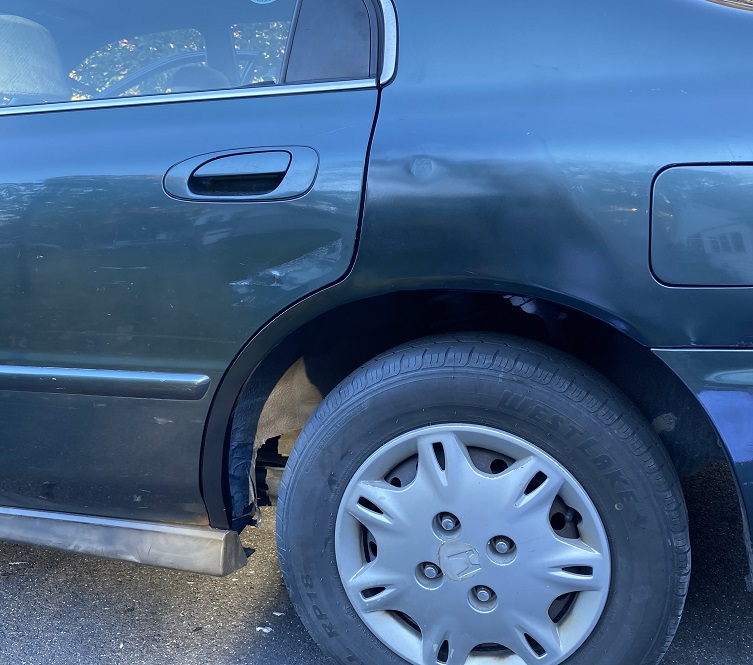
it's a 30 year old daily driver; it'll be good enough to cover up the holes and sharp edges and pass inspection i'll post photos of the final product tomorrow edit to add story: about 5 or 6 years ago my wife was backing the Camry out of the garage while the Honda was out parked in the driveway. she didn't inherit good eyesight and backed the Camry into the rear wheel well shown in the earlier photo, really messing up the wheel well on the Honda and totally messing up the paint on the bumper corner of the Camry. I just re-painted the Camry bumper corner along with some rust work I did in the wheel well. It came out great (Camry before photo, Camry after photo) and my wife was happy. now i'm fixing the other car involved in the collision, lol
-
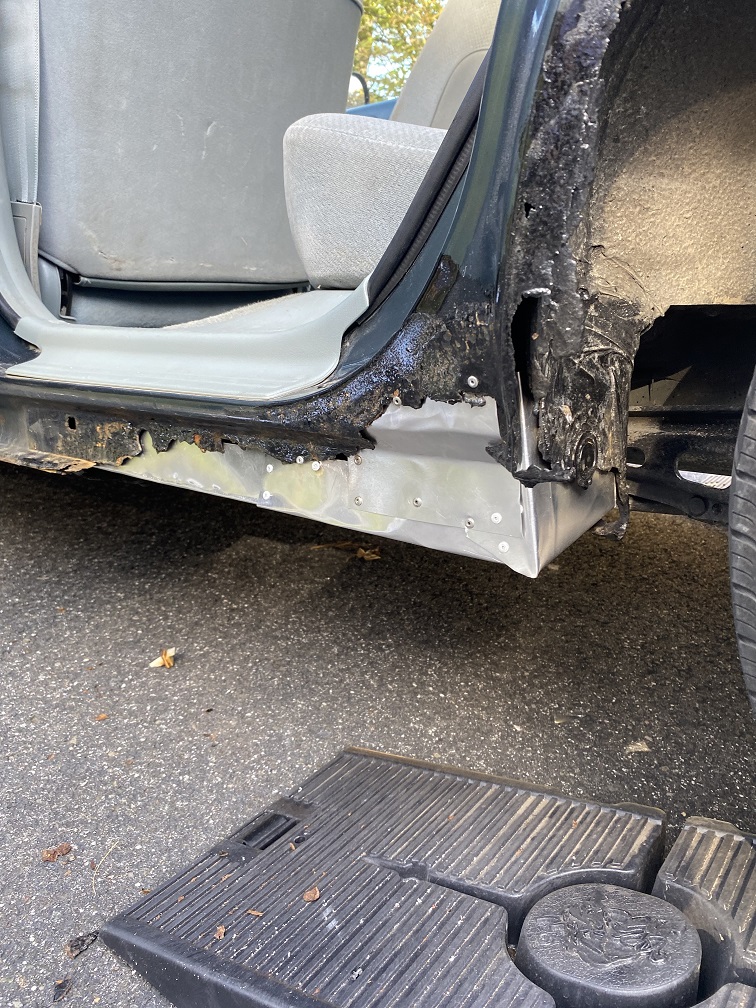
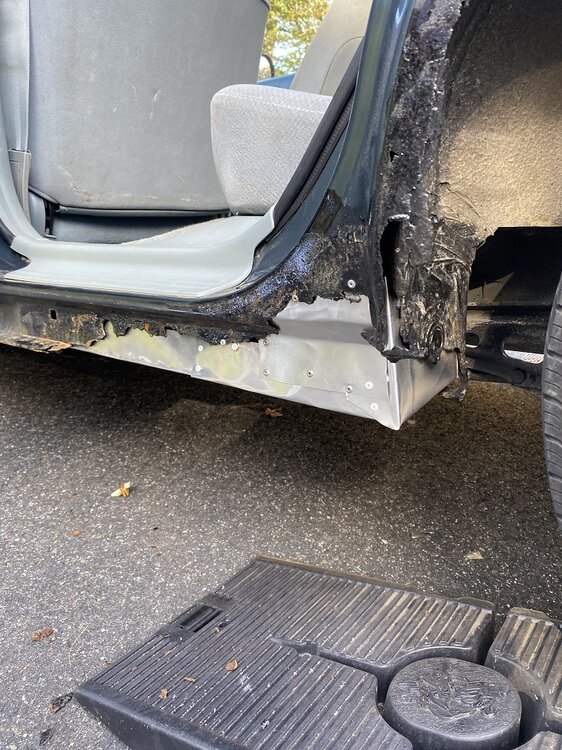
aluminum sheet metal and galvanized wire mesh to hold the bondo
-
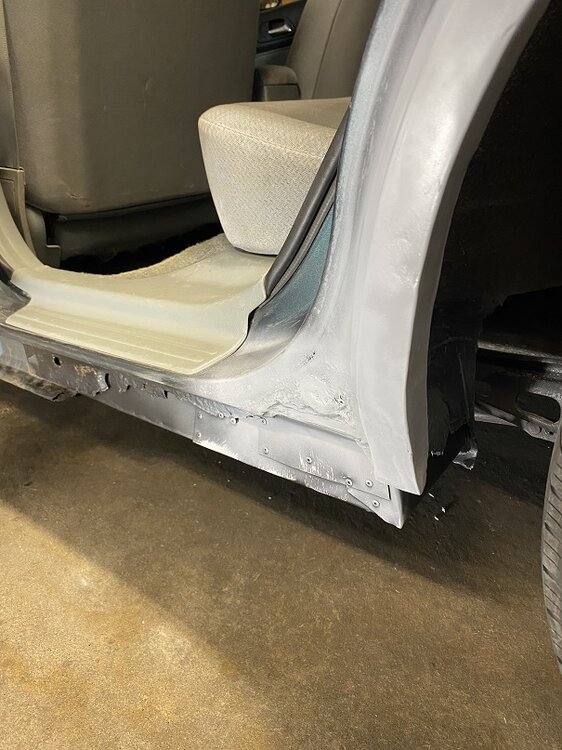
models are likely exaggerating like they typically do this far out today was superb weather, prepped the antique honda and ready for paint tomorrow
-
Yellow Medicine County, MN - Climate Fact or Climate Fiction?
Brewbeer replied to Cobalt's topic in Climate Change
the spike in rate of warming in the last 10-15 years is really impressive -
that would be nice, better than this weekend for painting the antique honda
-
27/27 with some high clouds here in frost valley
-
a bit cooler than desired, hoping to finish the patching and painting on the antique Honda this weekend
-
yep, tomatoes and peppers growing bountifully in the endless February sun angle sunshine 37/35 and frost free this morning
-
61/41 AWT breezy here, closed the garage door to keep the leaves out