
Hotair
-
Posts
548 -
Joined
-
Last visited
Content Type
Profiles
Blogs
Forums
American Weather
Media Demo
Store
Gallery
Everything posted by Hotair
-
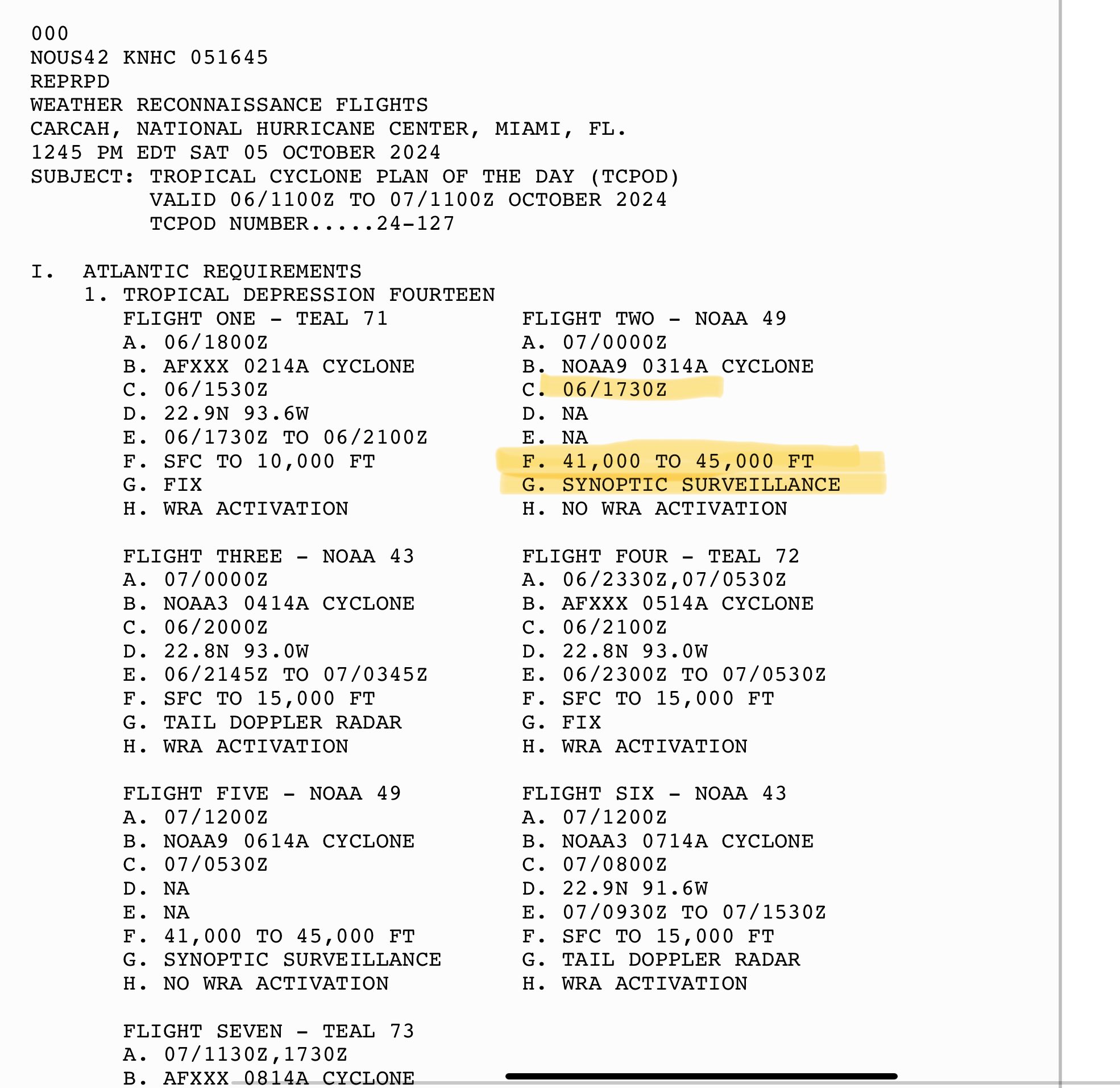
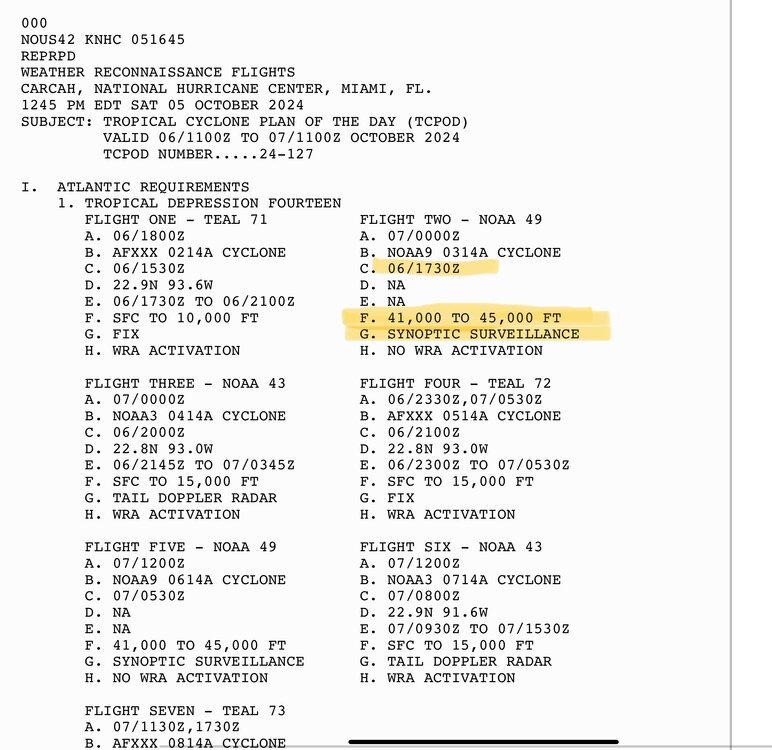
Michael Watkins on X states “recon plan (issued yesterday) has a synoptic surveillance mission scheduled to start soon - it will sample the steering environment to the north - these data will be included in the 0Z global models - which start coming out around midnight. Lots of flights on the docket”
-
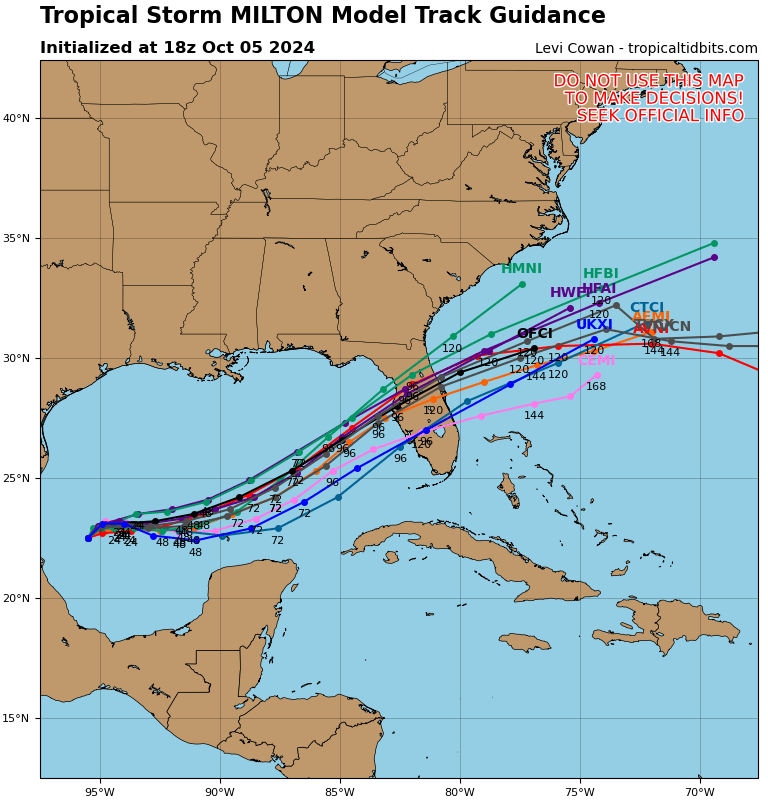
Both ICON and GFS 12z runs are terrible news for TB as they shift the storm track back toward worst case scenario. Icon makes LF around Bradenton and GFS around Crystal River
-
Recently Milton has moved very little. Nearly stationary. I am hoping this stalling will enable dry air to form along its path to land and take the edge off the RI that will certainly occur in the next 24 hours as it crosses the bath waters and low shear environment currently in its path
-
The telegraph and anenometers used by ships and weather stations communicated the paths of the storms. These have been preserved and captured visually.
-
I can’t disagree more with this. But I want to explain why in a respectful way that doesn’t fall into the banter arena as we are in storm mode. Hence, allow me to borrow from Jack Beven’s expert analysis: The intensity forecast has a lot of complexities. First, Milton is a small cyclone, and such systems can both strengthen and weaken very rapidly. Second, while the cyclone is going to be in a favorable environment through about 60 h, it will encounter strong shear and dry air entrainment after that time. Third, the proximity of a frontal system over the northern Gulf of Mexico and Florida suggests the possibility that Milton will undergo extratropical transition at some point during the forecast period. The intensity guidance continues to show a significant spread in the forecast peak intensity in 60-72 h, with possibilities ranging from category 1 to category 5 strength. Also, some of the intensity guidance forecasts Milton to rapidly weaken over water after peak intensity, while other models suggest the storm will only weaken slightly. The new intensity forecast follows the trend of the guidance and shows Milton reaching a peak intensity of 105 kt at 72 h. However, this is below the intensity consensus, and it would not be surprising if the storm gets stronger. Milton is expected to weaken and start extratropical transition while over Florida, with the transition completed by 120 h. Regardless of the details, there is increasing confidence that a powerful hurricane with life-threatening hazards will be affecting portions of the Florida west coast around the middle of this week. Residents there should closely monitor this system and listen to local officials.
-
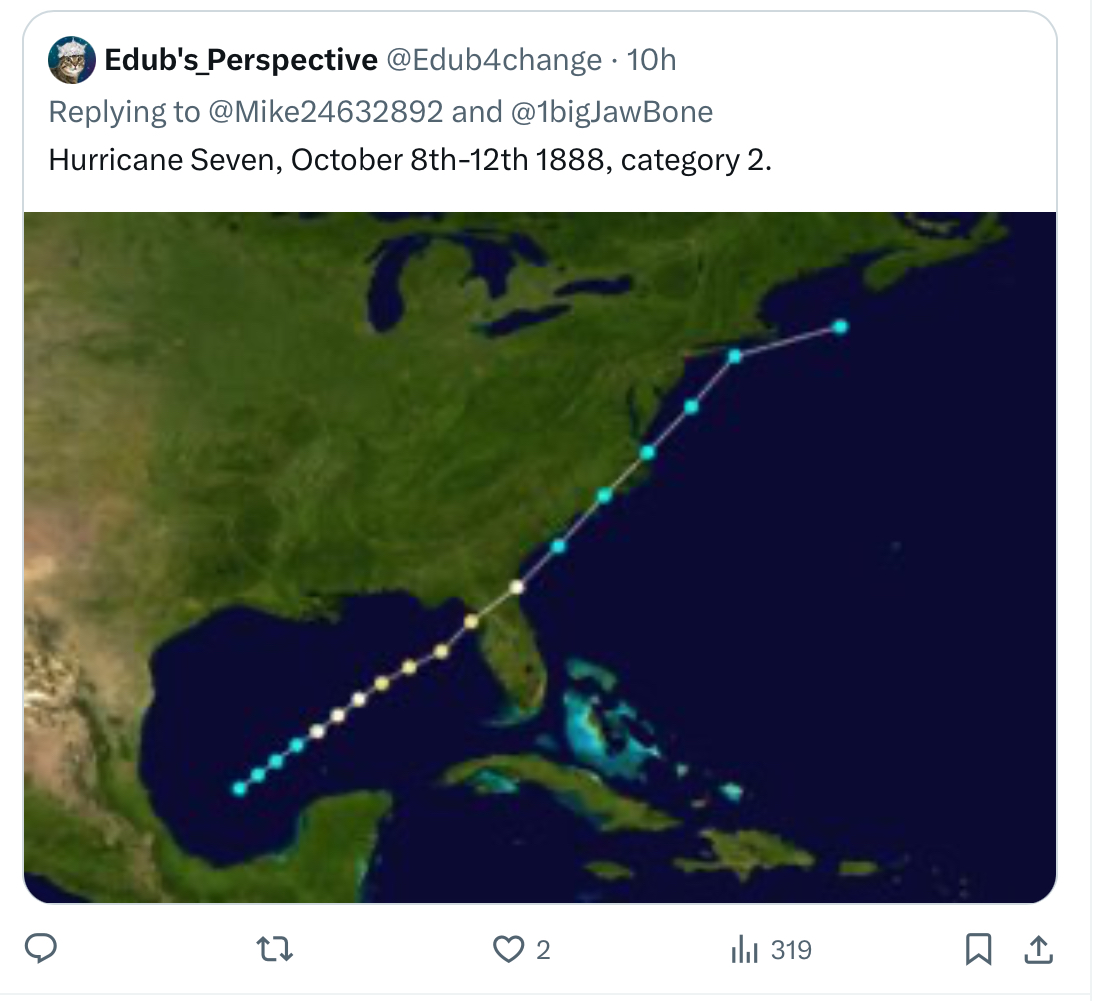
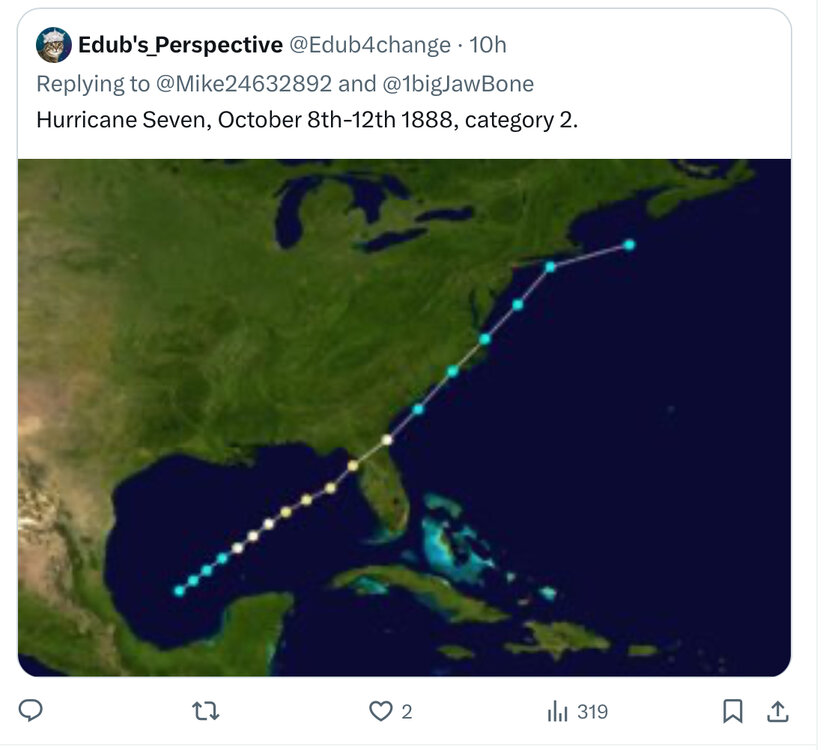
According to this, Milton’s trajectory is so unusual that one has to go all the way back to 1888 to find a similar storm track
-
This was absolutely necessary. A shame it didn’t get started yesterday.
-
For us here in the TB area the only positive aspect to this storm presently is how small it is. Much smaller than Helene was. Therefore, the major wind impacts are likely to be felt over a much narrower swath of real estate. Any minor wobble to the South of the Metro area could spare this highly populated region from catastrophic winds and surge. It’s the stubborn models that for now curve it northward that worry me most.
-
South Tampa. Also friends in St Pete Beach across from the Tradewinds Same thing hundreds of streets with houses that have puked their guts unto the driveway. Raining hard now
-
We are not ready for any level of storm in Tampa Bay rapidsave.com_1_of_100_blocks_around_me_are_like_this-rp5by8ftv0td1-360.mp4
-
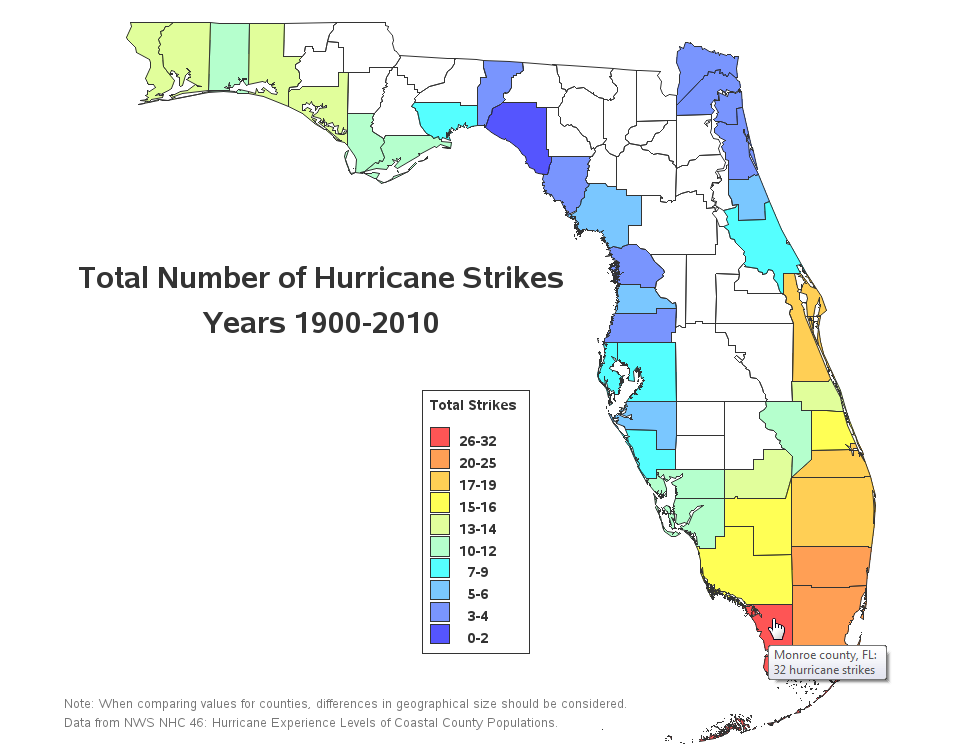
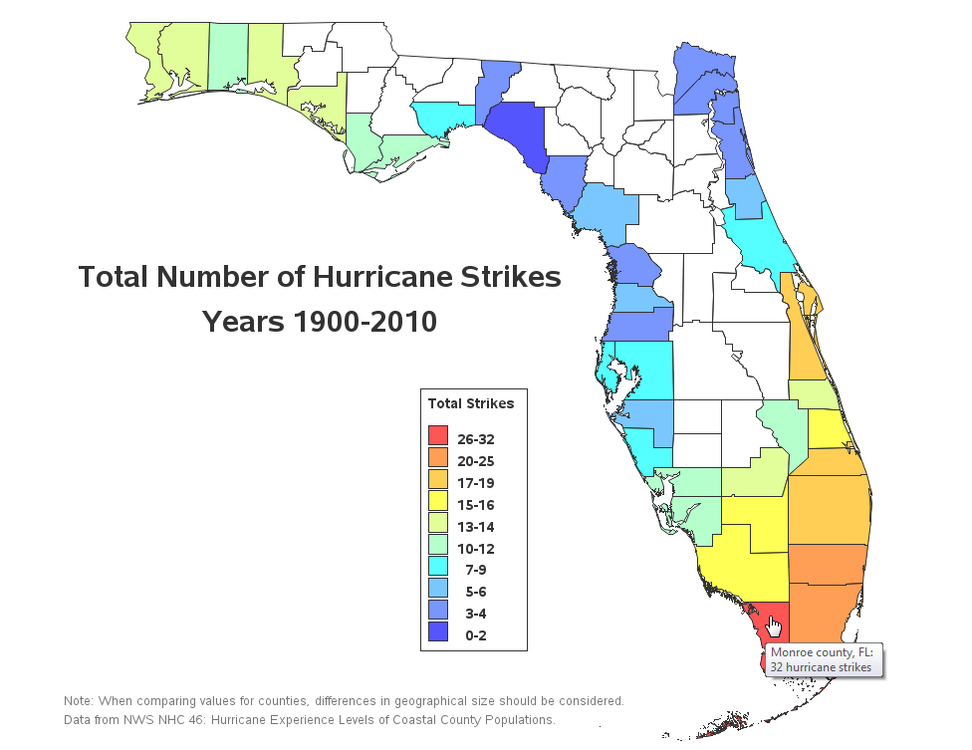
110 years of hurricane data reflects just how fortunate the West Coast has been in the last century.
-
And those just hit need to meticulously document with photos and videos the current state of their homes and roofs A wind event will likely be fought tooth and nail by the insurance companies who will argue for prior storm surge flood damage.
-
That’s the thing. Few people I see are dealing with this yet. Plus the city has no real plans to deal with the garbage that is being generated by the flooded homeowners who are stacking their wet junk outside their driveways. I am terrified.
-
One of the key points made by NHC in this latest advisory is as follows “the average NHC 4-day track error is about 150 miles” hopefully (for TB’s sake) NHC’s track error on this one is an outlier.
-
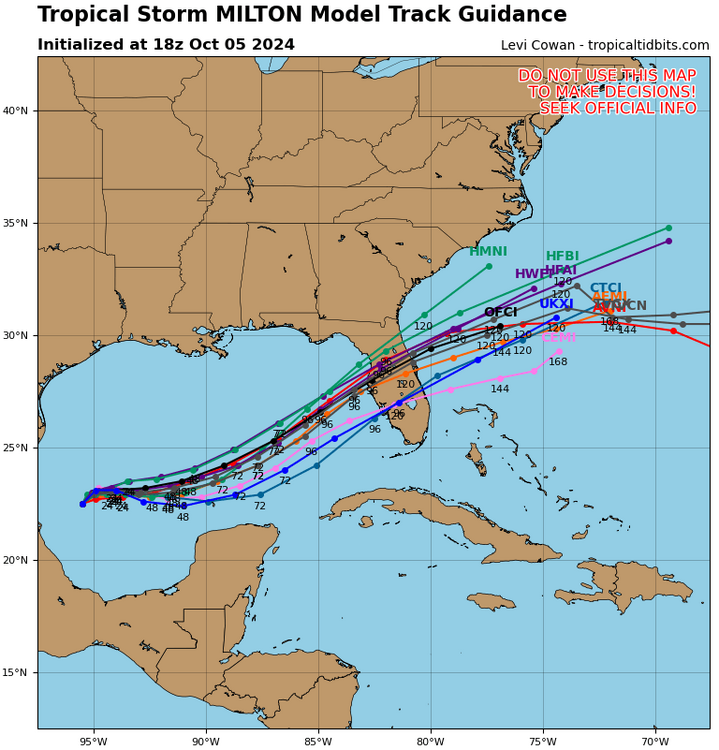
Split but the vast majority of tracks favor the devastation of TB at the moment. The tight bundling leaves relatively little room for track error
-
Given it affects the largest population center in Western Florida, it most certainly is.
-
Model agreement seems to be converging We could hope for some dry air front or some other system to disrupt Milton somewhat but each hour makes a miss less likely. I believe mets will tell you yes there is always a possibility with nearly 3 days out
-
I don’t think many people from outside the area here fully appreciate the situation we find ourselves in here around the shore areas of Tampa Bay there’s literally piles ten feet high of debris , discarded furniture, appliances and miscellaneous crap up and down the coast for miles and miles. I doubt much of it will be picked up by the time the rains hit. Any surge or even just heavy rains in this area will push that stuff into houses and cars and create tremendous hazards for anyone caught in the flood path. if we get cane strength winds ahead of the flooding then all those items will also go flying. I mean you couldn’t script a more damaging scenario if you tried. i also failed to mention how all that crap by the side of the roads will certainly clog up our storm drains in short order. A mild surge can then turn into a major flood even in areas that don’t normally flood.
-
Ugghhh. There is no scenario evolving where the Tampa Bay Area is not at risk of major flooding yet again. We have debris from Helene piled up for miles along the roads some reaching ten feet high. Flood waters will just carry that stuff and smash it everywhere.
-
When we talk about a weak system moving into TB, are we talking weak as in weaker than what TB experienced with Helene as she stayed 150 miles offshore? I’m gonna guess not. the area still has lots of debris sitting in the open from the prior storm. Saturated ground, and compromised structures. Any system moving water into the bay will be a major one-two punch for many here.
-
Nightmare scenario for Tampa Bay. Imagine navigating the insurance complexities of back to back flooding events combined perhaps with wind damage this time around? I know someone who wrongfully skipped on flood insurance because of his elevation on the map (zone C) only to see nearly 6 inches of water yesterday in his home because the storm drains were at capacity and the retention pond behind his house kept filling up
-
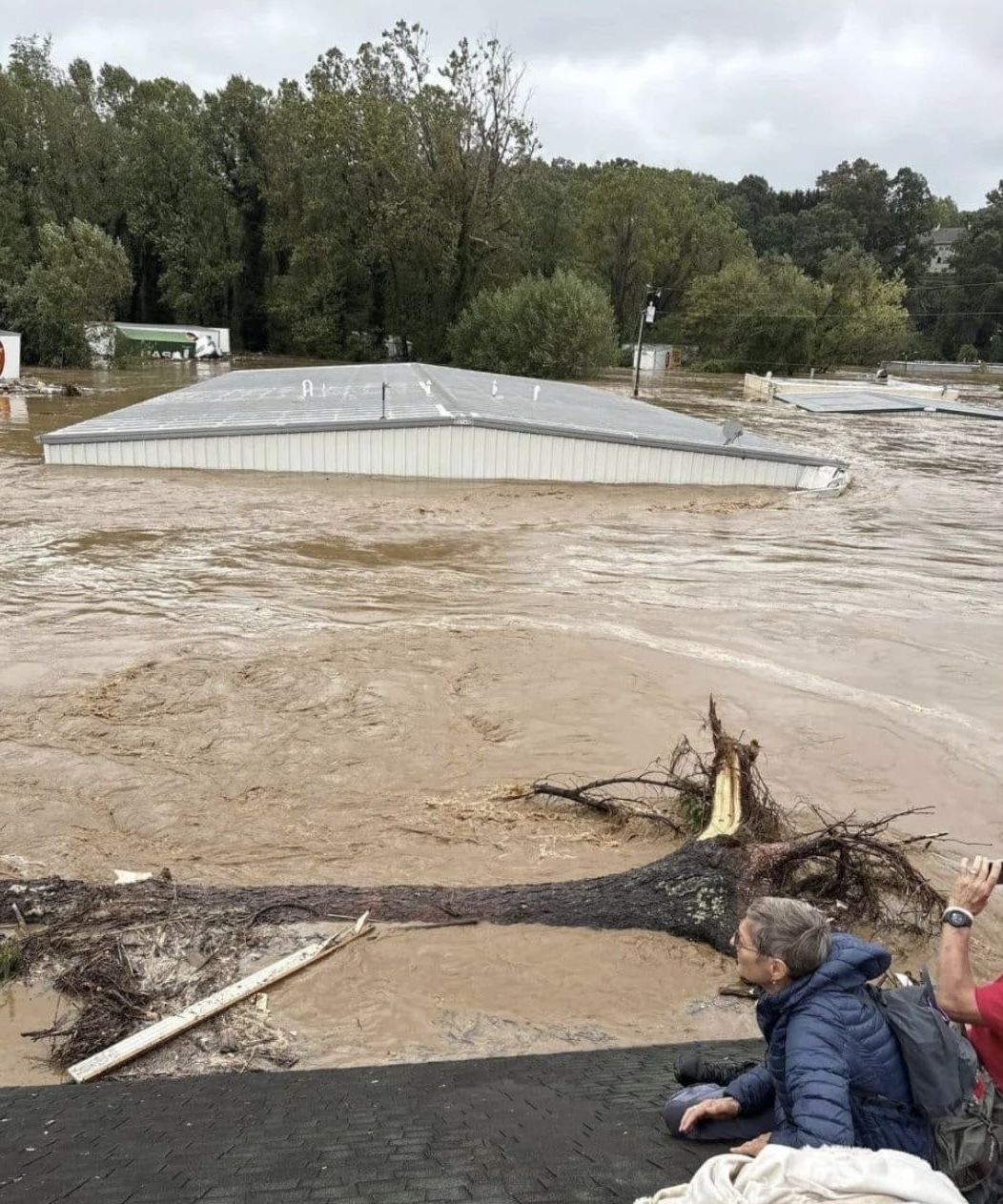
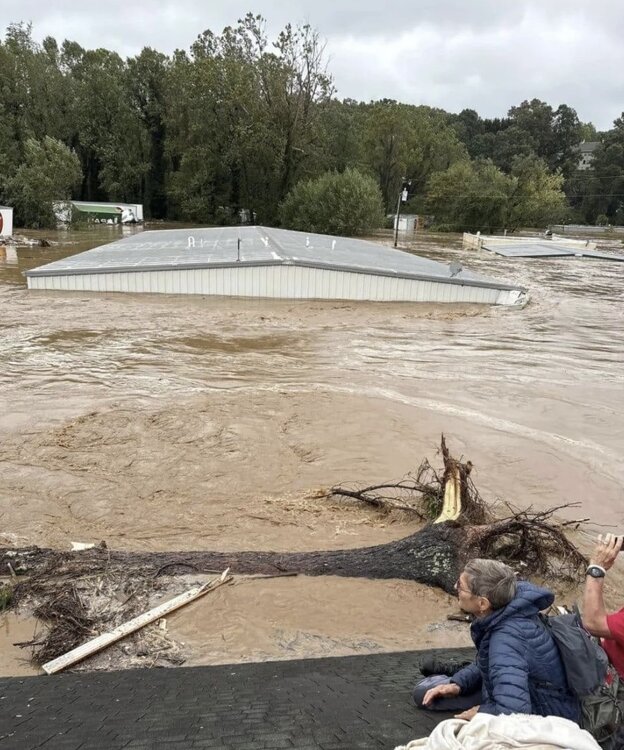
Last image of a wife and husband in Asheville, NC sheltering from the flood on a roof. The roof would soon collapse, causing them and their 6 year old grandchild to drown.Their daughter and mother of the child took the photograph. When the roof collapsed, she got wedged between debris and was able to be rescued an hour later.
-
Interesting fact about Asheville NC. Asheville is over 2,000 feet above sea level, and ~300 miles away from the nearest coastline. A reminder that storm flooding can be a huge problem for many areas of the country, not just coastline communities.
-
At least it had the courtesy of clearing itself off the road after.
-
First fatality due to Helene being reported. Sign falls onto Car