
chubbs
-
Posts
4,219 -
Joined
-
Last visited
About chubbs

-
Brownsville Experiences Hottest September on Record
chubbs replied to donsutherland1's topic in Climate Change
https://bsky.app/profile/bmcnoldy.bsky.social/post/3mwss7mmx2k26 -
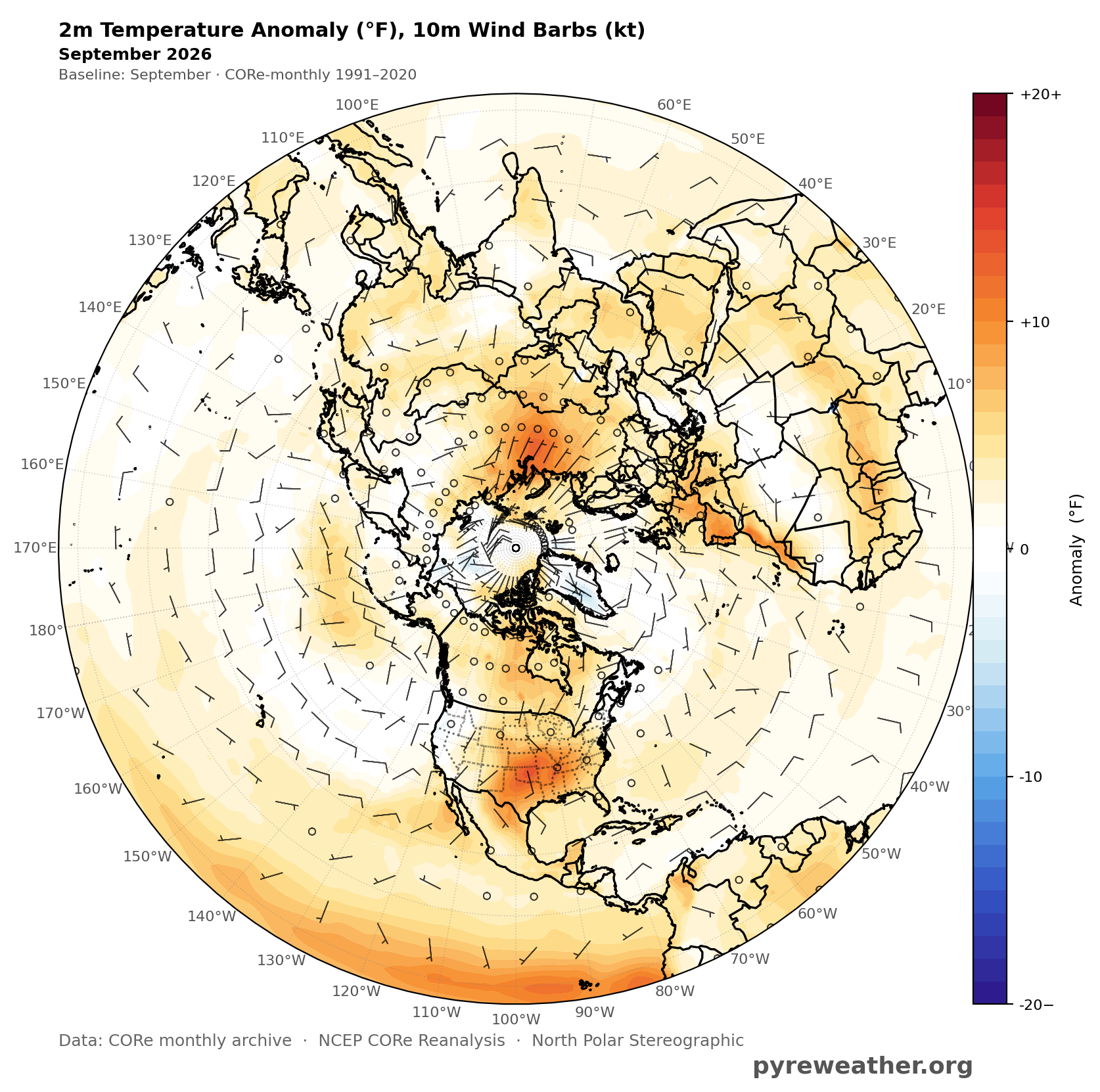
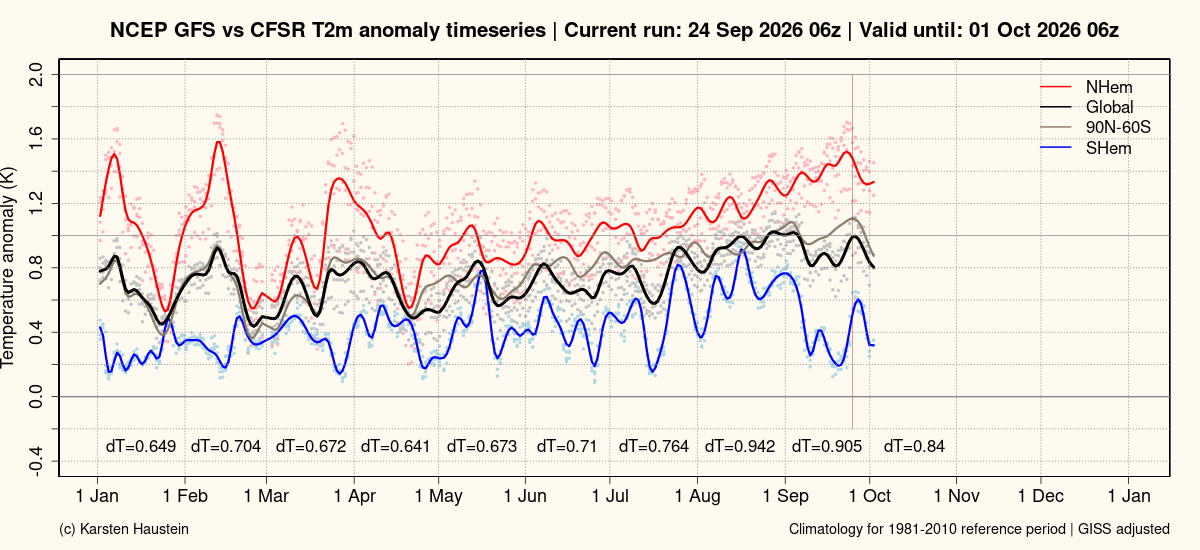
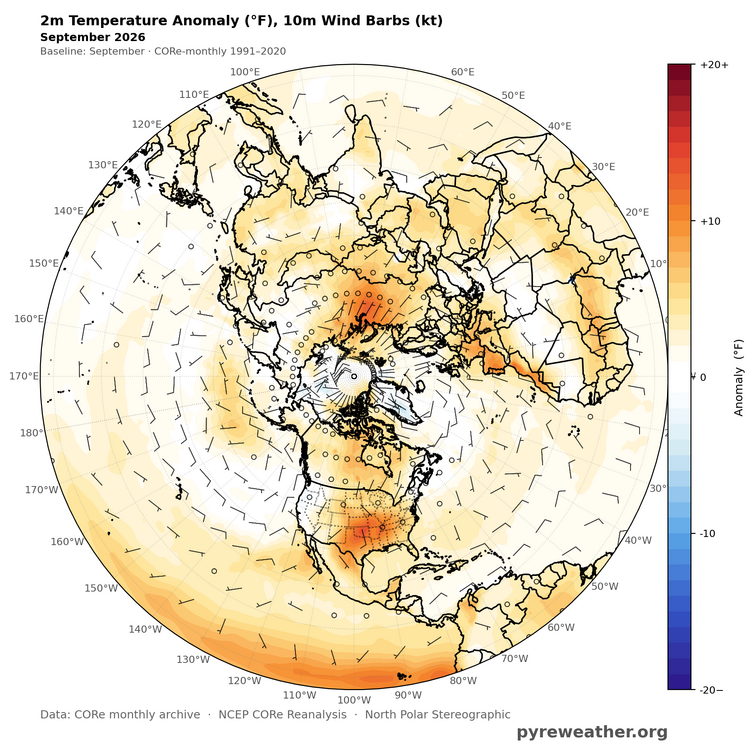
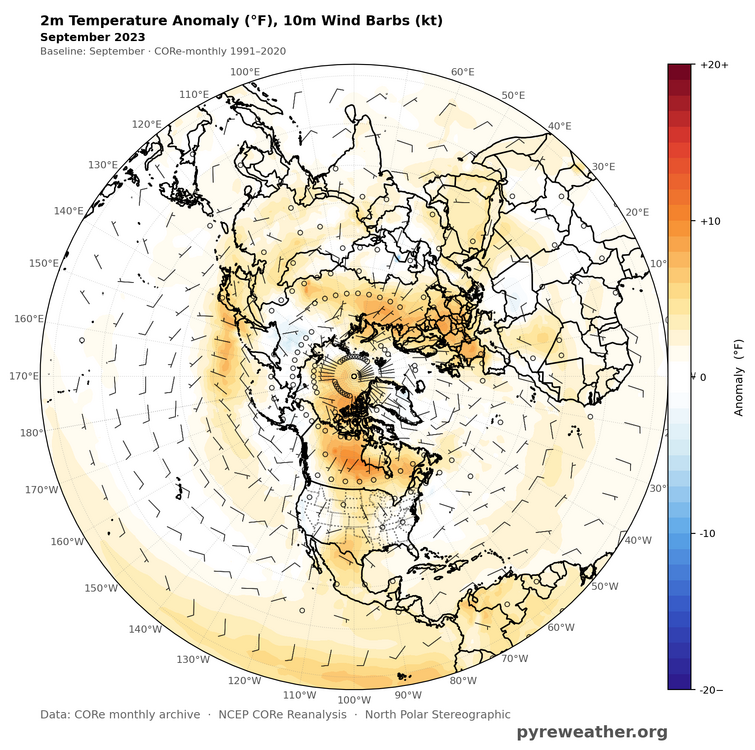
Yes, compensated by more NHEMI warmth in the US, and the tropical and sub-tropical Pacific this year. The antarctic had a bigger impact on global and SHemi temperatures than the arctic because it has strong anomalies and its influence extends to nearby sea ice and ocean.
-
https://bsky.app/profile/khaustein.bsky.social/post/3mwqu6hrps22s
-
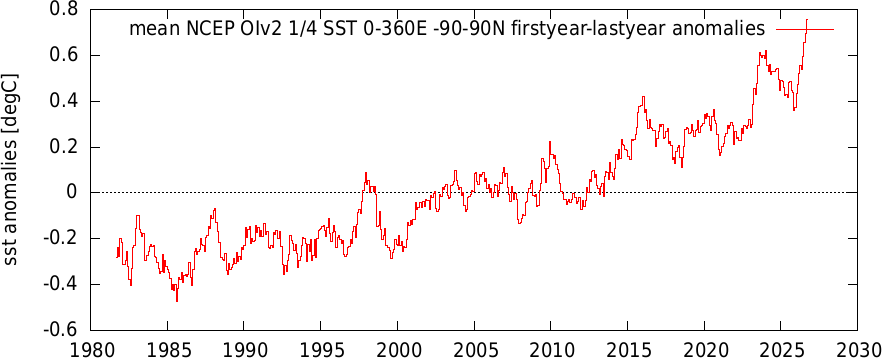
The spike in global satellite sea surface temperatures is similar in magnitude to 2023. This September is 0.15C warmer than Sept 2023 and 0.14C warmer than the peak in Jan 2024.
-
Chester County PA - Analytical Battle of Actual vs. Altered Climate Data
chubbs replied to ChescoWx's topic in Climate Change
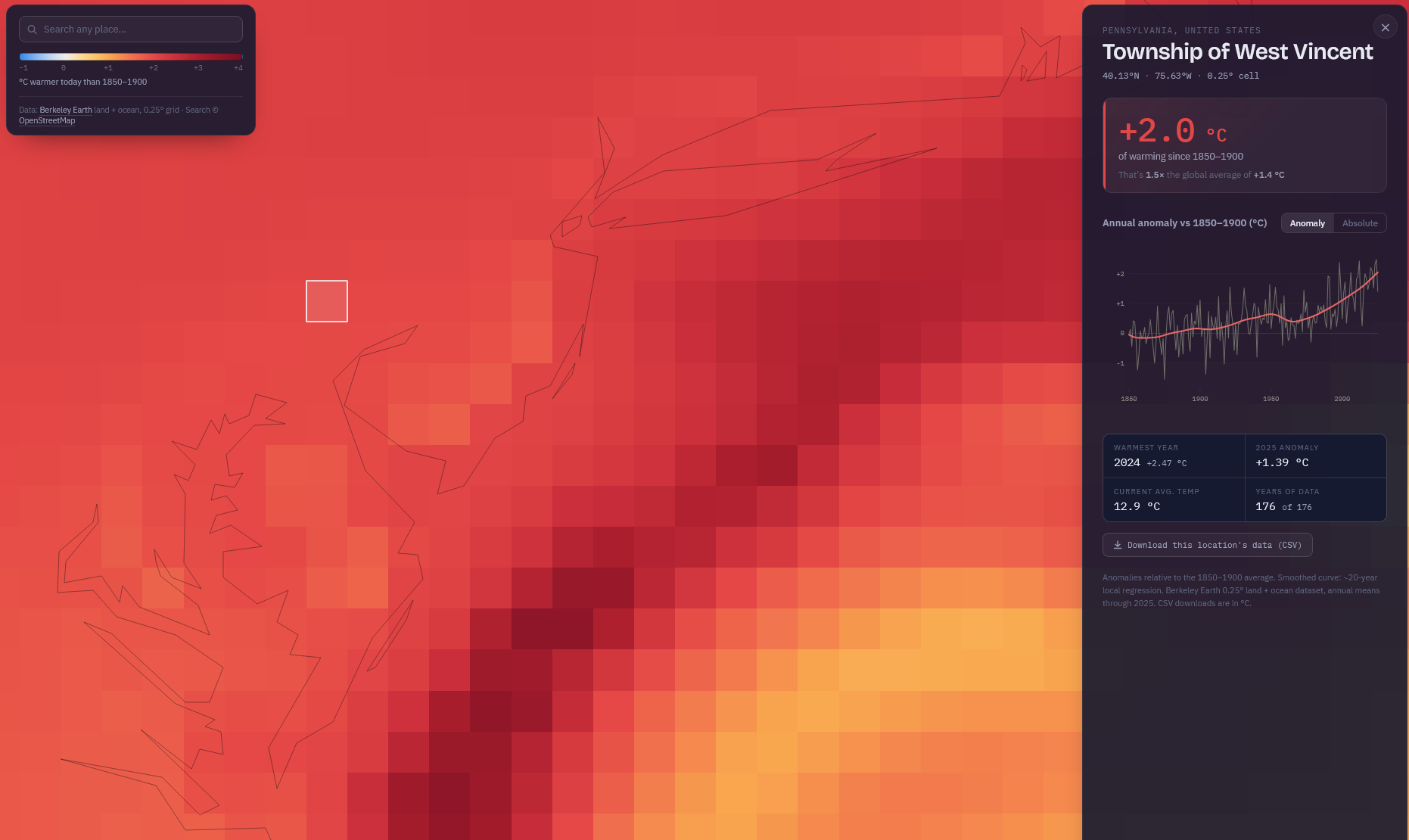
Here's warming since 1850 for the Mid-Atlantic in the new Berkeley dataset. Chester County has similar warming to the region as a whole. The Berkeley warming in good agreement with NCEI, and other groups. https://dashboard.theclimatebrink.com/#map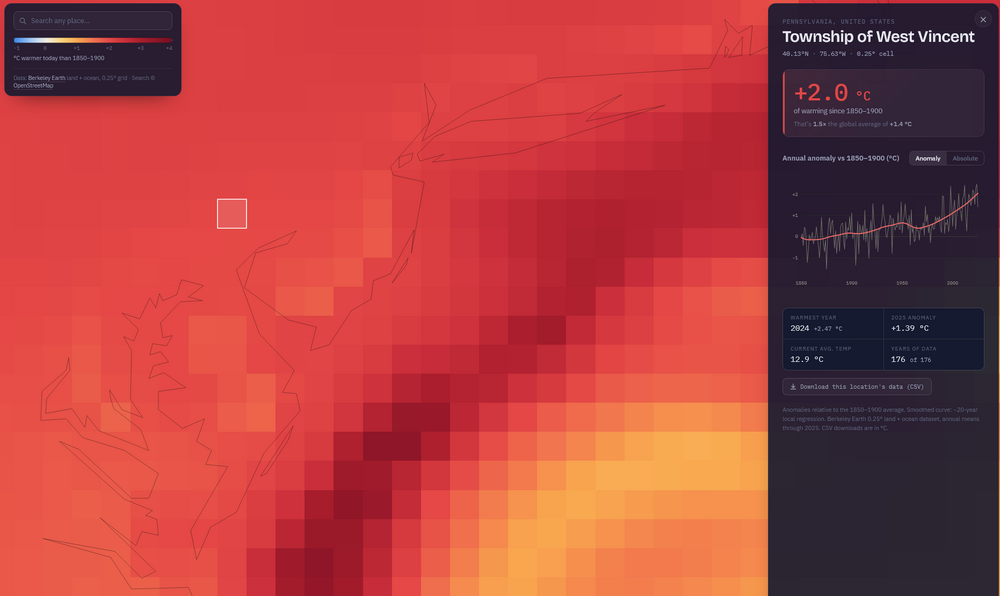
-
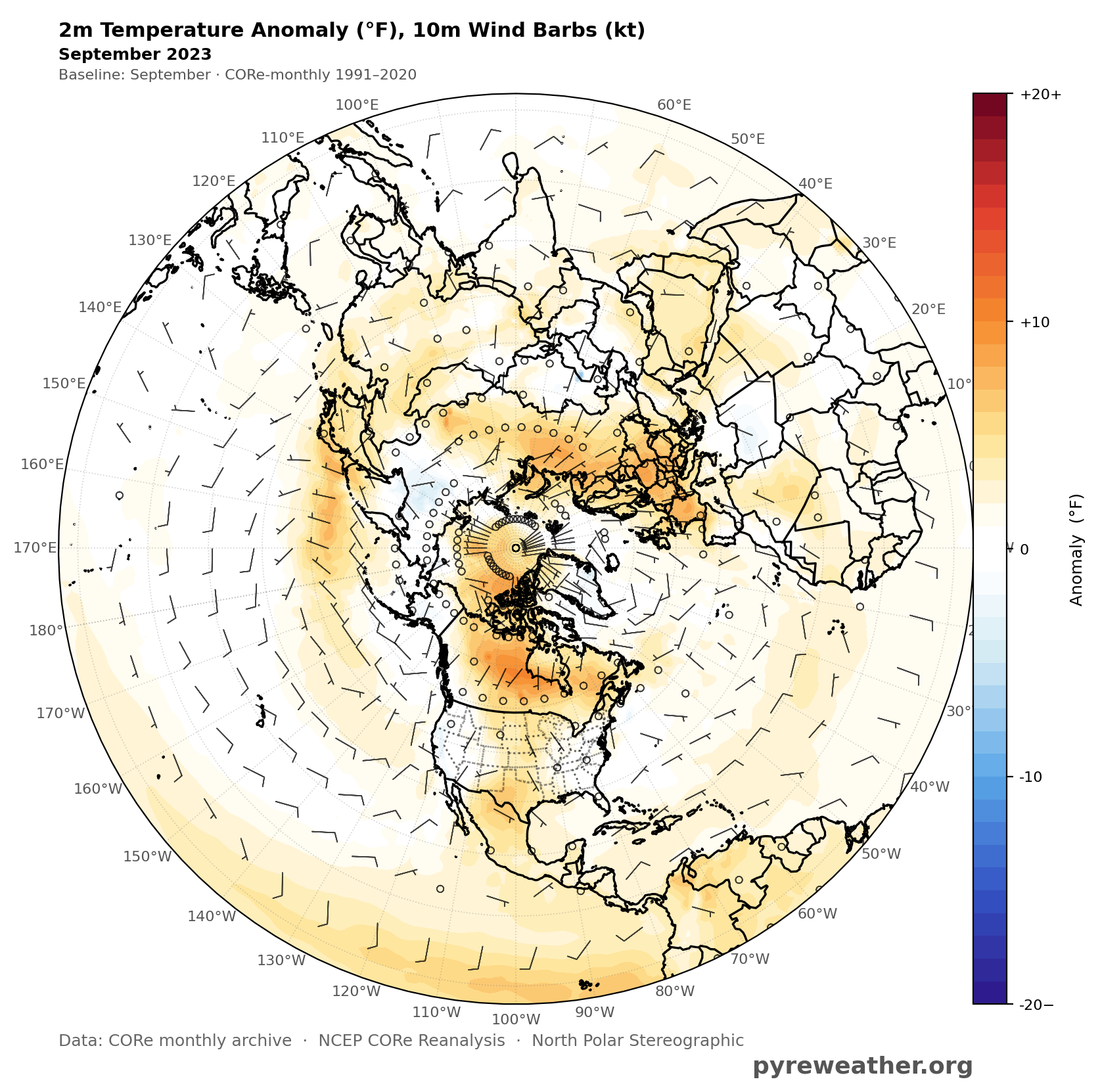
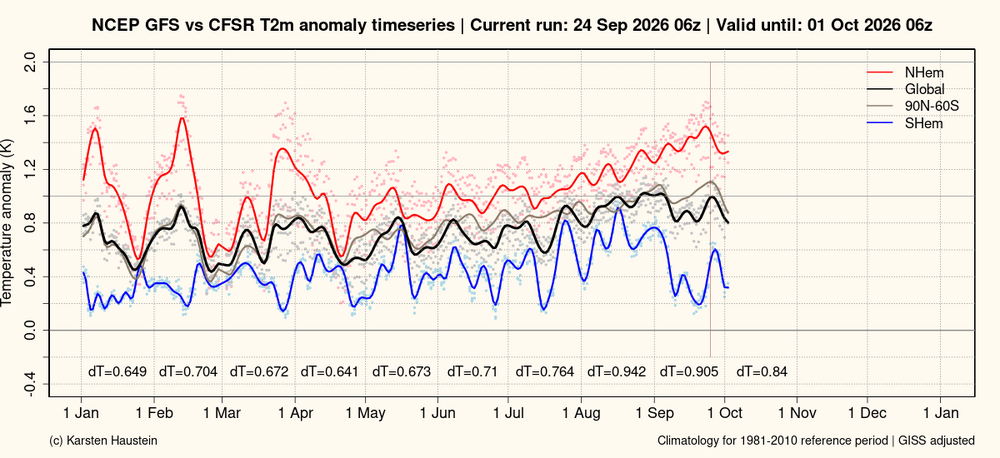
Globally September will end up cooler than August, due to a cool Southern Hemisphere paced by Antarctica. In strong contrast to September 2023 when a very warm Antarctica contributed significantly to "gobsmacking" warmth.
-
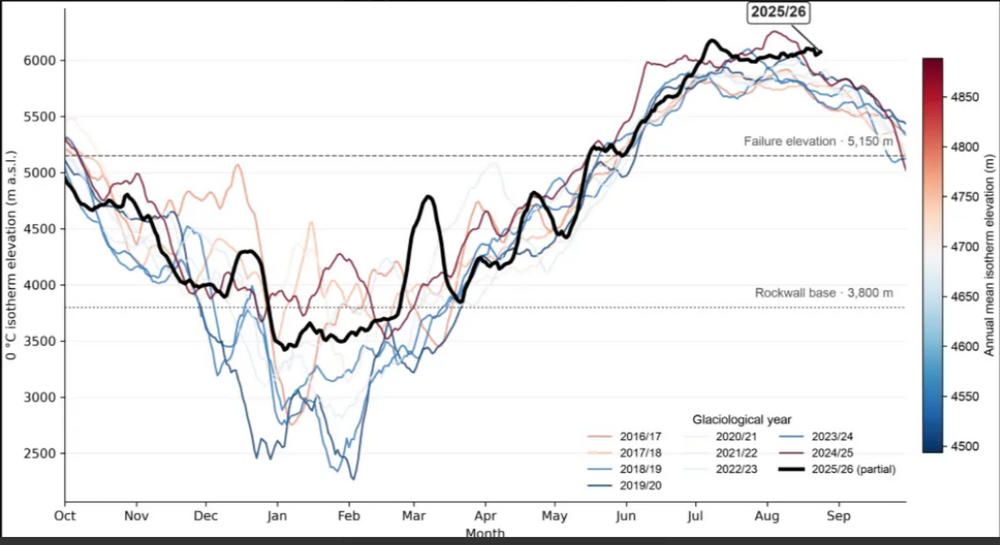
World Weather Attribution report on the Nepal landslide. Too early for definitive attribution; but, report covers the various climate-related modes of slope de-stabilization. Also shows that strong melting was present at and well above the zone that failed. In agreement with the melting discussion upthread. A strong earthquake in 2015 also may have pre-disposed the slope for failure. https://www.worldweatherattribution.org/rapid-warming-in-the-himalaya-exacerbates-geohazard-cascades-beyond-adaptation-limits/
-
Chester County PA - Analytical Battle of Actual vs. Altered Climate Data
chubbs replied to ChescoWx's topic in Climate Change
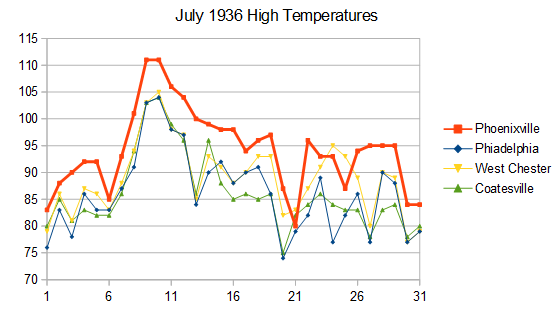
Why Phoenixville has the state record is covered in this thread. Phoenixville ran much warmer than other local stations on summer afternoons between the mid-1920s and the 1948 move. Probably due to a shelter that didn't provide adequate sun shielding. The spike in 90F days in the 30s and 40s shows the time period when Phoenixville ran warm. In the month when the state record was set, July 1936, high temperatures were 6-7F higher in Phoenixville than other local stations. Another reason why the raw data in Chester County requires bias adjustment.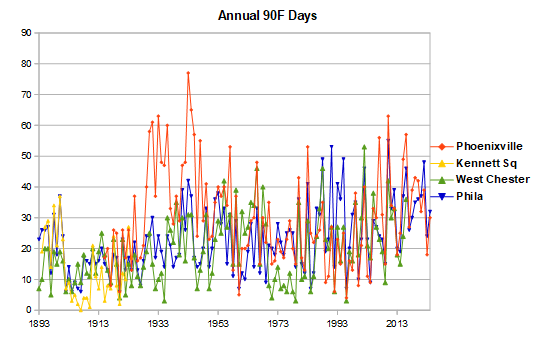
-
"The long-duration warmth in Colorado continued in August 2026, which was the hottest August on record statewide. The entire state was warmer than average, and the Front Range, mountains, and western slope all had their warmest August on record. It was the third record-breaking month of 2026 so far, with February and March also being the warmest on record. It was the 15th consecutive month of above-average temperatures in Colorado" https://climate.colostate.edu/monthly_summary.html

-
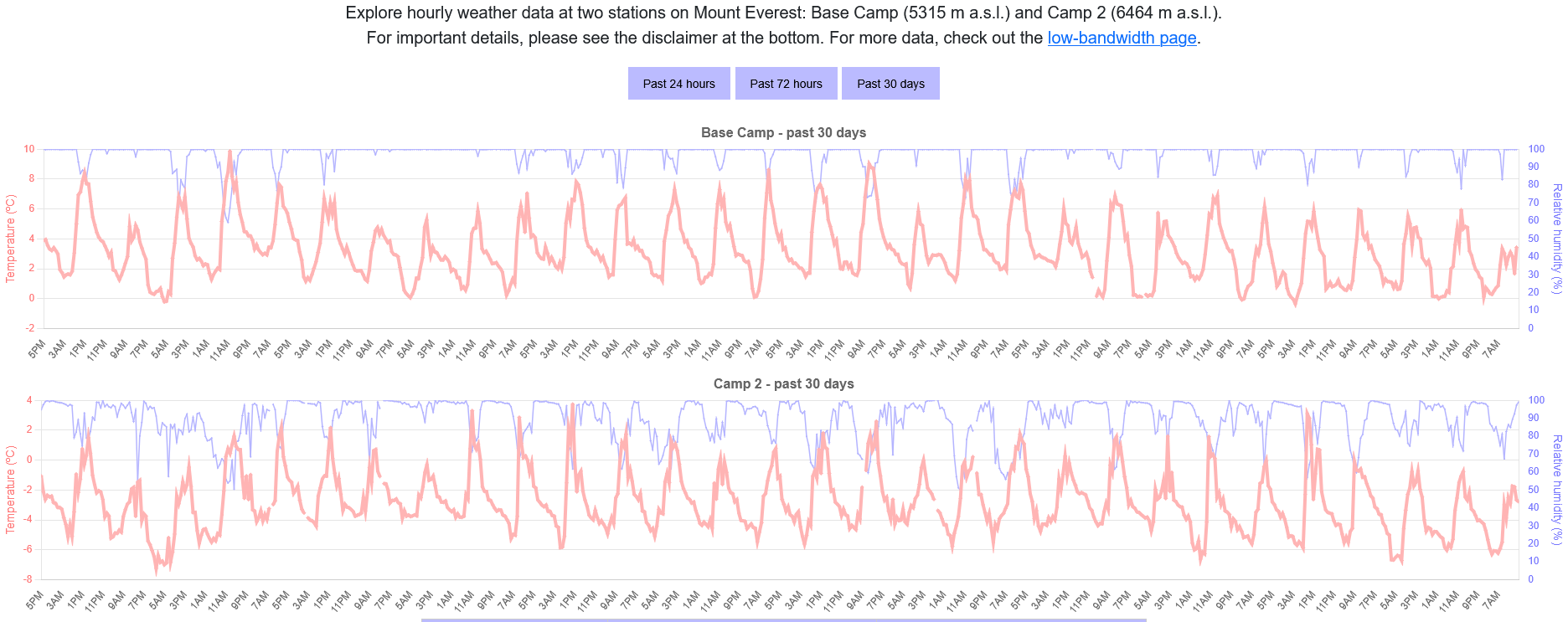
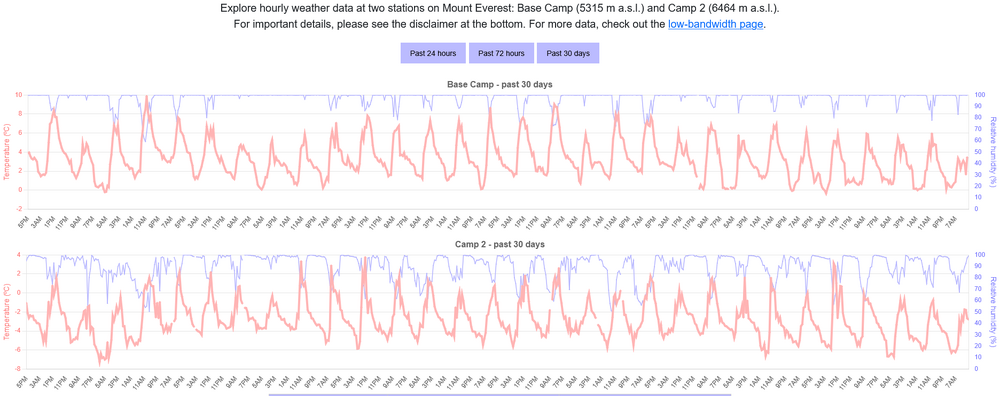
Here' the past 30 days temperature data for the Everest Base Camp. All days are above freezing, reaching as warm as 10C. Temperatures below freezing have been rare in the past month. Even Camp 2 at 6464m has been above freezing most days. It took me a few seconds to google up this data. https://scidata.appstate.edu/everest/
-
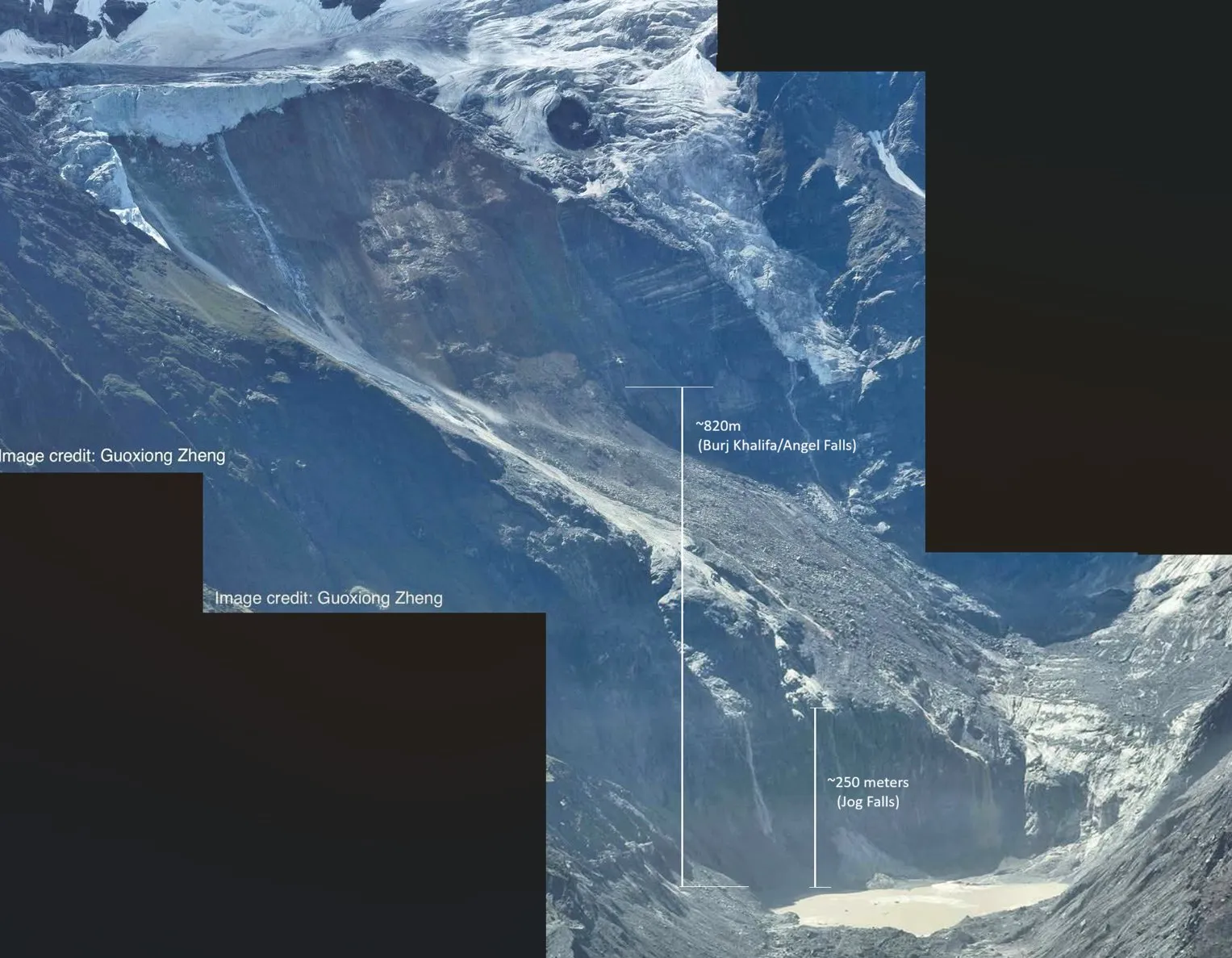
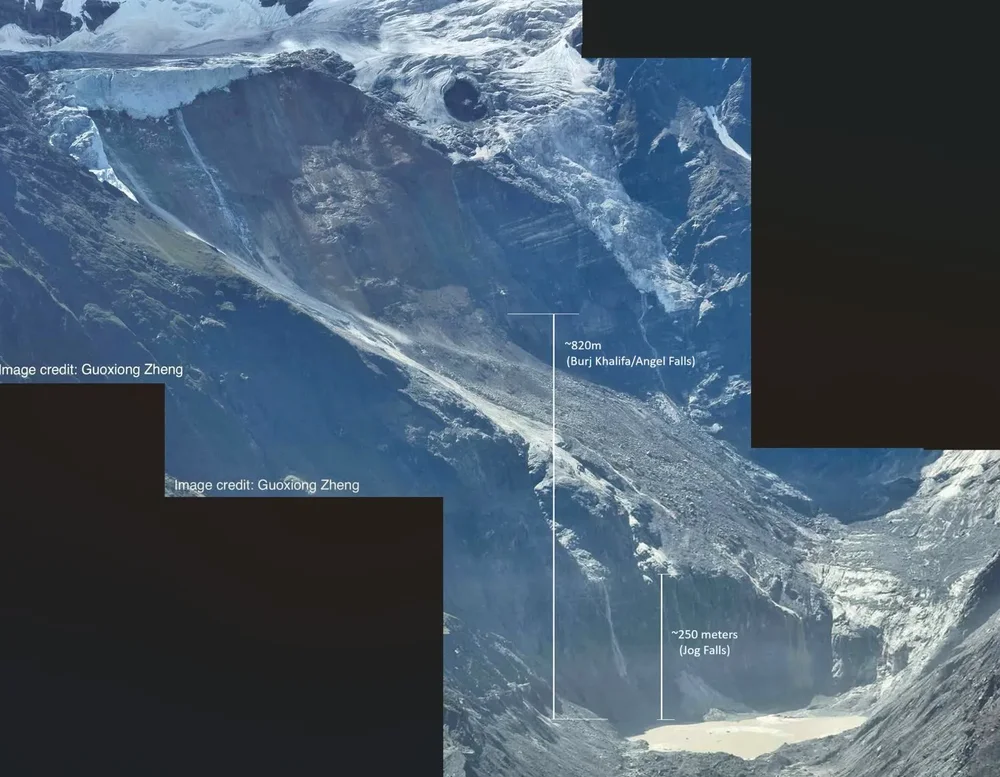
A post-collapse picture of the Nepal avalanche site shows multiple meltwater streams from the glacier remains. Including those clearly sourced from cooler elevations above the collapsed zone. Further supporting the above freezing temperature estimates for the site.
-
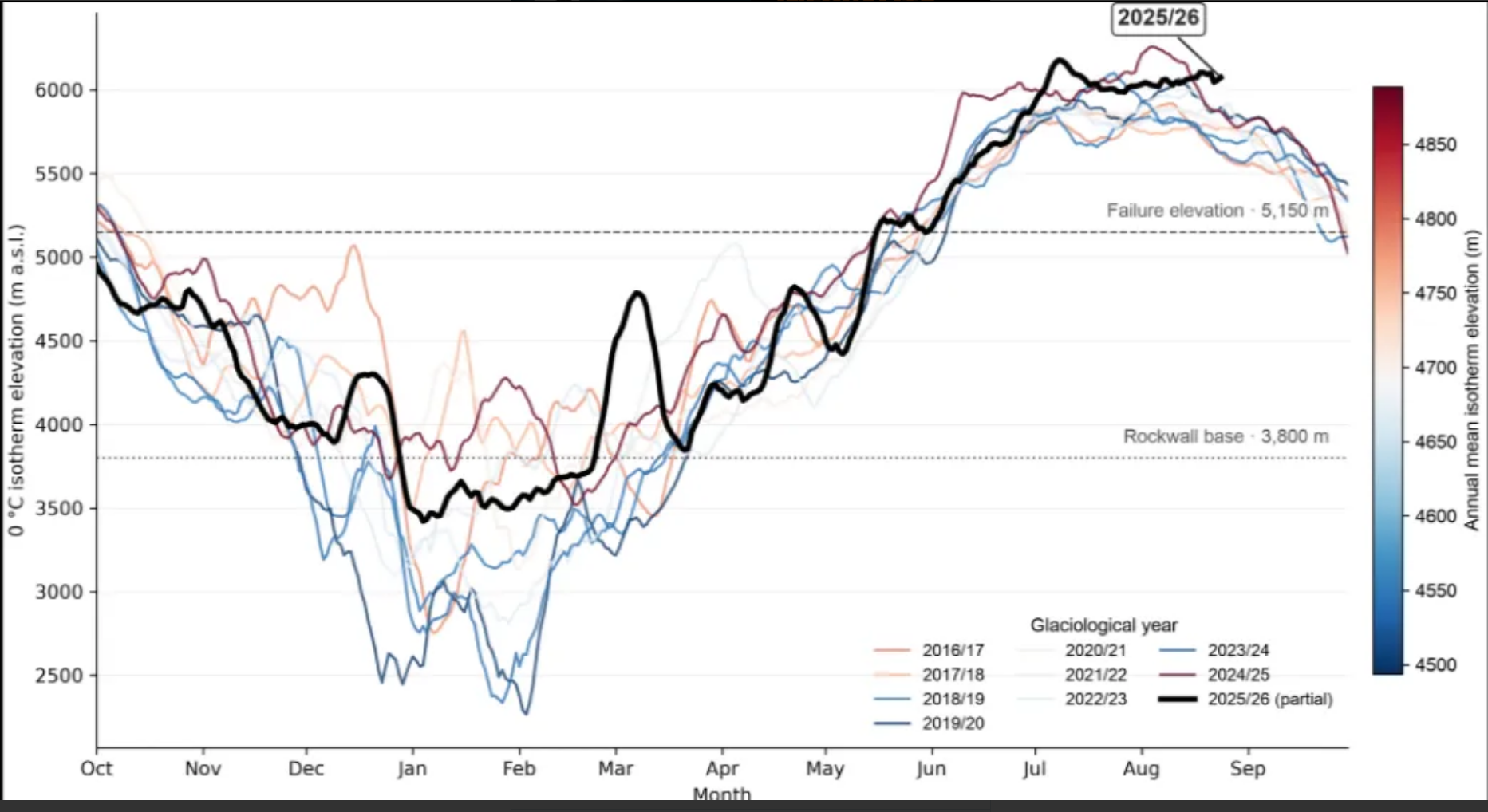
That chart is roughly 5C higher than the one I posted, 8C vs 3C for 2026 for instance. The 5C difference makes sense given the 900m difference in the elevation basis of the estimates.
-
The graph says the temperatures were estimated with ERA re-analysis bias corrected to 5200 feet using regional high elevation weather stations.
-
The temperature chart is consistent with the pictures of the collapse site, posted above, which show evidence of both short and long-term melting. The glacier itself is a remnant of a much larger glacier. The info I posted above also shows that local glacier losses have accelerated since 2000. I don't see evidence that the cooler and distant Everest site is relevant.
-
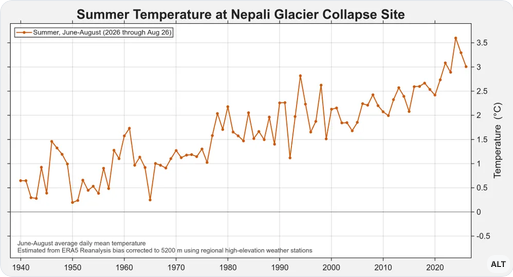
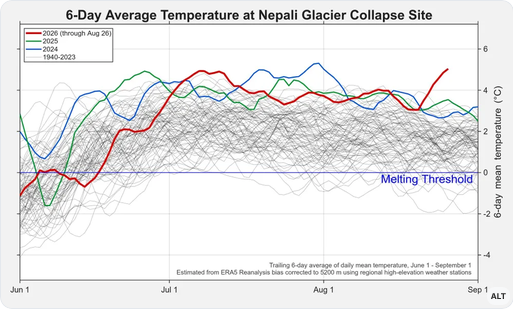
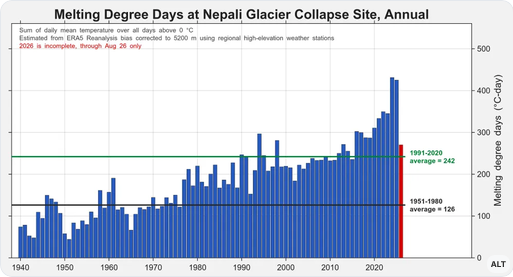
Robert Rhode has estimated temperatures near the Nepal collapse site at 5200 meters using ERA and local temperature data. Below are several quotes and graphs from his Blue Sky thread. The collapsed glacier site was historically not far from the melting threshold in summer with only a short period of summer melting expected. Unfortunately, global warming has greatly expanded the duration and intensity of summer melt in this region at 5200m elevation. Summer 2026 is estimated to have been 4th warmest on record for this Nepali glacier, behind 2024, 2025, and 2022. In addition, the collapse occurred at the end of a 6-day heatwave that featured several of the warmest August days on record. https://bsky.app/profile/rarohde.bsky.social/post/3muom4fol422p